

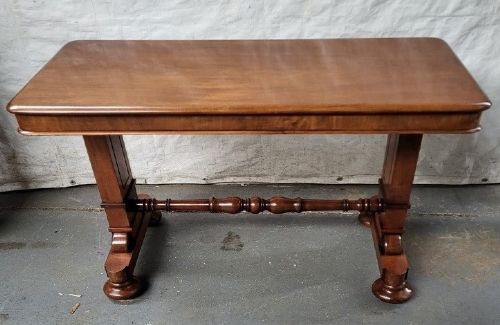
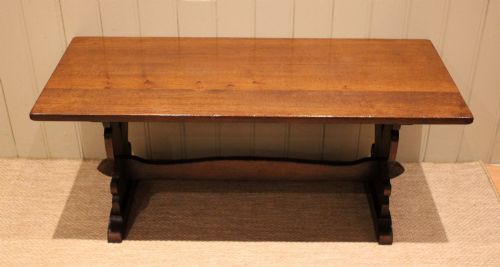
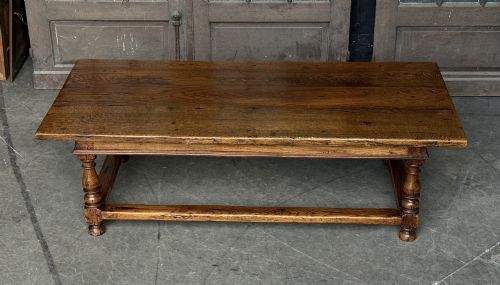
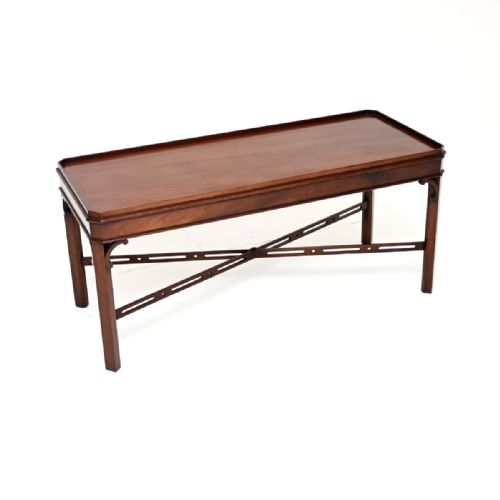
Antique Table with Stretcher
An antique table with stretcher brings rigid structural integrity and centuries of joinery to a room, offering both practical surface space and architectural form.
Antique Table with Stretcher
An antique table with stretcher encompasses a variety of domestic forms designed with connecting lower rails that brace the legs. Buyers searching this phrase encounter dining tables, side tables, desks, and occasional pieces spanning multiple centuries of cabinet-making.
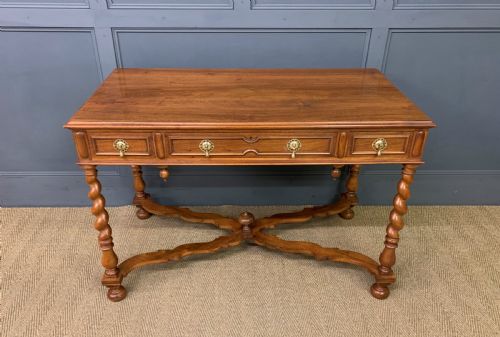
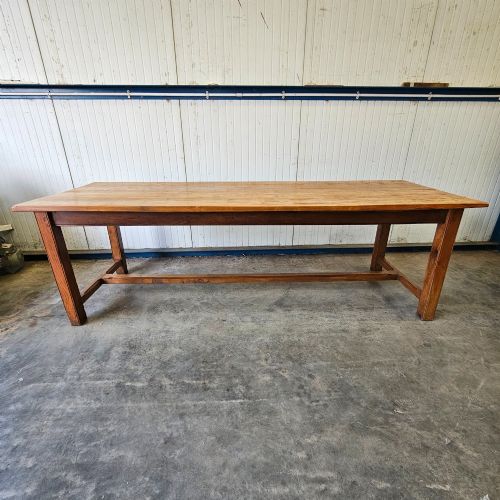
Oak and mahogany dominate the offerings, frequently appearing in forms ranging from seventeenth-century oak side tables to nineteenth-century walnut library tables. Regional European pieces, such as French cherrywood farmhouse tables, also feature prominently alongside formal Georgian and Victorian designs.
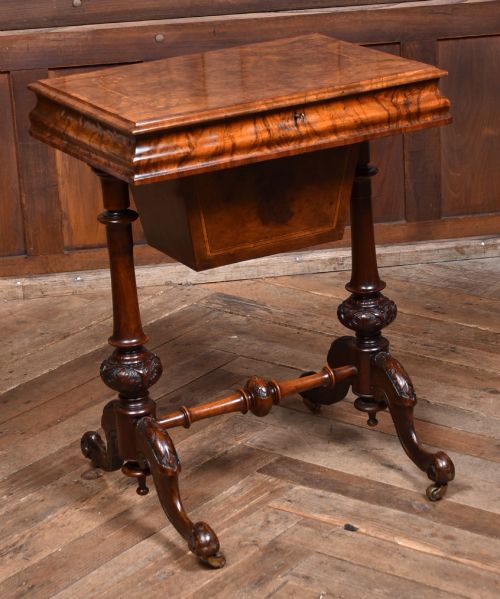
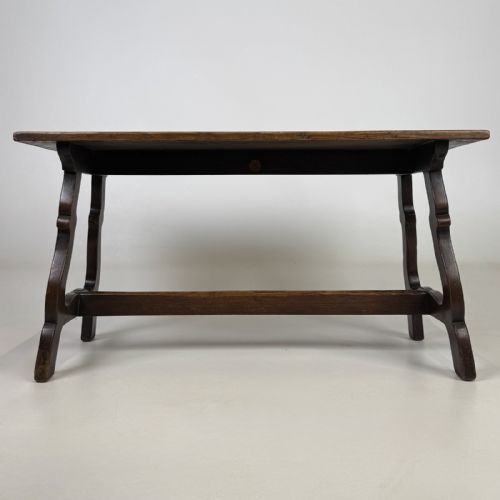
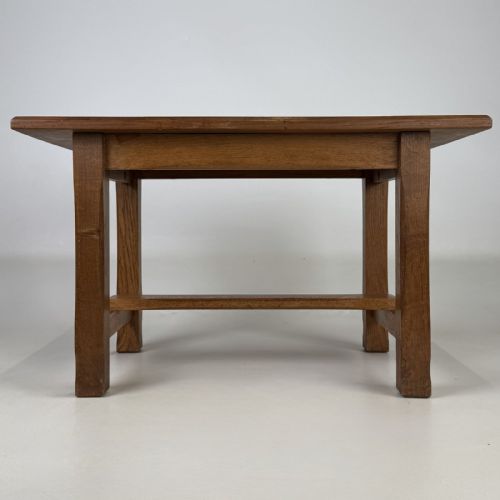
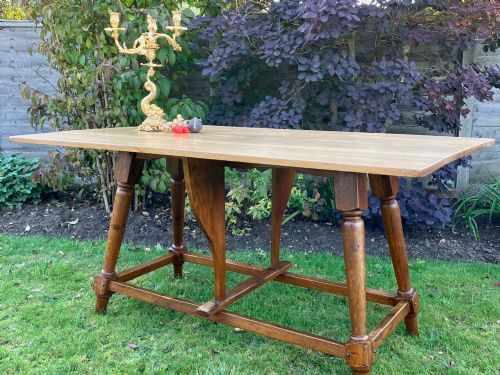
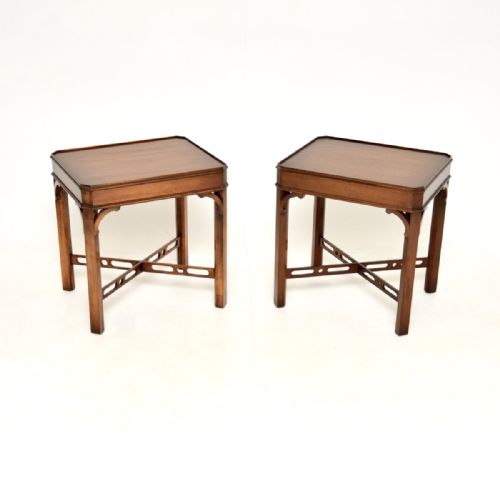
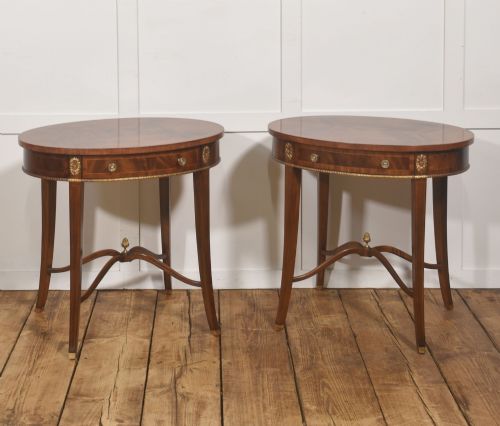
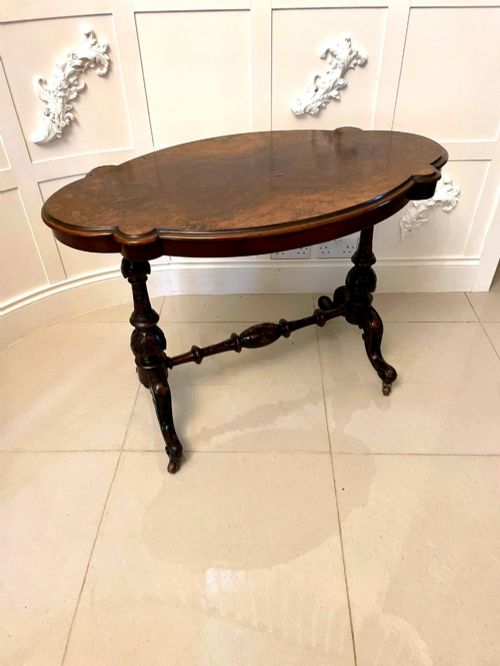
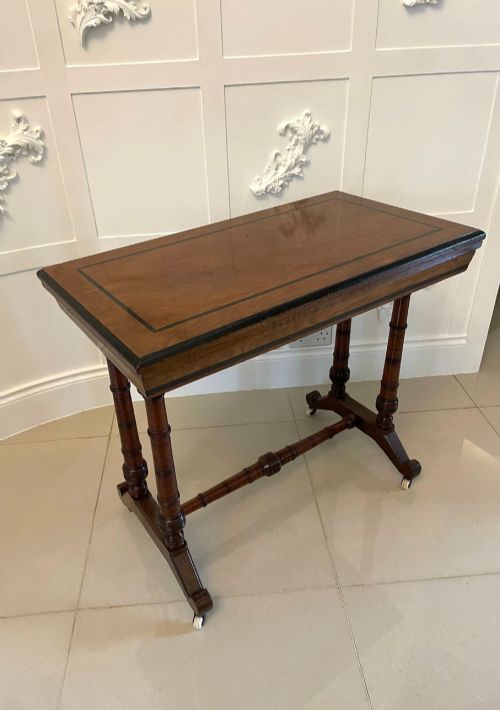
The stretcher itself serves a primary structural purpose while defining the silhouette of the piece, appearing as simple turned wooden rails, cross stretchers, or elaborate H-stretchers depending on the period and style.
Materials and construction
Timbers such as oak, walnut, and mahogany provide the primary structural framework for these tables, selected for their density and grain. Secondary woods like fruitwood and pine appear in regional farmhouse iterations and internal components.
Joinery relies heavily on traditional methods including mortise and tenon joints, which anchor the legs firmly to the stretcher system. Turning techniques produce distinct leg and stretcher profiles, from early bobbin and spiral turnings to later plain and fluted columns.
Antique Table with Stretcher Retail Price Guide 2026
Typical asking prices for table with stretcher among the pieces listed under this phrase on Sellingantiques today, from the lower quarter to the upper quarter. They describe what is for sale here now, not the wider market.
One unexpected Victorian cabinet hides its display contents behind glass while proudly showing off its carved mahogany frame.
Distinguishing quality
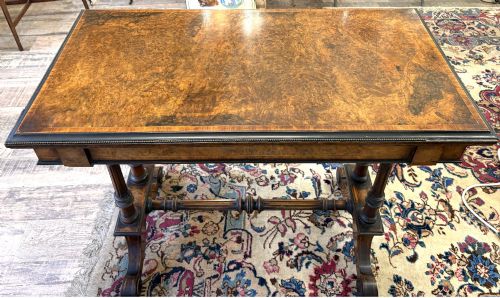
The standard of timber selection and the crispness of hand-turned elements distinguish finer pieces from simpler utilitarian items. Grain matching in burr walnut or fiddleback mahogany tops indicates a higher grade of manufacture intended for formal reception rooms.
Structural integration between the legs and the stretcher determines the rigidity and longevity of the table. Original patination on unrefinished surfaces demonstrates how well the timber has aged through exposure and use.
W J Mansell
The Antique Table with Stretcher Glossary
- Stretcher
- A horizontal support rail connecting the legs of a table to increase stability. These rails sit near the floor and take various geometric forms.
- Cross stretcher
- A configuration where two stretchers intersect diagonally between four legs, often meeting at a central point. This arrangement frequently supports a small finial.
- Draw leaf
- An extending table mechanism where end leaves slide out from beneath the main top to lengthen the surface. This ingenious design allows a compact table to expand for dining.
- Refectory
- A long dining table traditionally used in monasteries or large halls, heavily braced with stretchers. They provide substantial seating capacity and robust construction.
- Patina
- The surface sheen and colour developed over decades through handling, waxing, and ageing. Original patination reveals the authentic history of the wood.
Antique Table with Stretcher: Frequently Asked Questions
What is the function of a stretcher?
A stretcher braces the legs of a table to prevent outward or inward movement under heavy loads. Originally vital for stabilizing furniture on uneven floors, it evolved into an important decorative element.
Over centuries, cabinet-makers refined stretcher placement from low H-configurations to high crossed arches, reflecting shifts in fashion and structural engineering.
How do I identify seventeenth-century oak tables?
Seventeenth-century oak tables display pegged mortise and tenon joinery and heavy timber thicknesses. The grain often shows distinct medullary rays from quarter-sawing.
These pieces typically exhibit rich, dark patination and hand-carved details that reflect early tool marks rather than machine precision.
Where should I place a side table with stretcher?
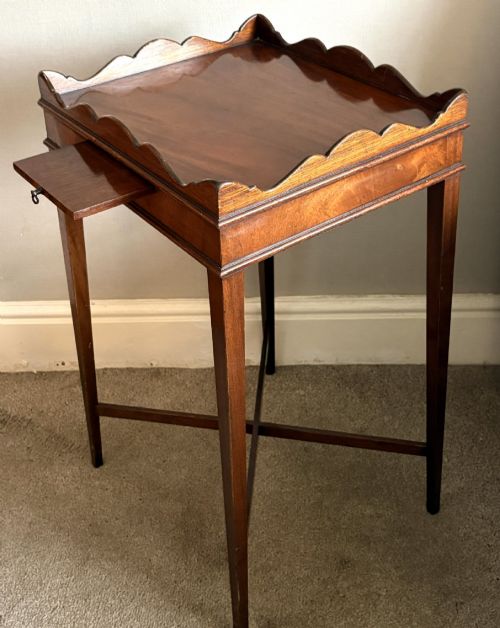
A side table with stretcher fits well in hallways, living rooms, or behind sofas where the lower rails add visual weight near the floor. Their modest depth allows them to sit flush against walls without obstructing pathways.
In bedrooms or libraries, they function effectively as writing desks or lamp tables, offering surface storage alongside architectural interest.
Are farmhouse tables sturdy for daily use?
Farmhouse tables built with solid structural timbers and integrated stretchers offer exceptional durability for everyday dining. The stretcher system absorbs lateral stress from seating and movement.
Their robust construction makes them practical for busy kitchens and dining spaces where stability remains essential.