


Antique Table Tobacco Box
An antique table tobacco box brings the tactile ritual of communal smoking and snuff-taking into domestic spaces through heavy silver, brass, and carved wood.
Antique Table Tobacco Box
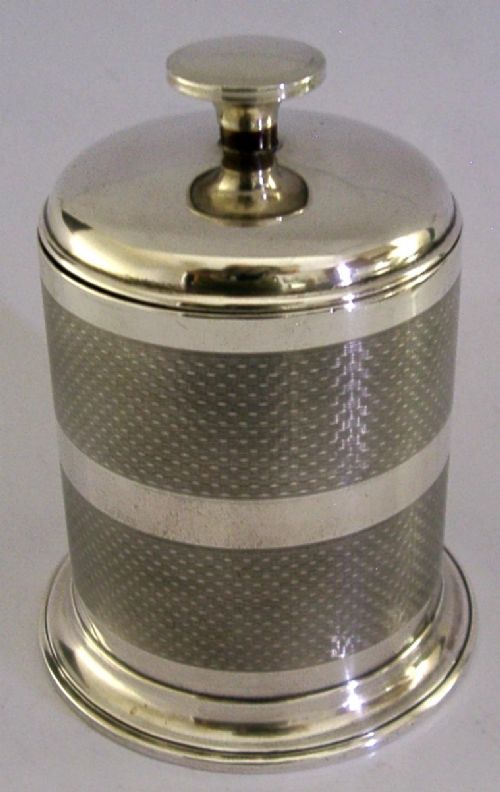
When you search for an antique table tobacco box, you encounter a specialised vessel designed to sit on a desk or table rather than travel in a pocket. These containers accommodate leaf tobacco, cigars, or powdered snuff depending on their scale and internal partitions.
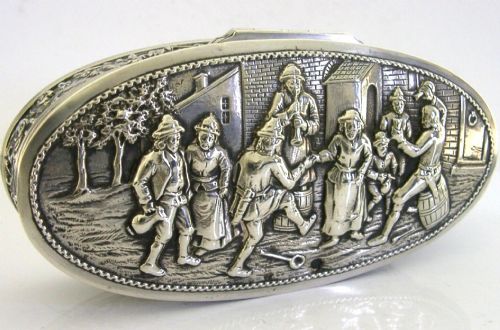
The versions most likely to appear on this page range from heavy sterling silver boxes made by silversmiths in Birmingham and London to brass, papier-mâché, and treen containers originating in Britain, the Netherlands, and Germany.
Makers span the eighteenth, nineteenth, and early twentieth centuries, incorporating Georgian rococo revival motifs, Victorian cast acanthus borders, and clean Art Deco lines.
Materials and Technique
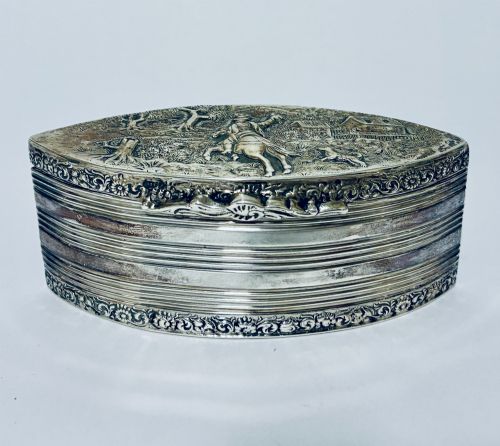
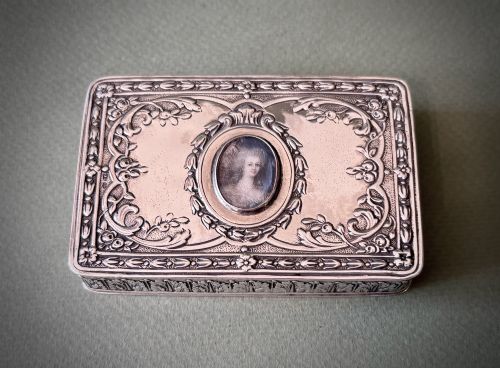
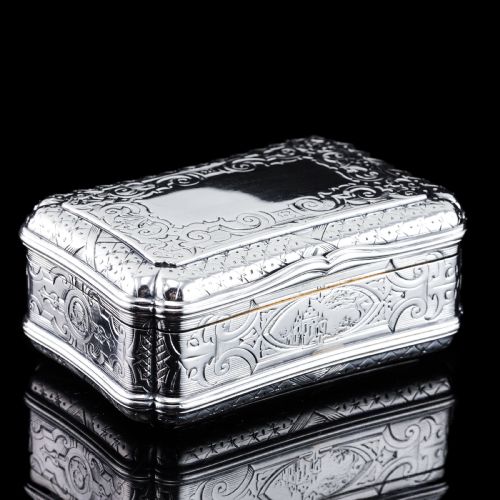
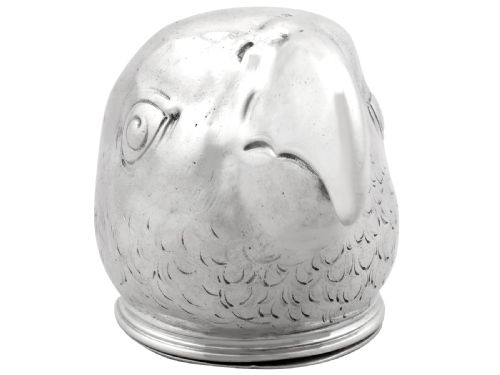
Metals dominate the record, utilising sterling silver, silver-gilt, and brass formed through casting, hand-engraving, and chasing to create crisp floral borders and figural scenes.
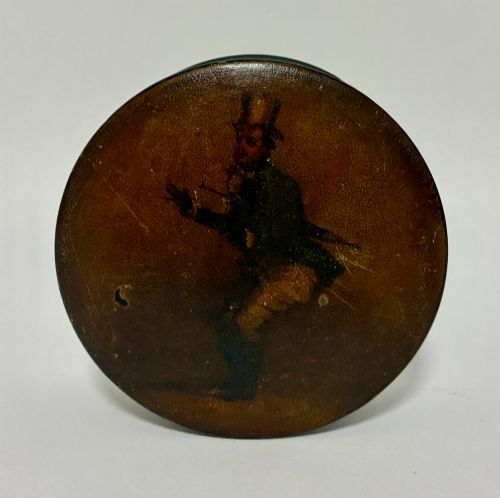
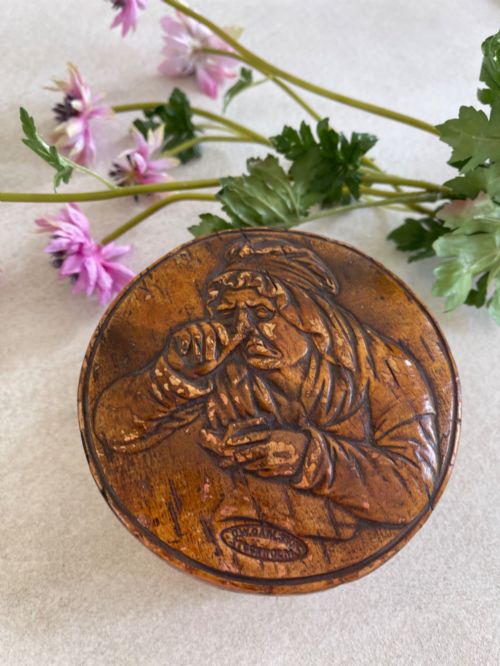
Organic materials such as walnut, amboyna, tortoiseshell, and shell appear alongside papier-mâché, often finished with detailed paintwork or lacquer to protect the surface.
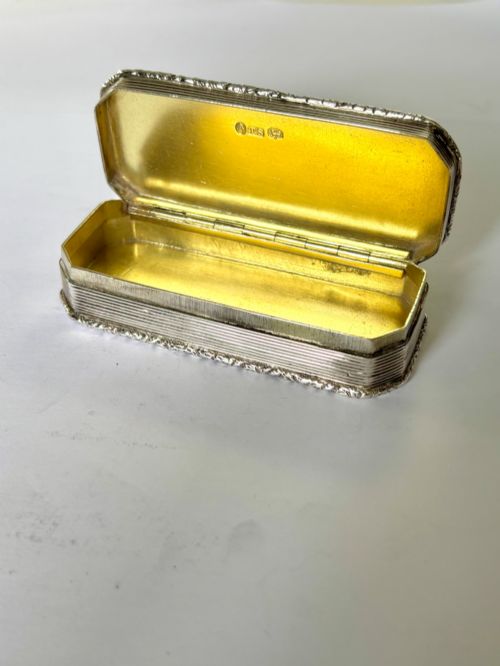
Hinged lids and internal gilt washes in silver boxes demonstrate precision smithing designed to keep tobacco moist and prevent metal tarnishing from leaf oils.
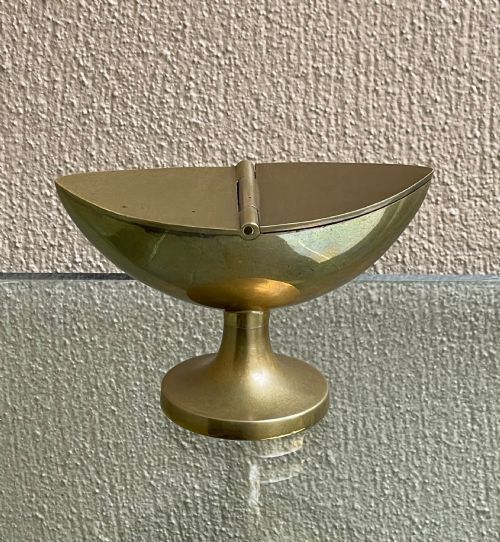
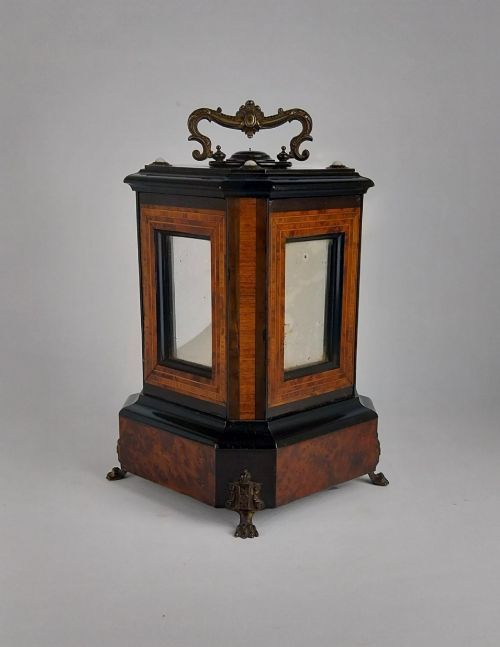
Object forms include hinged humidor cabinets, coin-embellished containers, and navette-shaped desk boxes.
Qualities of Construction
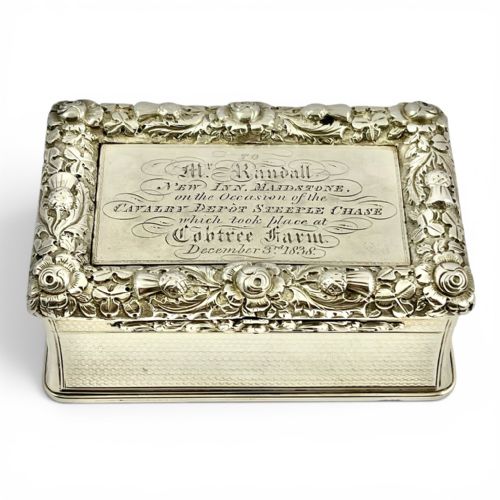
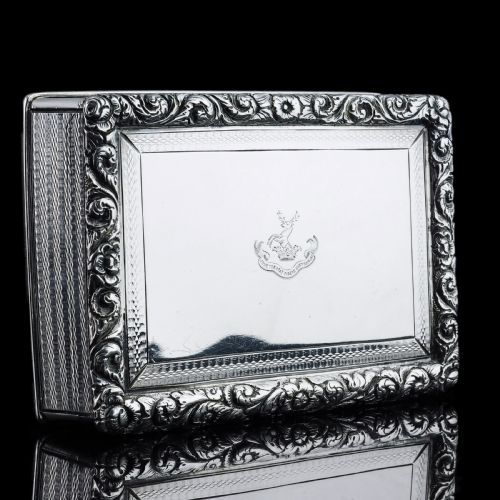
The distinction between standard containers and exceptional pieces rests on the weight of the metal gauge and the sharpness of cast ornamentation such as acanthus leaf borders.
Hand-chased detailing and engraved cartouches show individual artisan skill, whereas mass-produced stamped decoration lacks depth and crispness.
Original interior gilding, tight lid closures, and the preservation of delicate lacquer or tortoiseshell surfaces determine the desirability among collectors.
Thomas Shaw·Edward Smith·Joseph Willmore·Edward Edwards·Frederick Mason·Edward Farrell·David Pettifer·Nathaniel Mills·Mappin And Webb
The Antique Table Tobacco Box Glossary
- Table snuff box
- A large container designed to rest on a surface for communal use rather than fit a waistcoat pocket. These boxes often feature heavy cast ornamentation.
- Silver-gilt
- Silver that has been coated with a thin layer of gold on its interior or exterior surfaces. This technique protects the underlying metal from tobacco acids.
- Papier-mâché
- A composite material made from paper pulp or reinforced sheets mixed with glue, then moulded and lacquered. It provides a stable base for detailed painted scenes.
- Treen
- Small handmade wooden objects produced by turning or carving. Collectors prize early treen for its tactile patina and dense hardwoods like walnut or amboyna.
- Cartouche
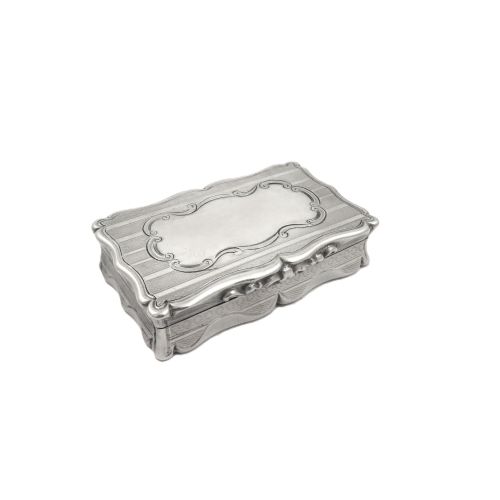
- An ornamented panel or frame with a curved perimeter, often left blank for engraved initials. This decorative device is typical on Georgian and Victorian silver lids.
Antique Table Tobacco Box: Frequently Asked Questions
How were these boxes used historically?
Owners placed them on tables in drawing rooms, studies, or gentlemen's clubs to offer tobacco or snuff to guests during conversation. Opening the heavy lid was part of a formal social ritual.
Some examples include internal compartments for cigars or lining to preserve moisture, while others served strictly for dry powdered tobacco.
How do I care for silver and wood boxes?
Silver boxes require gentle cleaning with a soft cloth to avoid wearing down hand-engraved details and cast borders. Avoid harsh chemical dips that strip away original patination or interior gilding.
Wooden and papier-mâché pieces need stable humidity and protection from direct sunlight to prevent timber splitting or lacquer cracking over time.
How do I tell Georgian and Victorian pieces apart?
Georgian boxes frequently display rococo revival motifs, floral chased borders, and shell shapes with understated hand craftsmanship. Maker marks and assay office letters help confirm precise decades.
Victorian examples often feature heavier gauge metal, cast acanthus leaf borders, and military or commemorative themes reflecting industrial manufacturing advances.