


Antique Table Hollowware
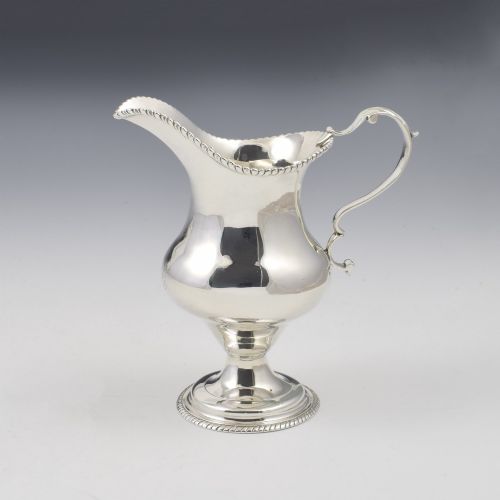
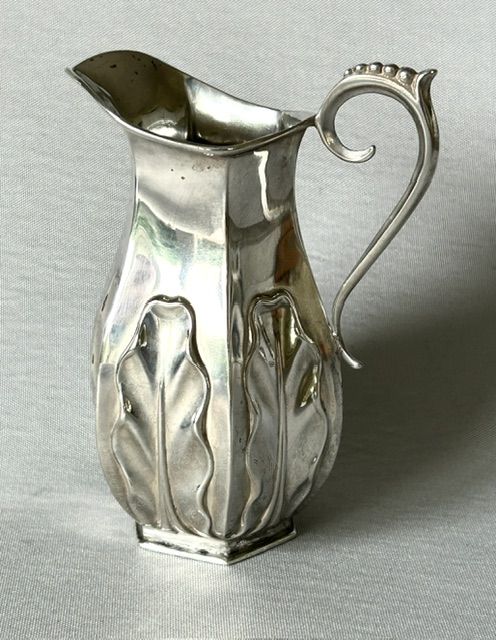
When you search for antique table hollowware, you are looking at vessels designed for serving, from cream jugs to meat domes.
Antique Table Hollowware
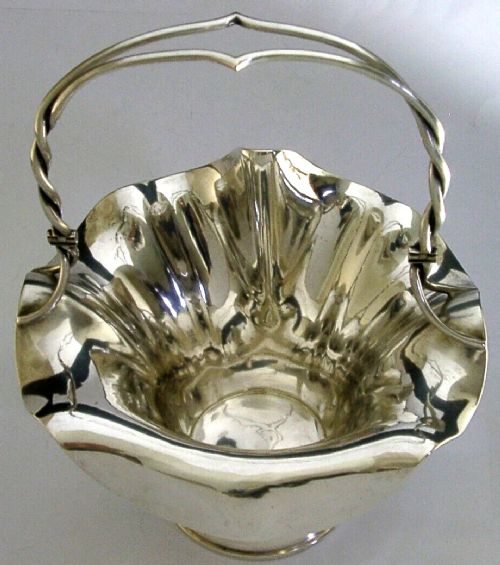
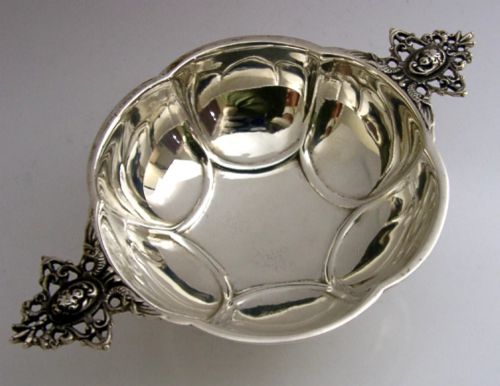
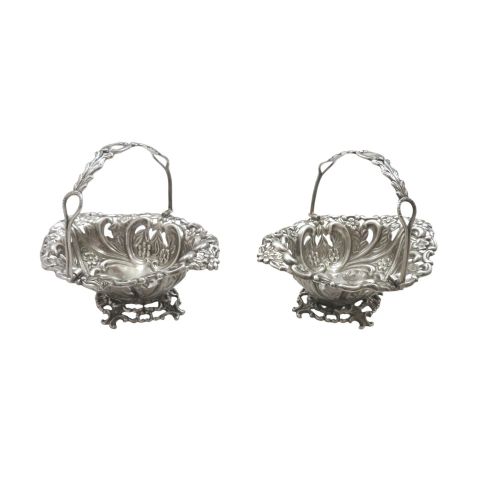
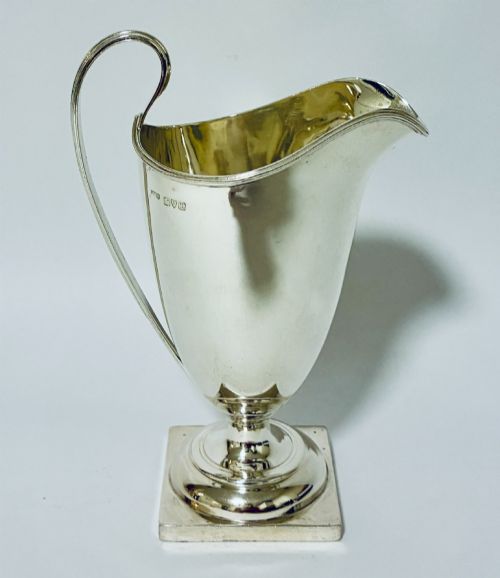
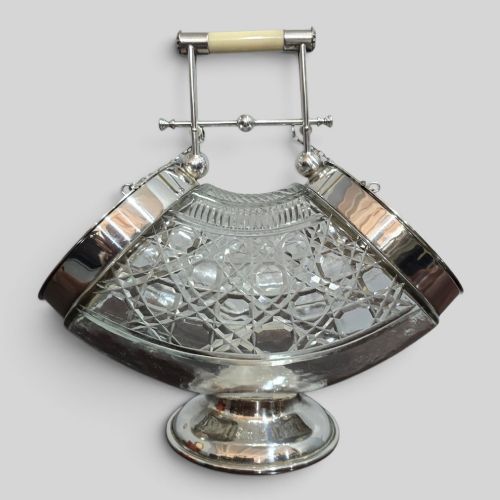
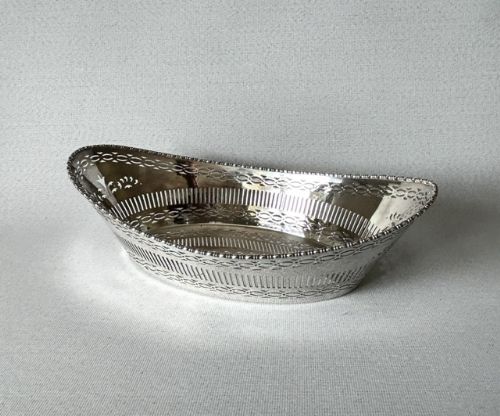
Antique table hollowware encompasses a wide variety of dining and serving vessels designed to hold food and liquids at the table. When searching for antique table hollowware, buyers encounter pieces intended for practical service, including cream jugs, sauce boats, mustard pots, and baskets. The selection spans several centuries, reflecting changing dining habits and social rituals across the Georgian, Victorian, and Edwardian periods.
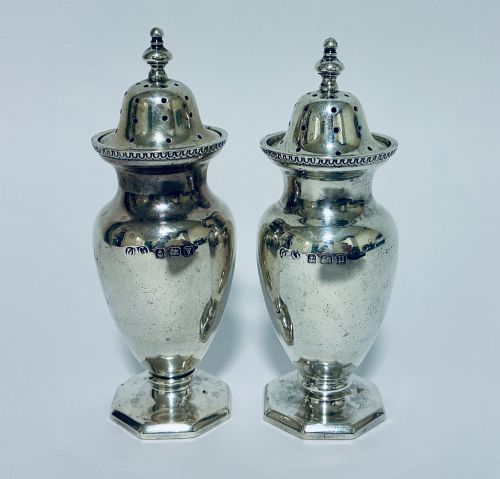
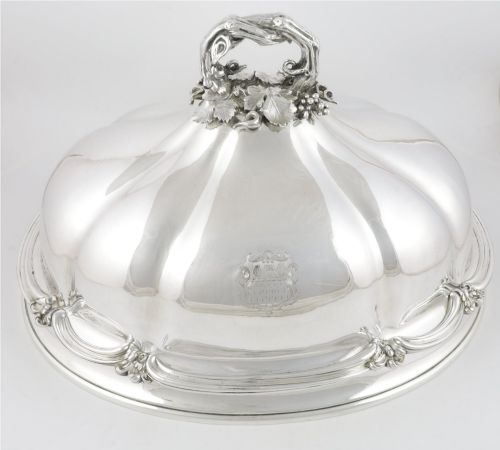
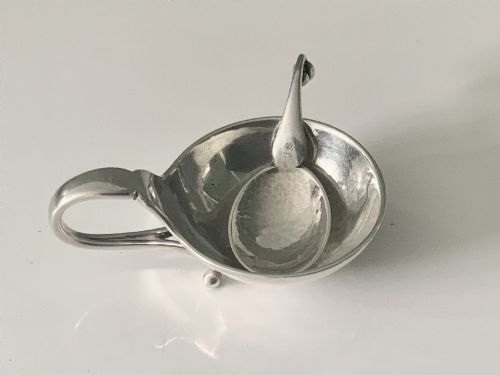
The objects take diverse forms to suit specific table functions, ranging from large meat domes and serving dishes down to small salt cellars and pepper casters. Items such as biscuit barrels, gravy warmers, and water jugs demonstrate the specialised nature of domestic dining service in past eras. These vessels form the functional backbone of traditional table settings, combining utility with decorative presence.
How they were made
Makers utilised sterling silver, solid silver, and silver plate, alongside specialised materials like Old Sheffield Plate and copper. Old Sheffield Plate involves fusing a thin layer of silver to a copper base, creating durable vessels with a distinctive warm lustre. Many pieces incorporate decorative additions such as cobalt blue glass liners or wooden elements.
Techniques range from hand-hammered and cast forms to detailed surface work like hobnail cutting on glass and naturalistic casting featuring acorn motifs. Silversmiths employed embossing, chasing, and piercing to decorate bodies and handles, while plated items relied on early plating methods to achieve a substantial appearance.
Listings feature items spanning from the eighteenth century through the mid-twentieth century, encompassing Georgian, Victorian, and Art Deco styles.
What varies in quality
The caliber of antique table hollowware depends largely on the weight of the metal, the crispness of the chased or cast decoration, and the integrity of the construction. Heavier gauges of silver or substantial Sheffield plate indicate sturdier vessels meant for regular dining use rather than purely decorative display.
Design complexity and maker reputation further distinguish exceptional examples from standard wares. Pieces featuring detailed naturalistic motifs, such as cast acorn handles, or works produced by recognised silversmiths demonstrate a higher level of craftsmanship and artistic intent.
Stalker and Mitchison·Roberts Cadman·Georg Jensen·Mappin and Webb·Padley Parkin and Staniforth·Theodore B Starr·Charles Stuart Harris·William Hutton and Sons·Elkington
The Antique Table Hollowware Glossary
- Hollowware
- Table vessels such as bowls, jugs, tureens, and baskets that hold contents rather than flatware pieces like knives and forks. This broad category covers most shaped serving items found on historical dining tables.
- Old Sheffield Plate
- An early method of fusing silver sheet to a copper core before electroplating was invented. Pieces made this way often reveal thin lines of copper where the underlying metal shows through wear.
- Sauce Boat
- An open container with a lip and handle, designed for serving gravies or sauces at the table. They frequently rest on three feet or an attached tray base.
- Argyle
- A specialised gravy warmer featuring a heated inner core or compartment to keep sauces warm during long meals. This form appeared frequently during the Georgian and nineteenth-century periods.
- Meat Dome
- A large domed cover used to keep roasted joints warm on the dining table before carving. They are typically fashioned from heavy plate or silver and feature prominent handles.
Antique Table Hollowware: Frequently Asked Questions
What is table hollowware?
Table hollowware refers to hollow vessels used in food service and dining preparation, such as jugs, bowls, tureens, and baskets.
These pieces contrast with flatware items like spoons and forks, serving as the central containers on a dining table.
How were silver plated pieces made?
Early pieces often utilised Old Sheffield Plate, which mechanically fused silver to a copper base through heat and pressure.
Later Victorian and Edwardian items generally relied on electroplating processes to apply a thin layer of silver over a base metal foundation.
How do I clean antique silver?
Cleaning requires a soft cloth and a specialised silver polish formulated to remove tarnish without harming the underlying metal surface.
Harsh abrasives and chemical dips should be avoided, particularly on plated items where excessive scrubbing can expose the base metal.
Can I use these items daily?
Many solid silver and sturdy plated vessels remain fully functional for modern dining and serving uses.
Careful hand washing and prompt drying help preserve the finish and structural integrity of older metals and glass liners.