

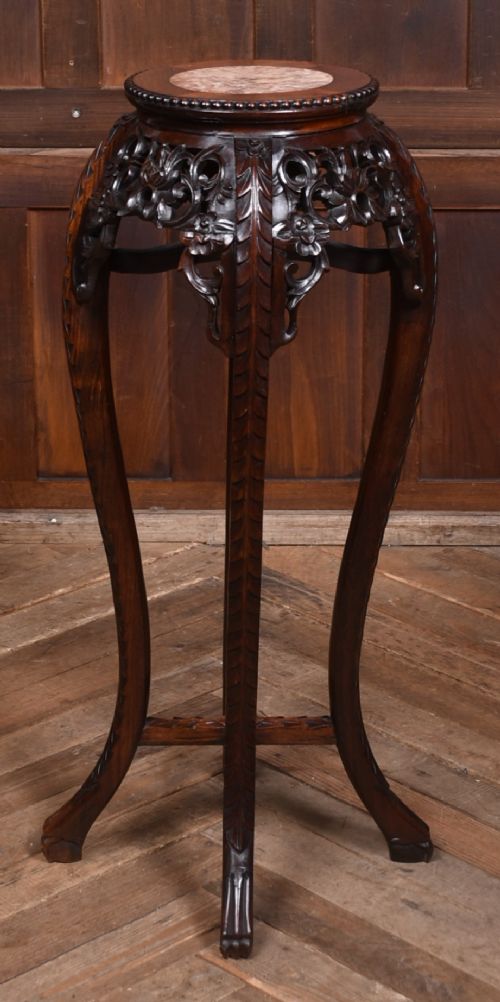


Antique Table Display Vase
These antique table display vase pieces bring decorative presence to a room, ranging from carved hardwood stands to cranberry glass epergnes.
Antique Table Display Vase
When you search for an antique table display vase, you encounter a varied assortment of decorative vessels and the stands designed to elevate them. The selection encompasses Chinese hardwood and marble top vase stands alongside Victorian cranberry glass epergnes and French crystal centrepieces.
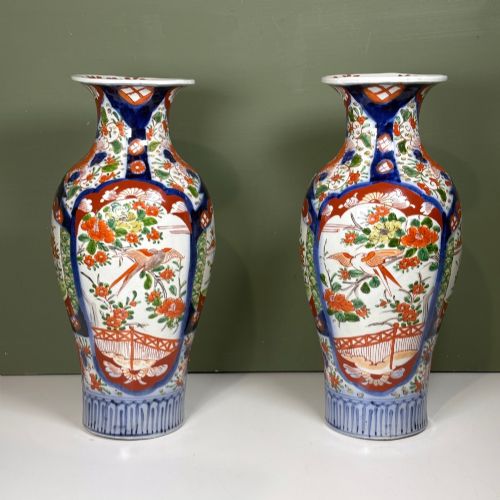
The objects span the nineteenth century through the early twentieth century, taking forms such as jardiniere stands, plant stands, decorative bowls, and flower jugs. Oriental carved wood pieces and Imari vases appear frequently among these furnishings.
Stylistic influences divide broadly between European Victorian and Edwardian manufacturing and Asian export workshops, including Qing Dynasty and Meiji period examples.
Materials and construction methods
Hardwood, marble, silver plate, brass, and glass form the core material palette. Chinese stands employ carved hardwood and inserted marble tops, whilst European vessels utilise cranberry glass, clear crystal, and gilt bronze mounts.
Surface decoration involves hand-carved wood details, gold enamel work depicting natural motifs like poppy flowers, and lacquer techniques. Satsuma and Rose Medallion examples feature detailed painted ceramic glazes.
Antique Table Display Vase Retail Price Guide 2026
Typical asking prices for table display vase among the pieces listed under this phrase on Sellingantiques today, from the lower quarter to the upper quarter. They describe what is for sale here now, not the wider market.
Styles represented include Chinese Export, Qing Dynasty, Victorian, Art Nouveau, Meiji Period, Art Deco, and Edwardian.
Distinctions in quality
Quality rests upon the crispness of hand-carving on hardwood and the purity of glass or crystal forms. Finely executed joinery on stands and intricate enamel work on vessels set finer examples apart from simpler production.
The integration of materials, such as the snug fit of a marble insert within a carved wooden frame or the weight of gilt bronze mounts on crystal, dictates the overall execution.
St Louis glassworks·Charlotte Rhead·Kinkozan
The Antique Table Display Vase Glossary
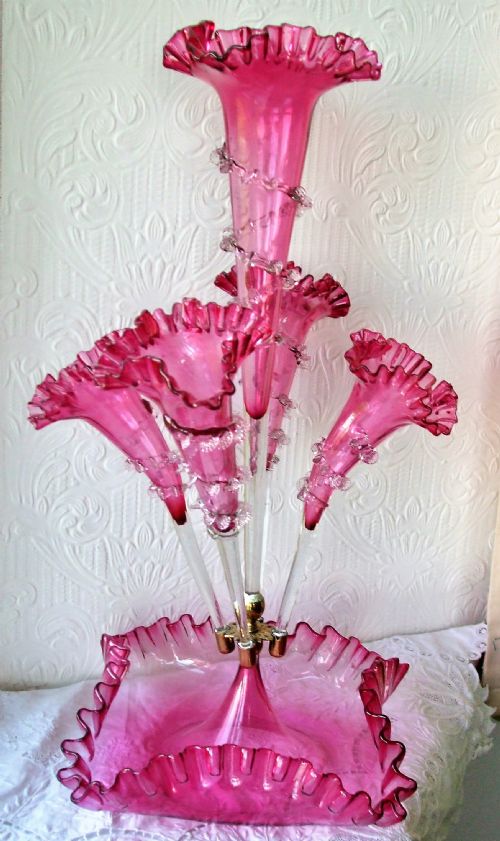
- Epergne
- A tiered centrepiece dish featuring multiple small vases or arms for holding fruit and flowers. Victorian examples frequently utilise cranberry glass.
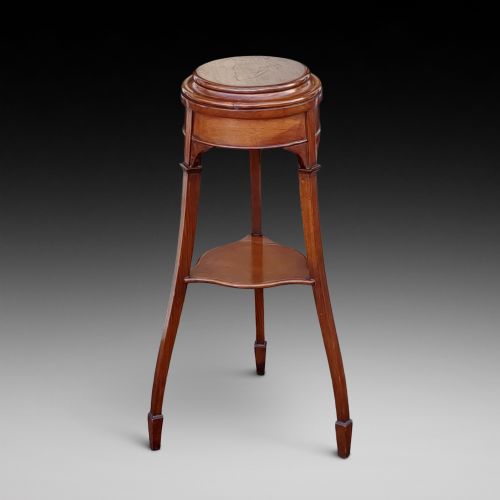
- Jardiniere stand
- A small piece of furniture designed to elevate a heavy plant container or vase. These often incorporate carved hardwood and marble tops.
- Rose Medallion
- A nineteenth century Chinese ceramic style featuring polychrome enamel panels depicting figures, birds, and flowers.
- Imari
- A Japanese porcelain decorative style characterised by underglaze blue and iron red highlights with supplementary gold.
- Lacca Povera
- An eighteenth and nineteenth century European decorative technique involving applied paper cutouts finished with multiple layers of lacquer.
Antique Table Display Vase: Frequently Asked Questions
What is an epergne used for?
An epergne serves as a dramatic table centrepiece, traditionally holding fruit, sweetmeats, or floral displays across its multiple attached baskets and small vases.
Victorian dining tables often featured these glass and silver plated constructions as focal points during formal meals.
How are marble top vase stands used?
These low tables elevate ornamental vessels, jardinieres, and lamps to display them prominently within a room. The stone inset provides a durable, heat-resistant surface.
Originating largely in Chinese export workshops, they suit the display of heavy ceramics.
How do I identify a Meiji period vase?
Meiji period ceramics, such as Satsuma wares, originate from late nineteenth century Japan and often display detailed painted enamel figures alongside signature marks.
They frequently incorporate distinctive forms, including bamboo-handle shapes.
What distinguishes Chinese export stands?
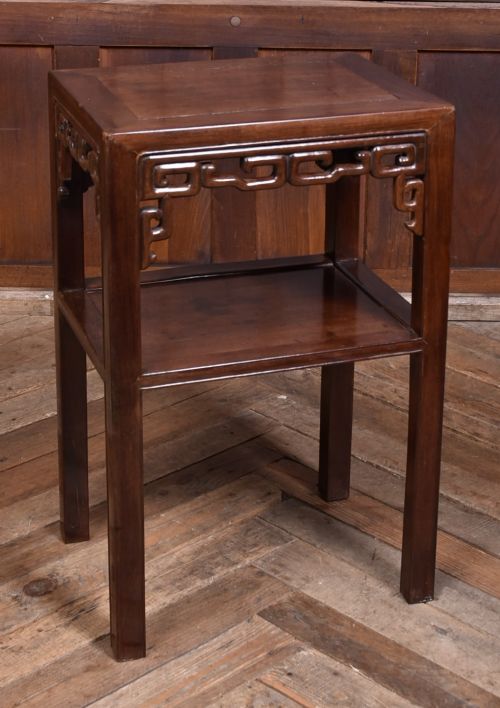
Chinese export stands utilise dense hardwoods like hongmu and mahogany, finished with intricate pierced carving depicting floral or geometric motifs.
They frequently feature inset marble tops designed to support heavy porcelain vessels.