
Antique Table Chairs Set
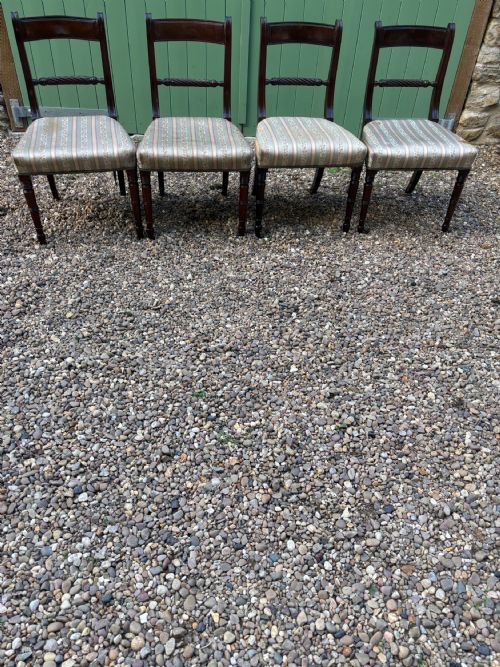
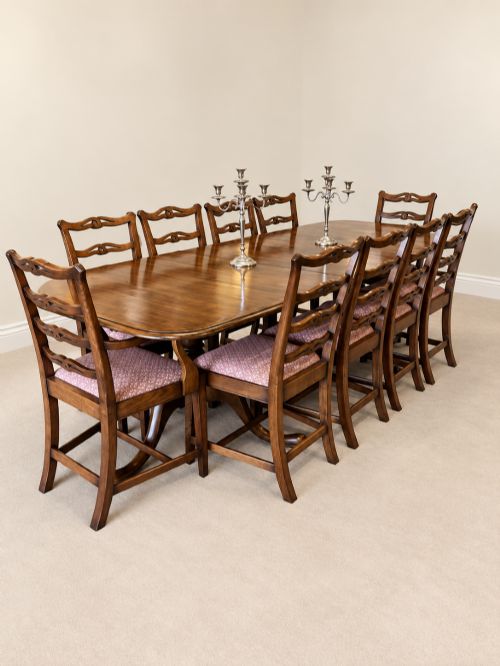
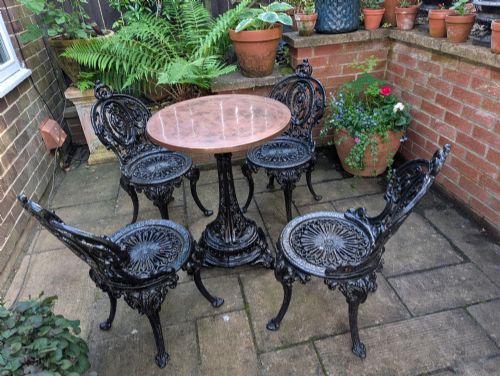
When you want an antique table chairs set, you are looking at matched dining suites and garden settings formed from oak, mahogany, and cast iron.
Antique Table Chairs Set
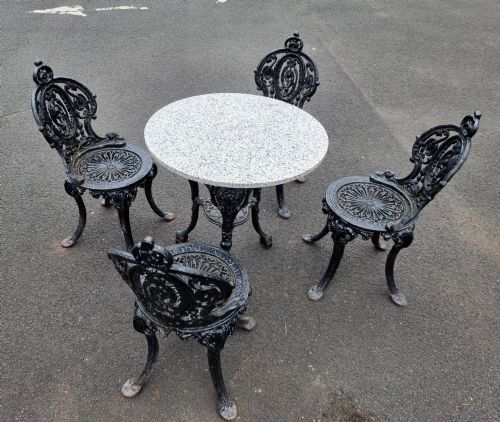
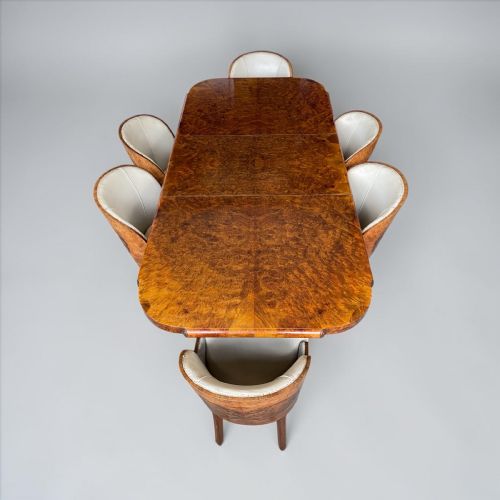
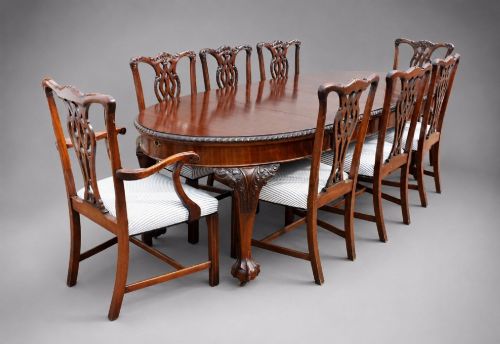
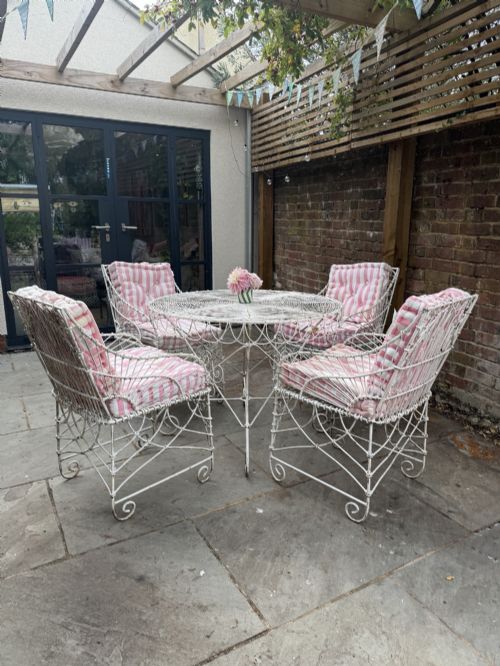
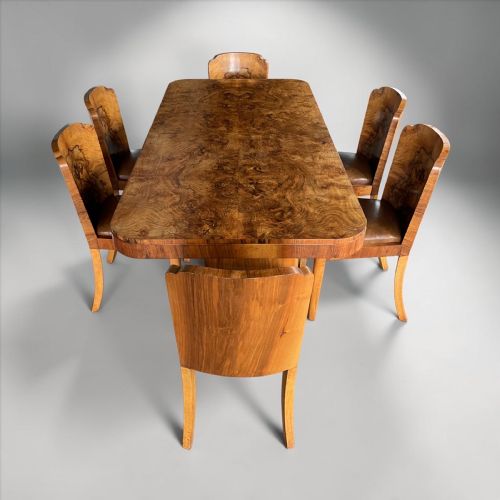
An antique table chairs set brings together a central dining surface and its surrounding seating, spanning indoor rooms and outdoor spaces. The pieces you meet on this page range from heavy cast-iron garden sets and bistro arrangements to large oak and mahogany dining suites designed for formal interiors.
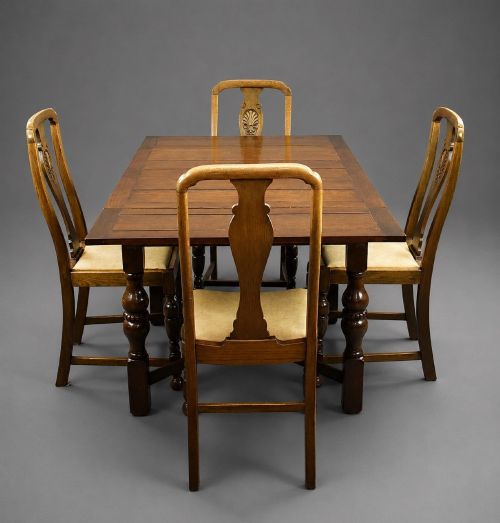
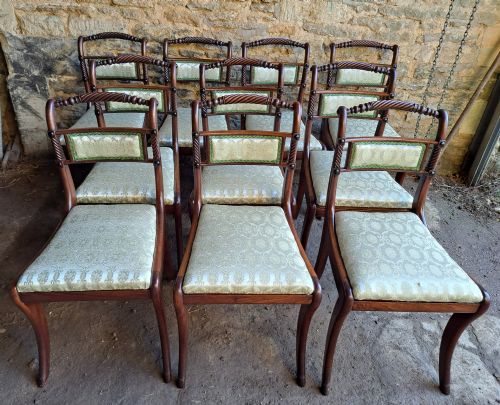
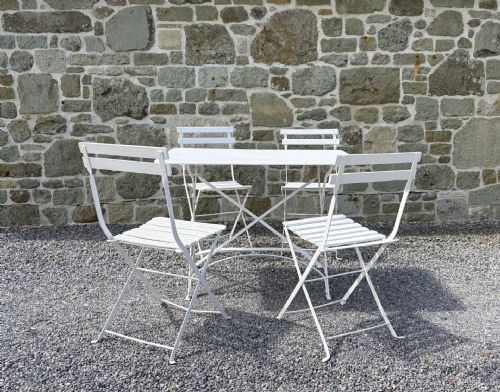
The selections include Edwardian oak draw-leaf tables with carved high-back chairs, extensive Victorian dining tables paired with up to sixteen chairs, and substantial Art Deco walnut and satinwood suites. You also encounter compact garden sets from the nineteen-thirties alongside nineteenth-century wrought iron and cast-iron patio groups.
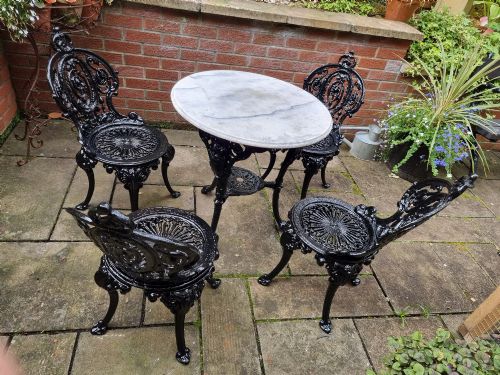
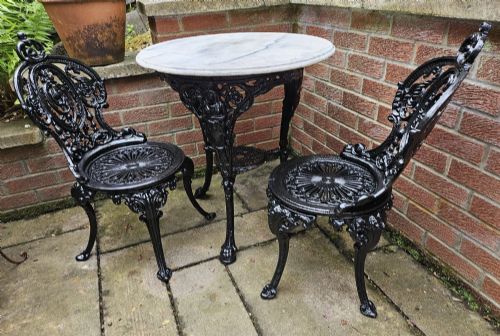
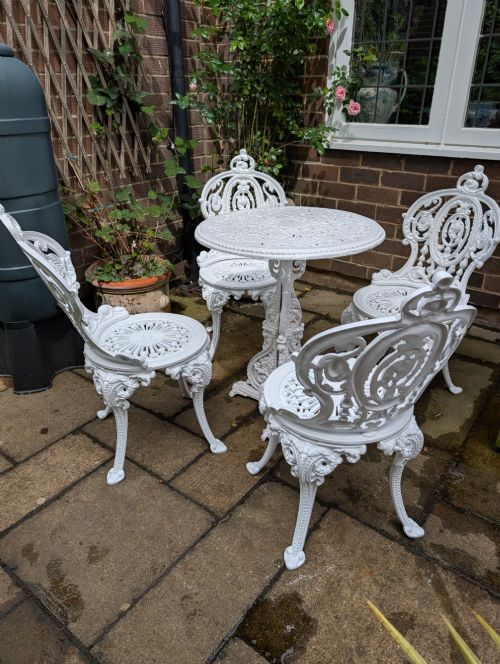
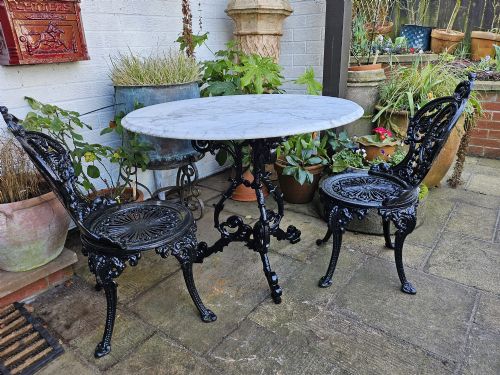
Indoor examples often feature matching carvers and side chairs in mahogany, oak, or walnut, while garden varieties utilise durable cast iron, often complete with marble tops or intricate wirework. These groupings represent decades of domestic and garden dining traditions across various historical periods.
How they were made
Makers constructed these tables and chairs using solid and veneered timbers such as mahogany, oak, walnut, maple, and satinwood, applying techniques like draw-leaf expansion and detailed hand-carving. Dining chairs frequently incorporate upholstered seats in leather and fabric, while some styles utilise cane or bergere panels.
Outdoor sets rely on heavy cast iron and wrought iron, moulded into garden tables and matching chairs, occasionally paired with marble insert tops. Craftspeople also applied painted and gilt finishes to specific parlour and bedroom suites during the nineteenth and twentieth centuries.
Listings feature oak, mahogany, burr walnut, and cast iron across periods from the seventeenth century through to Art Deco.
What varies in quality
The distinction between tiers rests in the ambition of the design and the integrity of the materials, such as figured burr walnut, bird's eye maple, or dense solid mahogany. Maker attribution plays a significant role, with documented pieces by notable designers commanding greater recognition.
Construction methods determine durability and refinement, evident in the depth of hand-carving on oak backs, the precision of joinery in extending dining tables, and the crispness of casting detail on iron garden furniture.
Maurice Adams·Christopher Dresser·Harry and Lou Epstein·Hille
The Antique Table Chairs Set Glossary
- Carver
- An armchair designed to sit at the head of a dining table, usually matching the smaller dining chairs in a set.
- Draw leaf
- A table mechanism featuring pull-out leaves stored beneath the main top, allowing the surface length to increase.
- Refectory table
- A long, narrow dining table traditionally supported by heavy legs connected with a central stretcher.
- Bergere
- A type of enclosed upholstered armchair with a wooden frame and cane or wicker-work back and sides.
- Sabre leg
- A concave, outwardly curving furniture leg tapering toward the foot, commonly seen on Regency chairs.
Antique Table Chairs Set: Frequently Asked Questions
How do I match chairs to a table?
Review the primary wood species, such as oak, mahogany, or walnut, and observe the specific historical style, like Jacobean Revival or Art Deco.
Check that the proportions, leg styles, and carving details align between the seating and the central dining surface.
What is an extending dining table?
An extending dining table incorporates mechanisms like draw leaves or removable centre sections to alter the overall length of the surface.
This design allowed households to accommodate larger groups of guests for dining before returning the table to a compact footprint.
Can cast iron sets stay outside?
Heavy cast-iron garden sets and bistro arrangements were built to withstand outdoor conditions, utilising durable metal and weather-resistant finishes.
Protecting marble tops and monitoring the metal for weathering helps preserve these nineteenth and twentieth-century garden pieces.