



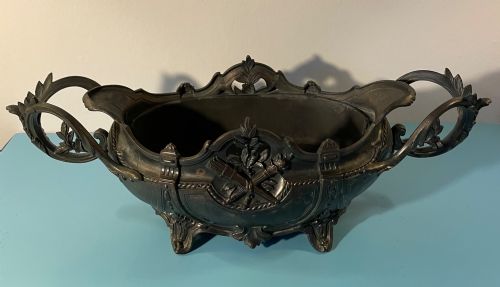
Antique Table Centerpiece
An antique table centerpiece commands attention at the heart of a dining arrangement, uniting silver, crystal and porcelain in a single display.

Antique Table Centerpiece
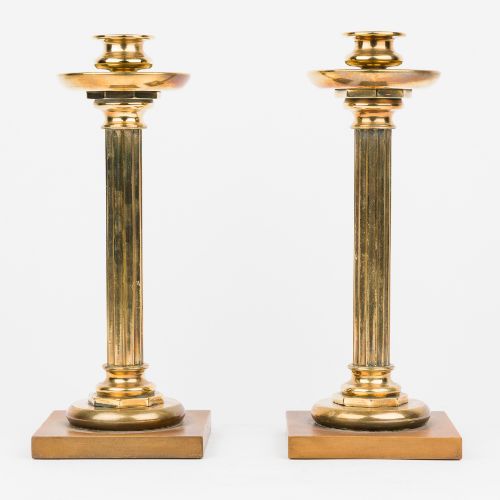
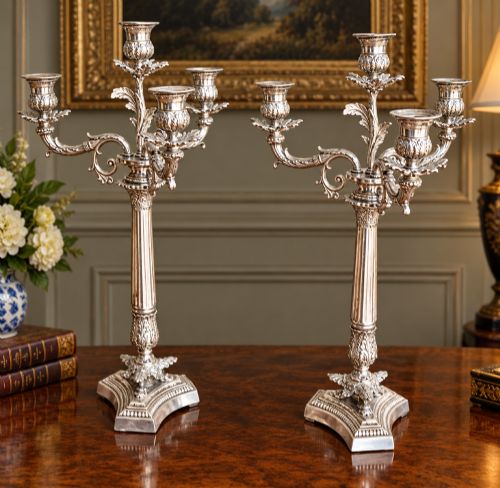
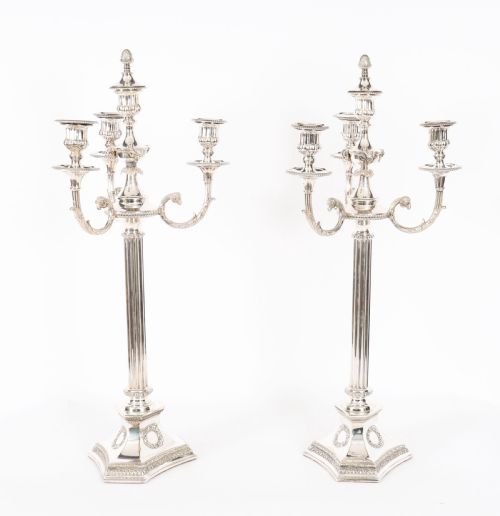
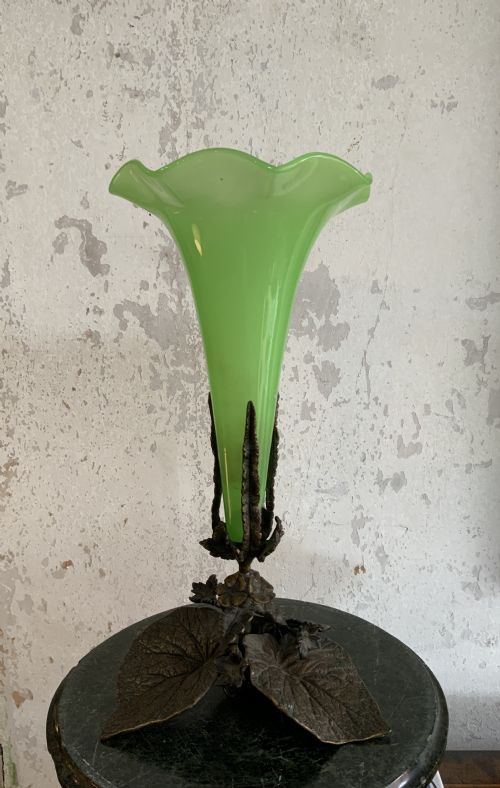
When you search for an antique table centerpiece, you encounter a diverse range of serving vessels, candelabras, and decorative bowls designed to anchor a formal dining table. The selection spans the nineteenth century through the early twentieth century, taking the form of silver baskets, multi-branch candelabras, glass epergnes, and carved oak fruit bowls.
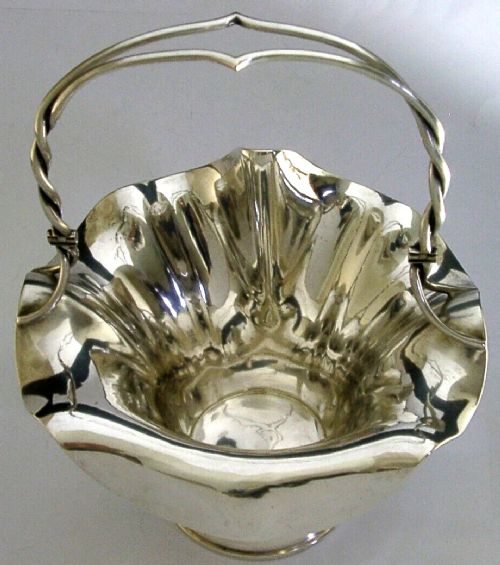
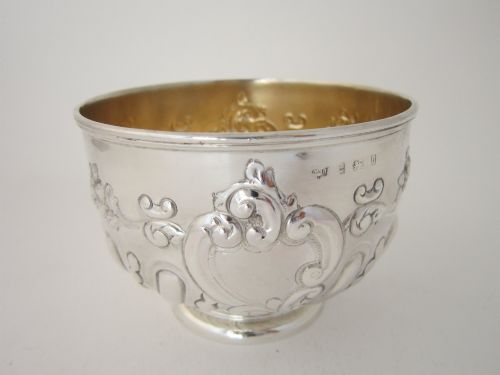
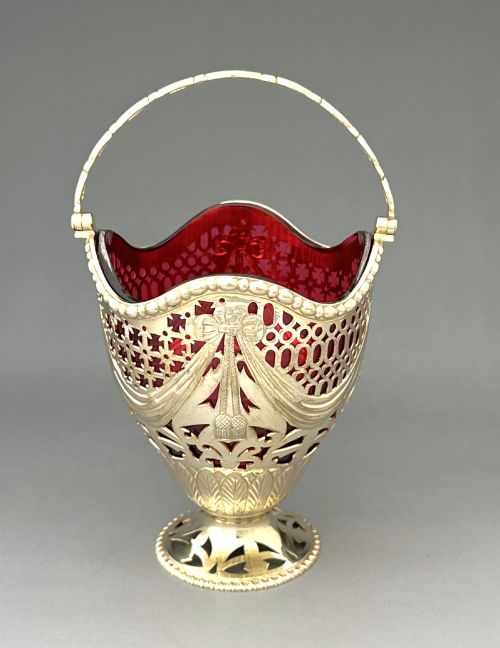
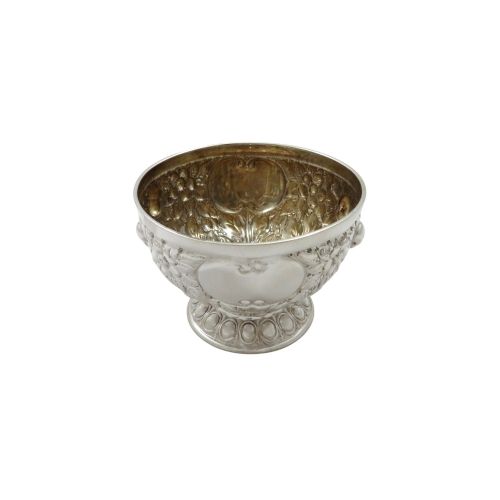
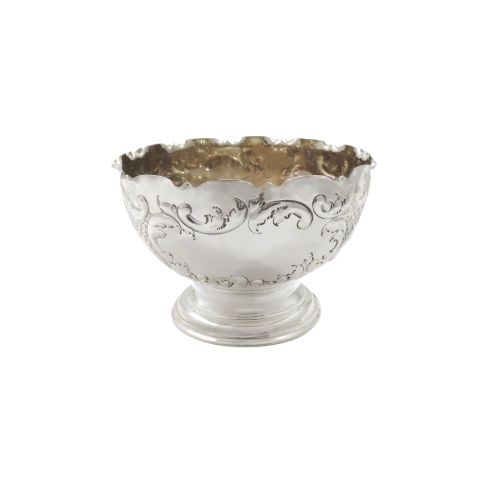
The pieces appearing most frequently on this page originate from Victorian, Edwardian, and Art Nouveau workshops in Britain and France. They include elaborate silver-plated fruit dishes with swing handles, heavy sterling silver bowls, and gilt bronze centrepieces paired with cut crystal liners.
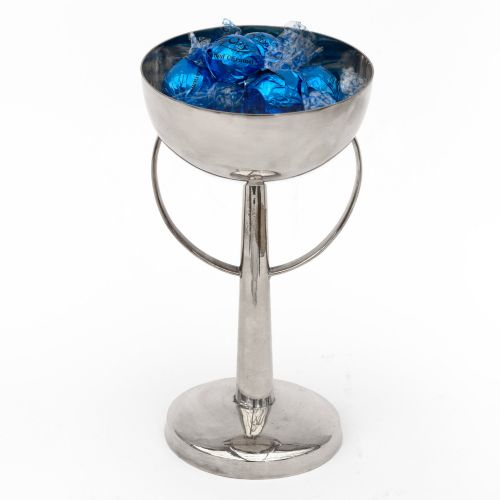
Victorian and Edwardian examples dominate the offerings, showing stylistic shifts from neoclassical revival and rococo forms toward organic art nouveau curves and arts and crafts hammered surfaces. Makers applied these diverse aesthetics to functional vessels intended to hold fruit, flowers, or confections during long dining services.
Materials and Technique
Metals form the structural foundation of these items, utilising sterling silver, silver plate, Sheffield plate, gilt bronze, brass, and electroplated nickel silver. Artisans shaped these metals through casting, piercing, and hand-hammering to produce planished bowls and intricate candelabra arms.
Woodworking and ceramic methods also appear in the assembly of these decorative objects, employing carved oak with fruiting vine decoration alongside hand-painted porcelain figural elements. Makers combined these varied materials using secure mechanical joints, screws, and silver solder to build durable table ornaments.
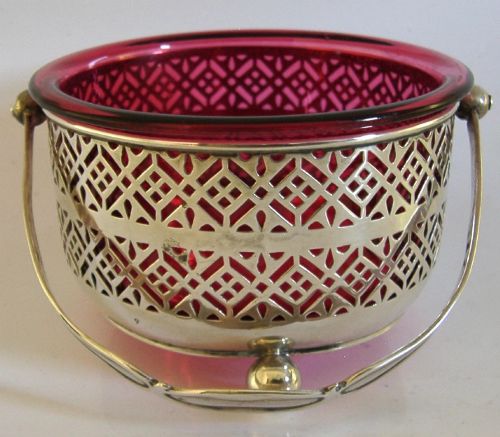
Listings feature sterling silver, silver plate, gilt bronze, brass, crystal, and cranberry glass across Victorian, Edwardian, and Art Nouveau styles.
Distinctions in Execution
The distinction between standard commercial output and superior craftsmanship rests on the depth and precision of the manual work. Hand-hammered surfaces, crisp cast relief decoration on gilt bronze, and detailed chasing on silver indicate a higher standard of manufacture than simple stamped components.
Material thickness and purity separate utilitarian production from exhibition pieces, evident in heavy gauge sterling silver, substantial crystal lead content, and robust silver plating over copper or nickel silver bases. Well-preserved original glass liners and matching components maintain the integrity of the design.
Design cohesion and finishing determine the overall success of the object, seen in how seamlessly metal mounts accommodate glass inserts or how securely candelabra branches lock into their central stems. Maker attribution to known firms adds clarity to the provenance and execution standard.
Tom Mackie·Pierre Philippe Thomire·Garrard And Co·George W Scott And Sons Ltd·Tiffany And Co
The Antique Table Centerpiece Glossary
- Candelabra
- A branched candlestick holder designed to support multiple tapers or candles. These fixtures often feature removable branches to allow use as simple candlesticks.
- Epergne
- An elaborate table centrepiece featuring a central bowl or dish surrounded by multiple arms holding hanging baskets or trumpet vases. They were traditionally used for serving fruit or displaying cut flowers.
- Planished
- A metalworking technique involving repeated blows from a polished hammer to create a textured, light-reflecting surface. This finish is characteristic of arts and crafts silver bowls.
- Sheffield Plate
- An early composite material made by fusing a thin sheet of sterling silver to a thicker copper base. It is identified by subtle traces of copper showing along exposed edges and seams.
- Cranberry Glass
- A rich red-pink transparent glass created by adding gold chloride to the molten batch. It gained popularity during the Victorian era for decorative bowls and liners.
Antique Table Centerpiece: Frequently Asked Questions
What is an antique table centerpiece used for?
These large decorative objects served as the visual focal point of formal dining tables during the nineteenth and early twentieth centuries. They held seasonal fruit, sweetmeats, or floral arrangements to entertain guests.
Over time, their roles shifted from practical dining accessories to standalone decorative ornaments displayed on sideboards and tables.
How do you clean silver plated centrepieces?
Cleaning requires warm water, mild soap, and a soft cloth to remove dust and tarnish without abrading the thin silver layer. Strong chemical dips should be avoided on plated items to prevent stripping the finish.
Glass liners and bowls can be washed separately in warm soapy water and dried thoroughly before reassembly.
How can you tell a Victorian piece from an Edwardian one?
Victorian designs often favour ornate neoclassical, rococo revival, or heavy floral motifs with substantial relief work and dark patination. They reflect a period of industrial expansion and diverse stylistic revivals.
Edwardian pieces tend to display lighter, more restrained forms with clean lines, drawing inspiration from earlier eighteenth-century styles or early art nouveau movements.
Can antique epergnes still hold water for flowers?
Many antique epergnes retain their original blown glass trumpets and bowls, which remain waterproof and functional for floral displays. Careful inspection is necessary to check for hairline cracks before filling them.
Non-waterproof liners or metal baskets require small hidden glass or plastic inserts if utilised for fresh flower arrangements today.