

Antique Table Candelabra Pair
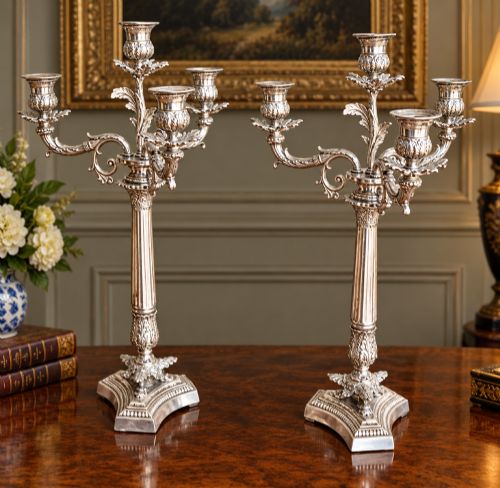
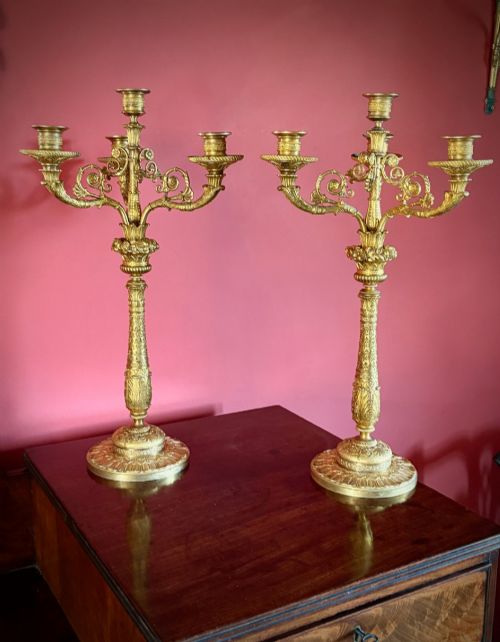
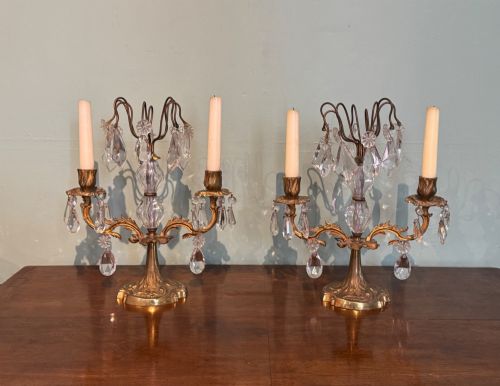
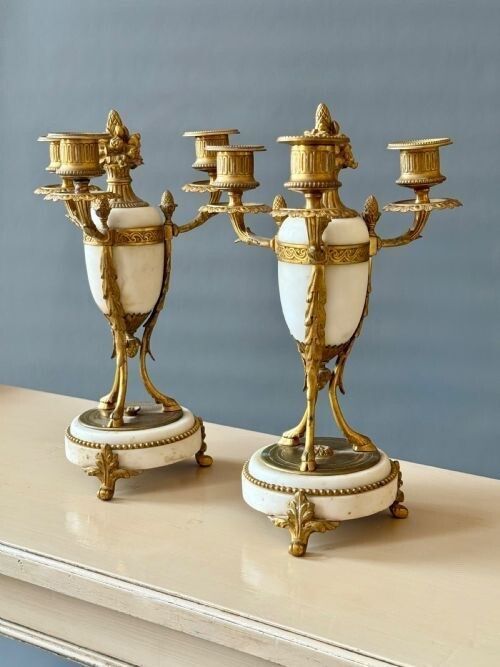
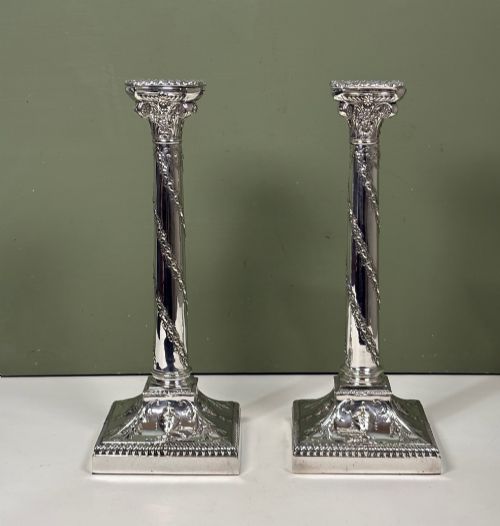
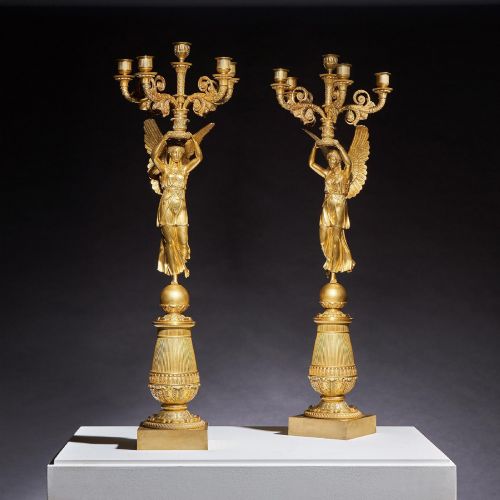
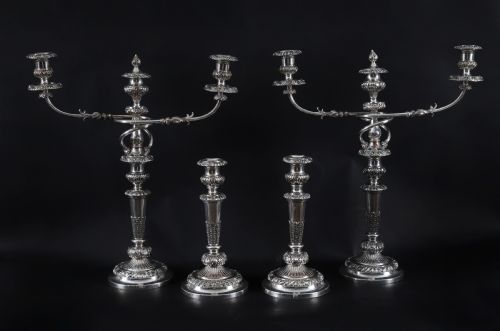
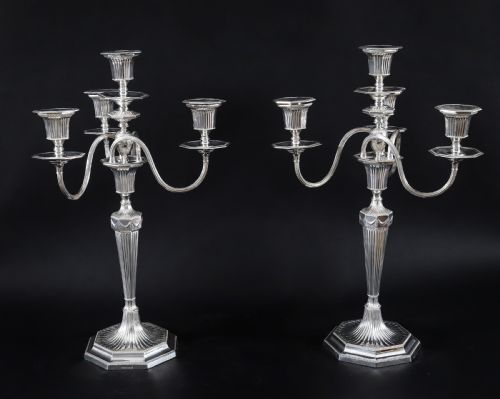
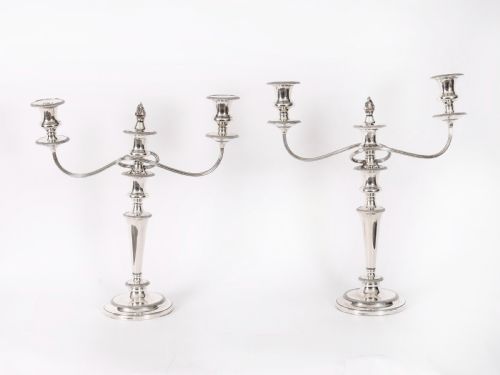
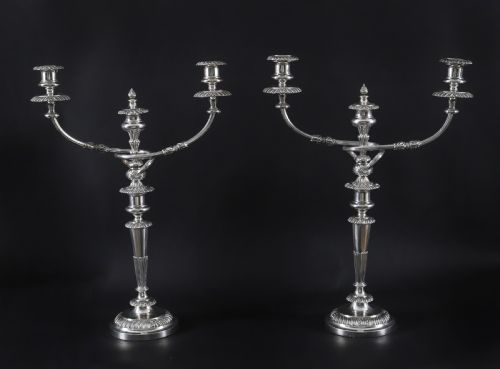
These antique table candelabra pair items bring formal illumination to a dining table or sideboard through multi-branch lighting.
Antique Table Candelabra Pair
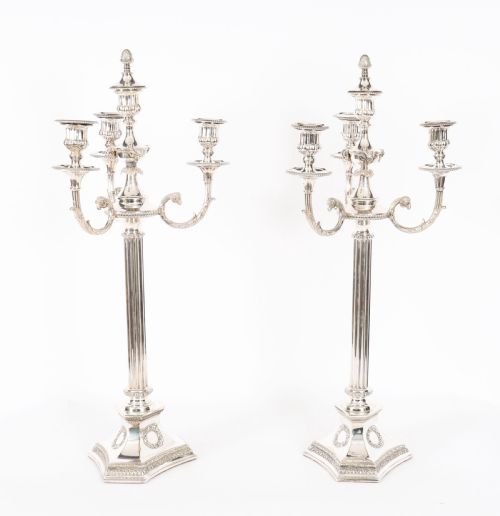
An antique table candelabra pair comprises matched multi-light branches designed to stand upon dining tables or sideboards. These fixtures derive from periods spanning the eighteenth, nineteenth, and early twentieth centuries, encompassing Victorian, Regency, and Georgian eras.
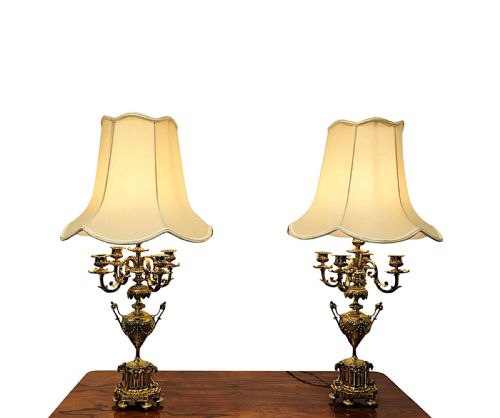
Most examples found here appear in silver plate, brass, or ormolu, alongside French styles such as Empire and Rococo Revival. Buyers also encounter convertible forms that now function as table lamps alongside standard candle-bearing pairs.
How They Were Made
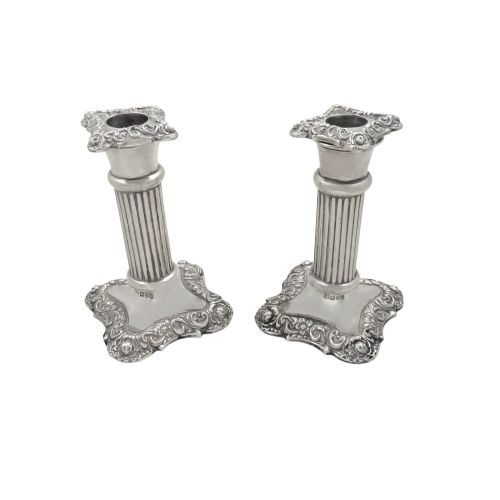
Metalwork forms the core of these pieces, utilising cast bronze, brass, and silver plate over base metals. Makers applied mercury gilding to produce ormolu finishes, while others utilised Sheffield plate techniques to fuse silver onto copper bases.
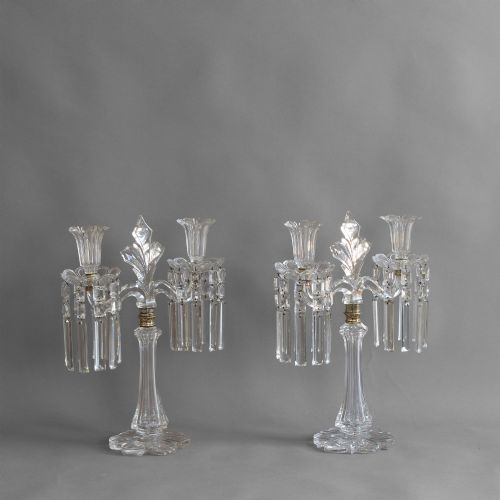
Decorative elements incorporate champlevé enamel, cut glass, porcelain, and white marble components fitted into the metal structures. Individual arms and nozzles screw or socket together to form multi-light arrangements.
Listings feature eighteenth-century George III pieces up to early twentieth-century Edwardian and Jugendstil designs.
What Varies in Quality
The crispness of the cast ornamentation dictates the standard of execution, separating sharp chased details from soft, rounded mouldings. Workshops employing named designers or documented makers achieve superior levels of chiselling and assembly.
Substantial weight indicates heavy bronze or solid silver construction rather than thin plated brass shells. Original gilding and intact surface patination separate untouched specimens from heavily polished or re-plated alternatives.
Pierre Philippe Thomire·Hawksworth Eyre·Garrard and Co·Matthew Boulton·Rabiat·Wm Tonks and Sons
The Antique Table Candelabra Pair Glossary
- Ormolu
- Gilt bronze produced by applying a mercury and gold amalgam to a bronze object before firing. This technique creates a rich golden surface found frequently on French decorative metalwork.
- Old Sheffield Plate
- A fused composite material made by melting a sheet of silver onto a thicker copper ingot. This method predates modern electroplating and leaves a characteristic edge where copper shows through.
- Champlevé
- An enamelling technique where troughs or cells are hollowed out of a metal surface and filled with vitreous paste. The piece is then fired and polished flat.
- Lustre
- A candelabra or candlestick hung with cut glass prisms or pendants designed to refract candlelight. These crystal drops catch and multiply the illumination in a room.
Antique Table Candelabra Pair: Frequently Asked Questions
What is an antique table candelabra pair?
An antique table candelabra pair consists of two matched decorative lighting fixtures featuring multiple arms for holding candles.
These pieces were traditionally placed on dining tables or sideboards to provide ambient illumination during evening meals.
How do you clean silver plated candelabra?
Cleaning silver plated candelabra requires a soft cloth and a gentle silver polish formulated to protect thin metal layers.
Avoid harsh scrubbing that can wear through the plating to reveal the underlying base metal.
Can converted candelabra be restored to candles?
Many converted candelabra retain their original sockets and branch structures beneath the electrical wiring components.
A qualified restorer can often remove the lamp fittings and rewire or restore the piece back to holding standard taper candles.
How do I identify French Empire candelabra?
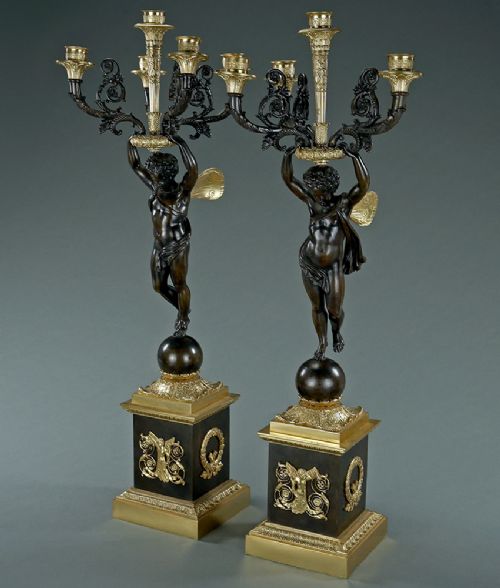
French Empire candelabra typically display classical motifs such as military trophies, sphinxes, winged figures, and anthemion patterns.
They frequently combine dark patinated bronze with bright ormolu highlights to create strong tonal contrast.