
Antique Sword Stick Cane
An antique sword stick cane combines the everyday utility of a walking cane with a concealed steel blade, originating primarily from the Victorian and Edwardian eras for gentlemanly protection and style.
Antique Sword Stick Cane
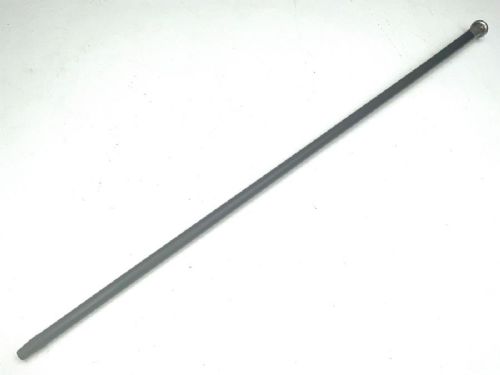
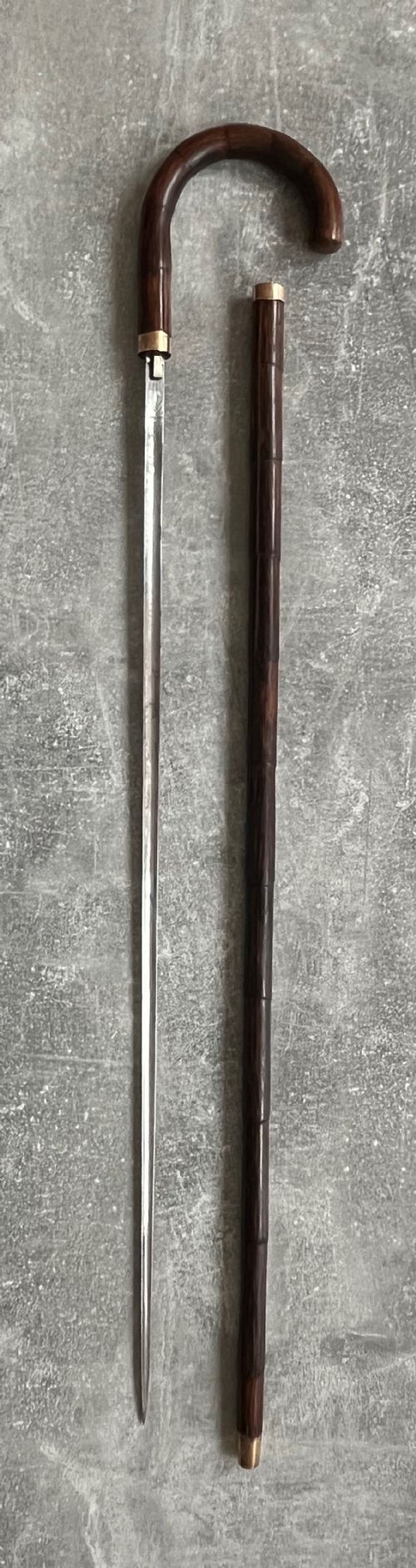
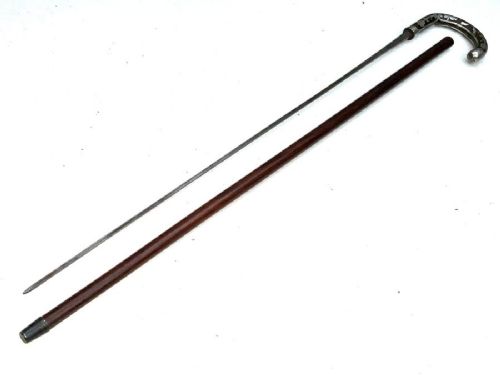
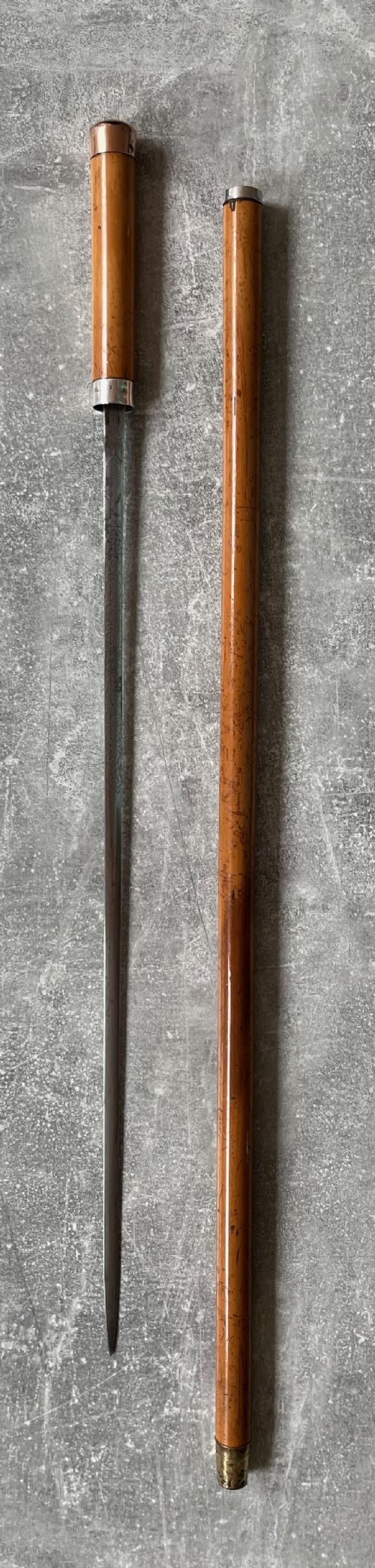
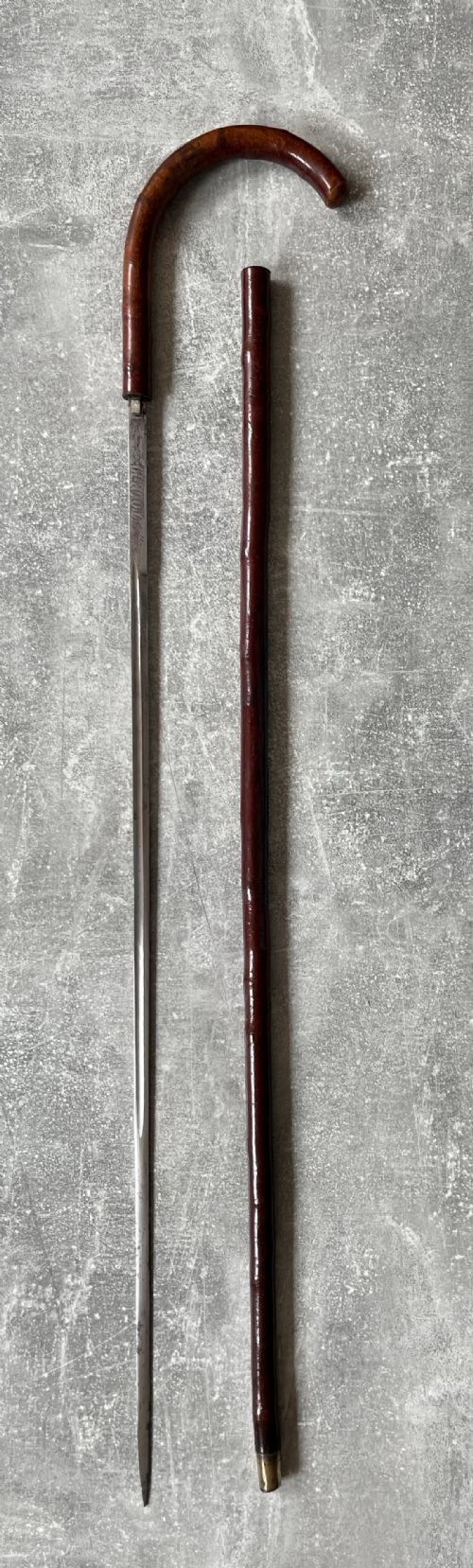
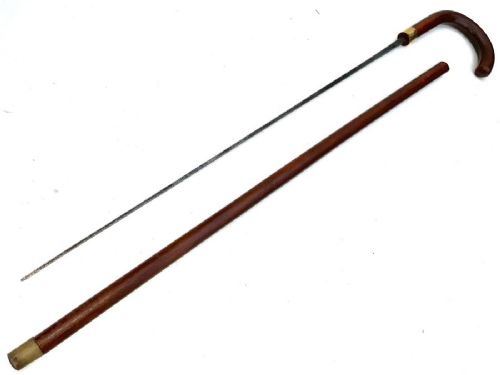
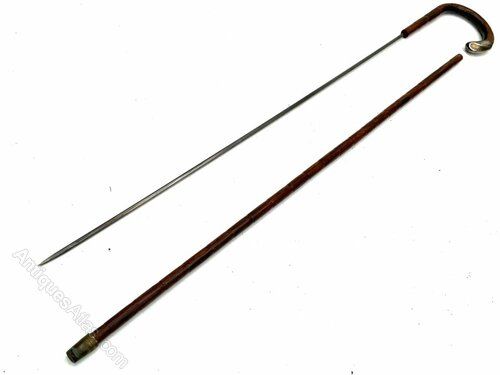
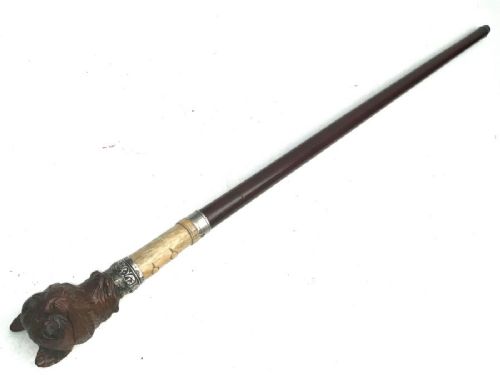
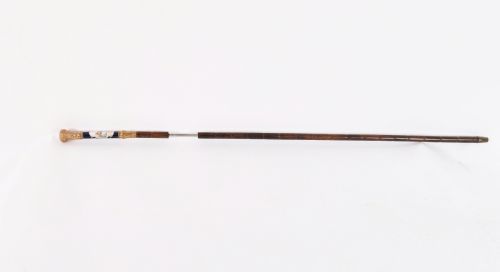
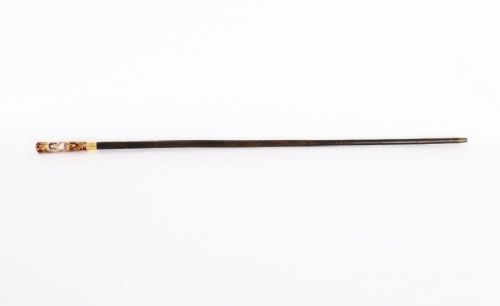
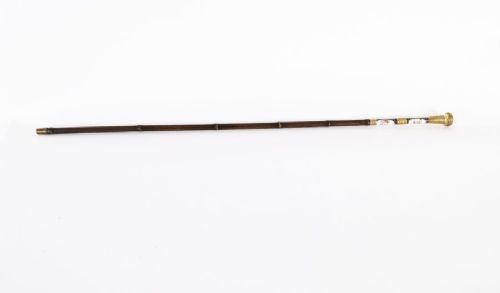
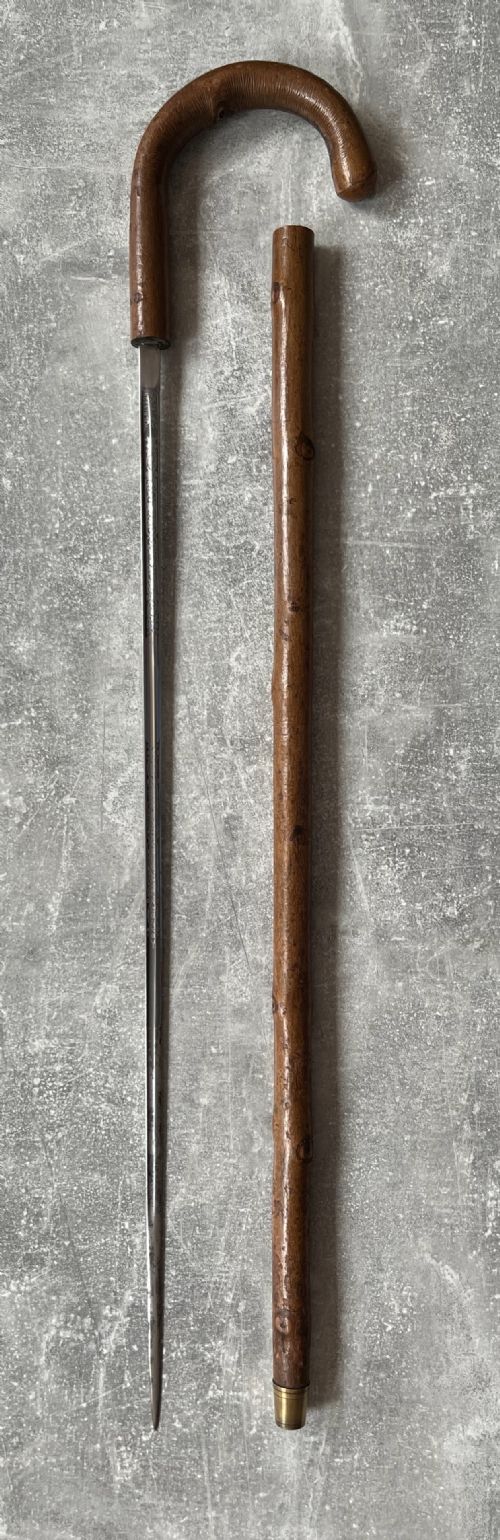
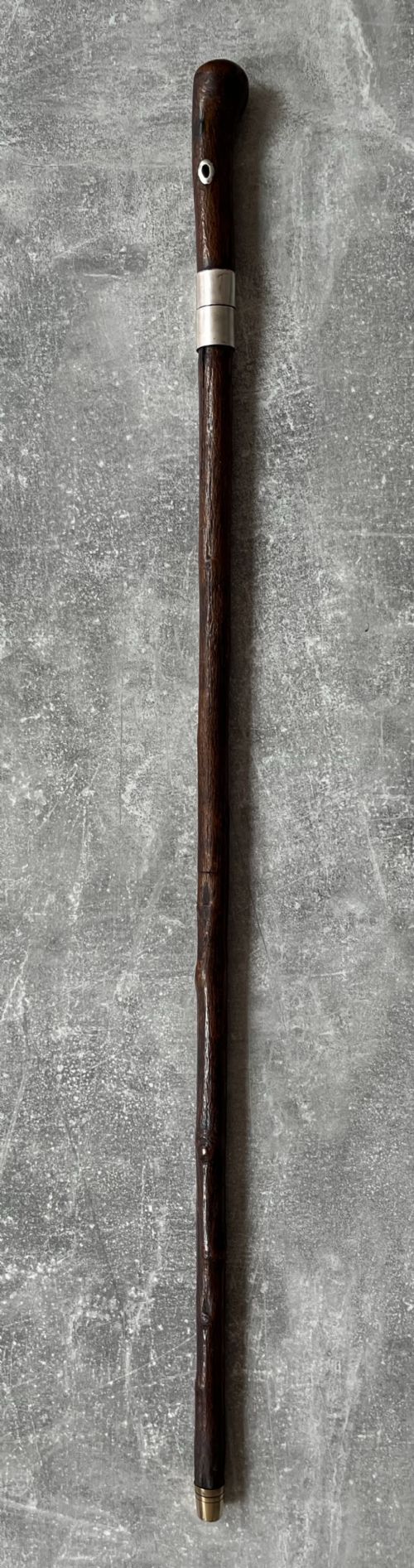
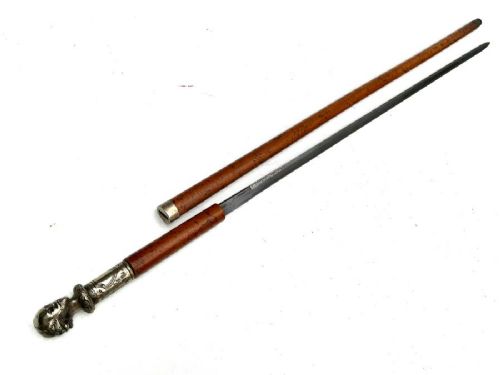
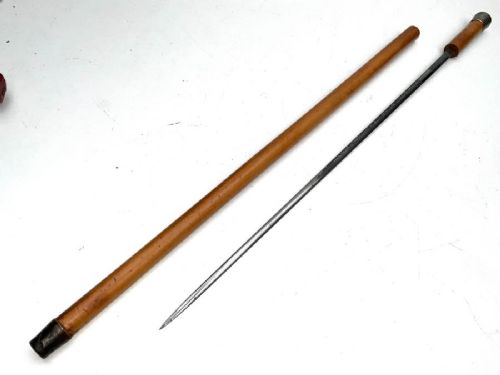
An antique sword stick cane is a dual-purpose accessory that houses a hidden blade inside a hollow wooden or metal shaft, designed to resemble a standard walking stick. The pieces seen here span the late nineteenth and early twentieth centuries, encompassing Victorian, Edwardian, and nineteenth-century French and German periods.
The assortment includes traditional gentleman's walking sticks alongside specific regional and military variants, such as Irish blackthorn sticks, swagger sticks, and Masonic editions. Shafts utilise diverse timbers like malacca, partridge wood, cherrywood, hazel, bamboo, and ebonised wood, often fitted with horns, porcelain handles, or precious metal collars.
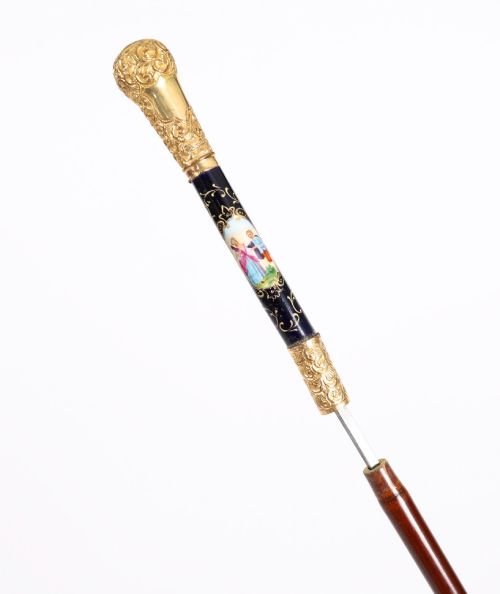
Blades vary from etched Toledo steel to specialised military examples, reflecting the functional and status-driven demands of their original owners. Collectors will encounter pieces bearing silver mounts, gold plate, and Sevres porcelain alongside utilitarian officers' models.
How they were made
Makers constructed the outer shafts from flexible or dense woods such as malacca, bamboo, and partridge wood, carefully hollowed out to securely house the steel blade without compromising the walking integrity of the stick. Natural materials like horn, hazel, and blackthorn were selected for durability and distinctive tactile grips.
Blades were forged from steel, frequently utilising renowned Toledo techniques or specialised military specifications, then paired with mechanical button releases or friction fits for swift deployment. Mounts and collars incorporating silver, gold plate, brass, and ormolu were applied to reinforce the handles and add decorative distinction.
Several Victorian gentlemen clearly preferred concealing their blades beneath delicate Sevres porcelain or carved horses' heads rather than standard wooden knobs.
What varies in quality
Quality in an antique sword stick cane rests upon the precision of the join between the handle and the shaft, where superior craftsmanship ensures the seam remains virtually invisible during use. The integrity of the internal locking mechanism or button release dictates how smoothly the steel blade deploys and secures.
Materials and artistic embellishments further separate standard pieces from high-end examples, visible in the use of hallmarked silver mounts, hand-carved horn grips, or imported Sevres porcelain. The refinement of the steel blade itself, particularly when bearing Toledo etchings or maker signatures like Wilkinson, elevates the overall standing of the piece.
Brigg·Wilkinson
The Antique Sword Stick Cane Glossary
- Toledo blade
- A steel blade produced in Toledo, Spain, known historically for exceptional metalworking quality and flexibility.
- Swagger stick
- A short, light stick carried by military officers, sometimes concealing a slender blade.
- Malacca
- A sturdy, polished rattan cane featuring distinctive scale patterns, widely utilised for luxury walking sticks.
- Blackthorn
- A dense, tough wood traditionally sourced from Ireland, featuring natural thorn knots along the shaft.
- Ormolu
- Gilt bronze applied as a decorative mount or collar on nineteenth-century walking sticks.
Antique Sword Stick Cane: Frequently Asked Questions
How do you release the hidden blade?
Many sword sticks utilise a mechanical button release integrated into the collar or handle, allowing the blade to slide smoothly from the wooden shaft.
Other examples rely on a secure friction fit, requiring a firm pull to separate the handle and reveal the steel interior.
What woods were used for the shafts?
Makers utilised a variety of dense and flexible timbers, most notably malacca, bamboo, partridge wood, hazel, cherrywood, and ebonised wood.
Regional varieties also incorporated traditional Irish blackthorn, chosen for its strength and distinctive knotted appearance.
How do you date an antique sword stick?
Dating relies on stylistic clues, historical periods such as the Victorian or Edwardian eras, and metal hallmarks found on silver or gold collars.
Materials like Sevres porcelain and specific military associations, including Imperial German or British regiments, also help anchor pieces to precise decades.