
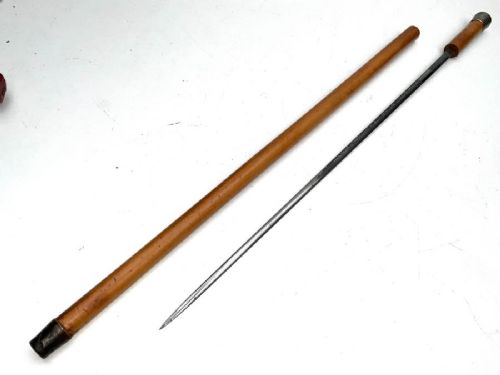


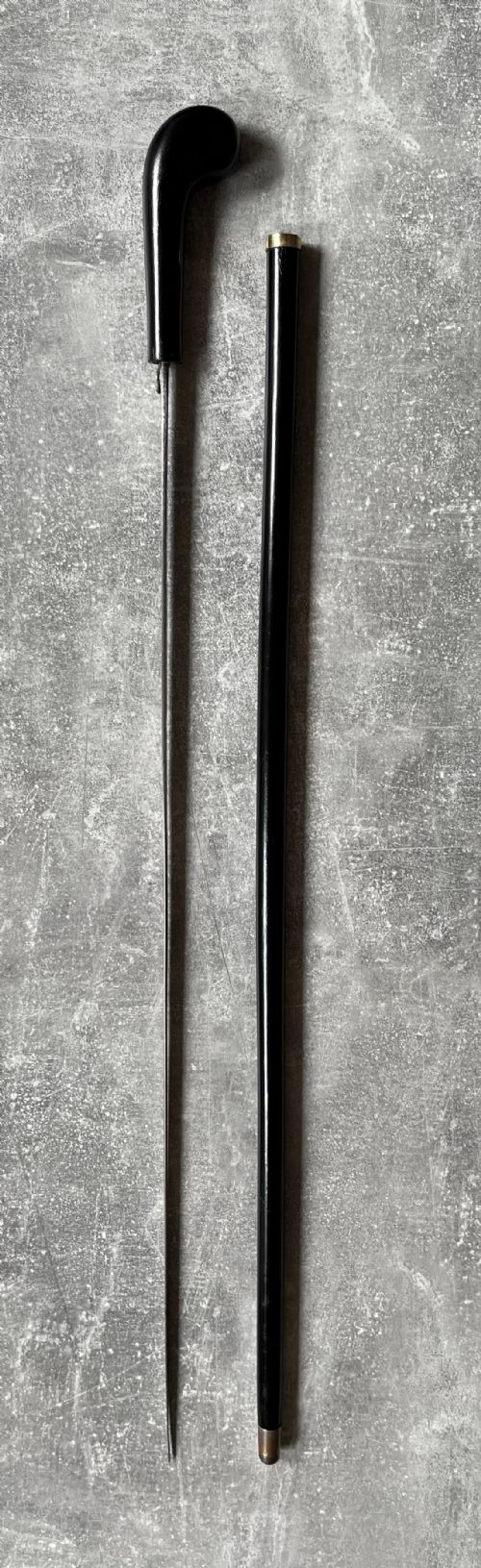


Vintage Defense Walking Stick
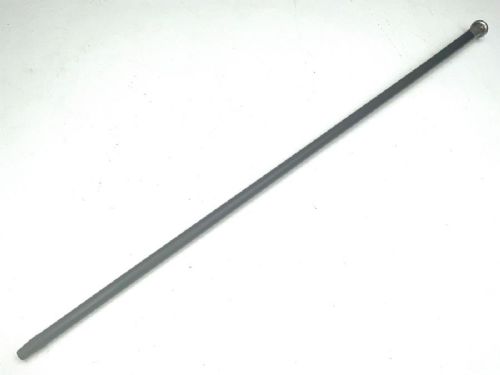
A vintage defence walking stick offers discreet personal protection disguised as gentlemanly kit.
Vintage Defense Walking Stick
A vintage defence walking stick combines daily support with a concealed blade or club form, emerging from the Victorian and Edwardian eras. Gentlemen carried these items for protection during city walks or rural travels.
Most examples found here date from the late nineteenth century through to the early decades of the twentieth century. Common materials include partridge wood, malacca, ebonised wood, and blackthorn.
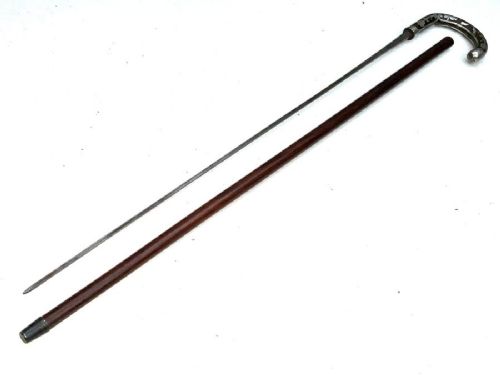
Variations span simple crook handles to silver horse head mounts, bone knops, and hammer head grips. Blades range from standard steel to signed Toledo and Wilkinson examples.
Materials and Construction
Craftsmen utilised natural timbers such as chestnut, rosewood, and bamboo alongside durable horn, antler, and bone for handles. Metal components involved solid silver collars, brass mounts, and tempered steel blades.
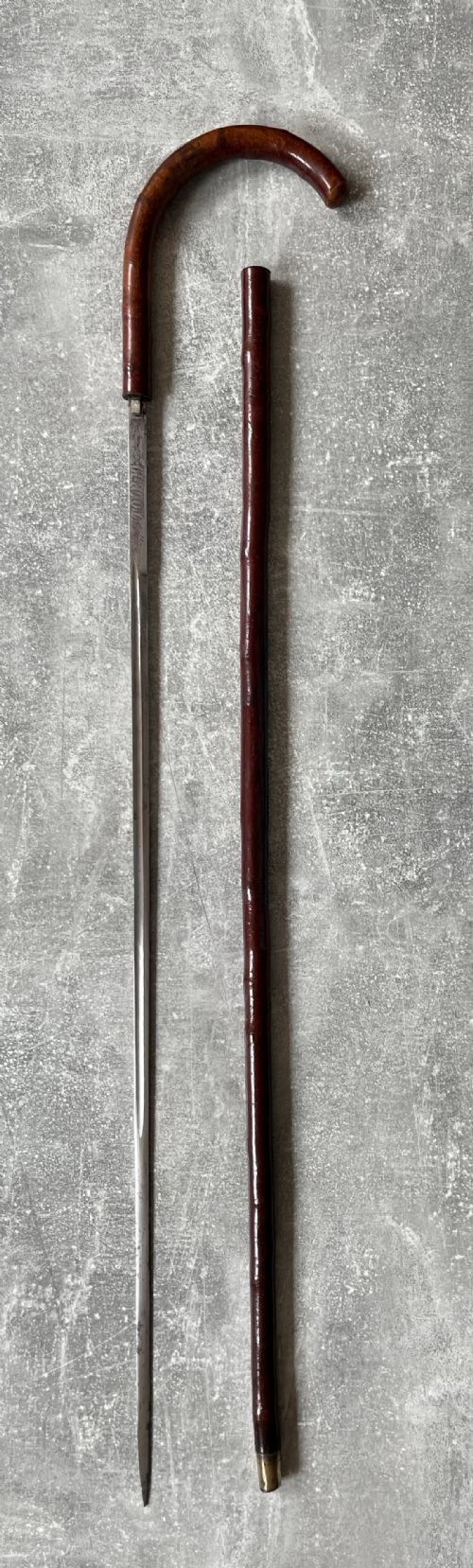
Woods were selected for straightness and strength, then turned, polished, or ebonised to resemble standard gentleman's canes. Concealed mechanisms relied on precision fittings to secure the blade within the wooden shaft.
Listings span the Victorian and Edwardian eras, incorporating steel, silver, horn, and various natural woods.
Assessing Quality
Superior quality rests in the maker's mark on the blade, such as Wilkinson or Toledo steel, and the solidity of the timber shaft. Finer pieces feature hallmarked silver mounts and carved horn or bone handles.
Simpler versions use plain wood with basic metal collars, whilst better examples display tight grain matching, secure locking mechanisms, and robust joinery between the handle and the hidden blade.
Brigg·Wilkinson
The Vintage Defense Walking Stick Glossary
- Toledo blade
- A steel blade originating from the Spanish city renowned for swordsmithing. These blades are often etched and highly valued for flexibility.
- Malacca
- A type of rattan cane featuring characteristic joints and a mottled brown surface. It was favoured for its strength and resilience.
- Blackthorn
- A dense wood harvested from the sloe bush, featuring gnarled knot formations. It is traditionally associated with Irish walking sticks.
- Ebonised wood
- Timber treated to imitate ebony, giving a deep black finish. This technique was common in Victorian walking canes.
- Knop
- A rounded knob or handle at the top of the stick. Materials range from carved bone to polished horn.
Vintage Defense Walking Stick: Frequently Asked Questions
What is a defence walking stick?
A defence walking stick is a cane fitted with a concealed steel blade or reinforced shaft designed for personal security. Gentlemen carried them during the Victorian and Edwardian periods.
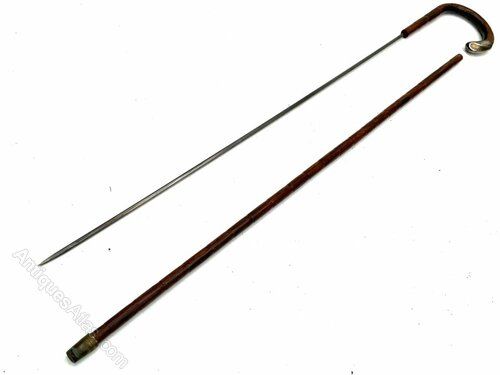
They appear as standard walking canes during casual inspection, concealing their dual purpose until the handle is separated from the wooden body.
How do you reveal the blade?
Most examples release the blade by unscrewing the handle or operating a small release catch near the collar. The metal shaft slides smoothly out of the wooden outer housing.
Care is required when handling older mechanisms to ensure the locking fit remains undamaged.
What woods were commonly used?
Makers utilised sturdy timbers including malacca, partridge wood, chestnut, and ebonised wood. Irish blackthorn and bamboo also appear frequently across the period listings.
Selection depended on the desired weight, flexibility, and appearance of the finished cane.
How do I date these pieces?
Dating relies on style markers, silver hallmarks, and material choices spanning the Victorian era through the 1930s. Edwardian examples often display refined silver mounts and slender proportions.
Comparing handle designs and blade inscriptions helps narrow the manufacturing decade.