


Antique Swiss Wood Statue
An antique swiss wood statue brings the rustic spirit of the Alps into a room through masterful hand-carving.
Antique Swiss Wood Statue
When you search for an antique swiss wood statue, you encounter deeply expressive carvings depicting alpine animals, human figures, and folk art subjects. These pieces originate predominantly from the nineteenth century and the early decades of the twentieth century, reflecting the rich woodworking heritage of the region.
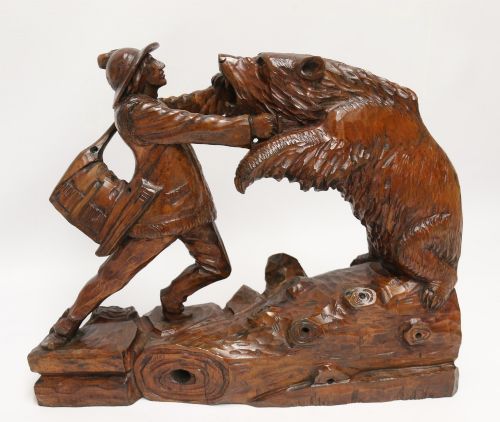
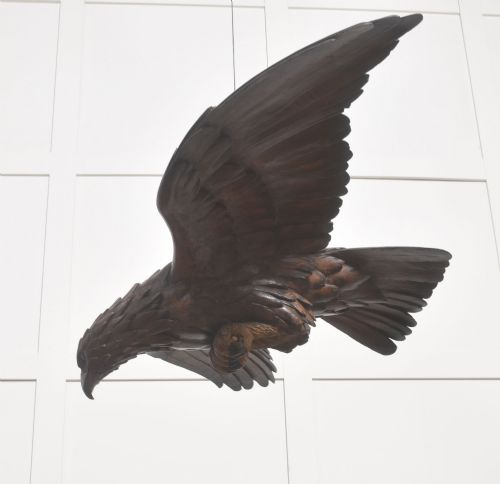
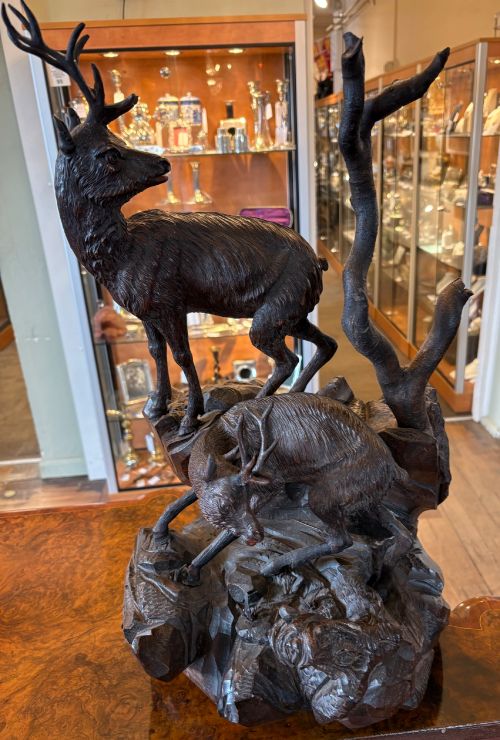
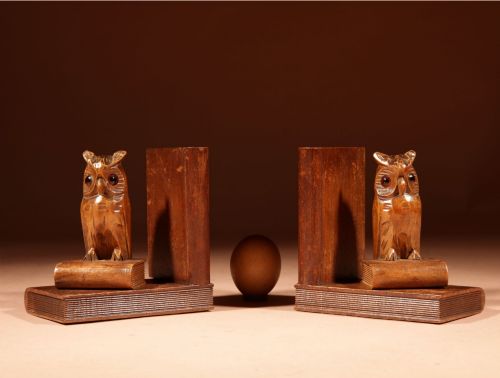
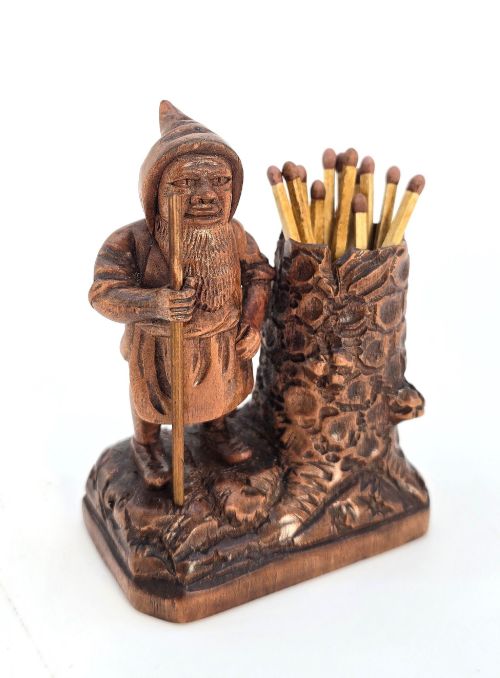
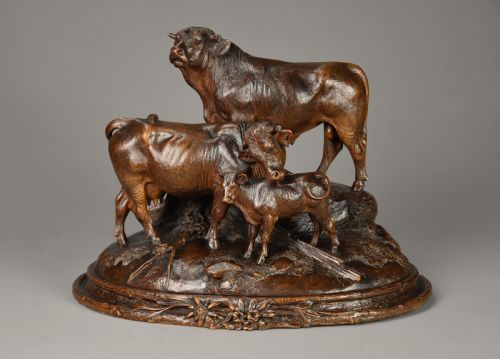
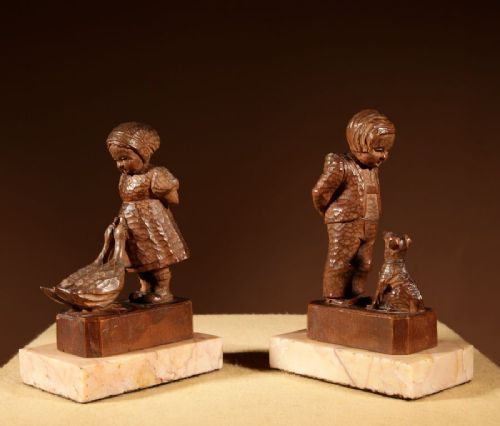
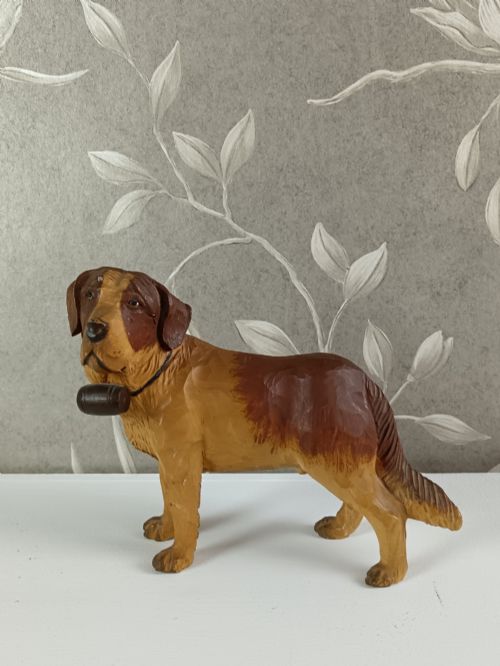
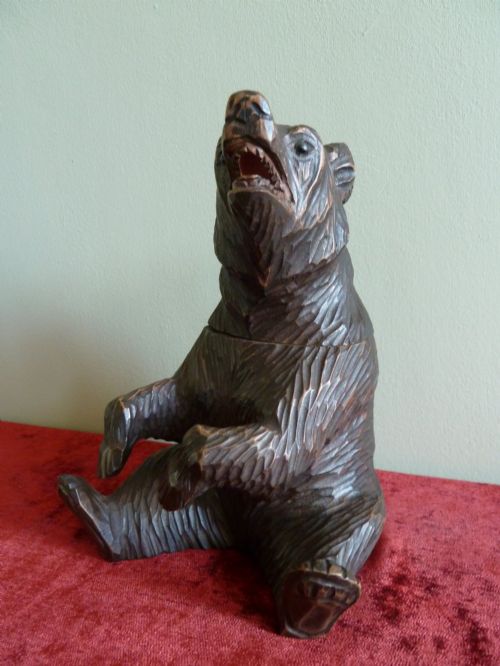
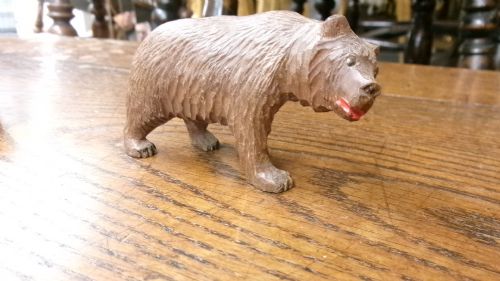
The most common examples on this page take the form of bears, deer, cattle, and birds, alongside narrative figure groups and practical items such as bookends and match holders. Sculptures range from miniature figures to large studies, often grouped in pairs or dynamic compositions.
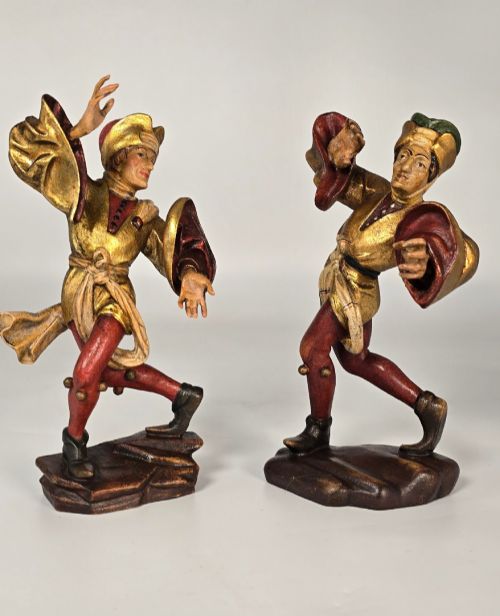
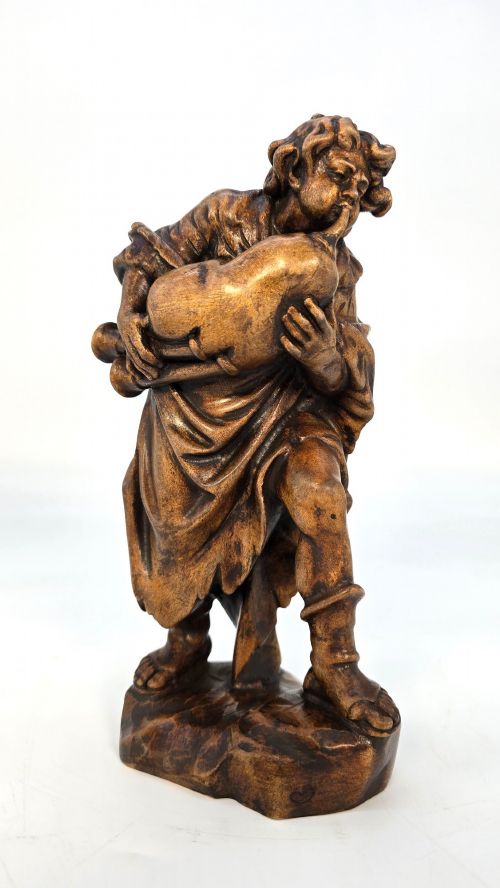
Carvings span several related stylistic traditions including Black Forest, Alpine folk art, and Swiss folk art. Each piece demonstrates a strong connection to regional narratives, portraying figures like William Tell, medieval musicians, and saints alongside native wildlife.
Materials and Technique
Carvers predominantly utilised linden wood, lime wood, walnut, and general carved wood to shape these sculptures. These timbers allowed artisans to execute intricate details such as fur texture, facial expressions, and complex antlers.
Makers occasionally applied a dark stain to the wood to enhance depth and contrast within the grain. Selected pieces also incorporate secondary materials like glass, particularly for the eyes of animal studies.
The execution relies entirely on hand-carved techniques, sometimes bearing signatures, dates, stamps, or specific maker marks from workshops.
Listings feature woods such as walnut, linden wood, and lime wood, alongside glass and dark stain.
Evaluating Quality
Quality rests upon the naturalism of the carving and the depth of expression achieved in the subject. Master carvers captured musculature, tension, and texture with precision, whereas lesser pieces remain stiff and formulaic.
Anatomy and proportion dictate the merit of animal and human figures alike. The finest examples display careful attention to anatomical detail, such as the distinct posture of an ibex or the gentle turn of a fawn's head.
J HUGGLER
The Antique Swiss Wood Statue Glossary
- Black Forest
- A regional style of wood carving originating in the forested mountain areas, known for realistic animal studies and figures. Pieces often depict bears, deer, and dogs with deep textural carving.
- Limewood
- A pale, fine-grained timber favoured by carvers for its softness and lack of pronounced grain. It permits exceptionally crisp detail without splintering.
- Folk art
- Utilitarian or decorative objects created within a traditional community vernacular rather than high academic sculpture. This category embraces charming irregularities and regional character.
- Match holder
- A small desk or tabletop container designed to hold matches, frequently integrated into figural carvings of gnomes or animals. These combine practical utility with decorative whimsy.
- Figure group
- A composition featuring multiple carved figures interacting within a single scene, such as cattle herds or dancing medieval pairs. These require advanced skill in spatial arrangement.
Antique Swiss Wood Statue: Frequently Asked Questions
What animals are carved most often?
Bears, cattle, deer, ibex, chamois, and birds appear frequently across the collection.
These subjects reflect the native fauna of the alpine regions where the carvers lived.
Were these pieces purely decorative?
Many sculptures served a dual purpose as practical household objects.
Examples include bookends, tobacco jars, match holders, and lamp bases combined with figural carving.
How do I date an antique carving?
Dating relies on stylistic markers, materials, and occasional stamps or signatures left by the carver.
Most pieces span the nineteenth and early twentieth centuries.
What is the difference between styles?
Black Forest carvings tend toward naturalistic representations of wildlife, while folk art leans into traditional regional narratives and decorative characters.
Both traditions share similar woodworking methods.