





Antique Swept Frame
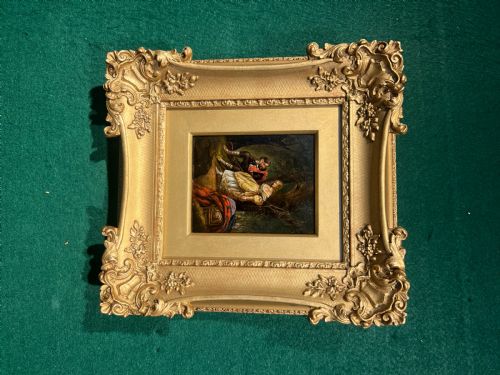
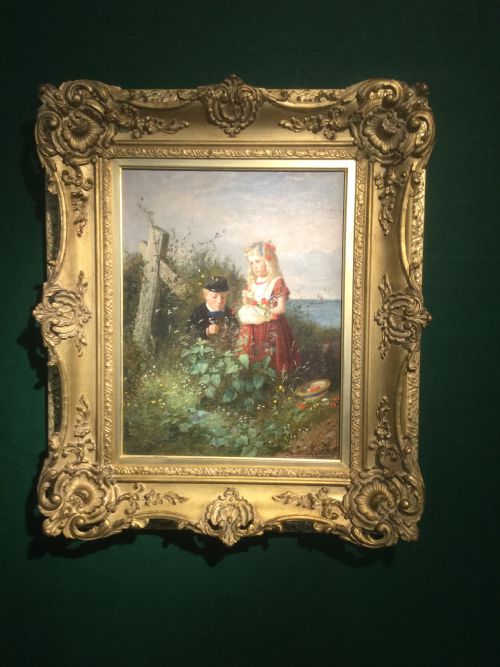
An antique swept frame brings distinct curves and ornate mouldings to canvases and mirrors.
Antique Swept Frame
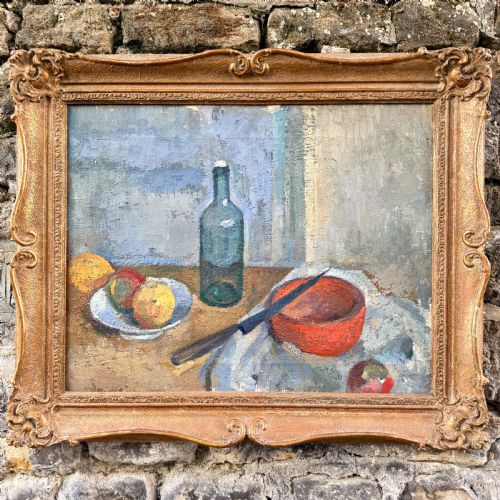
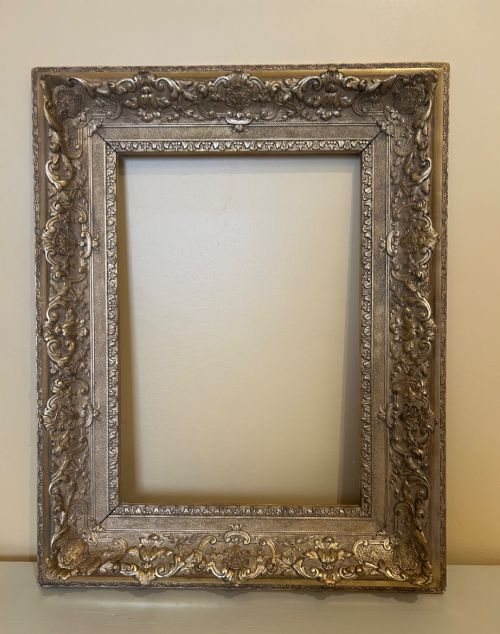
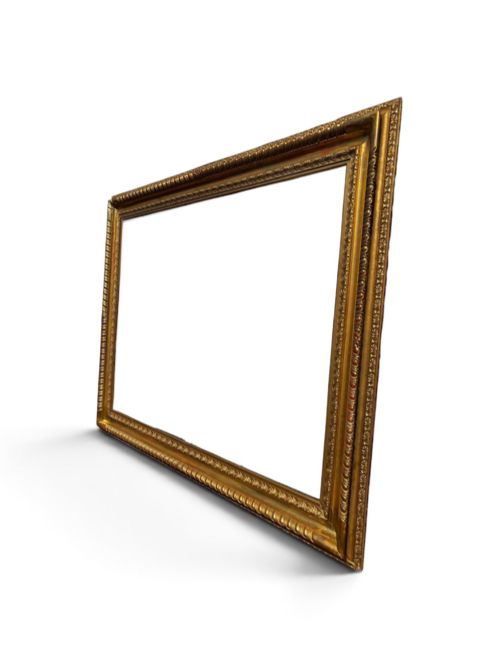
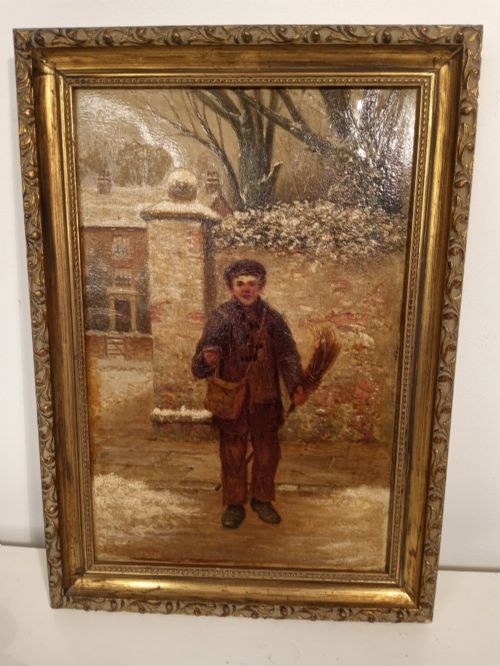
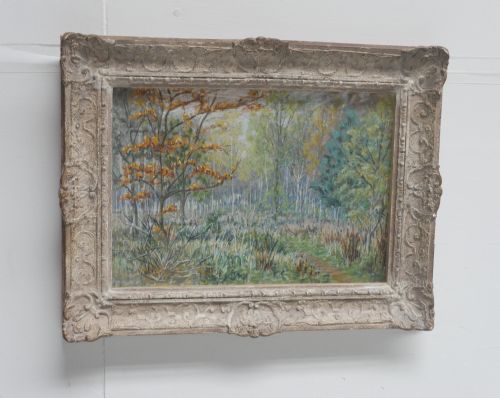
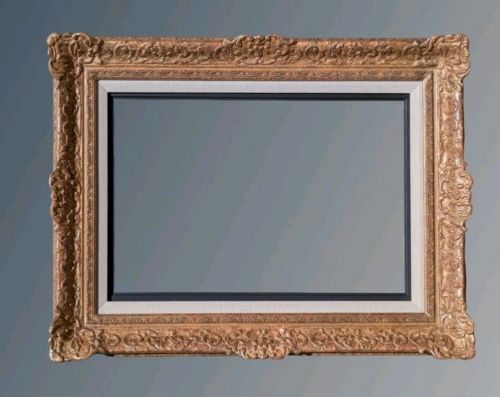
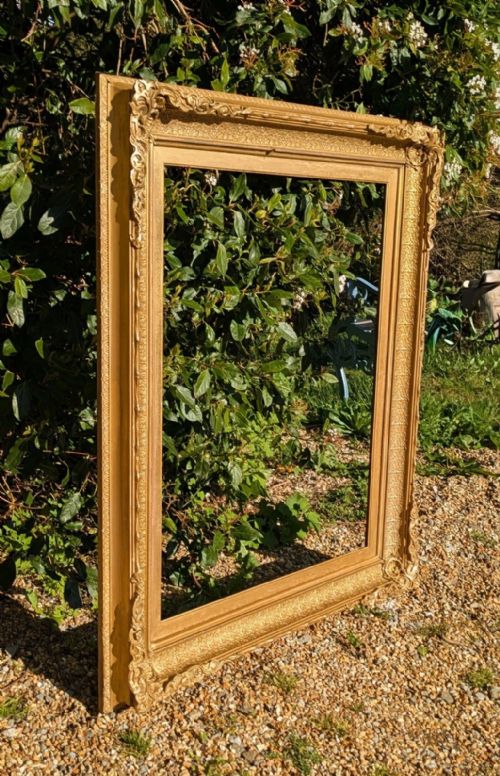
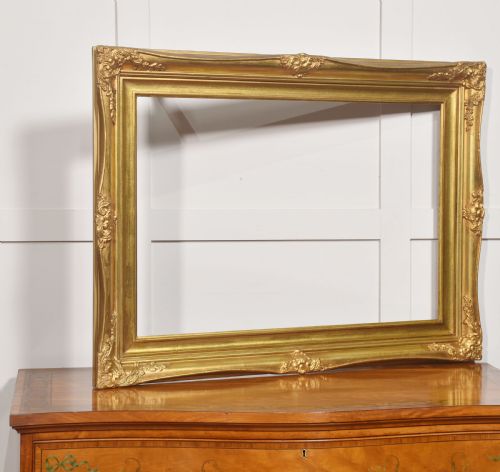
An antique swept frame is a decorative wooden border designed to house oil paintings, portraits, and wall mirrors. These pieces often feature undulating, scrollwork profiles that draw the eye inward toward the artwork.
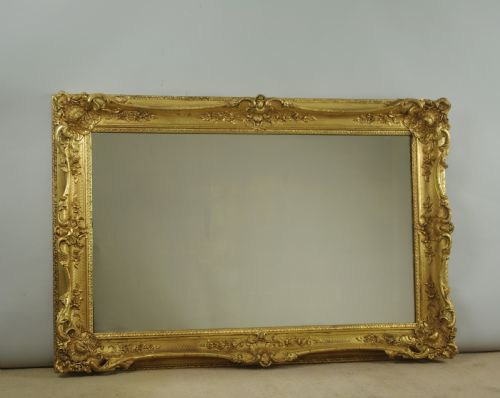
Buyers browsing this selection will frequently encounter Victorian and Edwardian examples alongside 19th-century variants. Many of these surrounds still house period oil paintings or function independently as decorative overmantle mirrors.
Construction and materials
Craftsmen built the core structure from solid wood before applying layers of gesso to build up intricate surface details. Artisans then sculpted and carved the plaster-like gesso to achieve the characteristic flowing curves and asymmetric flourishes.
The decorative surfaces were finished with gold leaf or giltwood applications to create a reflective, metallic sheen. Painters and gilders worked by hand to ensure the complex recesses caught ambient light from multiple angles.
Listings feature periods spanning from the 17th century through to the mid-20th century, with a strong concentration of 19th-century Victorian examples.
Factors that distinguish quality
Depth of moulding and crispness of carved detail separate superior examples from simpler productions. The best specimens retain sharp definition in their scrolling foliage without heavy plaster build-up obscuring the underlying form.
The integrity of the original gilding and gesso layer significantly impacts the character of the piece. Surviving surfaces that display minimal intervention preserve the authentic hand-finished texture intended by the maker.
Charles Hunt·Claude Cardon·Arthur Herbert Rigg·Robert Eadie·Percival Glenfern·J Barclay·SIR HERBERT HUGHES-STANTON·William Miller Frazer·Emily Selinger·William sidney cooper·Harold Edward Conway·Ludwig Hermann·George Parson-Norman·George Stubbs·Michael Scott
The Antique Swept Frame Glossary
- Swept frame
- A picture frame characterised by its undulating, curving profile and deeply moulded corners. This style became particularly popular during the Victorian period for framing important oil paintings.
- Gesso
- A plaster-like mixture applied to wood frames to create a smooth base for gilding and carving. Artisans moulded this compound to form intricate decorative relief patterns.
- Giltwood
- Timber that has been coated with a thin layer of gold leaf or metallic paint. This material provides a bright, durable finish that mimics solid gold.
- Rococo Revival
- A 19th-century design movement that emulated the ornate, asymmetrical curves of 18th-century French art. Frames from this aesthetic feature prominent C-scrolls and naturalistic floral motifs.
- Overmantle mirror
- A large wall mirror designed to hang directly above a fireplace mantel. These pieces frequently utilise deep swept frames to anchor large domestic reception rooms.
Antique Swept Frame: Frequently Asked Questions
What is a swept frame?
A swept frame is an ornate wooden picture border featuring deep, curving mouldings and scrollwork corners. These pieces were built to accentuate traditional oil paintings and large decorative mirrors.
The distinct profile uses flowing lines rather than straight edges, creating a dramatic visual transition between the wall and the artwork it encloses.
How do I date an antique frame?
Dating relies on examining the construction timber, the composition of the gesso, and the style of the carved ornamentation. Victorian and 19th-century examples often display heavier plaster relief work compared to later Edwardian pieces.
Looking at the backboards, fixings, and joinery methods also helps establish the approximate decade of manufacture.
Can these frames hold modern mirrors?
Many antique swept frames are robust enough to house modern mirror glass safely when fitted by a professional framer. The deep rebate behind the moulding accommodates custom glass thicknesses.
Ensuring the hanging hardware is securely attached to the wooden structure is essential for supporting heavy glass safely on a wall.
How should I clean giltwood frames?
Cleaning requires a soft, dry brush to gently remove dust from the intricate recesses of the gesso moulding. Moisture and chemical solvents must be avoided to prevent damage to the delicate gold leaf layer.
Routine dusting preserves the original surface finish without wearing away the historical patination accumulated over the decades.