
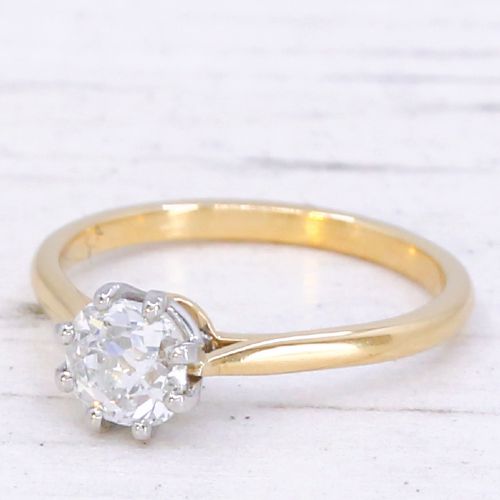
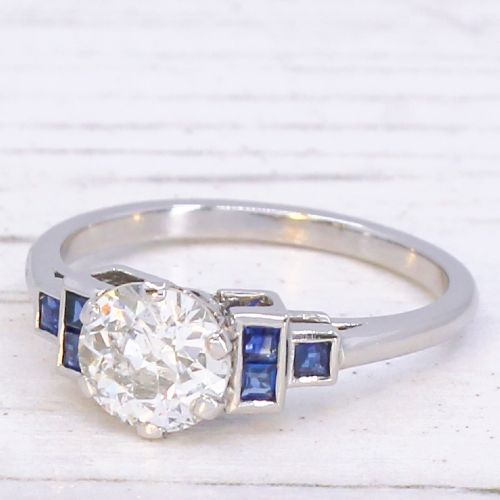


Antique Style Solitaire
Antique style solitaire rings bring together enduring gemstone designs and the distinct character of past decades.
Antique Style Solitaire
When searching for antique style solitaire items, buyers encounter a focused selection of rings, earrings, necklaces and pendants spanning the nineteenth century through to the mid-twentieth century. The selection includes traditional engagement rings alongside vintage dress pieces.
Most pieces date from specific periods including the Edwardian era, the 1920s, 1930s, 1940s Retro period and mid-century decades. Art Deco and Victorian aesthetics appear frequently alongside vintage and revival styles.
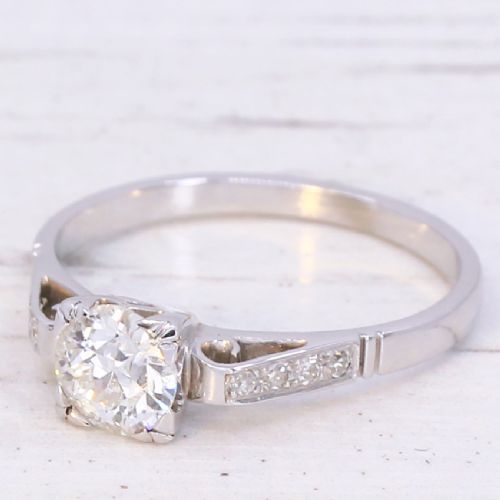
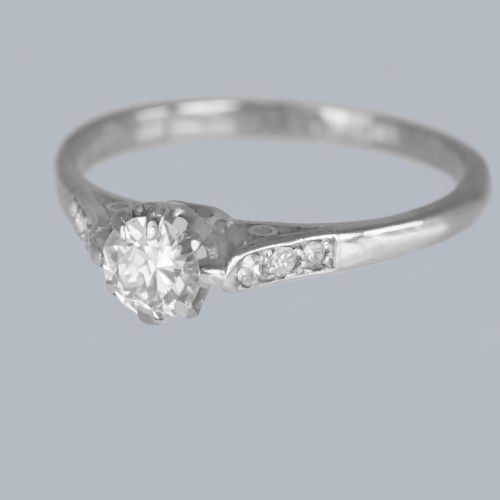
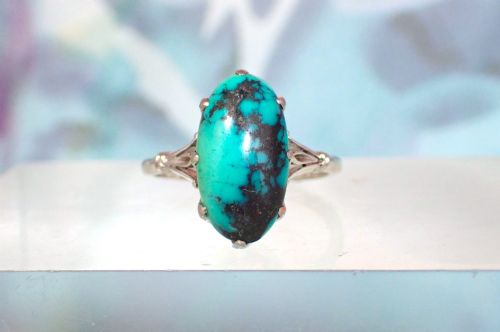
Solitaire forms focus attention on a single central stone, although many designs incorporate accent gems or detailed shoulders. Diamond remains the primary focus, accompanied by sapphire, amethyst, emerald, zircon, turquoise, opal and ruby.
Materials and construction
Makers utilised platinum alongside various gold purities, including nine carat, fifteen carat, eighteen carat white and yellow gold, and twenty-two carat gold. Precious metals provide the structural foundation for settings that secure old cut and transitional cut diamonds.
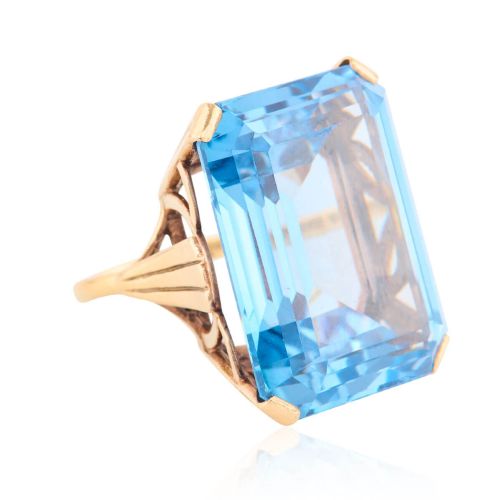
Gemstones such as sapphires, emeralds, amethysts and zircons are integrated into platinum and gold mounts. Metalwork techniques range from minimal solitaire settings to diamond-set shoulders and Etruscan revival detailing.
The collection spans the nineteenth century, Edwardian period, Art Deco era, 1940s Retro and mid-century years.
Factors influencing quality
Quality rests upon the cut and clarity of the central gemstone, particularly with old cut and transitional cut diamonds. The visual brilliance of sapphires, emeralds and amethysts also defines the grade of a piece.
Metalwork execution separates standard items from finer examples. The precision of platinum or gold settings, structural integrity of shoulders and preservation of period details determine the overall standard.
The Antique Style Solitaire Glossary
- Solitaire
- A ring or other piece of jewellery featuring a single main gemstone. This setting style places visual emphasis entirely on the central stone.
- Old cut
- A diamond cutting style prevalent in older jewellery, characterised by a smaller table, higher crown and larger culet. These stones produce a distinctive pattern of light reflection.
- Transitional cut
- A diamond cut used during the period when older cutting styles evolved into modern brilliant cuts. It bridges nineteenth-century techniques with twentieth-century geometry.
- Etruscan Revival
- A nineteenth-century design style inspired by ancient Etruscan goldwork. Pieces often display granulation and wirework details.
- Platinum
- A dense, durable white precious metal favoured for secure gemstone settings. Its strength allows for delicate prongs and intricate gallery work.
Antique Style Solitaire: Frequently Asked Questions
How do old cut diamonds differ from modern ones?
Old cut diamonds possess distinct geometric proportions shaped by hand, including smaller table facets and deeper pavilions. These characteristics create a softer, broader pattern of light.
Modern brilliant cuts are standardised for maximum light return using precise mathematical angles.
Which periods do these pieces come from?
The available selection spans the nineteenth century through the Edwardian era, 1920s, 1930s, 1940s and mid-century periods. Each era brings distinct manufacturing traits.
Art Deco and Victorian influences appear alongside mid-century and retro aesthetics.
What metals are used in these items?
Jewellery from these periods utilises platinum alongside various purities of yellow and white gold. Nine carat, eighteen carat and twenty-two carat gold appear across the selection.
Platinum offers high durability for secure stone settings, while gold provides traditional warmth and colour variation.