

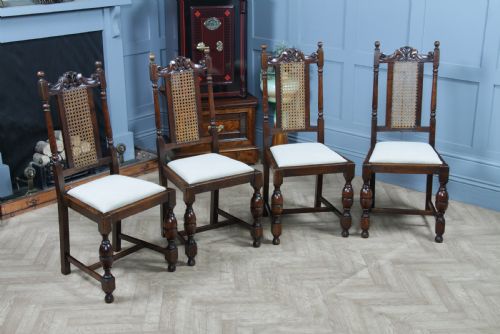
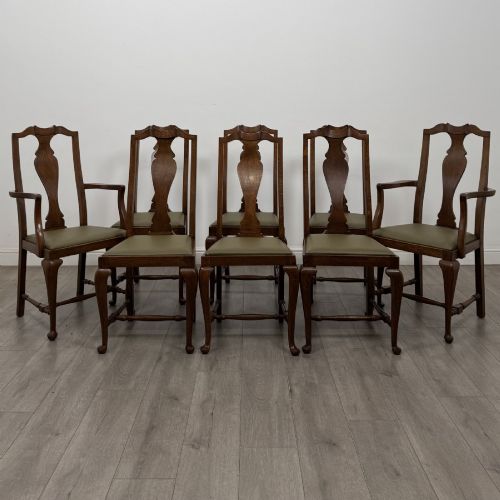
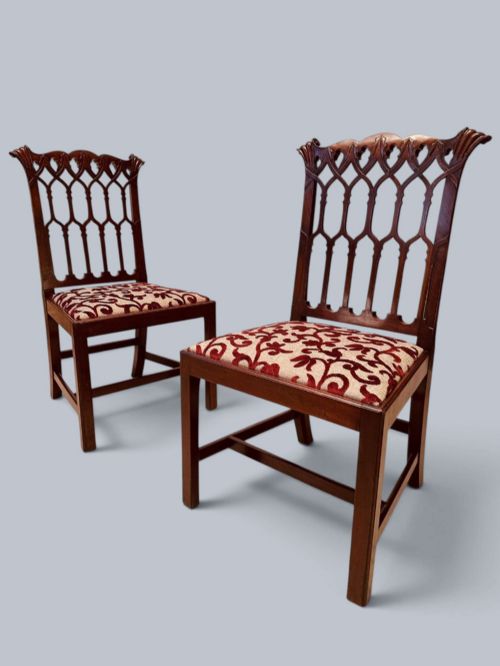
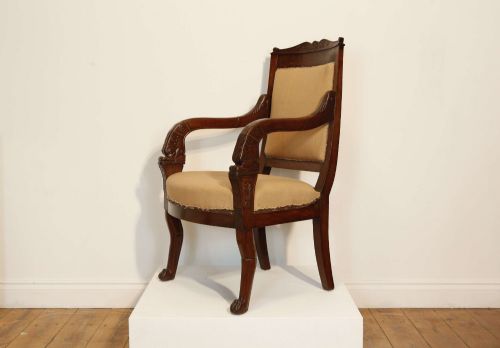
Antique Style Side Chairs
These antique style side chairs bring period character to a room, offering functional seating shaped by centuries of cabinet-making traditions.
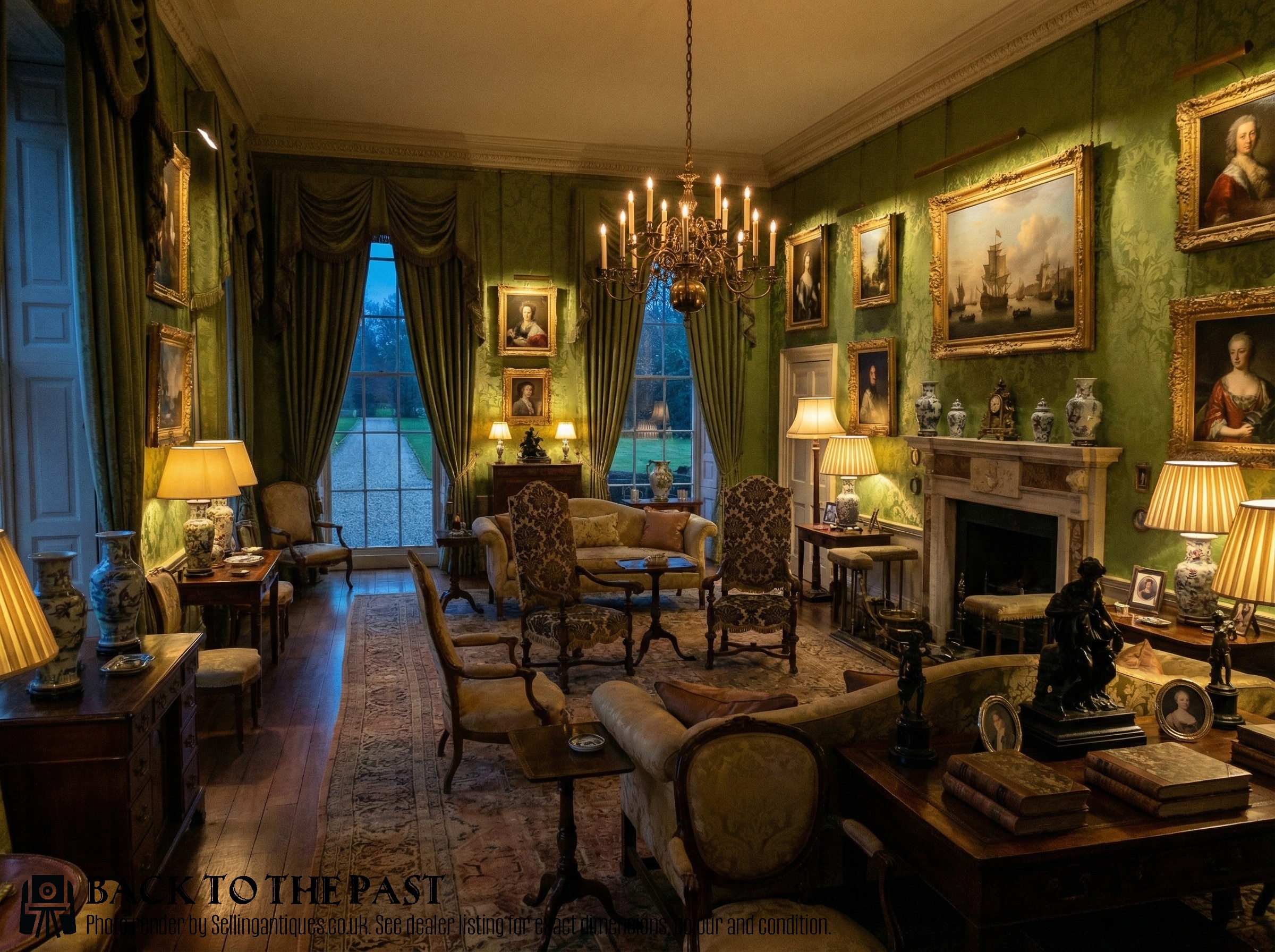
Antique Style Side Chairs
When searching for antique style side chairs, buyers encounter a diverse selection spanning the eighteenth, nineteenth and early twentieth centuries. These pieces encompass formal dining seats, occasional salon chairs and rigid hallway furniture.
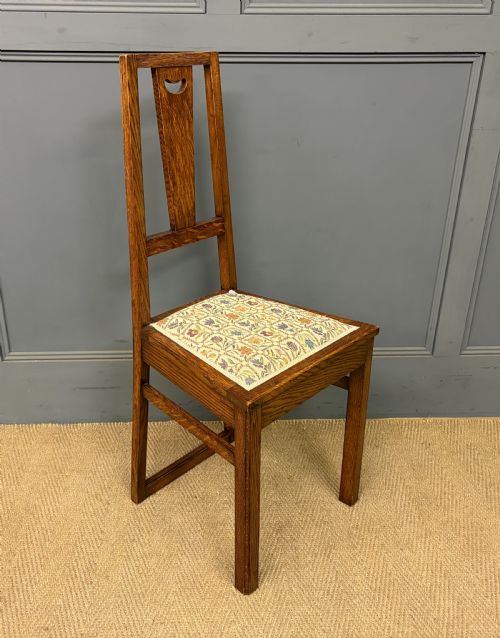
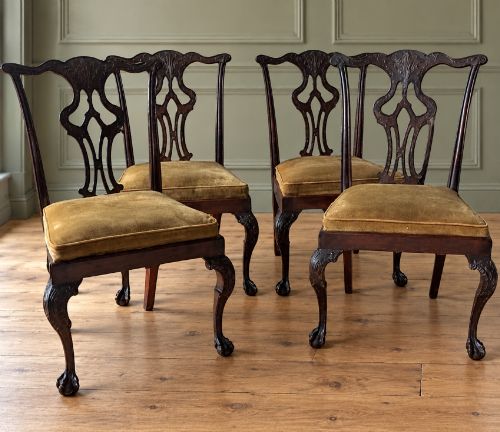
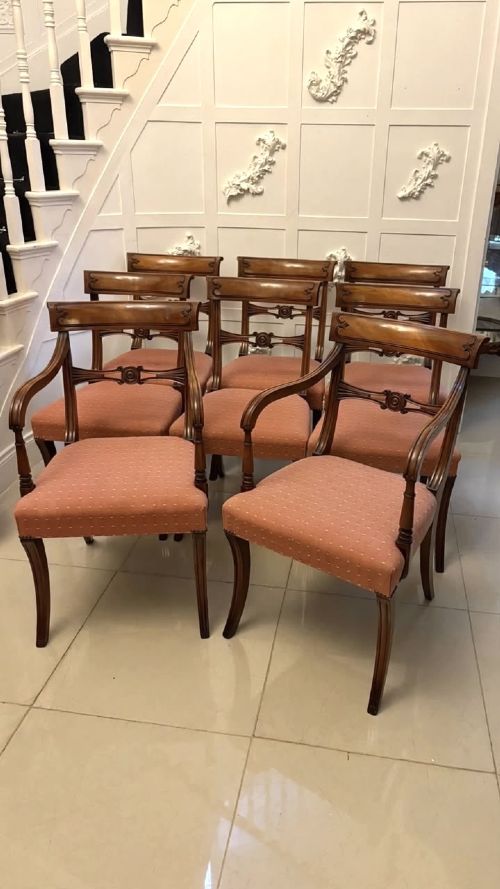
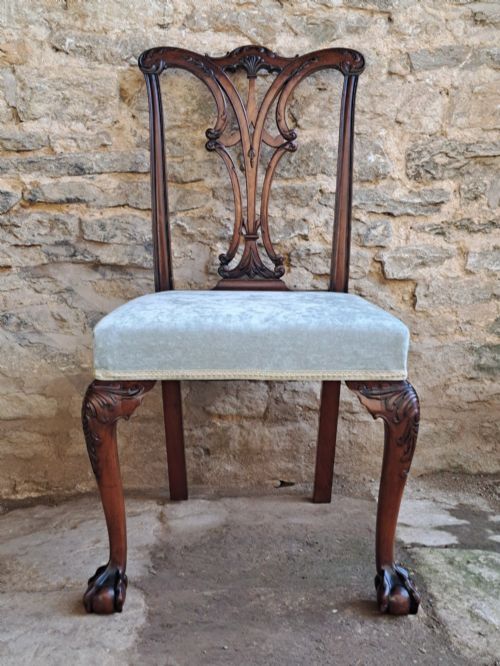
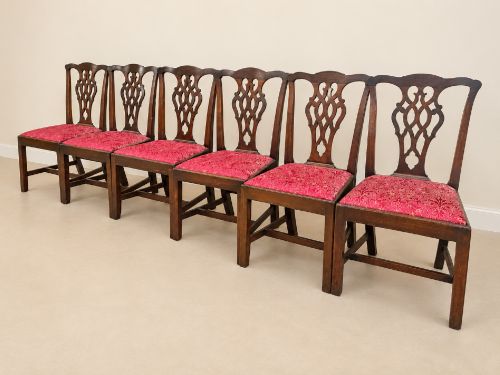
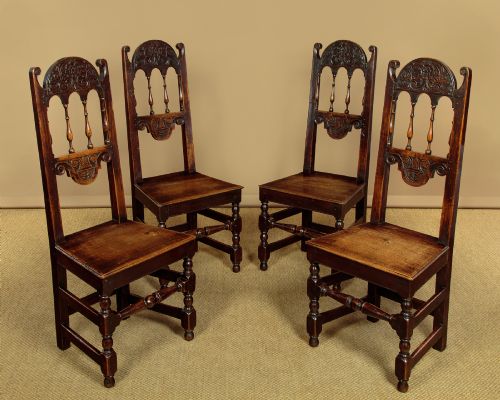
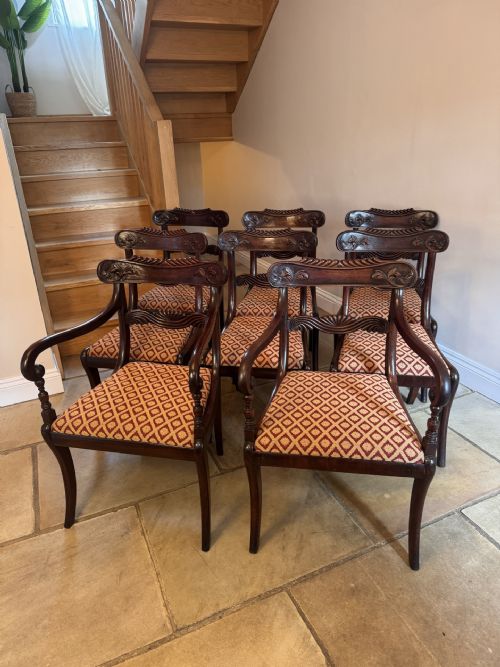
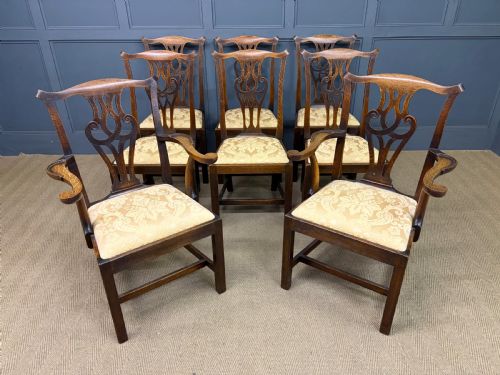
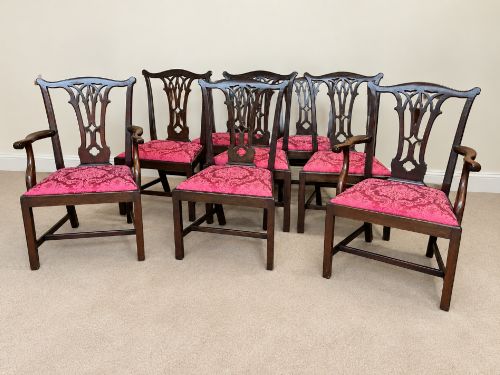
The most prevalent examples on this page are mahogany dining chairs constructed in revival aesthetics such as Georgian and Chippendale styles. Alongside these, buyers find walnut, oak and elm forms originating from Victorian, Edwardian and earlier periods.
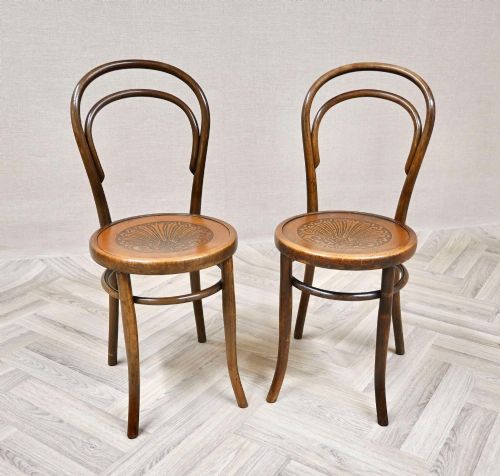
Makers adapted classical proportions to suit changing domestic interiors, resulting in variations from plain wooden splats to carved shield backs and upholstered seats. The overarching category serves both practical seating needs and decorative historical display.
Materials and construction techniques
Cabinet-makers relied heavily on dense hardwoods like mahogany, walnut and oak to ensure structural integrity across slender chair legs and upright backs. Elm and fruitwood also appear in regional pieces, providing resilient framing for solid seats.
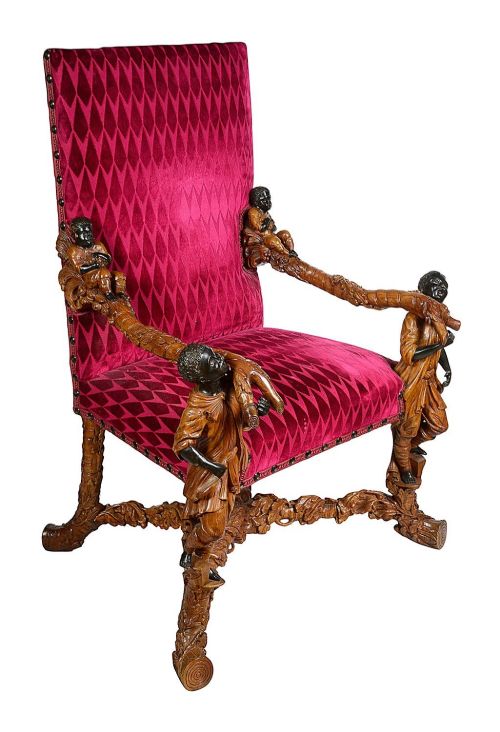
Joinery methods such as mortise and tenon joints secured the framework without excessive metal fasteners, while skilled carvers added relief details to top rails and splats. Upholstered variants utilised supportive webbing and traditional stuffing beneath fabric, leather or velvet coverings.
Antique Style Side Chairs Retail Price Guide 2026
Typical asking prices for style side chairs among the pieces listed under this phrase on Sellingantiques today, from the lower quarter to the upper quarter. They describe what is for sale here now, not the wider market.
The inventory spans the eighteenth, nineteenth and twentieth centuries, encompassing Georgian, Victorian and Edwardian eras.
Evaluating craftsmanship and distinction
Quality rests in the precision of the joinery and the selection of timber grain, where superior examples display tight, stable joints and finely figured wood. The crispness of hand-carved motifs, from ribbon-backs to shell details, distinguishes master workshops from standard production.
Proportion and structural balance separate exceptional chairs from heavier, utilitarian copies. Original surface patination and minimal timber replacement preserve the integrity valued by serious collectors.
Charles Tozer·Gillows·Norwich Maker·Maple and Co·Gill and Reigate·J. Yorke
The Antique Style Side Chairs Glossary
- Splat
- The vertical wooden strip down the centre of a chair back. It provides lumbar support and often carries carved or pierced ornamentation characteristic of the period.
- Carver
- A term for an armchair, typically designed to match a set of smaller side chairs for the head of a dining table.
- Shield back
- A chair back shaped like a heraldic shield, popularised by designers such as George Hepplewhite during the late eighteenth century.
- Bar back
- A horizontal wooden slat across the upper back of a chair, frequently curved to fit the spine.
- Sgabello
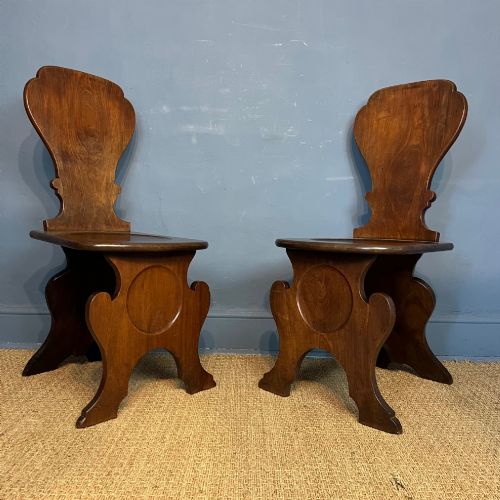
- A rigid, high-backed wooden hall chair featuring solid board legs rather than traditional four-legged construction.
Antique Style Side Chairs: Frequently Asked Questions
How do I spot a true period chair from a later revival copy?
Examine the timber shrinkage, tool marks and construction joints beneath the seat frame. Older pieces often show hand-cut joinery and timber movement consistent with age rather than machine-standardised uniformity.
Revival pieces, such as those from the Edwardian era mimicking Georgian designs, utilise nineteenth or twentieth-century manufacturing signatures even when employing older stylistic vocabulary.
Can I mix different styles of side chairs around a dining table?
Mixing styles was common in historic households where furniture accumulated over generations. Pairing matching carvers at the head of the table with distinct side chairs creates an eclectic, historically grounded interior.
Ensure the seat heights align comfortably with standard dining tables to maintain practical usability alongside the decorative contrast.
What is the difference between a side chair and a hall chair?
Side chairs are lightweight, moveable seats historically used around dining tables, desks or salon walls. They frequently feature upholstered pads or decorative open backs suited for prolonged sitting.
Hall chairs are typically constructed entirely from solid wood with rigid, high backs designed for brief seating in entrance halls rather than dining rooms.
How should I care for antique wood and upholstery?
Keep wooden frames away from direct heat sources and dramatic humidity shifts to prevent timber splitting or joint loosening. Dust regularly with a dry cloth and apply occasional natural wax to nourish polished surfaces.
Protect fabric, leather or velvet upholstery by avoiding direct sunlight and professional cleaning when stains occur.