

Antique Style Shelving
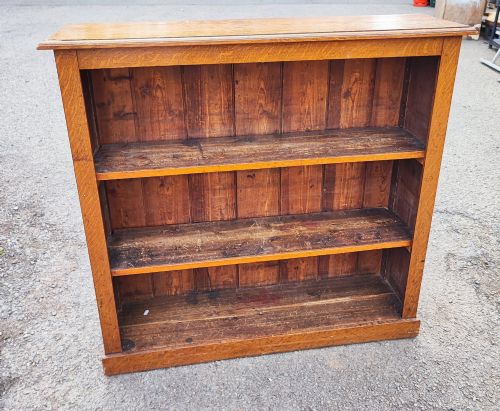
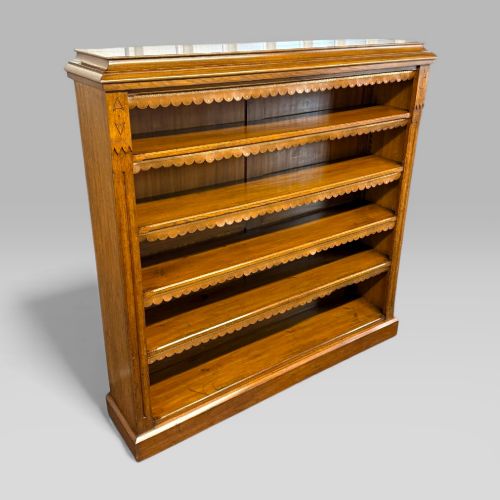
These pieces of antique style shelving bring period character and practical display space to any room.
Antique Style Shelving
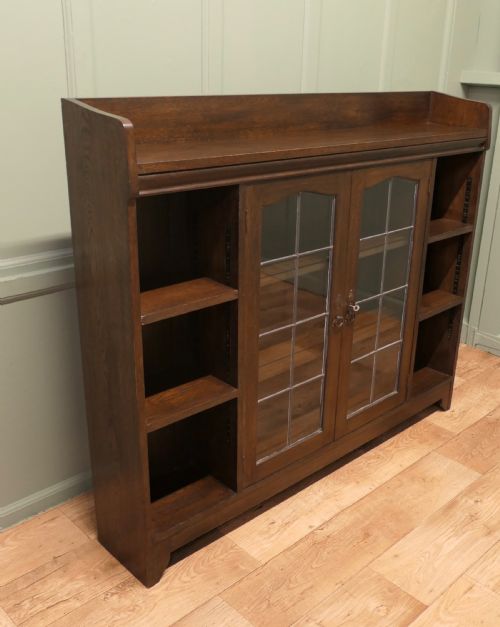
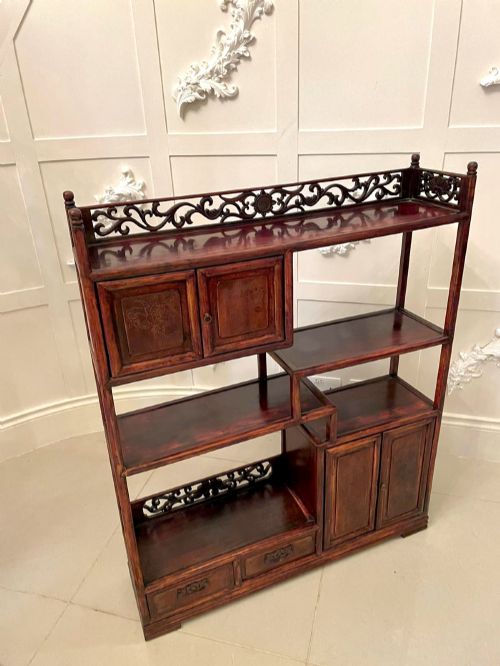
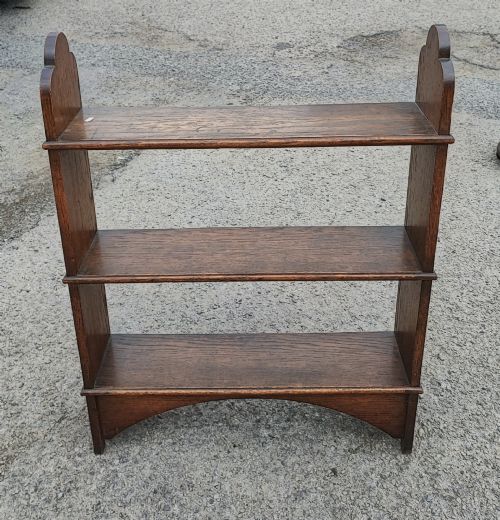
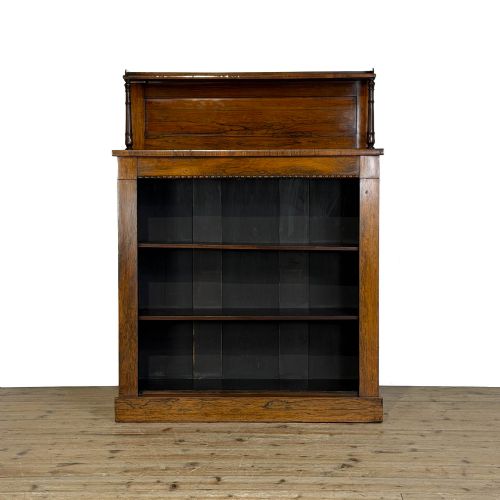
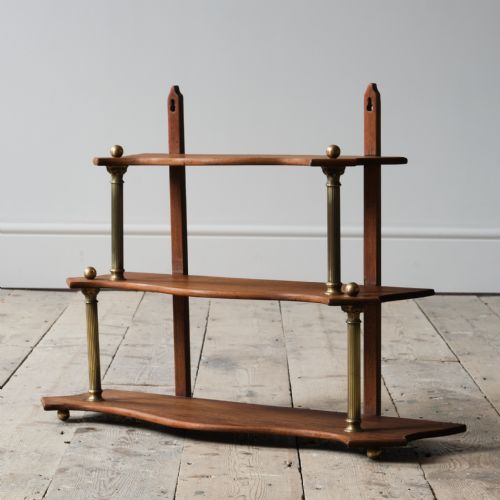
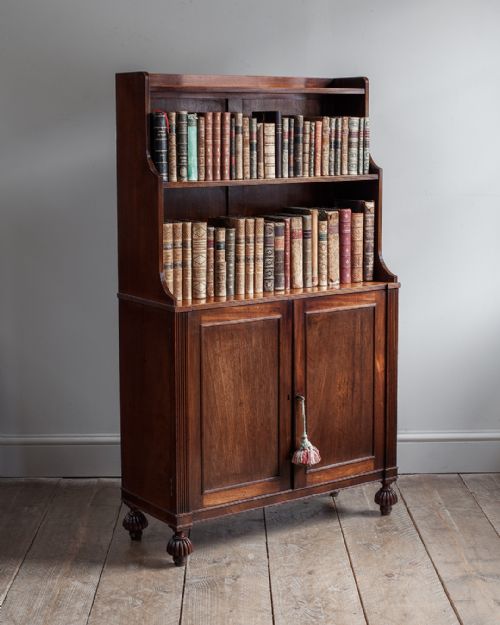
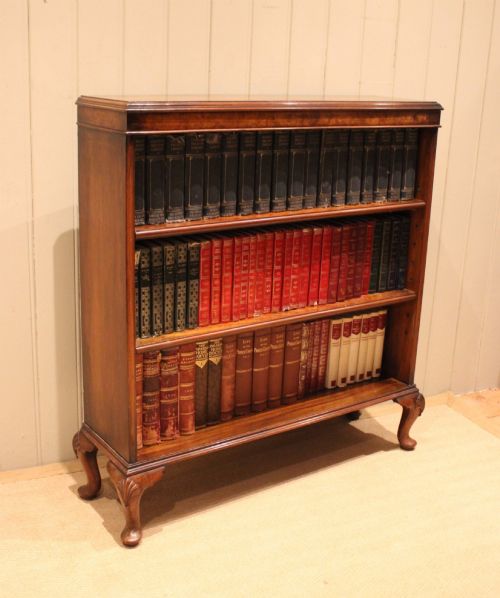
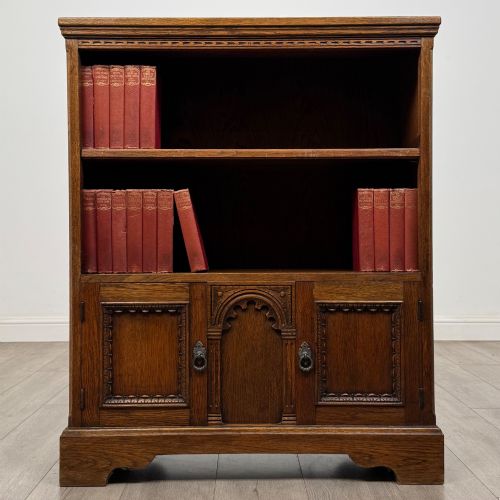
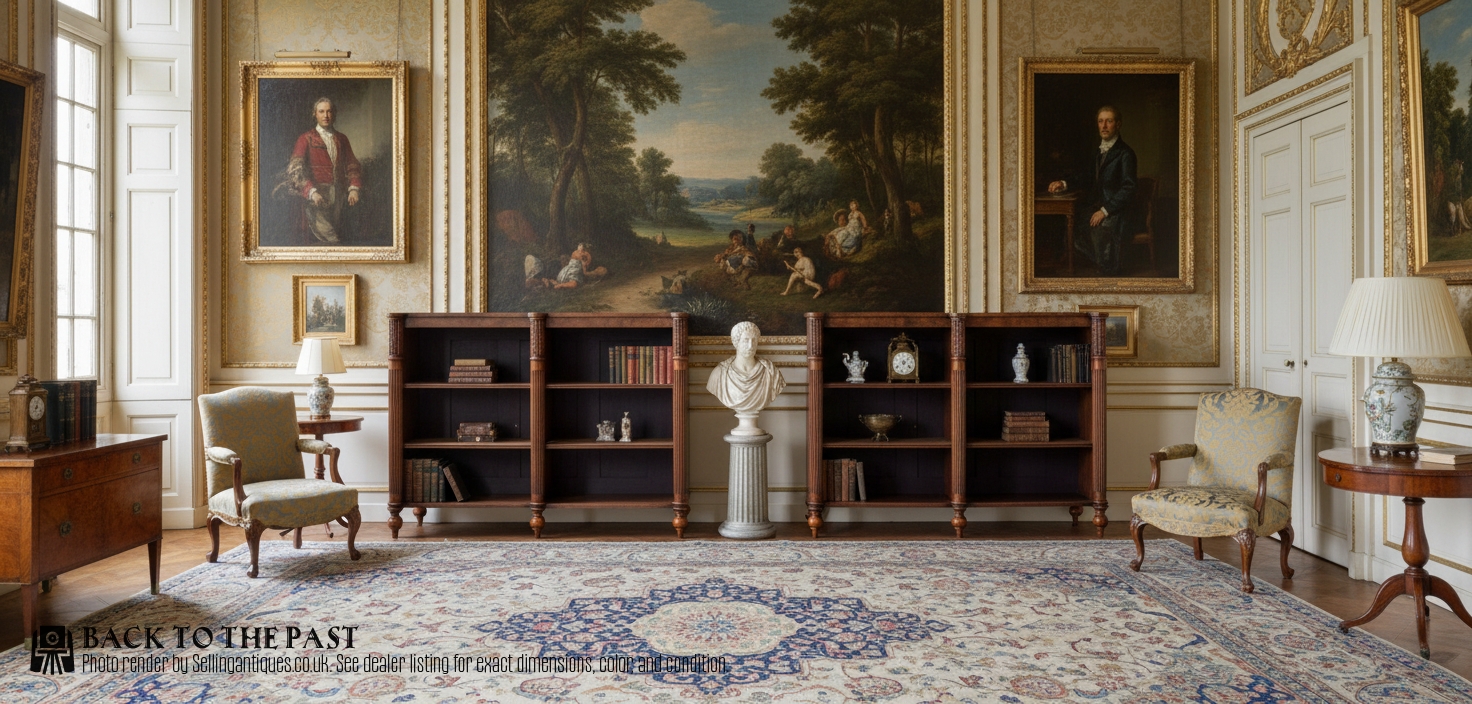
When people search for antique style shelving, they want functional storage that carries the design language of past centuries. The pieces available range from open bookcases and wall hanging shelves to display cabinets, bookcases and shelving, wall brackets, and desktop cartonniers.
The versions most commonly met span the Victorian and Edwardian eras, alongside pieces from the nineteenth and early twentieth centuries. Makers and designers drew on Georgian, Regency, Neoclassical, and Arts and Crafts traditions to shape timber for daily utility.
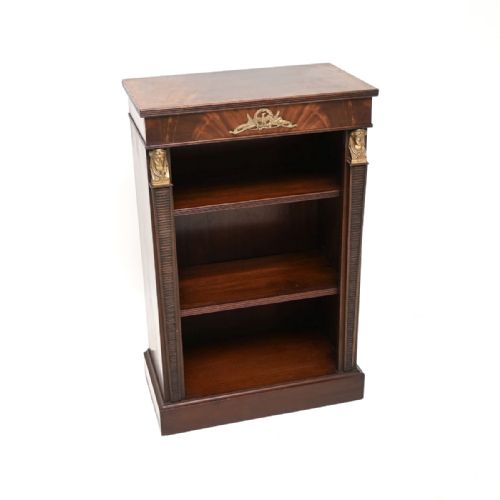
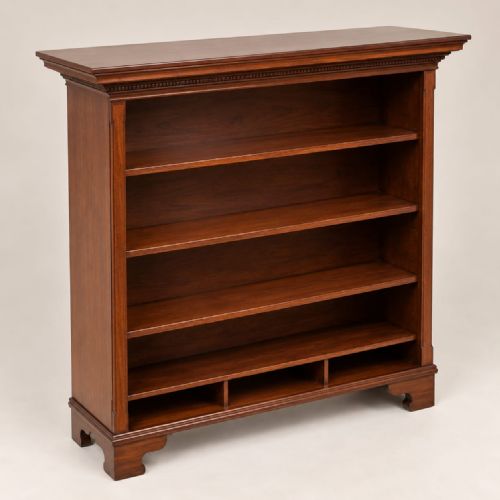
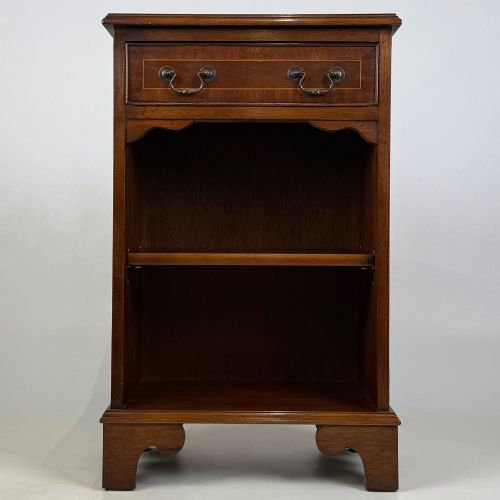
Forms vary from compact wall brackets to large breakfront bookcases fitted with adjustable shelves. Whether executed in oak, mahogany, or walnut, these items serve to organise books and display objects while anchoring a room with traditional craftsmanship.
Materials and construction
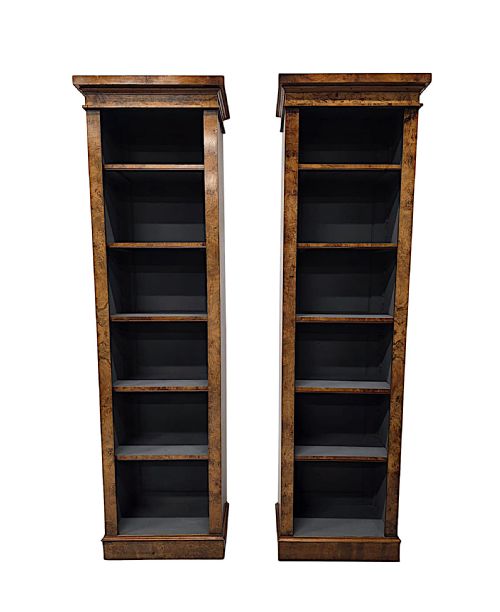
Carpenters relied primarily on hardwoods such as mahogany, oak, and walnut, often selecting figured grains, burl veneers, or satinwood for decorative effect. Rosewood and padauk also appear, bringing darker tones and dense grain patterns to specific storage pieces.
Brass fittings, ormolu mounts, and glass panels add functional and visual contrast to the timber structures. Joinery techniques varied from straightforward open shelving to fitted cabinets, with occasional brass castors facilitating movement on larger floor-standing bookcases.
Design influences span from eighteenth century George III pieces through Victorian revival styles to early twentieth century Arts and Crafts forms.
Markers of quality
Quality rests on the selection of timber and the precision of the construction rather than mere age. Pieces featuring figured walnut, burr walnut, or finely inlaid mahogany demonstrate superior raw material selection by the cabinetmaker.
The treatment of decorative elements separates standard production from finer work. Hand-carved details, matched wood grains, well-fitted adjustable shelving, and solid brass hardware indicate a higher standard of workshop execution.
Heal s·Gillows·George Edmund Street
The Antique Style Shelving Glossary
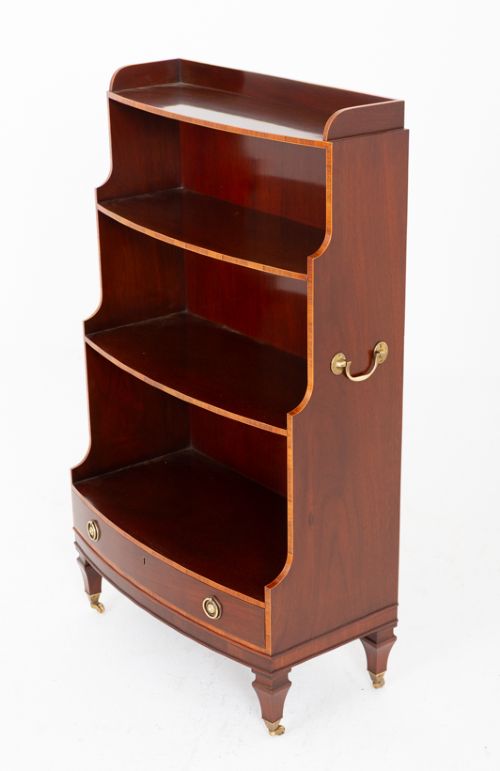
- Waterfall bookcase
- A set of open shelves diminishing in depth from bottom to top, often featuring tiered uprights. This form gained popularity during the Regency and Victorian periods for displaying books in confined spaces.
- Cartonnier
- A desktop cabinet fitted with compartments or drawers for holding papers and documents. These pieces often feature leather accents, parquetry, or ormolu mounts.
- Whatnot
- A piece of furniture consisting of a set of open shelves for displaying ornaments or books. Originating in the eighteenth century, these stands frequently incorporate turned supports and small drawers.
- Wall bracket
- A decorative architectural support or small shelf fixed directly to a wall. Victorian examples often incorporated carved wood cherubs, gilt finishes, or display ledges.
- Etagere
- A set of open tiered shelves designed for displaying small decorative objects. These items often showcase intricate parquetry, ebonised timber, or inlay.
Antique Style Shelving: Frequently Asked Questions
How do I choose between an open bookcase and a cabinet?
Open bookcases offer immediate visibility and quick access to books, making them ideal for everyday reading material in studies or living rooms. Cabinets with doors provide enclosed storage that protects delicate bindings and paper from dust and light.
Consider the environment where the piece will live and the nature of the items you wish to store. Open shelving creates an airy feel, while fitted cabinet doors add formal presence and security.
Where should I place wall hanging shelves?
Wall hanging shelves suit compact spaces where floor area is restricted, such as hallways, kitchens, or above desks. They lift display items to eye level and utilise vertical wall space effectively.
Ensure the wall construction can support the weight of the timber and the objects placed upon it. Solid fixings into masonry or studs are essential for safety with heavier mahogany or oak shelves.
How are adjustable shelves supported?
Adjustable shelving typically relies on wooden side ratchets, metal shelf studs, or notched pilasters fitted inside the bookcase interior. These systems allow owners to alter shelf heights to accommodate books of varying sizes.
Check the inner walls of the bookcase to identify the mechanism used. Original wooden ratchets indicate traditional craftsmanship, while metal supports often point to later nineteenth or twentieth century production.
What is an etagere used for?
An etagere is designed specifically for displaying small decorative objects, porcelain, or curios rather than heavy rows of books. The tiered shelves showcase items from multiple angles.
These pieces function well in drawing rooms or corners where they can catch the light. Their lighter frame construction means they are best kept away from heavy utilitarian loads.