

Walnut Bookshelf Unit
A walnut bookshelf unit brings warmth and architectural presence to a room, offering open storage crafted from richly figured timber.
Walnut Bookshelf Unit
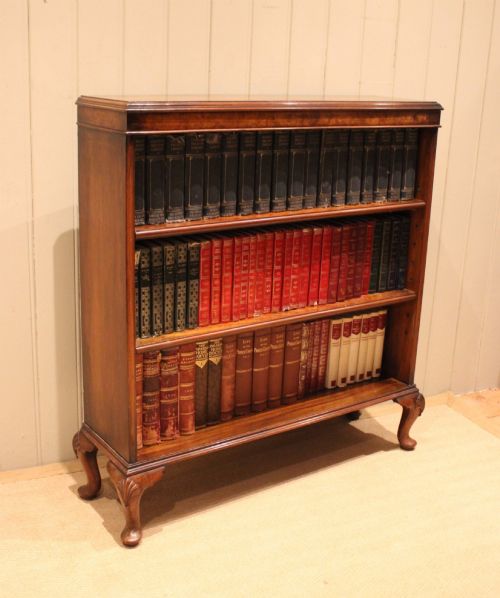
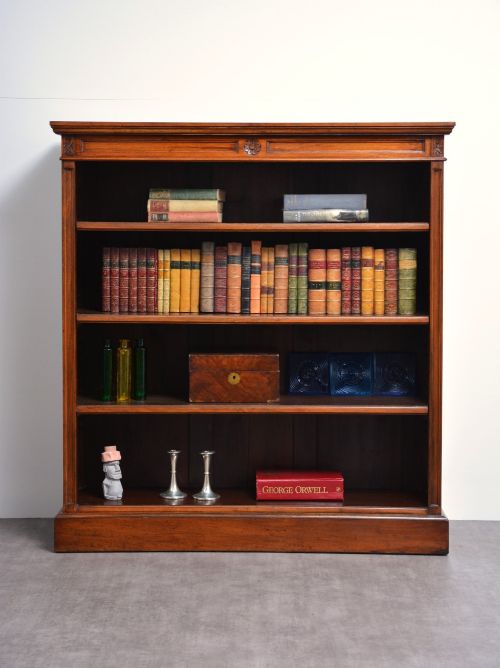
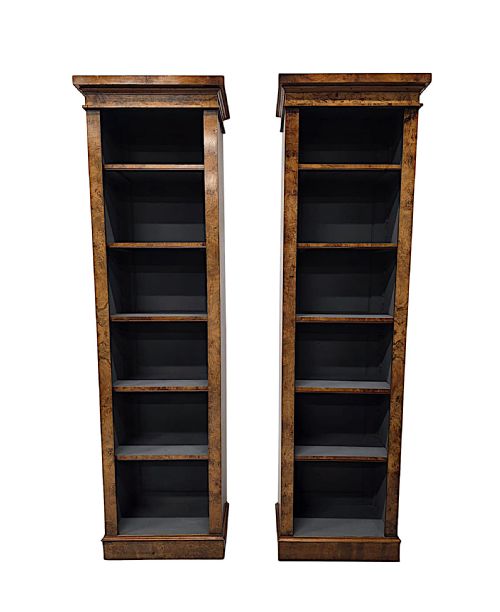
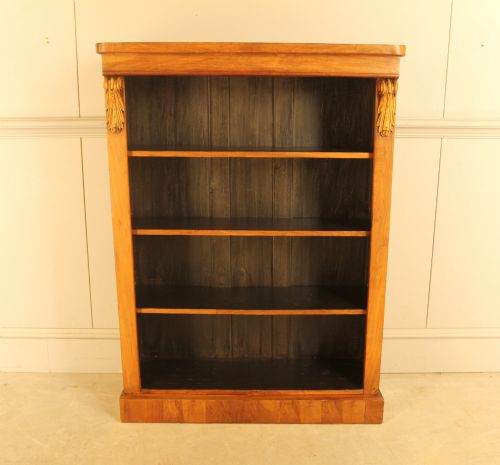
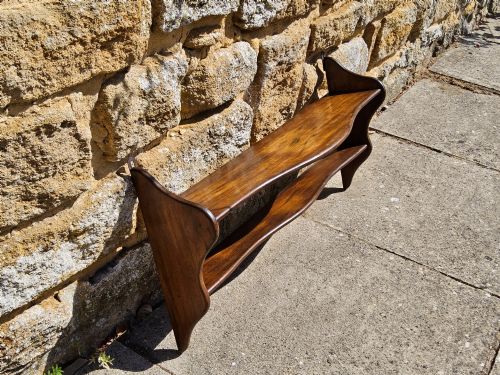
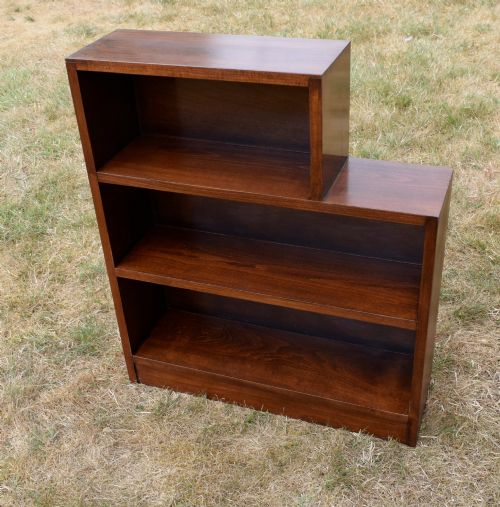
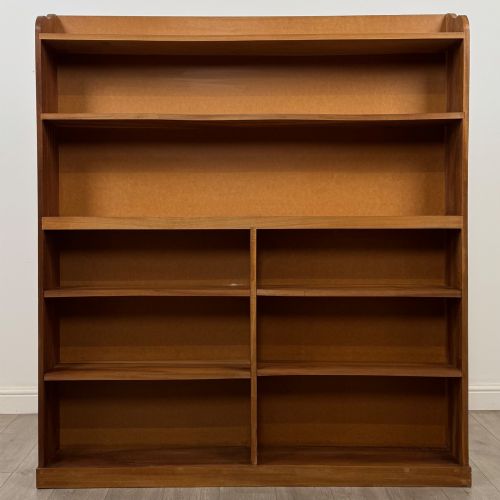
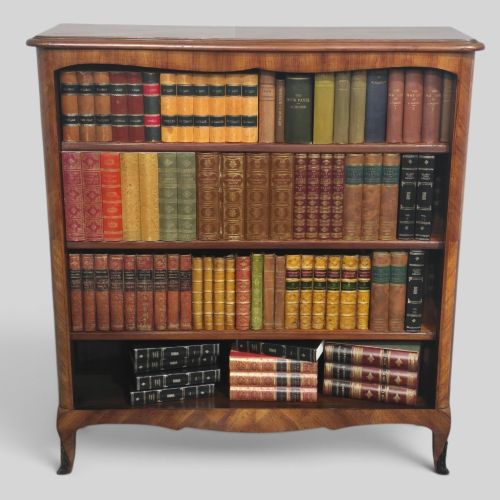
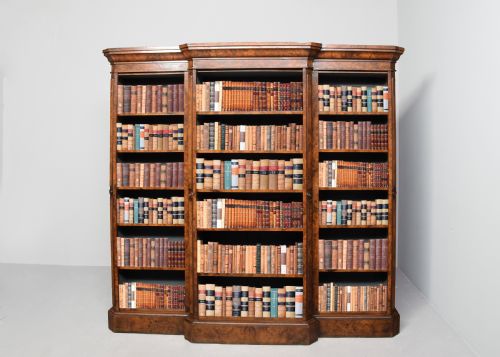
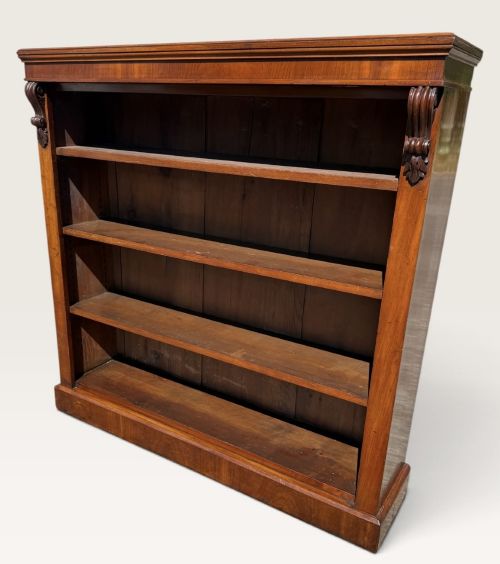
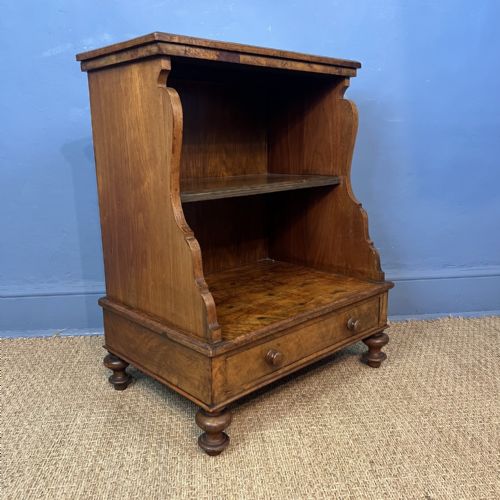
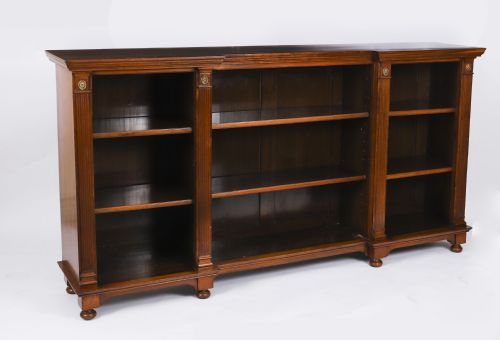
A walnut bookshelf unit is typically encountered on this page as a Victorian open bookcase, a compact whatnot, or an Art Deco shelving piece. These items range from low, breakfront library pieces to tall freestanding bookcases and wall-mounted display units.
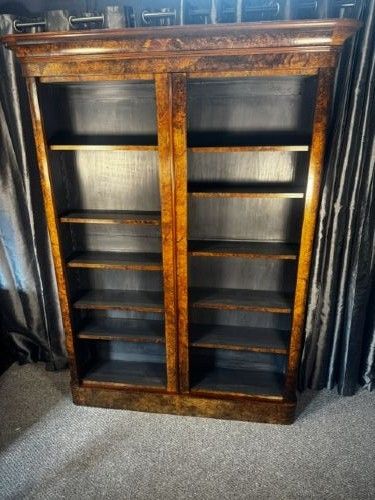
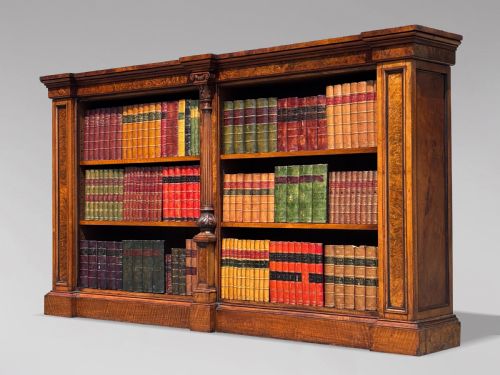
The material palette spans plain walnut, figured timber, and burr walnut veneer, occasionally accented with brass or satinwood inlay. Period examples extend from mid-nineteenth-century William IV designs through Edwardian productions to twentieth-century traditional and Art Deco interpretations.
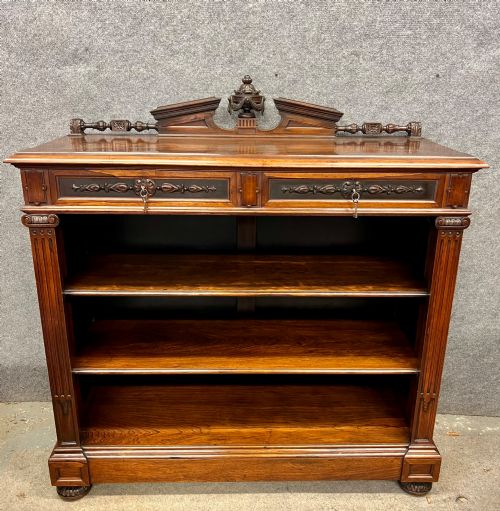
Buyers will find that many configurations feature adjustable shelving, carved friezes, barley twist columns, or subsidiary drawers. Forms vary from simple upright bookcases to cascading tiered shelves and corner display stands.
Determining quality in walnut shelving
Quality rests primarily in the selection of the timber, where richly figured burr walnut veneer or matched grain patterns distinguish superior pieces from plain examples. The sophistication of the overall design, whether featuring breakfront proportions, column supports, or ormolu mounts, elevates a piece above standard utility items.
The crispness of carved details, such as friezes and barley twist columns, indicates the skill invested by the maker. Superior construction is further evidenced by refined joinery in the shelving mechanisms and the integrity of the underlying timber carcase.
Several units hide their books behind ormolu mounts and barley twists, proving that nineteenth-century libraries took presentation very seriously indeed.
Maurice Adams
The Walnut Bookshelf Unit Glossary
- Burr Walnut
- A veneer taken from the gnarled growth of a walnut tree, prized for its swirling, highly decorative grain patterns. This material appears frequently on high-status Victorian and Edwardian bookcases.
- Breakfront
- A piece of furniture whose central section projects forward from the flanking outer sections. This architectural form adds depth and visual rhythm to large library bookcases.
- Whatnot
- A multi-tiered piece of freestanding or corner furniture designed for displaying ornaments, books, or small objects. These open units often feature slender upright supports and cascading shelves.
- Frieze
- The wide horizontal section situated directly beneath the top cornice of a bookcase. In better pieces, this area displays carved decoration or matched timber veneers.
- Ormolu
- Gilded bronze mounts applied to furniture for decorative effect. They are typically found on mid-nineteenth-century pieces to accentuate the corners and borders of the cabinetwork.
Walnut Bookshelf Unit: Frequently Asked Questions
What periods do these walnut bookcases cover?
The selection spans from nineteenth-century Victorian and William IV examples to Edwardian pieces and Art Deco designs from nineteen-thirty. Each era brings distinct proportions and decorative vocabulary to the furniture.
Victorian and William IV pieces often feature rich burr walnut and carved columns, while later twentieth-century examples lean towards streamlined Art Deco forms or simplified revival styles.
Are the shelves adjustable on these units?
Many of the open bookcases listed feature adjustable shelving systems to accommodate books of varying heights. This practical interior arrangement was common in nineteenth- and early-twentieth-century library furniture.
Buyers will find that both low breakfront units and taller freestanding bookcases frequently retain their original adjustable shelf supports.
How do I distinguish a whatnot from a standard bookcase?
A whatnot is primarily designed as a tiered display stand with multiple open shelves supported by slim columns or uprights, often intended for ornaments as well as books. Standard bookcases focus on a more enclosed, structured housing for library volumes.
Whatnots also appear in corner configurations, utilising vertical space differently from traditional linear bookcases.
What is the difference between walnut and burr walnut?
Standard walnut presents a relatively straight, uniform grain with deep warm brown tones. Burr walnut is cut from tree growths that produce dense, swirling, highly decorative patterns.
Furniture utilising burr walnut veneer was typically reserved for higher-status pieces requiring a striking visual display.