
Antique Style Server Table
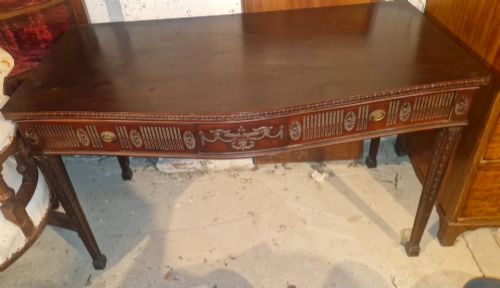
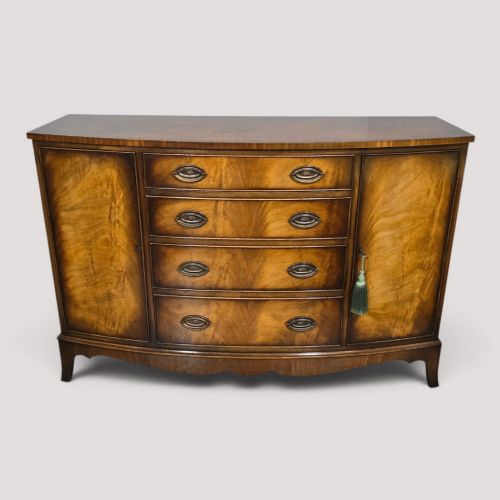
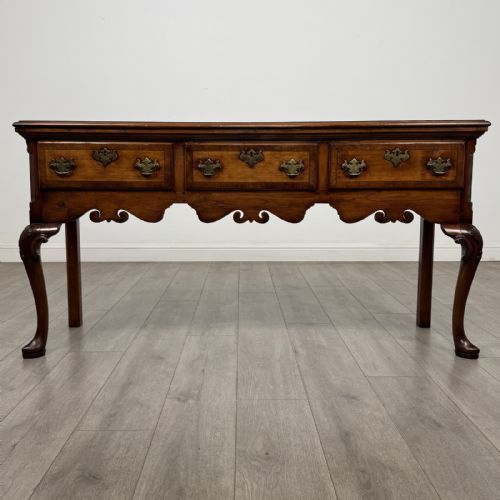
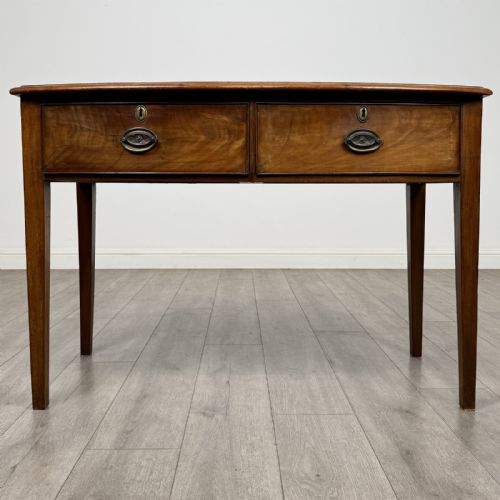
An antique style server table brings enduring timber and traditional craftsmanship into a dining room or hallway.
Antique Style Server Table
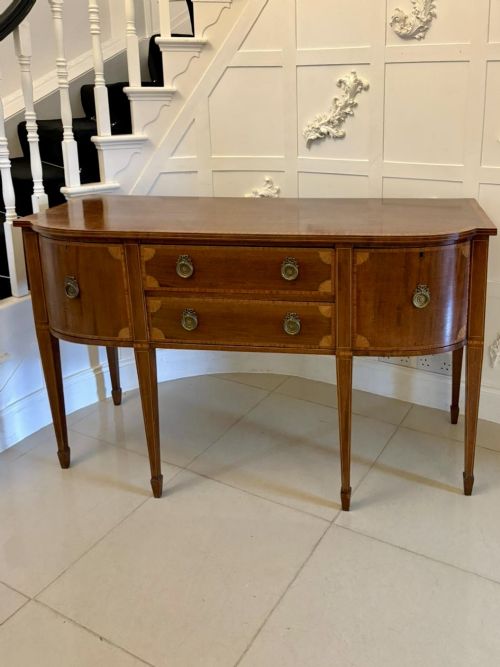
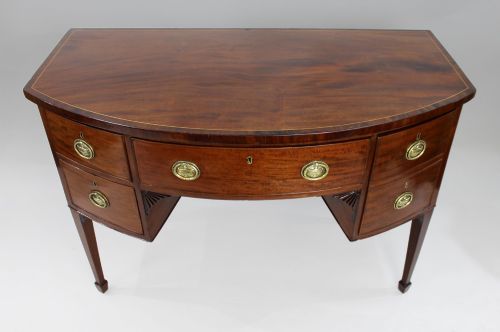
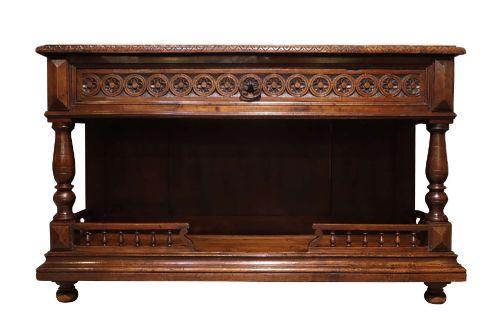
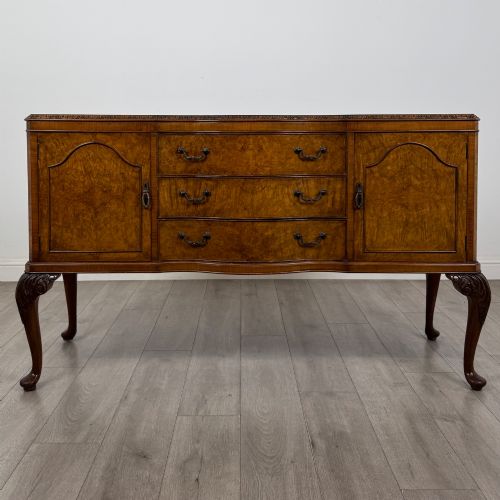
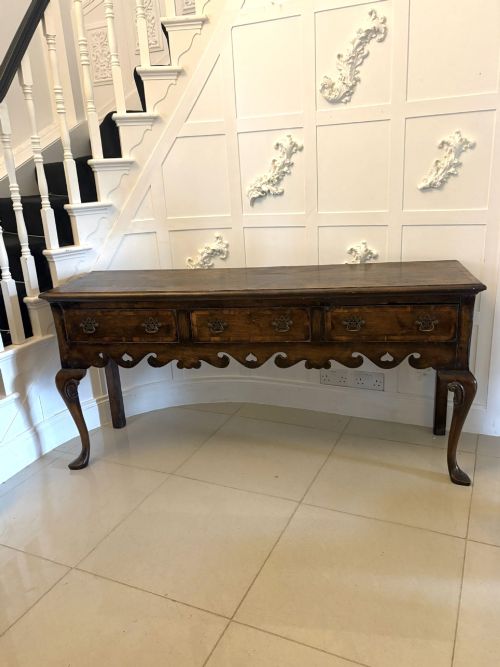
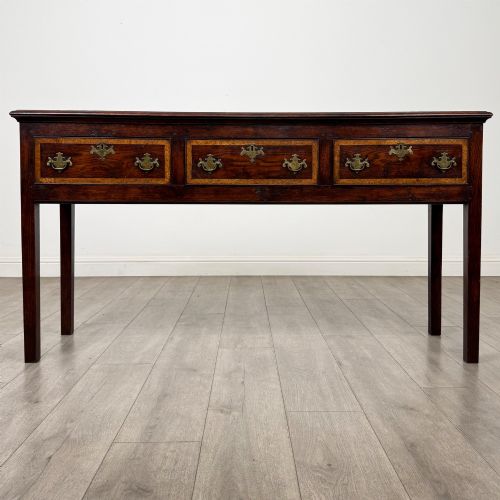
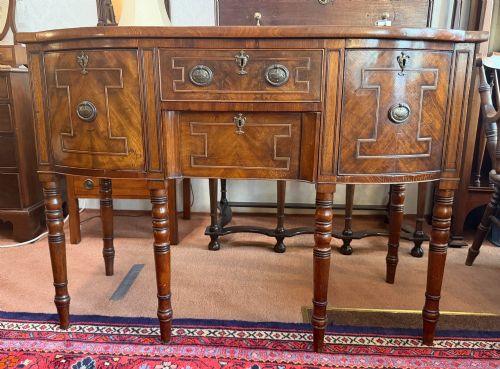
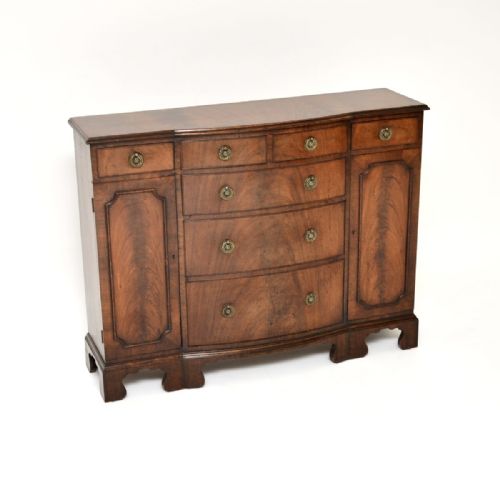
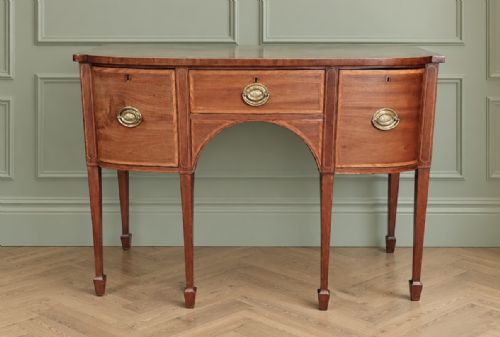
When searching for an antique style server table, buyers encounter a variety of forms including sideboards, console tables, side tables, and dresser bases. These serving surfaces originated primarily to hold food, utensils, and dining linens during meals.
The pieces listed under this description span several periods, from Georgian and Victorian eras through to Edwardian and later revivals of the nineteenth and twentieth centuries. Oak and mahogany dominate the offerings, often complemented by burr walnut, pine, and painted finishes.
Stylistic influences range from English Country and Jacobean Revival to Sheraton, Chippendale, and Gothic styles. This diversity allows buyers to find a piece that matches formal dining spaces or more rustic interior schemes.
How these tables were constructed
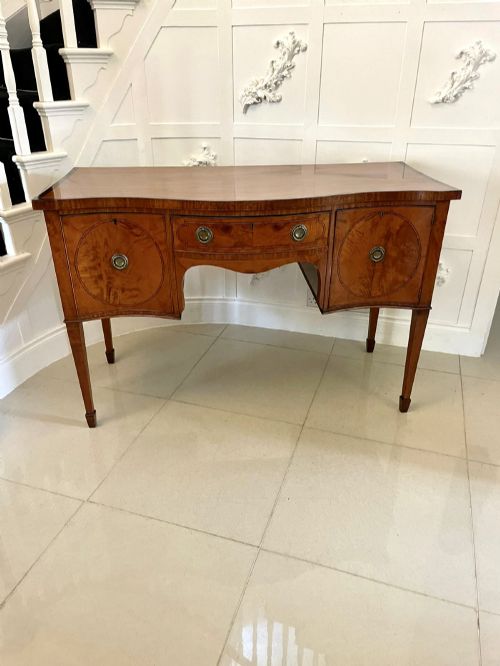
Cabinetmakers utilised solid timbers such as mahogany and oak for the primary structures of these server tables, frequently pairing them with veneers like burr walnut or flame mahogany to create visual depth on drawer fronts and surfaces. Inlaid details, boxwood stringing, and satinwood crossbanding appeared on finer pieces to accentuate geometric lines and curves.
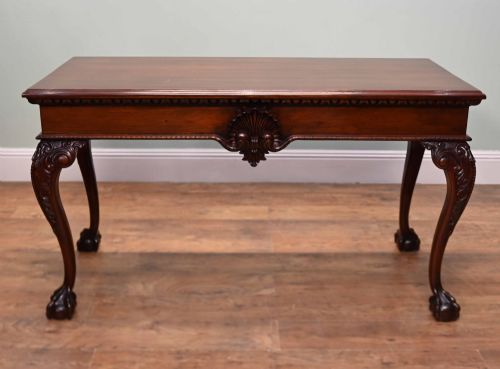
Carving and joinery defined the construction methods, with craftsmen shaping cabriole legs, barley twist supports, paw feet, and serpentine profiles by hand. Marble tops also feature on select continental and French-influenced designs, providing a durable and decorative surface.
Listings for an antique style server table incorporate items spanning the eighteenth, nineteenth, and twentieth centuries, featuring oak, mahogany, and walnut timbers.
What distinguishes quality in server tables
The selection of timber grain and veneer figure dictates much of the visual merit in these tables, where highly figured burr walnut or carefully matched flame mahogany denote superior material choice. Cabinetmaking proficiency shows in the crispness of carved details, such as acanthus leaves on cabriole legs or geometric mouldings on drawer fronts.
Structural integrity relies on traditional joinery methods and the retention of original hardware, crossbanding, and inlay. Tables that maintain their proportions and authentic period finishes carry greater character than heavily altered examples.
Beresford & Hicks London·M. D. Miller & Sons
The Antique Style Server Table Glossary
- Dresser base
- A low wooden sideboard or table fitted with drawers and occasionally a lower potboard shelf, traditionally used for food preparation and storage in large kitchens.
- Console table
- A table designed to stand against a wall, often supported by brackets or ornate legs rather than four independent vertical posts.
- Serpentine
- A curved outline composed of a convex centre flanked by concave ends, frequently seen on the fronts of eighteenth and nineteenth-century sideboards.
- Crossbanding
- A decorative border of veneer laid around the edges of a tabletop or drawer front with the grain running perpendicular to the surrounding wood.
- Potboard
- An open lower shelf on a dresser base or serving table, originally intended for storing pots and heavy kitchen utensils.
Antique Style Server Table: Frequently Asked Questions
What is the difference between a sideboard and a server table?
Sideboards generally offer enclosed cupboard storage alongside drawers, designed primarily for dining room organisation. Server tables often emphasise open legs, console formats, or lower shelves like potboards for serving food and displaying tableware.
Both forms served similar domestic functions in traditional dining spaces, though server tables typically present a lighter visual footprint against a wall.
How do I identify a Georgian style piece from an Edwardian revival?
Georgian style pieces produced during later periods often replicate the proportions, clean lines, and mahogany timbers of the eighteenth century but carry the construction traits and secondary woods typical of the early twentieth century.
Examining the drawer linings, backboards, and internal fixings helps distinguish an original eighteenth-century item from a later Edwardian interpretation built in the same aesthetic.
Where should I place a server table in my home?
These tables suit dining rooms for serving meals and storing linens, or hallways as console surfaces for lamps and decorative objects. Their narrow depths allow them to fit along passage walls without obstructing movement.
Placing them away from direct heat sources helps protect older timber veneers and polished finishes from drying or cracking over time.
What woods were commonly used for antique server tables?
Mahogany and oak remain the most prevalent timbers found across these listings, spanning solid boards and decorative veneer applications. Burr walnut and satinwood appear on Edwardian and revival pieces to provide striking grain patterns and contrasting borders.
Pine and painted finishes also occur, particularly on English Country and rustic dresser bases designed for utilitarian domestic settings.