
Antique Style Refectory Table
An antique style refectory table brings long-standing dining traditions into a modern room through sturdy wooden construction.

Antique Style Refectory Table
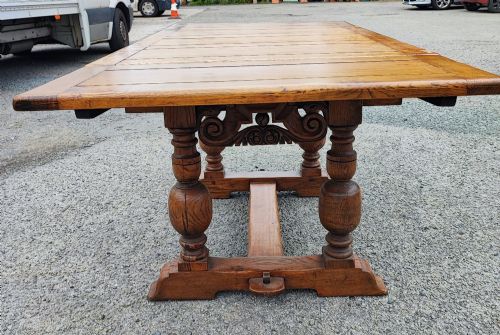
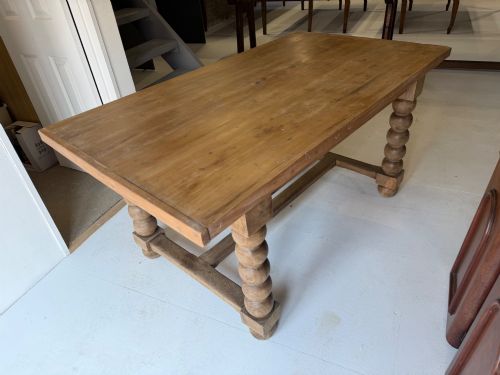
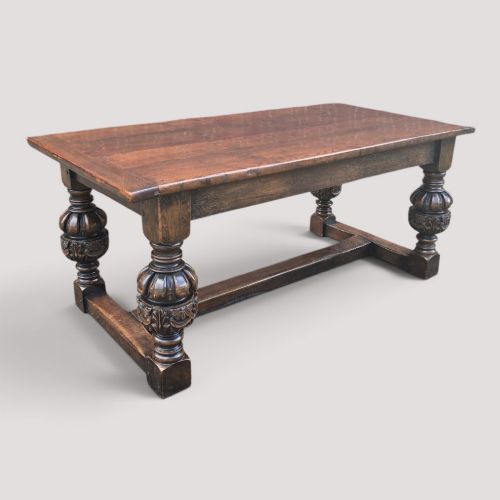
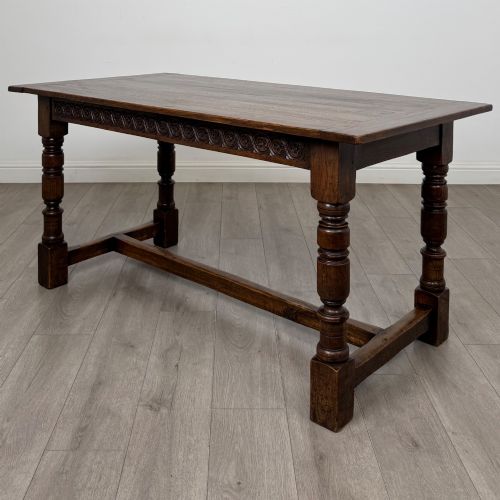
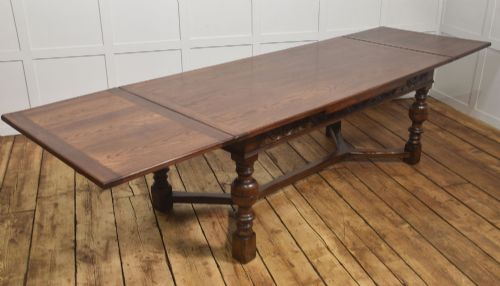
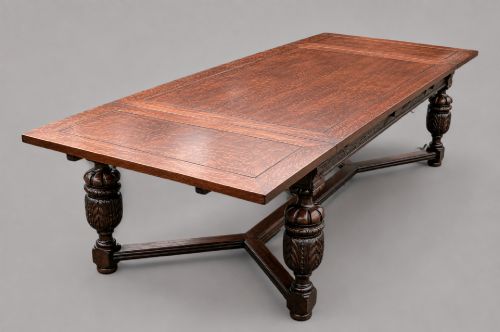
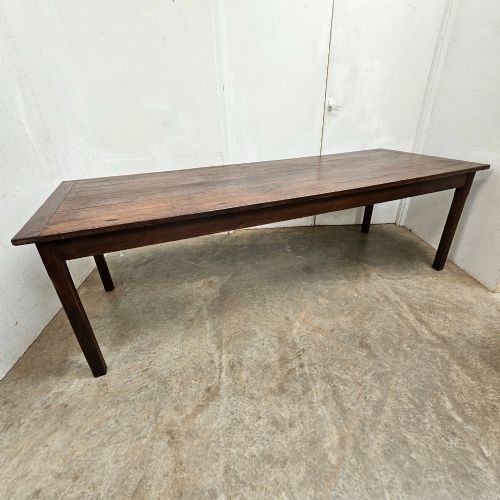
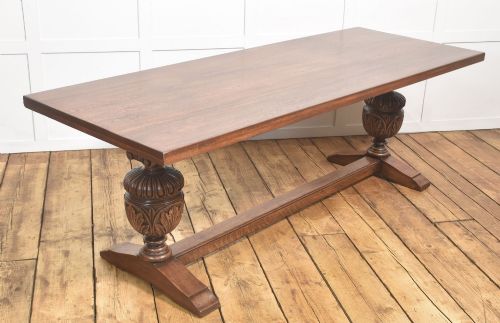
An antique style refectory table follows traditional forms designed originally for communal dining halls, adapted across the nineteenth and twentieth centuries for domestic use. The pieces found here range from plain nineteenth-century iterations to revival styles drawing on seventeenth-century motifs.
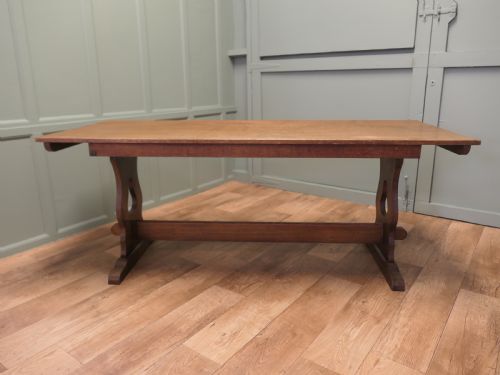
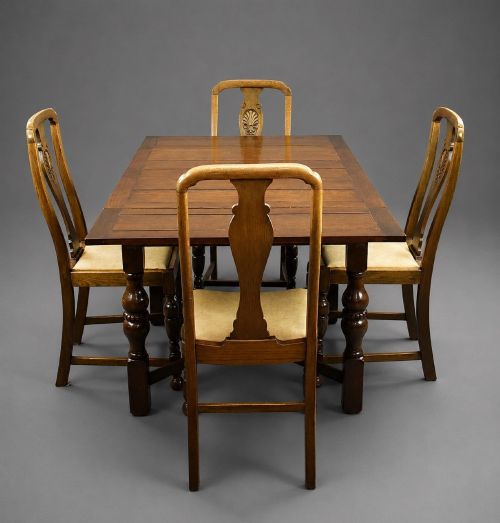
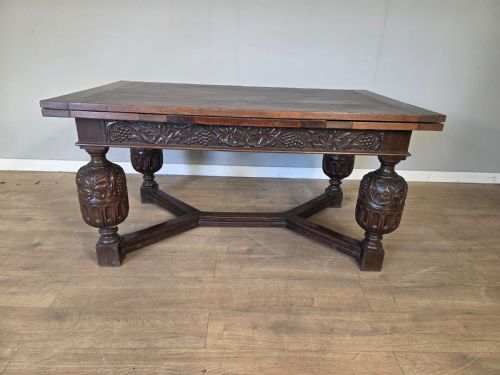
The version most commonly met on this page is the solid oak dining table, often incorporating extension mechanisms such as draw-leaves or drop-ends. These tables draw heavily on Elizabethan, Jacobean, and Arts and Crafts aesthetics to create a substantial centrepiece for a dining room.
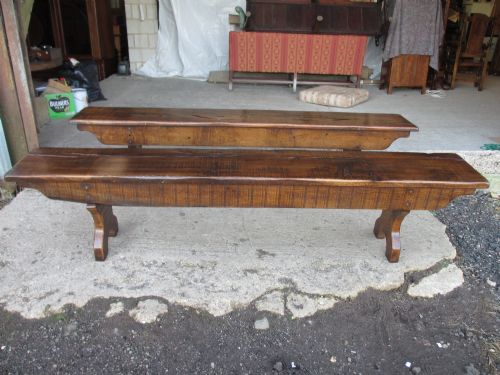
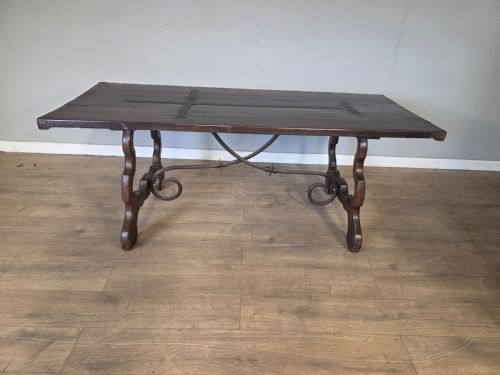
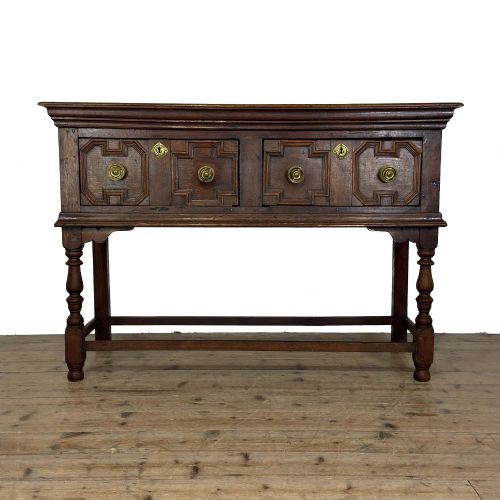
Beyond the standard dining format, the selection includes related forms like dresser bases, benches, and smaller serving or hall tables. These variants share the characteristic heavy timber construction and trestle or leg arrangements typical of the style.
What separates the standard of these tables
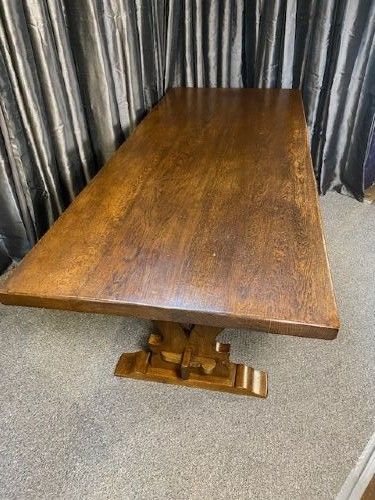
The standard of a table rests on the selection of timber, particularly the presence of quartered oak and thick, stable plank tops that resist warping over time. Heavier construction with substantial underframes and tightly fitted extension mechanisms separates better executed pieces from simpler workshop output.
The crispness and depth of hand-carved details on friezes and trestle ends indicate the level of craftsmanship invested in the piece. Well-proportioned framing and harmonious integration of revival styles mark out superior examples.
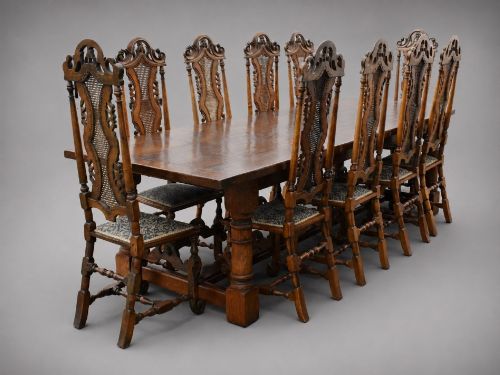
Several tables come paired with carved high-back chairs ready for a medieval feast in a suburban kitchen.
The Antique Style Refectory Table Glossary
- Refectory table
- A long, narrow dining table originally built for monastic dining halls, characterised by sturdy legs connected by a longitudinal floor stretcher.
- Draw-leaf table
- A table equipped with pull-out extension leaves stored beneath the main top surface, allowing the length to expand easily.
- Trestle ends
- Support structures at either end of a table consisting of vertical posts joined to a horizontal foot, common in heavy refectory designs.
- Quartered oak
- Timber cut radially from the growth rings to produce a distinctive medullary ray grain pattern, valued for stability and appearance.
- Jacobean revival
- A decorative style popular in the nineteenth and early twentieth centuries that imitates the dark, carved woodwork of the early seventeenth century.
Antique Style Refectory Table: Frequently Asked Questions
How do I seat ten people comfortably?
Look for refectory tables measuring over two metres in length, or those equipped with draw-leaf extension mechanisms that expand the surface area when required.
Ensure the trestle bases or leg positions allow chairs to tuck underneath without obstructing diners' legs.
Are these tables suitable for daily kitchen use?
Solid oak and heavy timber construction make these tables robust enough to handle the demands of everyday family dining and kitchen preparation.
Applying appropriate wax or oil finishes helps protect the wood from moisture and daily wear.
What is the difference between Elizabethan and Jacobean styles?
Elizabethan revival pieces often feature heavy bulbous melon-carved legs and elaborate frieze decoration reflecting late sixteenth-century joinery.
Jacobean style leans towards darker wood, geometric mouldings, and straighter turned legs reminiscent of the mid seventeenth century.
How do I date an oak refectory table?
Examine the saw marks on the underside of the top planks, noting whether they indicate circular power saws or older pit-sawing techniques.
Hardware, construction joints, and the specific revival style also provide clear indicators of whether a piece dates to the seventeenth century or a nineteenth-century revival period.