
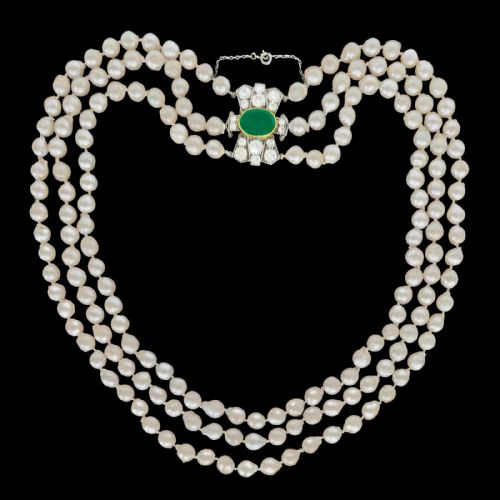


Antique Style Pearl Necklace
An antique style pearl necklace brings together centuries of goldsmithing and luminous organic gems to finish an outfit with quiet grace.
Antique Style Pearl Necklace
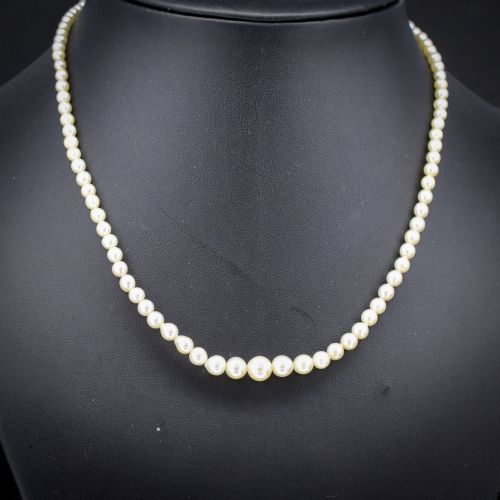
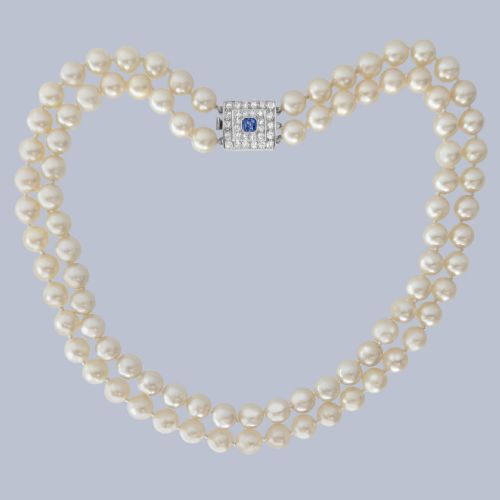
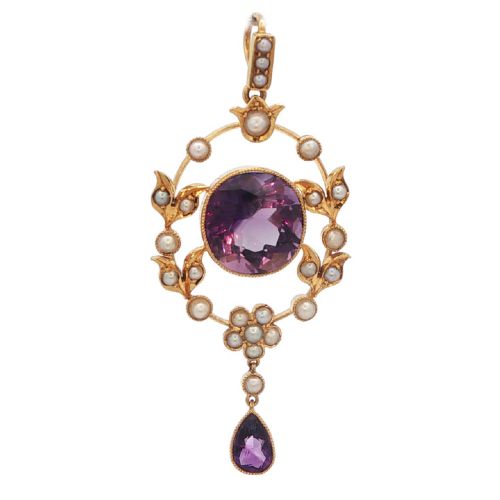
When you search for an antique style pearl necklace, you encounter varied pieces spanning the Victorian, Edwardian, and Art Deco eras, alongside mid-century interpretations. These items merge strands of pearls with intricate metalwork, pendants, and gemstone clasps.
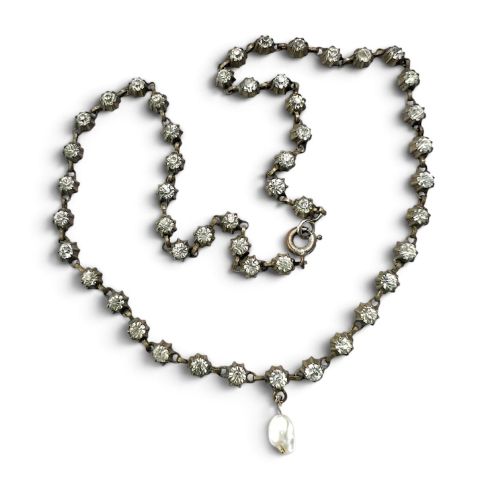
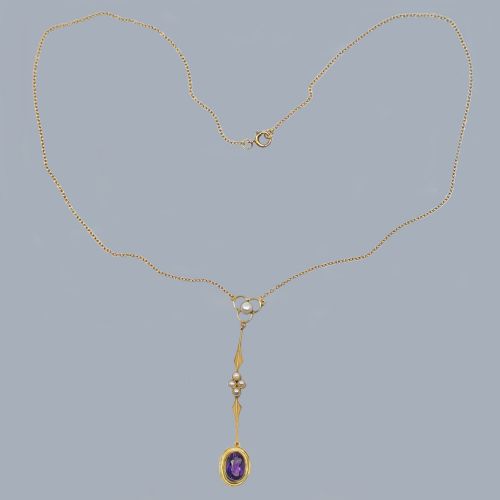
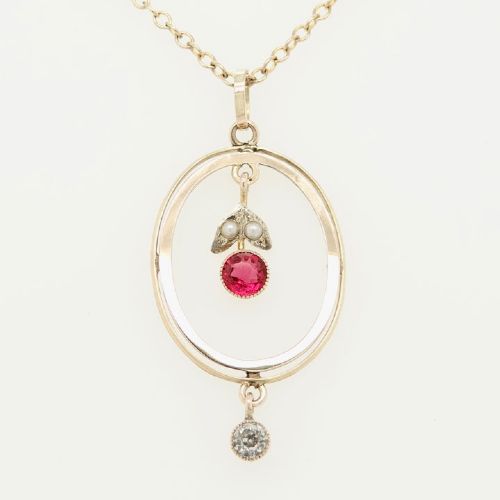
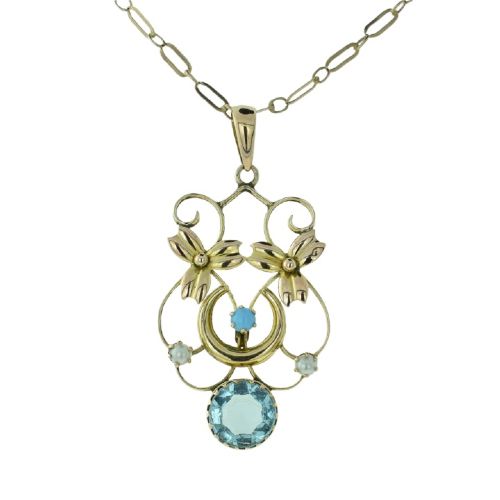
The selection on this page shows single, double, and triple strands alongside delicate lavalier and pendant necklaces. Pearls appear alongside seed pearls and blister pearls, paired with gold, silver, and platinum settings.
You meet pieces influenced by Arts and Crafts and Art Nouveau aesthetics, alongside classic fine jewellery. These items reflect the shifting fashions of the nineteenth and twentieth centuries through distinct decorative motifs.
Materials and technique
Goldsmiths utilised nine-carat and fifteen-carat gold, alongside silver and platinum, to form intricate settings, chains, and clasps. These metals hold gemstones such as amethyst, peridot, emerald, and diamond securely around the pearls.
Makers shaped seed pearls and larger pearls into strands or suspended them as delicate drops from lavalier pendants. Enamelwork, filigree, and hand-woven gold elements frequently accompany the pearls in these historical designs.
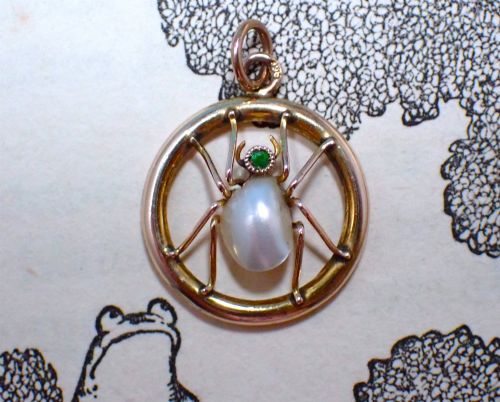
Several pieces feature tiny creeping gold spiders sharing necklace space with emeralds and pearls.
What separates the best examples
The distinction between ordinary and exceptional pieces rests upon the harmony of the design and the integrity of the metalwork. Master jewellers balanced the lustre of the pearls with precise gem-setting and considered proportions.
Finishing touches, such as hand-woven gold chains, signed maker elements, and well-preserved enamel or original boxes, separate standard items from the finest surviving works.
Hamilton and Co·Liberty and Co·Levinger and Bissinger·Theodor Fahrner
The Antique Style Pearl Necklace Glossary
- Seed pearl
- A very small, naturally formed pearl, often drilled and strung in quantity for delicate Edwardian and Victorian garlands.
- Lavalier
- A pendant necklace featuring a central gemstone or pearl drop suspended from a fine chain, popular during the early twentieth century.
- Blister pearl
- A pearl that has grown attached to the inner shell of the oyster, resulting in a domed shape with a flat back.
- Paste
- Hand-cut lead glass used to imitate gemstones in historical jewellery, prized for its own historical charm and brilliance.
Antique Style Pearl Necklace: Frequently Asked Questions
How do I care for antique pearls?
Pearls are organic gems that require gentle handling and benefit from being worn often, as natural skin oils help maintain their lustre. Keep them away from perfumes, cosmetics, and harsh cleaning agents.
Store your necklace flat in a lined box to prevent the silk thread from stretching. Have older strands periodically re-strung by a professional jeweller to ensure the knots between each pearl remain secure.
Are these pearls natural or cultured?
The pearls found in these pieces include natural saltwater varieties as well as cultured and seed pearls, depending on the specific decade of creation. Earlier nineteenth-century pieces more commonly feature natural pearls.
Grading reports or laboratory certificates sometimes accompany specific items to confirm the origin of the pearls. Examining the piece closely reveals the subtle variations characteristic of historical pearl formation.
How can I date my necklace?
Dating relies on stylistic clues such as the flowing vegetal lines of Art Nouveau or the geometric symmetry of Art Deco design. The choice of metals, such as platinum in the nineteen-thirties or rose gold in Victorian pieces, provides further context.
Assay marks and hallmarks stamped on the metal mountings offer precise clues to the origin year and workshop. Comparing the clasp construction and gemstone cuts helps narrow down the historical period.