


Antique Style Nightstands
Antique style nightstands bring period character to the bedroom through classic forms executed in rich mahogany, walnut, and oak.
Antique Style Nightstands
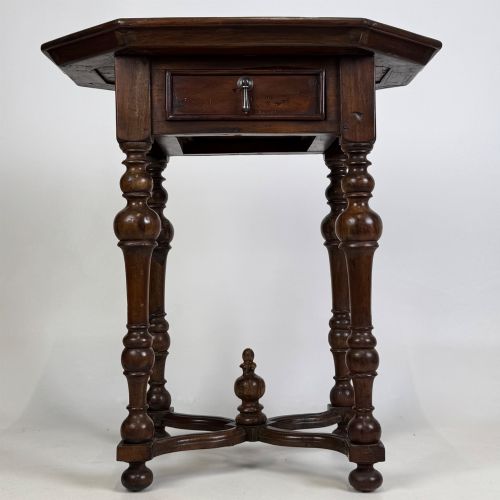
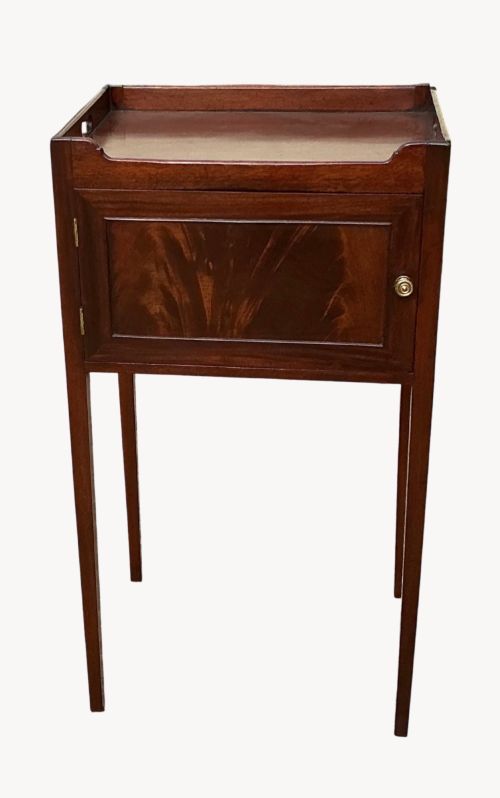
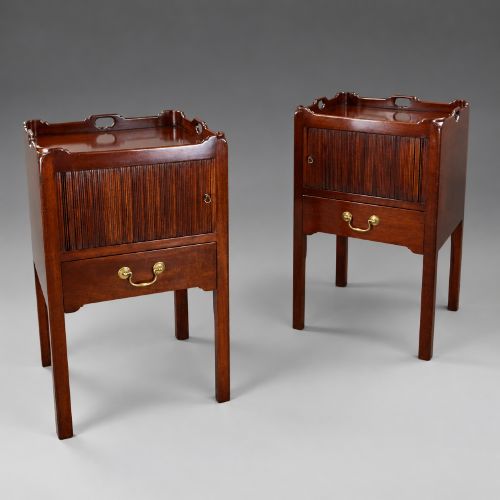
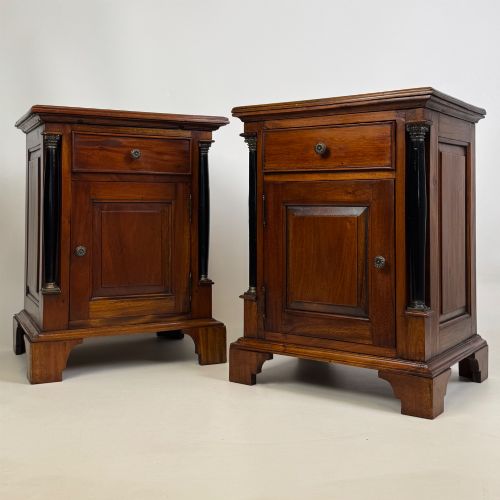
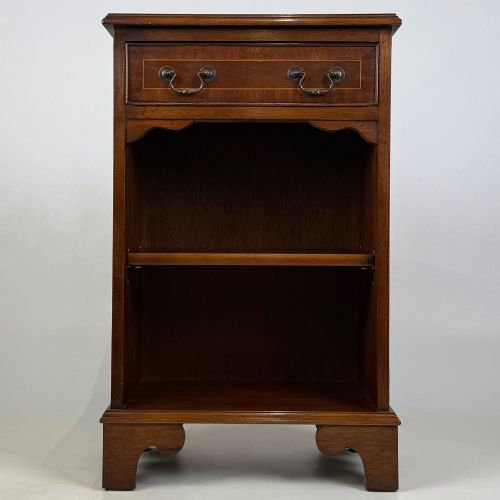
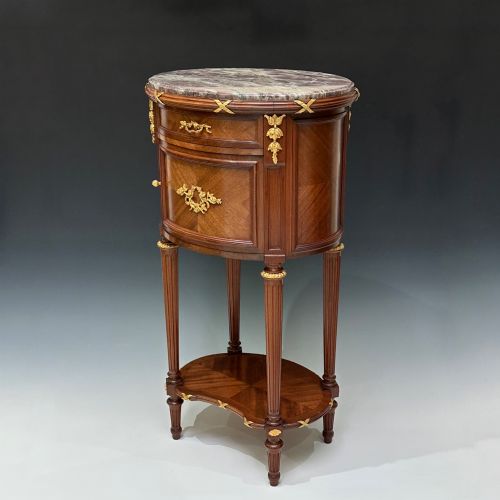
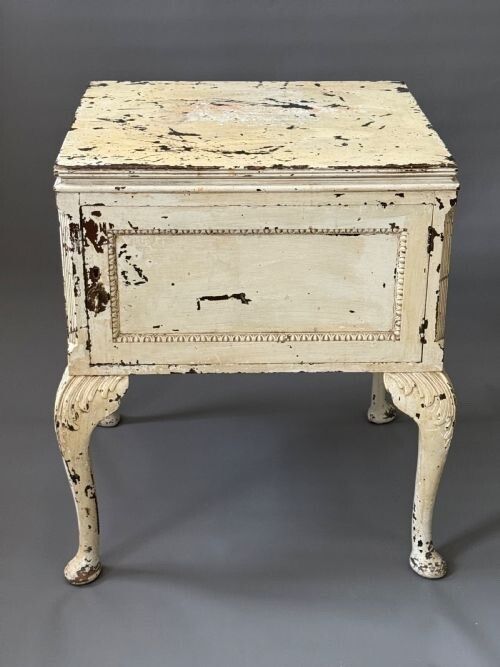
Antique style nightstands encompass a variety of bedside storage pieces, including bedside tables, lamp chests, and small cupboards derived from historical designs. When searching for antique style nightstands, buyers encounter numerous pairs and single items dating from the nineteenth century through the early twentieth century. These pieces draw upon established aesthetic traditions such as Georgian, Victorian, and French Louis XV styles.
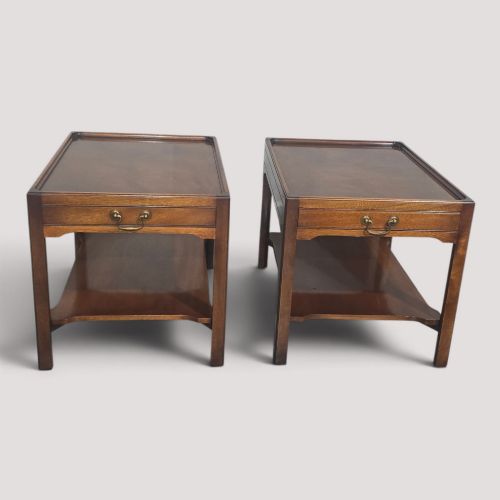
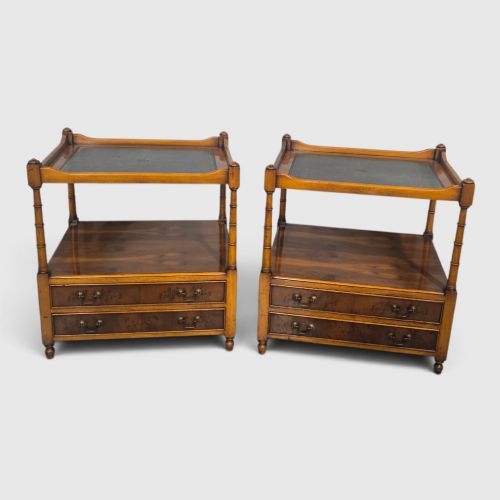
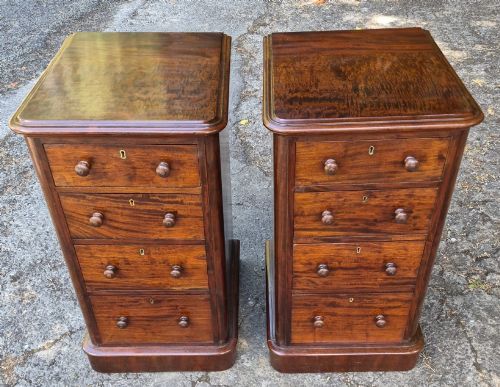
The most common formats on this page are mahogany and walnut bedside cabinets featuring enclosed cupboards or small drawers. Makers of these pieces frequently utilised revival styles, producing Queen Anne, Chippendale, and Sheraton adaptations alongside Edwardian and 1920s interpretations. Such pieces offer practical bedside surfaces while maintaining the decorative proportions of earlier periods.
Materials and Construction
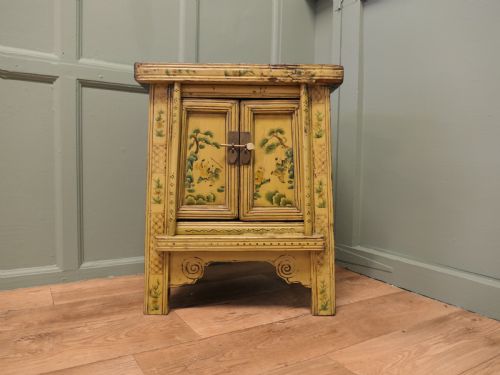
Cabinetmakers utilised solid timbers and decorative veneers, predominantly employing mahogany and walnut alongside oak, satinwood, and rosewood. Construction methods involve traditional joinery, dovetail drawer boxes, and panelled doors designed to accommodate domestic use. Surface ornamentation often incorporates marquetry, mother-of-pearl inlay, brass hardware, and painted Chinoiserie decoration.
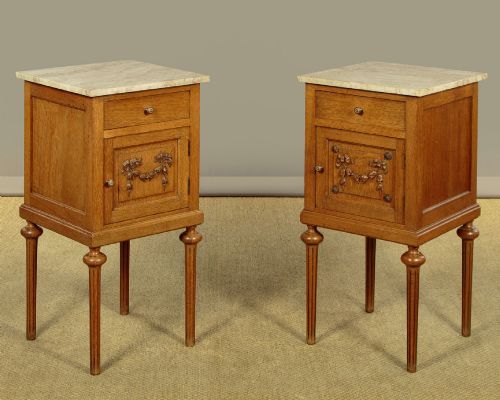
Specific regional workshops applied distinct decorative techniques, such as the curved serpentine fronts seen on French Louis XV style pieces or the figured grain patterns selected for burr walnut surfaces. Marble tops and carved details appear on selected continental and domestic examples, reflecting the stylistic preferences of various eras from the eighteenth century onward.
A mother-of-pearl inlaid occasional table sits quietly among the mahogany cupboards, ready to catch the morning light.
Assessing Quality and Execution
Quality in these pieces rests upon the selection of timber and the precision of the cabinetmaker's joinery. Superior examples display carefully matched veneer grains, clean internal drawer construction, and well-balanced proportions that respect historical precedents without feeling rigid.
The crispness of carved details, the integration of marquetry inlay, and the retention of original brass hardware further distinguish finer specimens from standard production. A well-executed revival piece demonstrates thoughtful material selection and durable assembly that mirrors the standards of the original period.
François Linke
The Antique Style Nightstands Glossary
- Marquetry
- Decorative veneer work arranged in geometric or pictorial patterns on the surface of furniture. It is composed of thin pieces of contrasting woods or other materials fitted together.
- Serpentine
- A furniture front or edge shaped with a central convex curve flanked by two concave curves. This contour requires careful woodworking skill to execute properly.
- Pembroke table
- A small drop-leaf table with hinged flaps on two opposite sides, introduced in the eighteenth century. These versatile tables served various domestic functions in sitting rooms and bedrooms.
- Burr walnut
- Timber taken from the abnormal growth of a walnut tree, yielding highly figured and swirling grain patterns. Cabinetmakers prize this wood for decorative veneering.
Antique Style Nightstands: Frequently Asked Questions
Are nightstands sold in pairs?
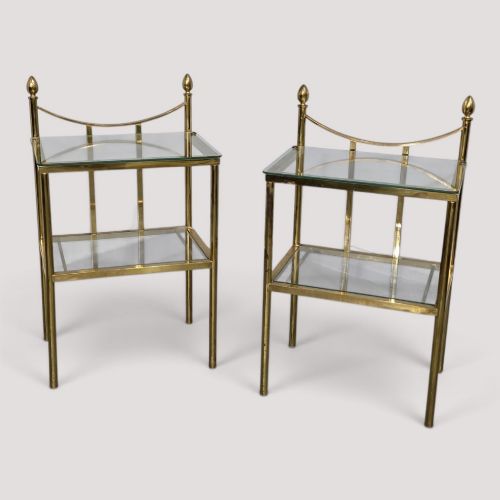
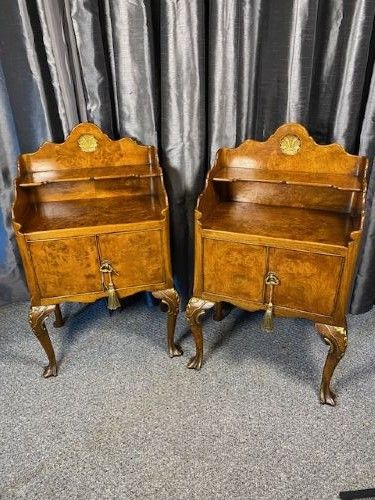
Many bedside tables and cabinets on this page are offered as matching pairs, which suits balanced bedroom layouts. Single pieces also appear frequently among the listings.
Pairs often originate from twentieth-century production runs or adapted nineteenth-century furniture groups designed for twin bed arrangements.
How do I identify different wood types?
Mahogany typically displays a deep reddish-brown tone with a straight or slightly interlocking grain. Walnut offers a richer brown colour, sometimes featuring highly decorative burr patterns.
Oak presents a distinct visible grain with medullary rays, while satinwood provides a lighter, golden-yellow appearance used for fine cabinetwork.
How do I care for antique wood surfaces?
Protect wood surfaces from direct sunlight and excessive moisture by using coasters and mats. Regular dusting with a soft, dry cloth preserves the finish.
Applying appropriate furniture wax periodically maintains the lustre of mahogany and walnut without building up heavy residues.