
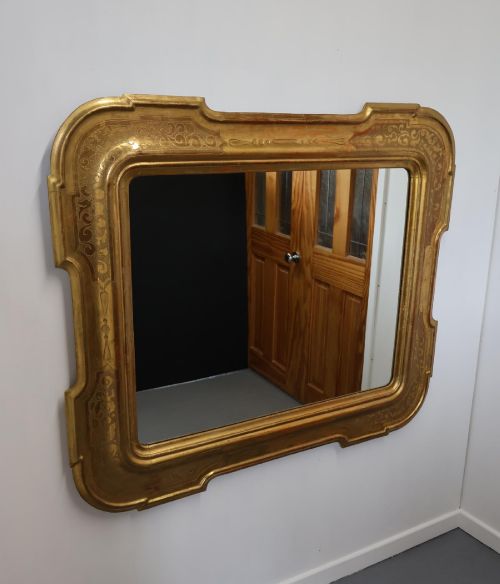
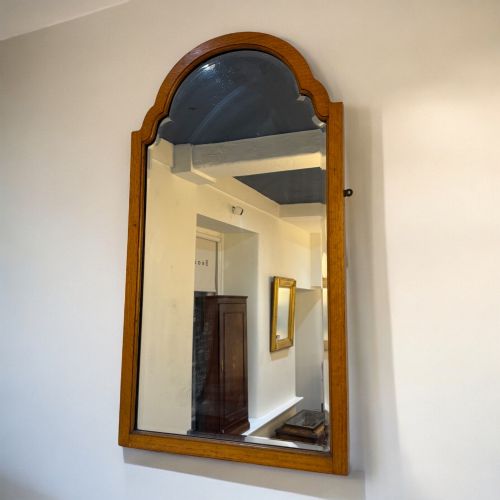
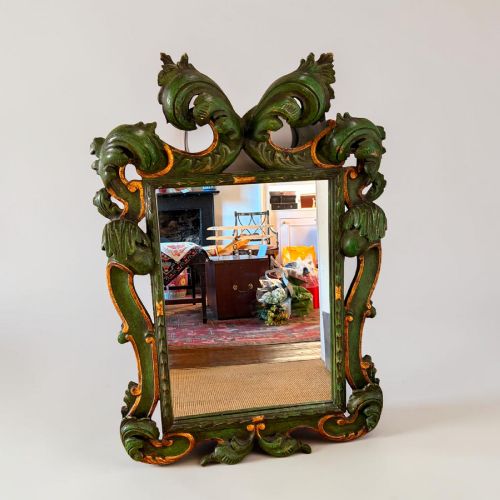
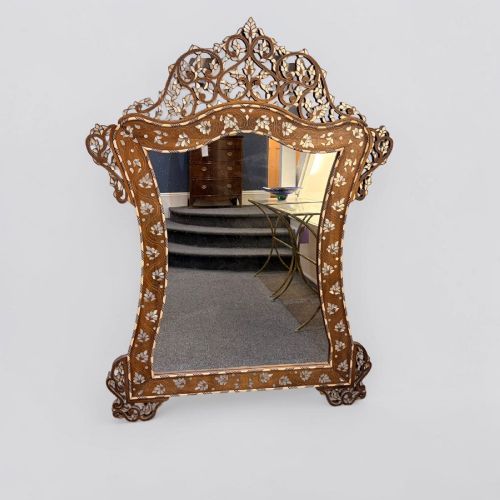
Antique Style Mirror Frame
When you search for an antique style mirror frame, you encounter decorative borders built across centuries in wood, gesso and giltwood to hold historic glass.
Antique Style Mirror Frame
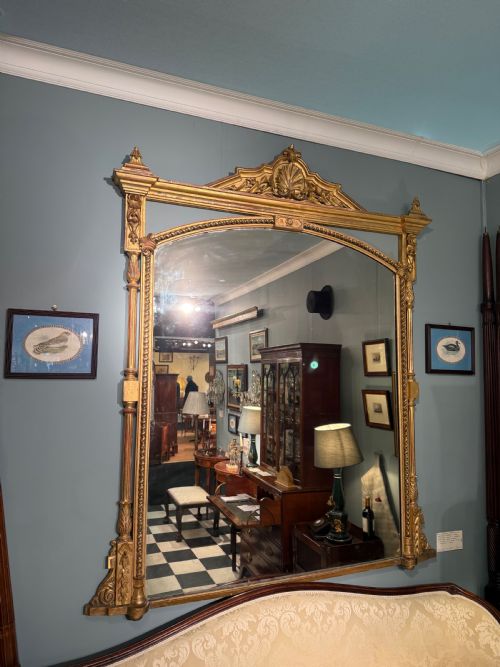
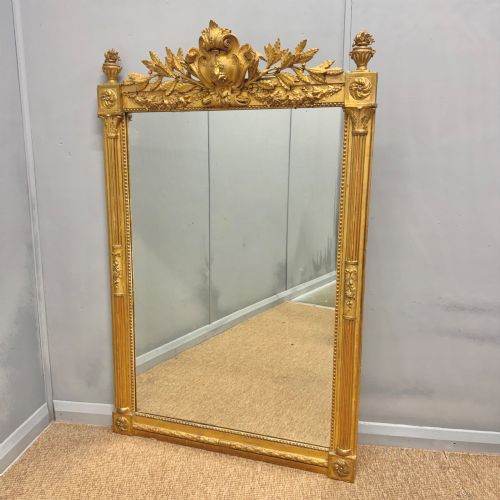
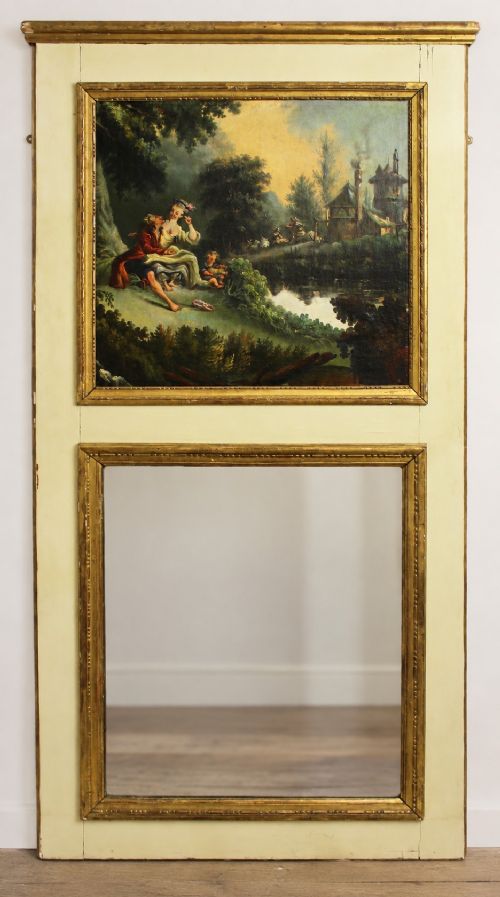
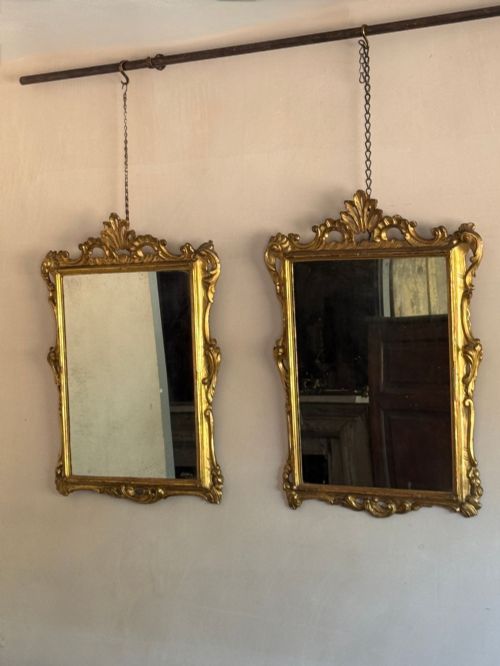
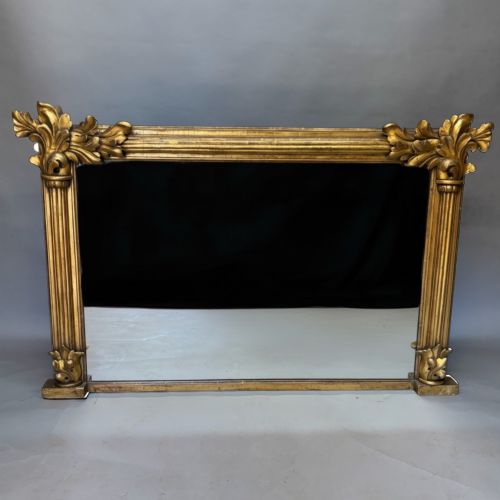
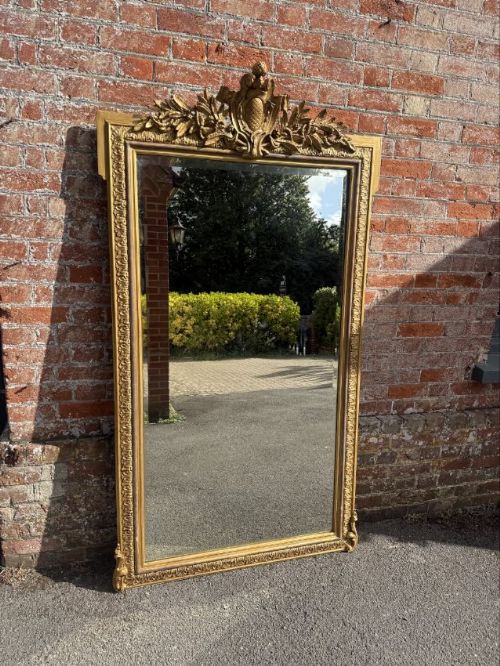
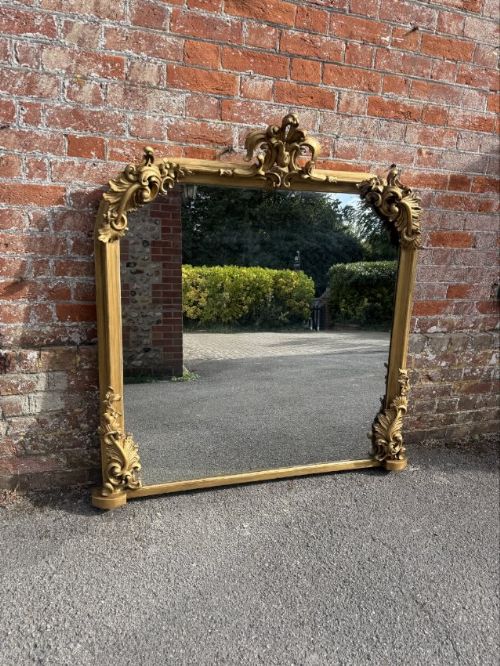
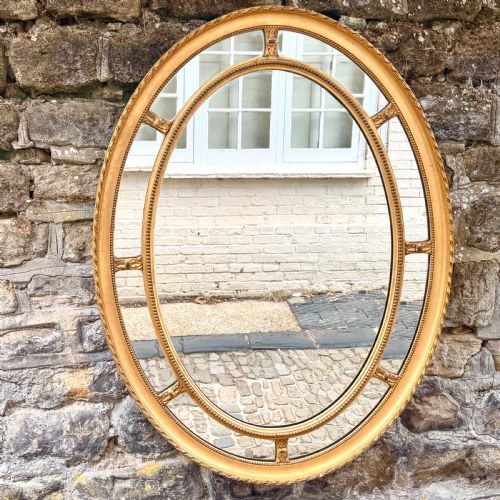
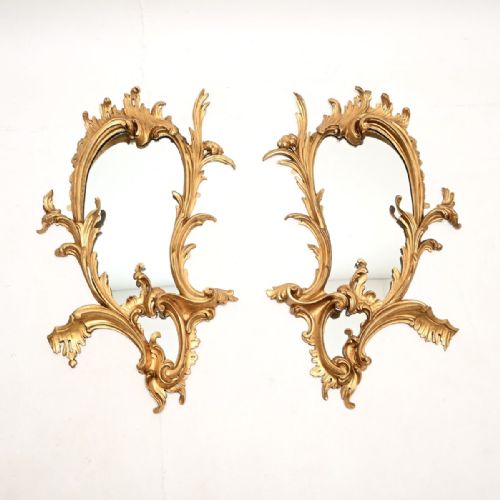
The antique style mirror frame category encompasses wall hanging formats, overmantels, girandoles and dressing table pieces built from the eighteenth century through to the early twentieth century. You will frequently find nineteenth century English and French interpretations, including Victorian and Rococo Revival examples that adapt earlier decorative vocabulary for period interiors.
Makers utilised timber, gesso and composition materials to build substantial surrounds, often applying gold leaf or paint finishes to create ornate profiles. These objects served functional daily purposes in reception rooms and bedrooms while doubling as architectural statements above fireplaces and consoles.
How They Were Made
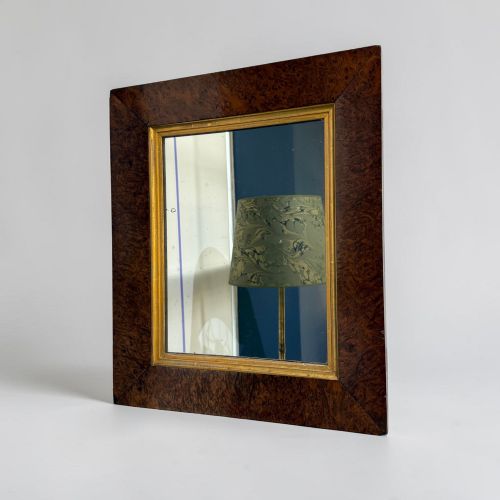
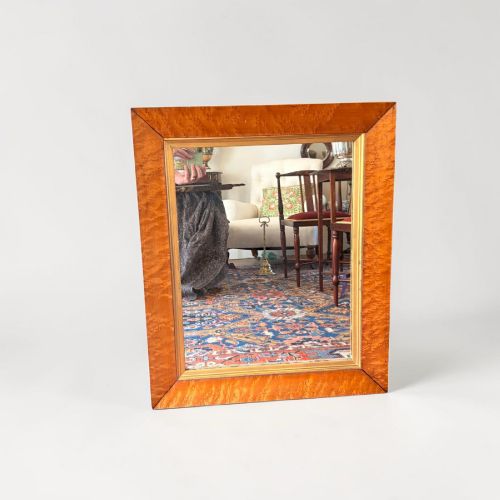
Carpenters and carvers shaped primary woods such as mahogany, oak, walnut and yew to form the structural foundation of the frame. Applied gesso and composition ornament allowed craftsmen to model intricate scrolls, ribbons and floral motifs before the application of gold leaf or surface paint.
Makers secured mercury glass or later mirror plates into the rebate behind wooden panels or protective backboards. Giltwood surfaces required skilled application of bole and metal leaf to achieve the characteristic reflective warmth seen across the period.
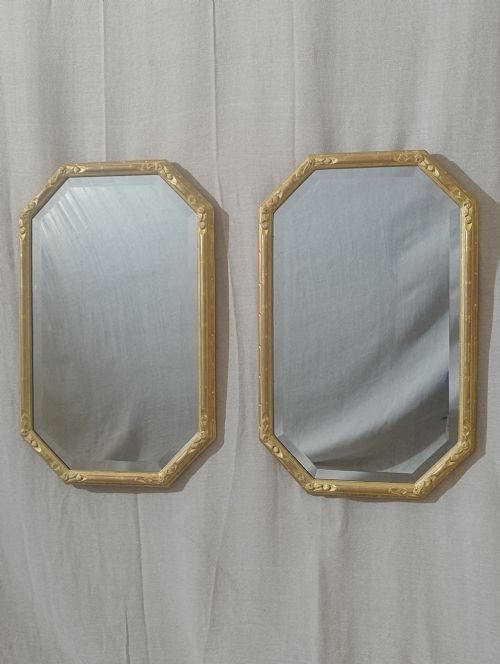
Listings feature periods spanning from the eighteenth century through to the 1920s, constructed in mahogany, oak, gesso and giltwood.
What Varies in Quality
The depth and crispness of the carved detail distinguish superior examples from simpler moulded or cast production. Hand-carved wooden ornament retains sharp edges and natural variation, whereas heavy composition mouldings can appear uniform and prone to cracking.
The choice of gilding materials and the preservation of original surfaces dictate the visual impact of the piece. High quality frames display layered gilding over prepared grounds, while lesser items exhibit flat paint or poorly adhered metal leaf.
The Antique Style Mirror Frame Glossary
- Giltwood
- Wood carved and coated with gold leaf. This material forms the primary reflective surround for many formal nineteenth century wall and overmantel pieces.
- Gesso
- A plaster mixture applied to wood frames to create a smooth surface for carving or gilding. Craftsmen model intricate relief decoration directly into this compound.
- Mercury glass
- Early mirror plate produced by applying a tin and mercury amalgam behind the glass. This technique creates characteristic dark spots and a deep, cloudy reflection.
- Girandole
- A decorative wall mirror featuring attached candle sconces. The arms reflect candlelight to brighten period rooms.
- Overmantel
- A large horizontal mirror designed to hang above a fireplace mantel. These pieces frequently feature arched tops and elaborate architectural mouldings.
Antique Style Mirror Frame: Frequently Asked Questions
How do I hang a heavy overmantel mirror?
Heavy nineteenth century frames require secure fixing directly into wall studs or masonry using appropriate steel brackets. Weight distribution across the primary wooden structure prevents stress on the decorative gesso corners.
Professional installation is recommended for large giltwood and overmantel formats to ensure safety in domestic settings.
What is mercury glass?
Mercury glass describes mirror plates manufactured using a mercury and tin backing technique prevalent in earlier production. This process yields an uneven, atmospheric reflection often marked by dark foxing spots.
Modern replacements lack the distinct depth and historical character found in surviving original plates.
How should I clean a gilded frame?
Dust giltwood and gesso surfaces gently with a soft, dry brush to avoid disturbing fragile gold leaf layers. Moisture and commercial cleaning chemicals can permanently damage historic water gilding and composition ornaments.
Regular maintenance involves simple dry dusting in the direction of the carved grain.
How do I identify a Victorian mirror?
Victorian examples often display robust carved decoration, including rose vines, heavy scrolling and architectural crests in wood and gesso. Construction details on the reverse, such as hand-sawn boards and older fixings, help confirm the nineteenth century origin.
Stylistic markers range from restrained early Victorian proportions to elaborate Rococo Revival flourishes.