




Antique Style Low Bench
An antique style low bench offers low-slung seating and sturdy timber frames that anchor period interiors with quiet utility.
Antique Style Low Bench
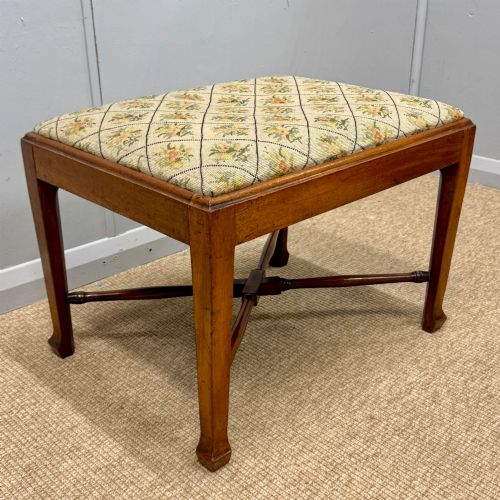
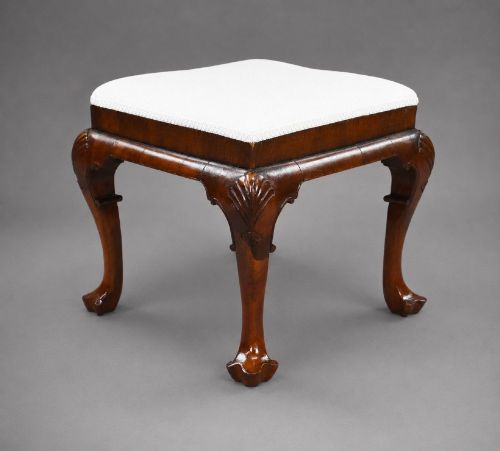
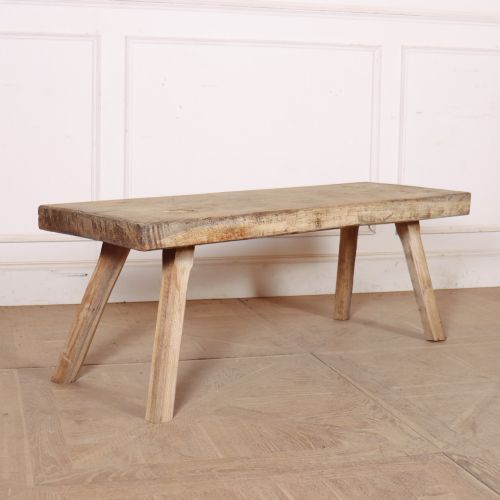
An antique style low bench appears across this page in forms such as dressing table stools, window seats, footstools, and low coffee tables. These pieces span periods from the nineteenth century into the early twentieth century, drawing on Victorian, Queen Anne, Georgian, and Jacobean revivals.
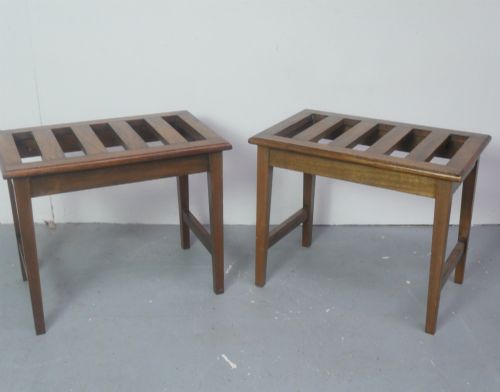
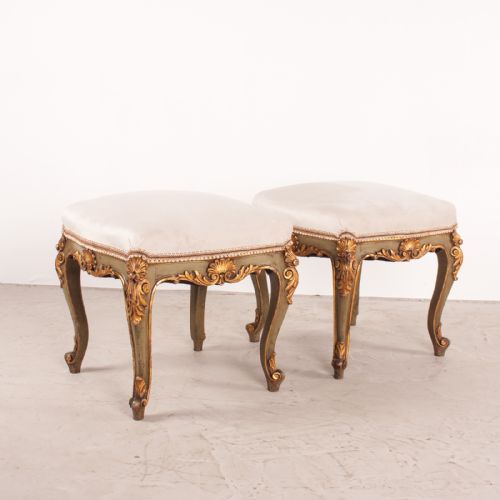
Makers and designers also utilised Chinese Qing Dynasty hardwood and French Régence or Louis XIV styles to create compact, low platforms. Buyers encounter rectangular saloon stools, caned top tables, and luggage racks designed to sit low to the floor.
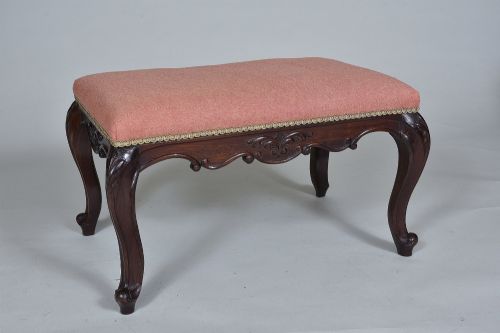
The primary function remains low seating or support within traditional rooms, often featuring cabriole legs, cross stretchers, or trestle forms. Walnut and mahogany dominate the timber choices, frequently paired with fabric, leather, wool, or tapestry upholstery.
Materials and construction methods
Carpenters constructed these low benches primarily from dense hardwoods like mahogany, walnut, and oak, shaping frames with traditional joinery. Artisans applied carving, gilding, and parcel gilt finishes to decorative elements, particularly on French and Venetian pieces.
Upholstered versions incorporate textiles such as wool, tapestry, needlepoint, fabric, and leather, secured over supportive stuffing. Details like brass castors, caning, and cross stretchers provide mobility and structural reinforcement to the low wooden frames.
One charming apprentice piece offers a miniature carved oak shelf table alongside full-sized salon seating.
Assessing quality in low seating
Quality rests in the crispness of the timber carving and the integrity of the underlying frame construction. Fine examples exhibit well-proportioned cabriole legs, robust joinery, and materials that retain their original character without excessive replacement.
The execution of decorative elements, from gilded surfaces to hand-woven cane work and needlepoint upholstery, separates standard utility items from masterworks. Original hardware, such as cast brass castors, adds distinction to nineteenth-century walnut and mahogany forms.
The Antique Style Low Bench Glossary
- Cabriole leg
- A furniture leg that curves outward and then tapers inward, resembling the front leg of an animal. This design became prominent during the Queen Anne and Georgian periods.
- Giltwood
- Timber that has been coated with a thin layer of gold leaf or powder. It appears frequently on decorative French and Venetian frames from the nineteenth century.
- Caning
- A woven material made from peeled rattan or bamboo strips, used to create breathable panels for seats and top surfaces. It provides a lightweight yet durable texture.
- Needlepoint
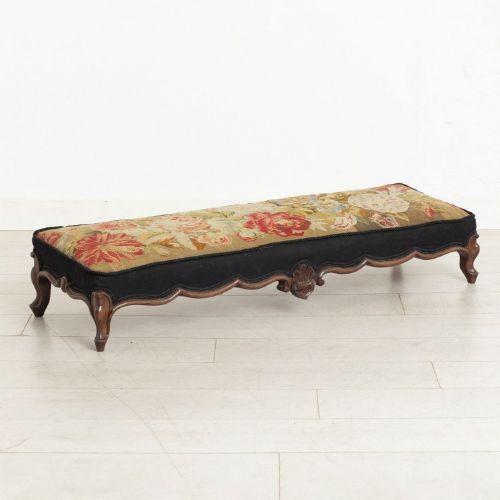
- A type of counted thread embroidery stitched onto an open-weave canvas. It often covers the padded tops of Victorian and Edwardian dressing table stools.
Antique Style Low Bench: Frequently Asked Questions
Where do you place a low bench?
These low timber forms suit placement at the foot of a bed, beneath a window, or alongside a dressing table. Their modest height also allows them to function as occasional coffee or magazine tables in compact reception spaces.
Traditional proportions ensure they integrate smoothly into living rooms, hallways, and bedrooms without obstructing views or traffic flow.
How do I care for upholstered stool tops?
Maintain fabric, leather, and needlepoint surfaces by gently vacuuming with a soft brush attachment to remove dust. Protect antique textiles from direct sunlight to prevent fading and preserve the original fibres.
Treat leather elements with appropriate conservation wax when necessary, avoiding harsh chemical cleaners that might damage nineteenth-century dyes.
What is the difference between a stool and a low bench?
Stools generally feature compact, square, or round upholstered tops supported by four legs or a trestle base. Low benches extend wider, offering expanded seating capacity or surface space.
Both forms share a low profile, though benches frequently incorporate window seat frames or luggage rack structures.
How can I identify a Victorian low footstool?
Victorian examples typically combine dark walnut or mahogany timbers with robust cabriole legs, brass castors, and original fabric or needlepoint upholstery. Look for dense wood grain and traditional hand-cut joinery beneath the frame.
Stylistic cues often reference earlier Georgian or Queen Anne revivals popular during the nineteenth century.