
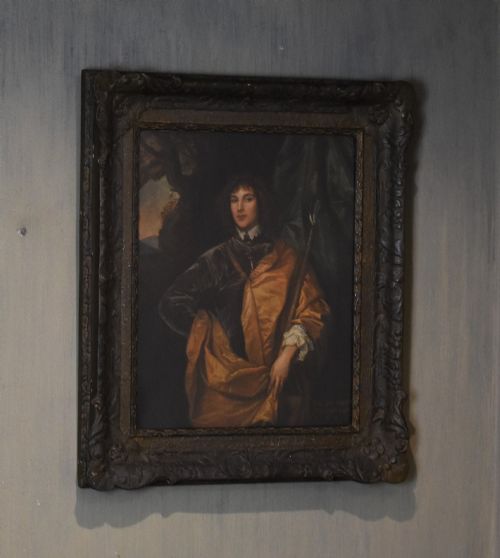
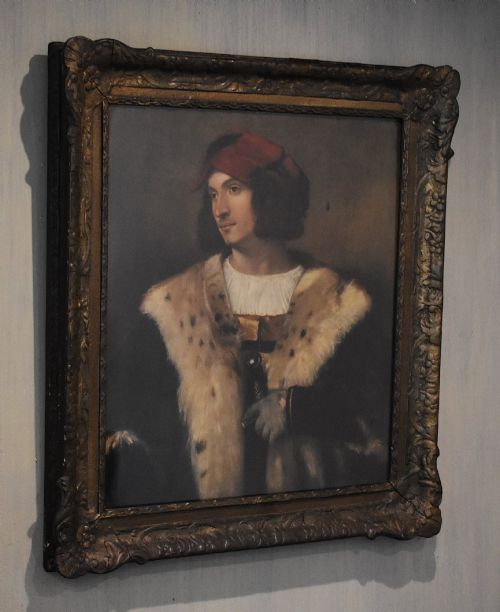
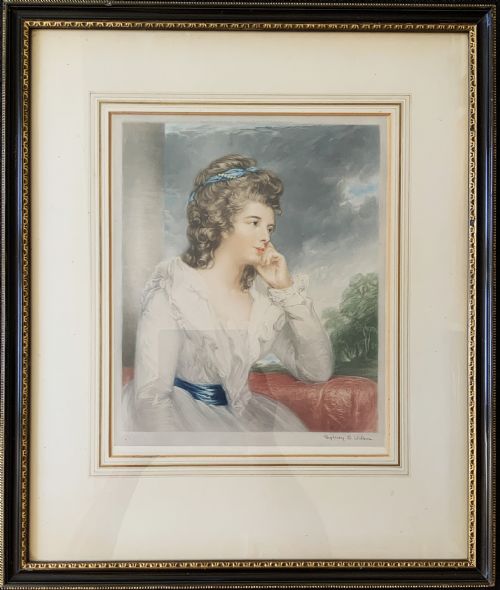
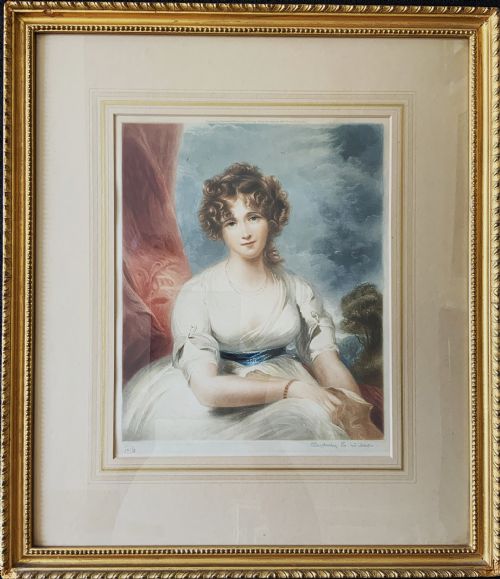
Antique Style Framed Prints
Antique style framed prints bring centuries of historical imagery, portraiture and romantic illustration into domestic spaces within period wooden frames.
Antique Style Framed Prints
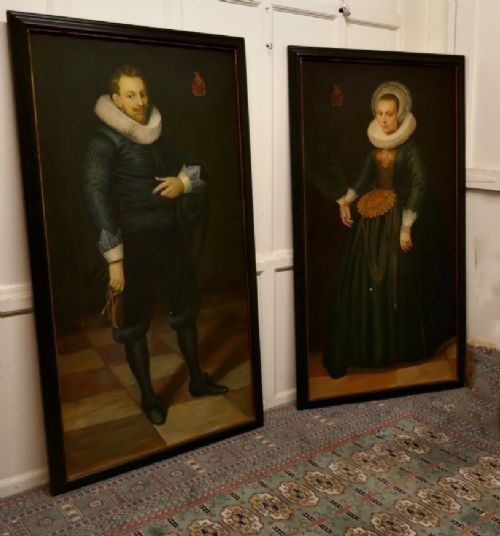
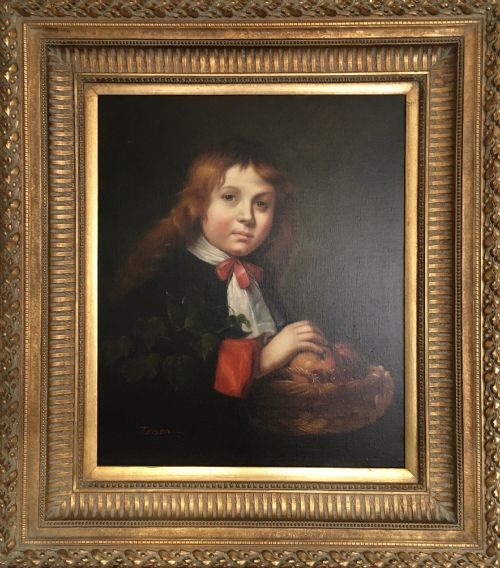
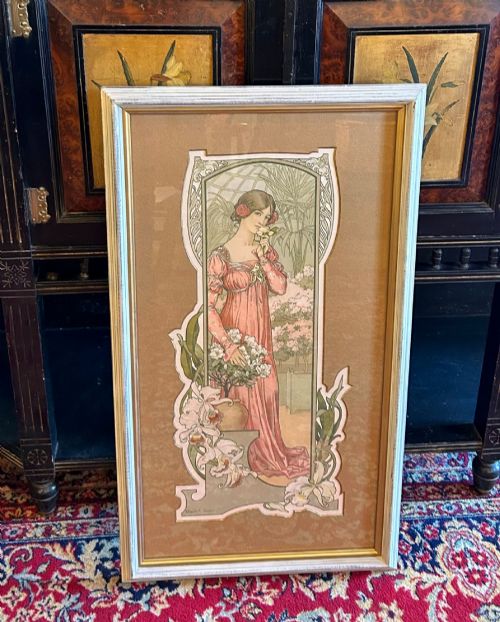
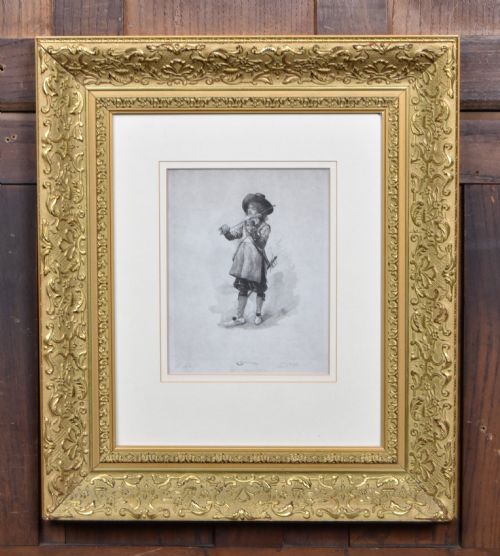
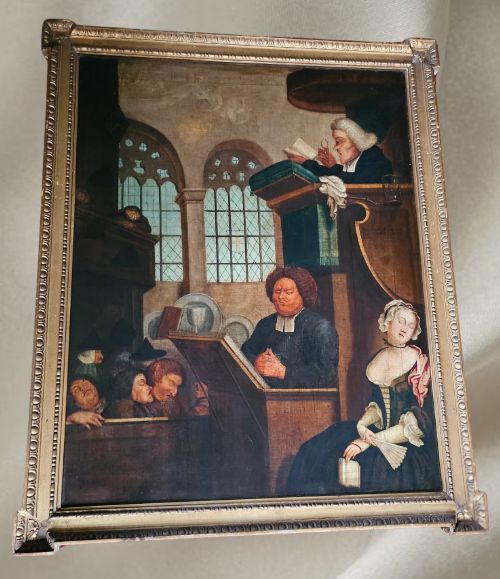
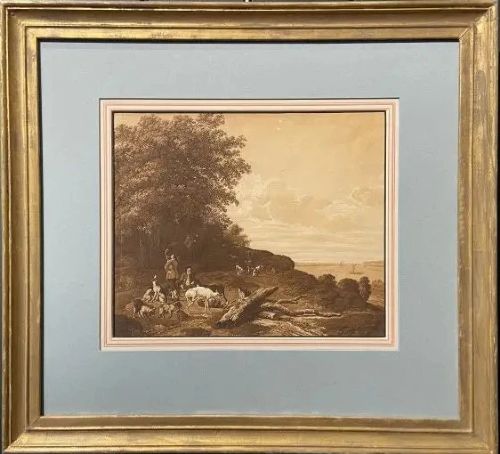
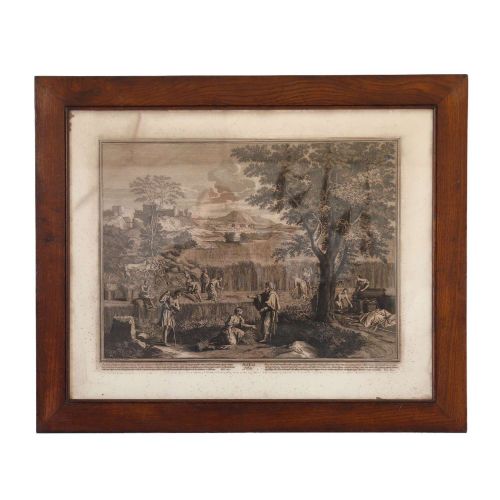
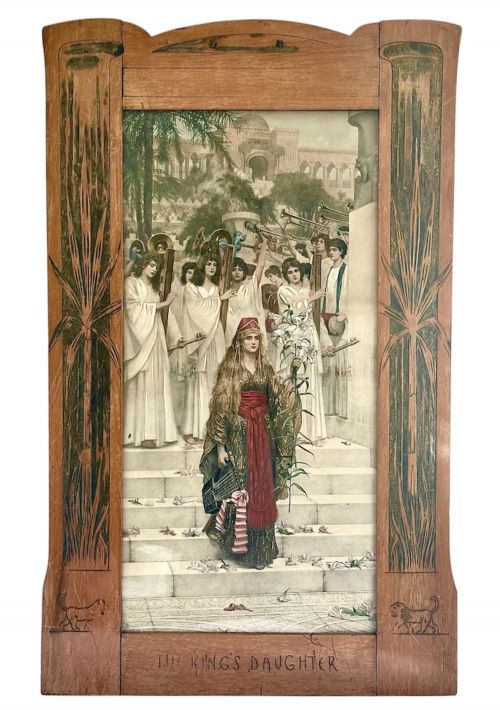
When searching for antique style framed prints, you encounter wall art that spans several distinct historical periods ranging from the seventeenth century through to the interwar decades. The selection includes engravings, lithographs, photogravures and mezzotints housed beneath glass inside wooden and gilded frames.
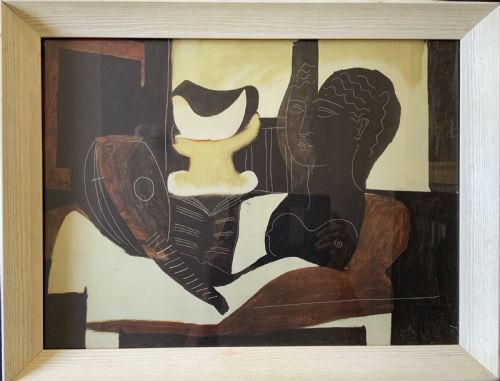
The subjects draw heavily on classical masters, portraits, Japanese fairy tales, botanical studies and romantic scenes. You find both original period prints and later twentieth century interpretations styled after earlier Georgian, Victorian and Neoclassical aesthetics.
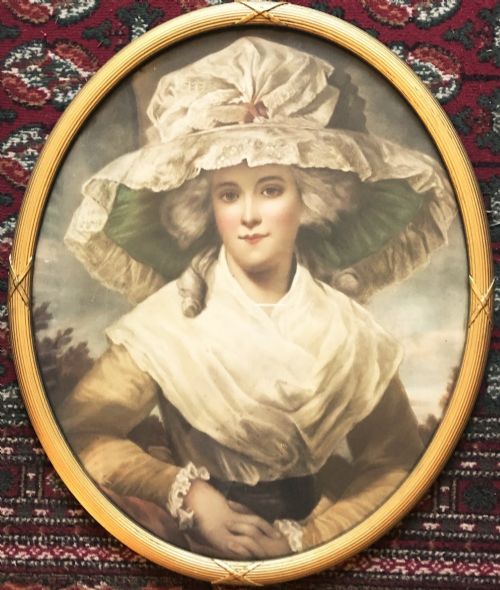
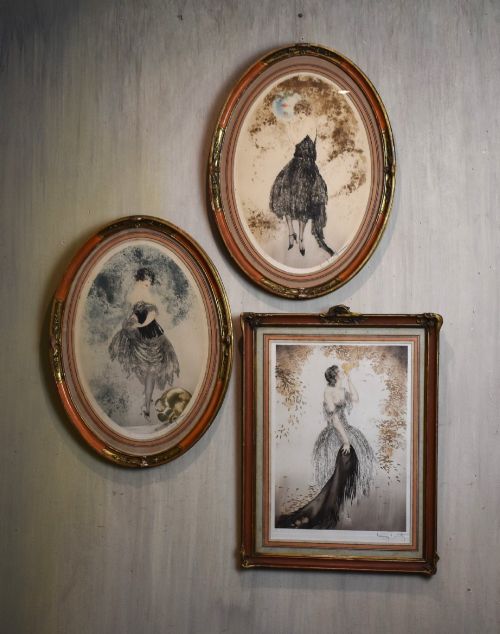
Framed artworks on this page incorporate diverse presentation formats, from large oval portraits and sets of multiple plates to individual hand-coloured engravings. Each piece utilises traditional framing materials that complement the paper and ink works contained within.
How they were made
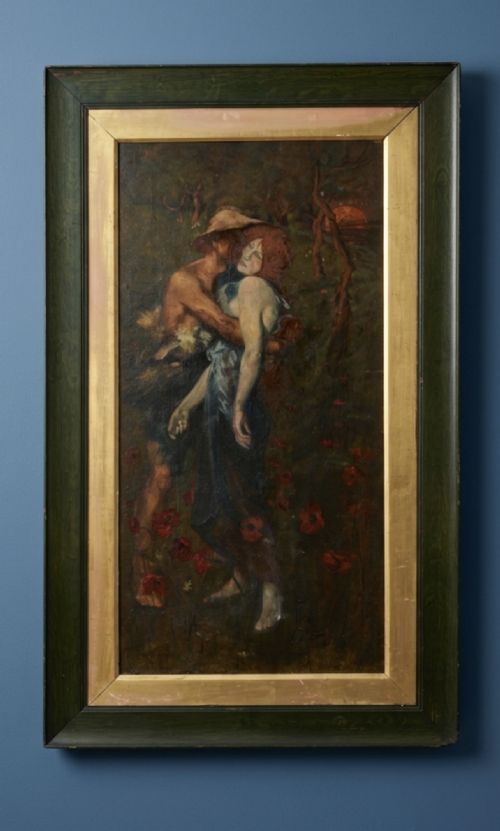
The primary visual elements rely on paper substrates marked through various printmaking techniques including engraving, lithography, photogravure and woodblock printing using dark ink and occasional hand-colouring. Master works are frequently reproduced through these methods or rendered as embellished oleographs and mixed media paintings.
Supporting the artworks, the surrounding frames utilise wood, glass and metal leaf finishes such as gold leaf, giltwood and gilded wood. These materials provide structural enclosure and protection for the delicate paper sheets while offering decorative mouldings characteristic of their respective periods.
Listings feature paper works and wood frames spanning the seventeenth century through to the 1940s.
What varies in quality
Quality differences stem from the precision of the print impression and the fidelity of the secondary rendering relative to the original source artwork. Finer mezzotints and engravings display sharper ink transfer, deeper contrast and meticulous detail in facial expressions and botanical lines.
The construction and materials of the frame contribute significantly to overall standard, where hand-gilded wooden mouldings and heavy glass glazing elevate the presentation above standard commercial framing. Intact sets and signed artist proofs also indicate higher tier production value.
Jean-baptiste Greuze·Elisabeth Sonrel·William Hogarth·Johannes Lingelbach·Herbert Gustave Schmaltz·Louis Icart·Sydney Wilson·Warwick Goble·George Romney·Simon Pietersz Verelst·George Edwards·Thomas G Appleton·Abraham Cooper·John Flaxman·Arthur Hacker·Antonio Capellan·Charles Burton Barber
The Antique Style Framed Prints Glossary
- Mezzotint
- A printmaking process of the intaglio family where the plate is roughened to produce dark tones and smooth areas yield lighter tones. This technique allows for rich tonal variations and smooth gradients in portraiture.
- Lithograph
- A planographic printing process based on the chemical repulsion of oil and water. Artists draw directly onto a limestone or metal plate to produce multiple faithful reproductions.
- Photogravure
- A intaglio printmaking technique that produces photographic images with continuous tones. It transfers a photograph to a copper plate etched with chemical baths.
- Oleograph
- A type of chromolithographic print textured to imitate an oil painting, often finished with varnish on canvas or heavy paper. Popular in the nineteenth and early twentieth centuries for domestic decoration.
- Giltwood
- Wood that has been treated with a thin layer of gold leaf or powder applied over a prepared gesso surface. It provides a bright, reflective metallic finish to picture frames.
Antique Style Framed Prints: Frequently Asked Questions
How do I identify the age of a print?
Dating relies on examining the paper type, printing technique, plate marks and framing construction methods typical of specific eras. Stylistic cues and artist signatures also help narrow down the production window.
Paper subjected to natural ageing processes often shows characteristic toning that differs sharply from modern chemical wood-pulp papers. Comparing the ink application method against known historical periods confirms the timeline.
Can I hang these prints in direct sunlight?
Direct sunlight damages both the paper substrate and the fugitive inks used in historical printmaking over time. Ultraviolet rays cause fading and paper yellowing.
Positioning artwork away from windows or utilising conservation glass with UV-blocking properties preserves the visual integrity of the ink and paper. Ambient room lighting provides safer viewing conditions.
What is the difference between an engraving and a lithograph?
Engravings involve cutting lines directly into a metal plate with a sharp tool to hold ink under pressure. This produces crisp, raised lines on the dampened paper.
Lithography relies on flat stone or metal surfaces treated chemically to accept ink only where the image is drawn. The resulting surface remains flat without the indentation left by metal plates.
How should I clean antique frames?
Dusting gently with a dry, soft microfibre cloth removes surface debris without disturbing delicate giltwood or wood finishes. Moisture should be avoided on older metallic leaf applications.
Glass cleaner applied directly to a cloth rather than the glass prevents liquid from seeping beneath the frame edge into the paper print. Routine dry maintenance keeps the wooden mouldings stable.