


Vintage Austrian Art
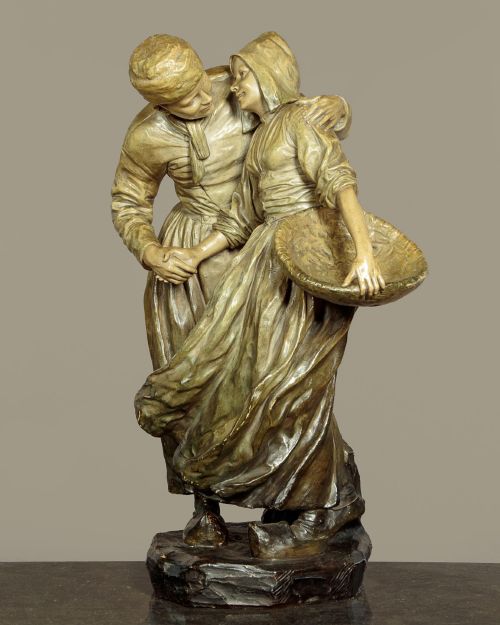
Vintage austrian art brings together diverse pieces spanning bronze, earthenware and oils from distinct periods including Art Deco and Art Nouveau.
Vintage Austrian Art
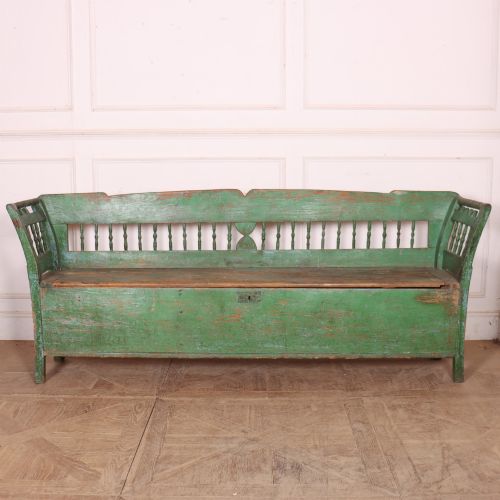
Vintage austrian art encompasses a broad selection of objects ranging from nineteenth century country furniture to twentieth century bronzes and paintings. Buyers exploring this category encounter functional items like painted benches alongside delicate decorative pieces.
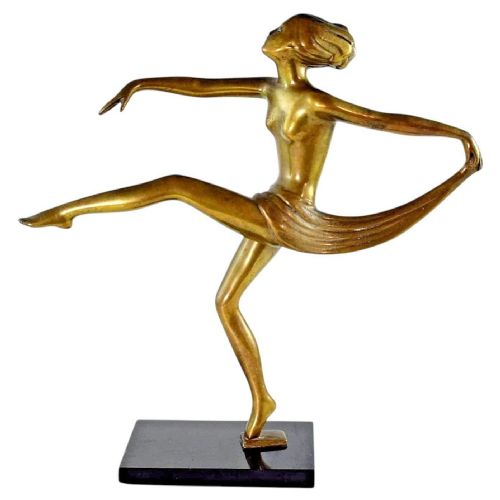
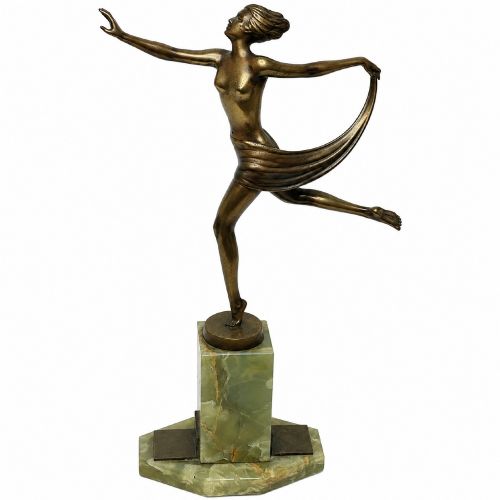
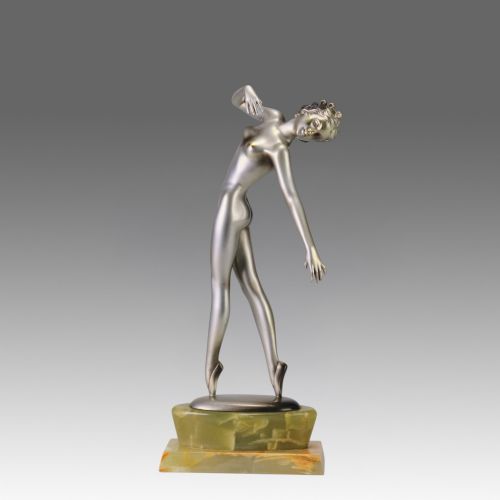
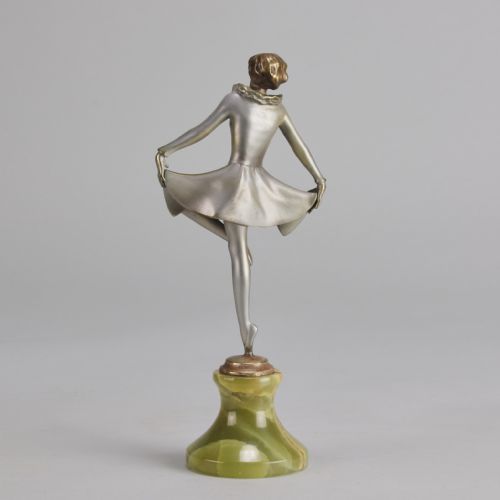
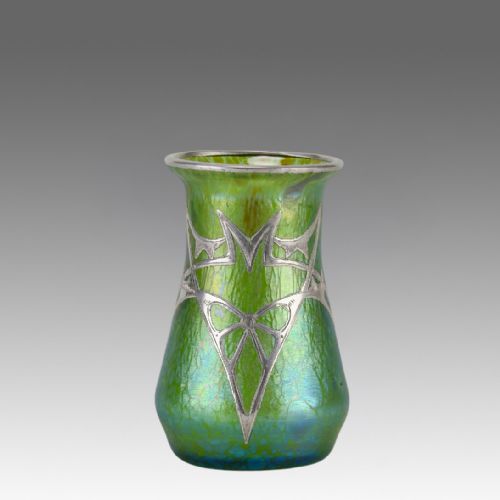
The material range is notably varied, moving from terracotta and majolica pottery to glass, silver and carved wood. Forms include figural dancers, wall masques, vases and oil paintings depicting landscapes and portraits.
Pieces from this category reflect shifting design movements across the decades, transitioning from classical revivals and folk traditions into the clean lines of the Vienna Secession and Art Deco eras.
Materials and construction methods
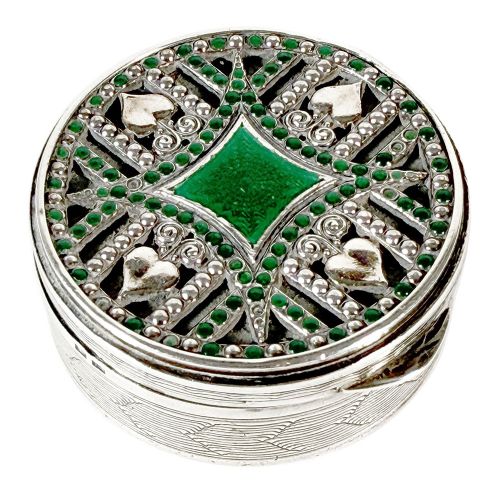
Metalwork often involves bronze and cold-painted bronze, alongside pewter and silver elements combined with enamel or glass. Ceramics appear widely as earthenware, terracotta, majolica and porcelain, shaped into figures and vases.
Wooden objects utilise pine, limewood and bentwood, frequently shaped into rustic benches, rocking chairs and carved panels. Glass production employs lamp work and iridescent techniques designed by notable glasshouses.
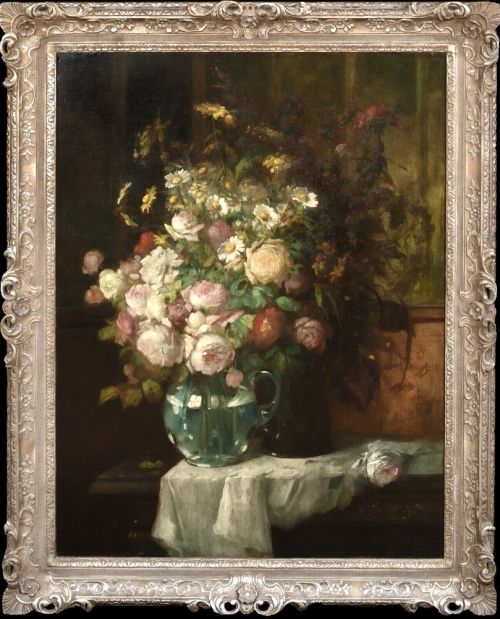
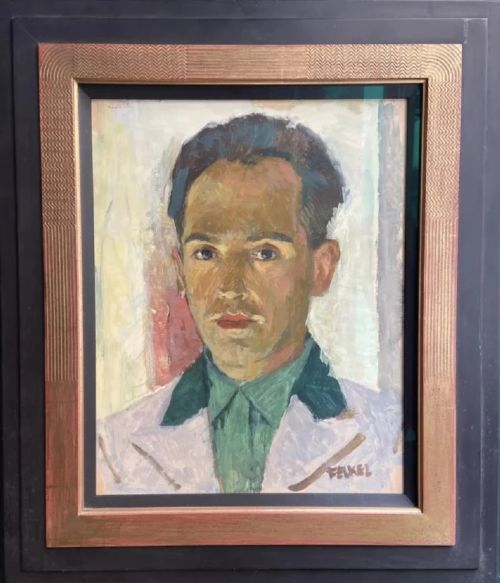
Paintings utilise oil on panel and canvas to capture landscapes, still life flower compositions and portraits. Mixed media works and precious metal jewellery set with emeralds and diamonds also appear within the selection.
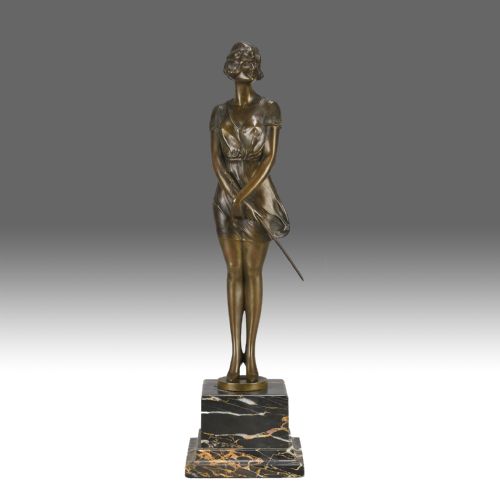
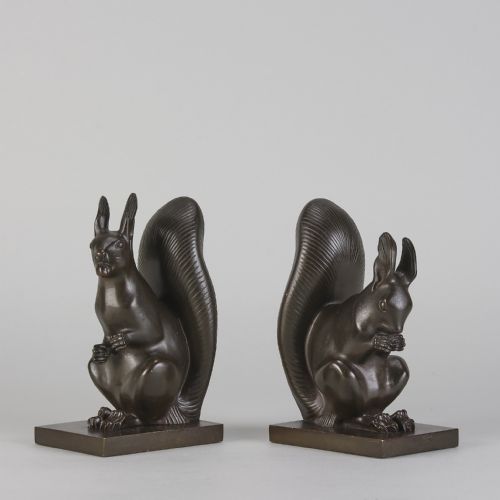
Tiny cold-painted budgerigars perch quietly alongside monumental marble-based dancers in the diverse menagerie of Austrian metalwork.
Factors influencing quality
Quality rests upon the precision of the casting in bronzes and spelter figures, where sharp details and clean cold-painted surfaces distinguish finer works. Ceramics show variation through the crispness of the moulding and the execution of hand-painted glazes.
Material choice and artistic attribution play significant roles, with works linked to recognised designers and makers commanding stronger interest. The integrity of the original surface finish, whether patinated bronze, painted wood or iridescent glass, determines desirability.
Proportion and execution define the higher tier of objects, such as finely carved limewood figures or well-balanced furniture pieces. Condition and authenticity of the period materials remain central to the standing of each piece.
Jacob and Josef Kohn·Bruno Zach·Josef Lorenzl·Konstantin Stoitzner·Goldscheider·Johann Loetz·George Adam Scheid·Franz Gruber·Friedrich Goldscheider·Gmundner·Hans Müller·Julius Dressler·Bimini·Ernst Wahliss·Otto Prutscher·Hans Temple
The Vintage Austrian Art Glossary
- Cold-painted bronze
- A method where bronze figures are painted with cold enamel colours rather than fired in a kiln. The paint sits on the metal surface and requires careful handling to preserve its integrity.
- Vienna Secession
- An artistic movement formed in eighteen ninety-eight by Austrian artists who resigned from the Association of Austrian Artists. It rejected historicism in favour of fresh geometric and floral designs.
- Spelter
- An alloy of zinc and other metals frequently utilised as a less expensive alternative to bronze for twentieth century figures. It often receives a bronzed finish to mimic heavier metal work.
- Majolica
- A type of earthenware decorated with opaque coloured glazes fired on a tin-glazed surface. It produces rich tones commonly seen in nineteenth century decorative jardinieres.
- Bentwood
- Wood softened by steam and bent into curved shapes, notably utilised in rocking chairs and seating produced during the nineteenth and twentieth centuries.
Vintage Austrian Art: Frequently Asked Questions
How do I identify Art Deco Austrian bronzes?
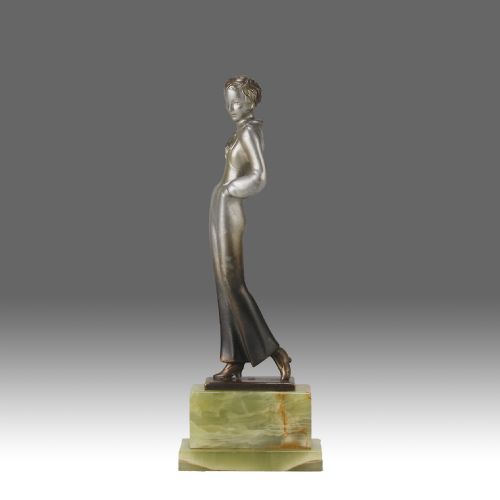
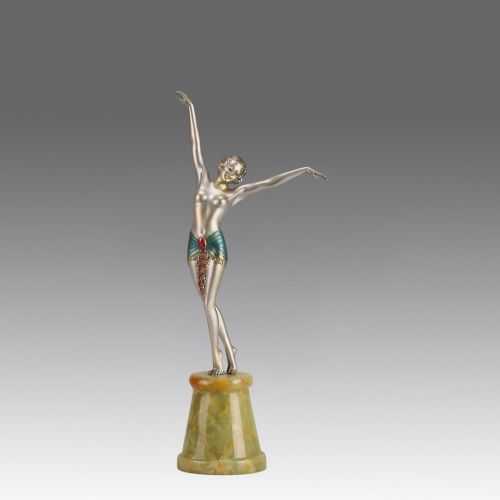
Art Deco bronzes from Austria typically depict stylised female figures, dancers or animals created during the early twentieth century. They often feature patinated or cold-painted surfaces mounted on marble or onyx bases.
Many figures bear the signatures of known makers or show distinct casting techniques associated with the period. Examining the weight, base material and surface detailing helps confirm the era.
What is cold-painted bronze?
Cold-painted bronze refers to metal sculptures coated in non-fired oil or enamel paints rather than subjected to kiln firing. This technique allowed makers to achieve vibrant polychrome finishes on small animal and human figures.
Because the paint is applied without heat, surviving pieces often display varying degrees of wear. Preserving this finish requires keeping items away from direct moisture and harsh cleaning agents.
How do I care for antique Austrian glassware?
Antique glass, including iridescent vessels and lamp work pieces, requires gentle handling and cleaning with a soft, dry cloth. Avoid immersing fragile items in water, particularly those with delicate surface treatments or metal mounts.
Display glass pieces away from direct sunlight to prevent colour fading and temperature extremes that can stress the material. Stable shelving protects items from accidental knocks.
Where were Vienna Secession items made?
Vienna Secession objects originated primarily in Vienna, Austria, emerging from an association of artists and designers who broke away from traditional academic art. Their output spanned furniture, metalwork, ceramics and glass.
These pieces reflect a distinct shift towards modernism, geometric motifs and stylised natural forms. They were produced by leading workshops and factories active around the turn of the twentieth century.