

Gold Frame Watercolour Art
Gold frame watercolour art brings together delicate pigment on paper and gleaming gilt surrounds across centuries of portraiture, landscape, and still life.
Gold Frame Watercolour Art
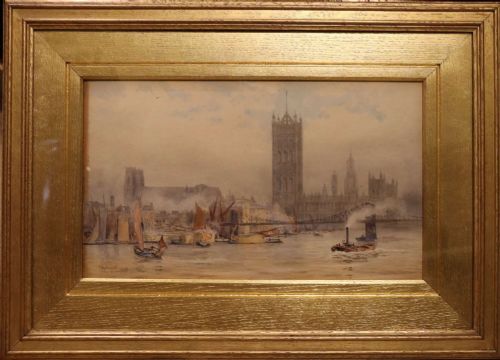
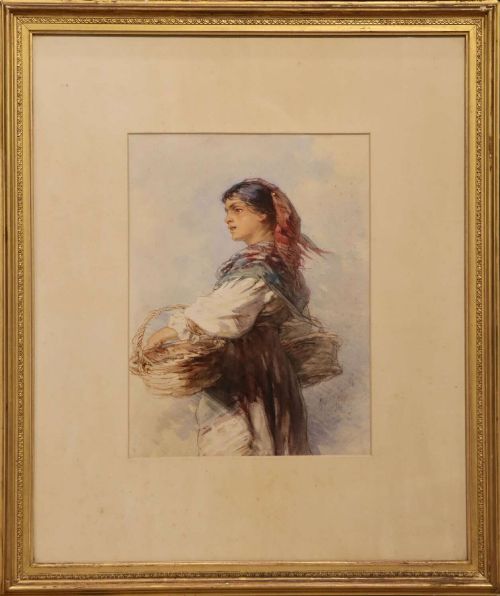
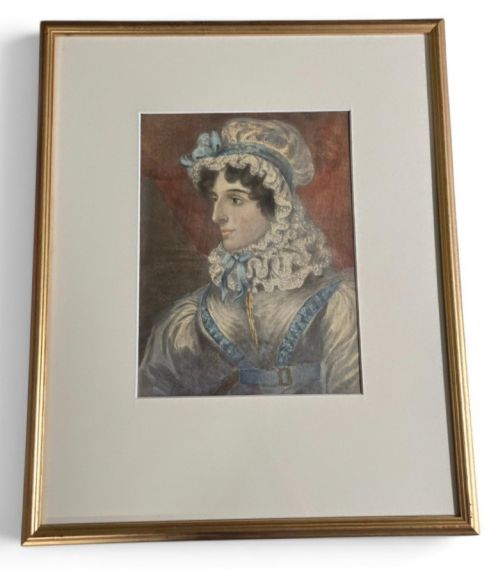
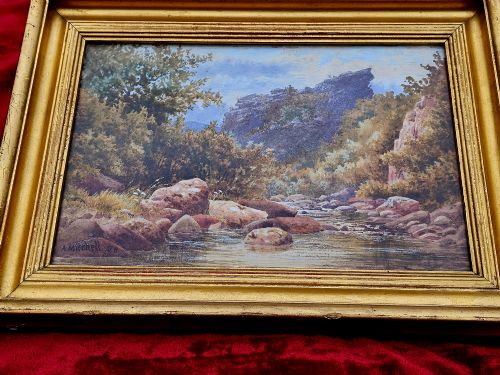
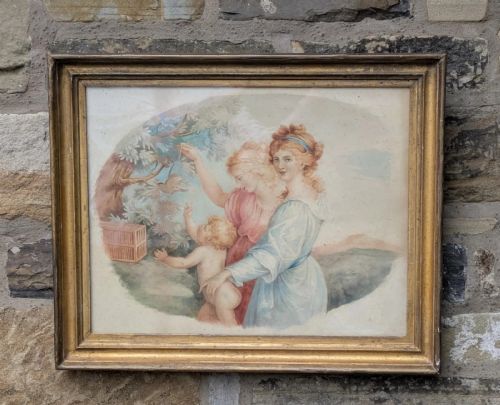
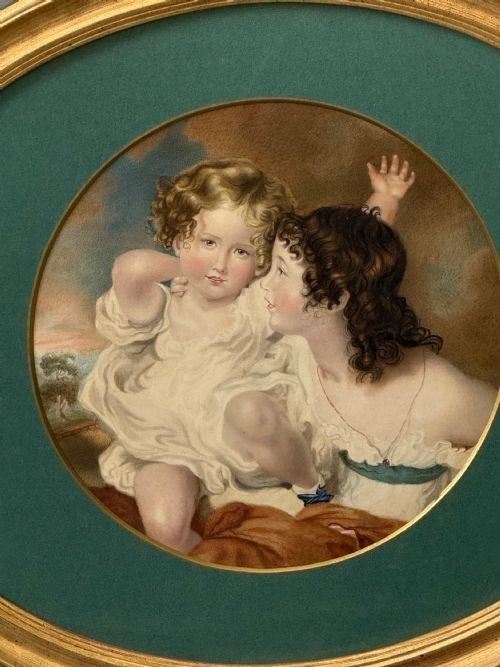
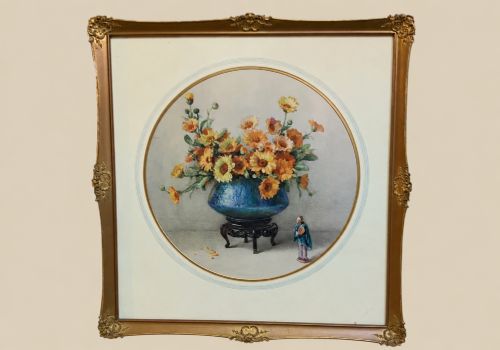
When searching for gold frame watercolour art, collectors encounter a diverse array of framed works spanning the eighteenth, nineteenth, and twentieth centuries. These pieces encompass miniature portraits, botanical studies, coastal scenes, and classical landscapes rendered on paper, card, or glass.
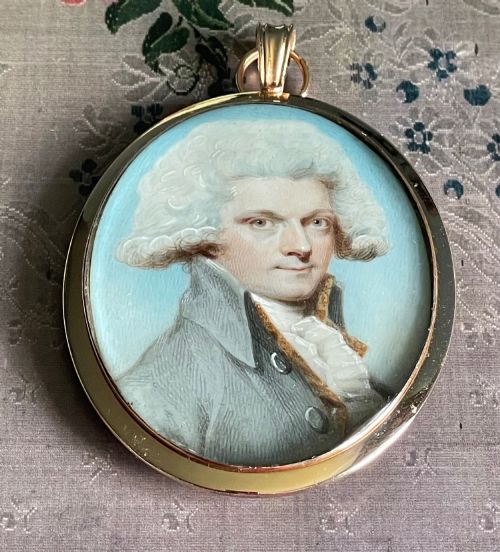
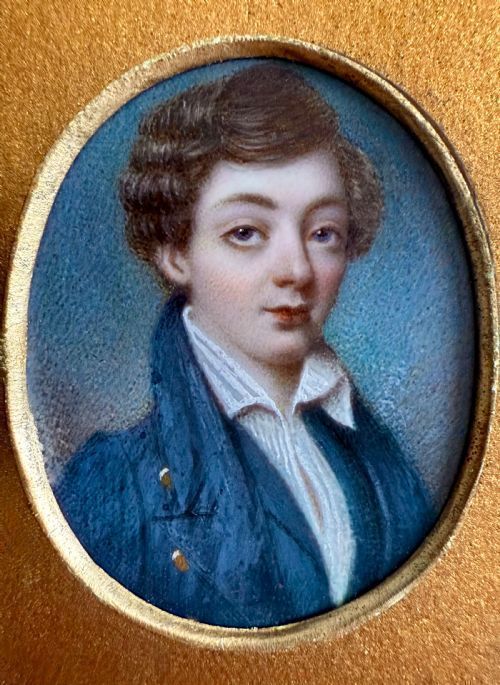
The selection on this page leans heavily toward nineteenth-century works, alongside Georgian miniatures and mid-century impressions. Pieces range from intimate pendant portraits housed in precious metal to substantial English and European landscape paintings.
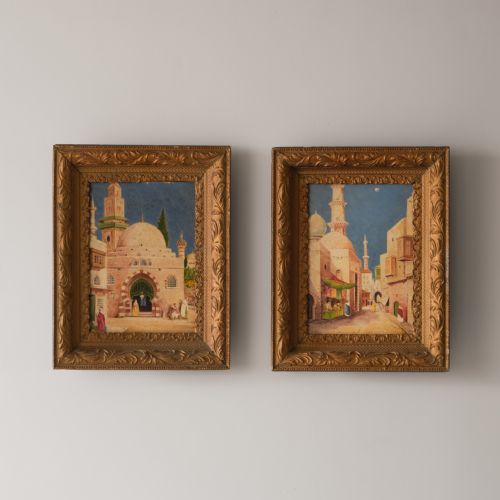
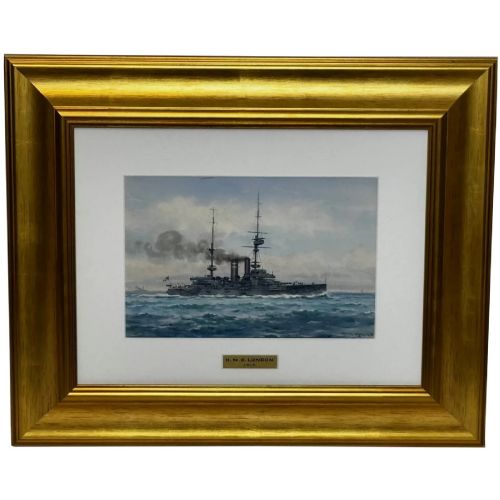
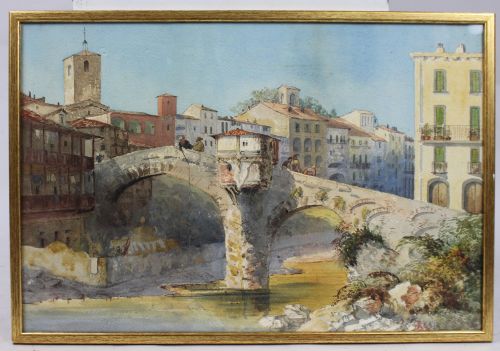
Subjects vary widely from quiet domestic interiors and game birds to marine watercolours and Italianate vistas. Each piece relies on the interplay between transparent washes of pigment and a protective gilded enclosure.
How they were made
Artists painted watercolours using finely ground pigments suspended in a water-soluble binder, applied in translucent layers onto paper, card, or glass. This technique required precision, as the white of the underlying support often provided the highlights for the composition.
Encasing these works involved joining wooden or metal mouldings treated with gold leaf, gilt wood, or gilt metal. Glazing with glass was essential to protect the vulnerable paper surface from moisture and atmospheric dust.
Listings feature works across the nineteenth century, Georgian, and Edwardian periods, utilising watercolour, paper, glass, wood, and gold leaf.
What varies in quality
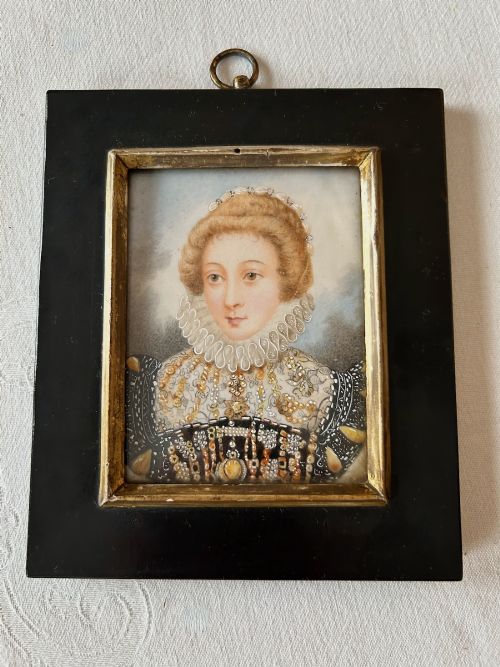
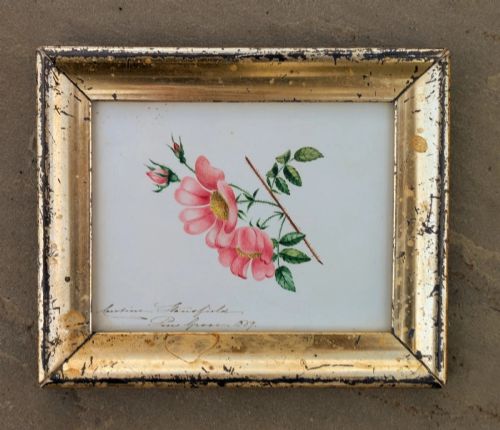
Quality rests in the draughtsmanship of the artist and the retention of vibrant pigment without excessive fading from light exposure. Superior watercolours demonstrate confident brushwork and precise detail, whether capturing the delicate petals of a wild rose or the intricate lace of a portrait sitter's collar.
The enclosure plays a significant role in the overall integrity of the piece, as period-appropriate gilt wood or gold leaf frames complement the artwork's scale and period. Original matching frames enhance the cohesion of the object, while later replacements alter the historical presentation.
Henri Fradelle·Charles Shirreff·William Banks Fortescue·Frank Watson Wood·Robert Thorne Waite·Ernest Arthur Rowe·George Oyston·Frederick James Kerr·Hendrik Valkenberg·Arthur Dudley·Frederick Buck·Robert George Talbot Kelly·Charles Henry Slater·Herman S Melville·George Stanfield Walters
The Gold Frame Watercolour Art Glossary
- Watercolour
- A painting method where fine pigment is mixed with water-soluble binders and applied to paper.
- Giltwood
- Timber that has been carved and coated with a thin layer of gold leaf or metallic powder.
- Portrait miniature
- A small, highly detailed painting, often executed on ivory, vellum, or paper during the Georgian and Victorian eras.
- Pendant
- A piece of jewellery or a small framed artwork designed to be worn or hung from a ribbon or chain.
Gold Frame Watercolour Art: Frequently Asked Questions
How should I hang watercolour art?
Watercolours are sensitive to direct sunlight, which can cause the delicate pigments to fade over time. Position these pieces on interior walls away from bright windows and sources of excessive humidity.
Ensure the hanging wire and wall fixings match the weight of the gilded frame securely. Professional picture hooks suited to your wall type will keep the artwork stable.
Are portrait miniatures watercolours?
Many early portrait miniatures were painted in watercolour, though some utilised gouache or enamel on specialised supports. These small-scale works were often housed in protective cases or gold frames designed to be portable.
Artists captured remarkable likenesses in miniature, often working with magnifying lenses to achieve fine facial details. These intimate pieces reflect the personal portraiture trends of the Georgian and Victorian periods.
How do I identify a period frame?
Period frames often display hand-carved gesso details, corner ornaments, and authentic patination on the gilt surface. Nineteenth-century and Georgian frames typically show construction methods and wear patterns consistent with their age.
Examining the backboards, fixings, and type of gold leaf can help determine whether the frame is original to the watercolour. Consistency between the age of the artwork and the frame adds historical value.
What subjects are common in these paintings?
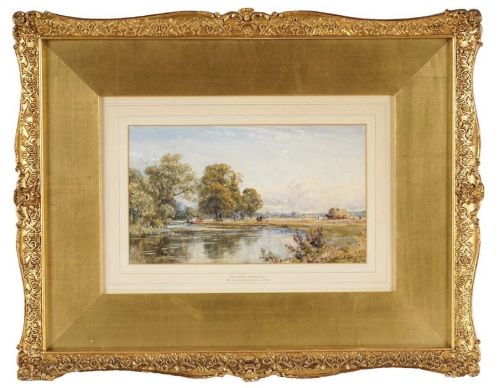
Landscapes and seascapes feature prominently among nineteenth-century works, capturing rural scenes, harbours, and coastal views. Botanical studies and floral still lifes are also widely represented across the Victorian era.
Portraiture remains a major category, ranging from formal depictions of ladies and gentlemen to naive character studies. Each subject offers insight into the artistic tastes and decorative preferences of the past.