

Antique Framed Child Art
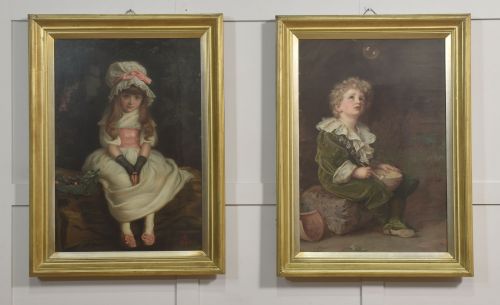
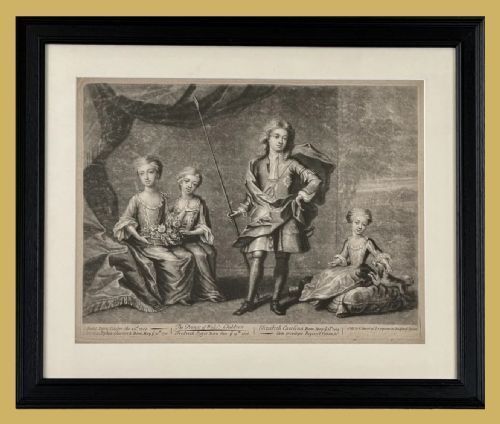
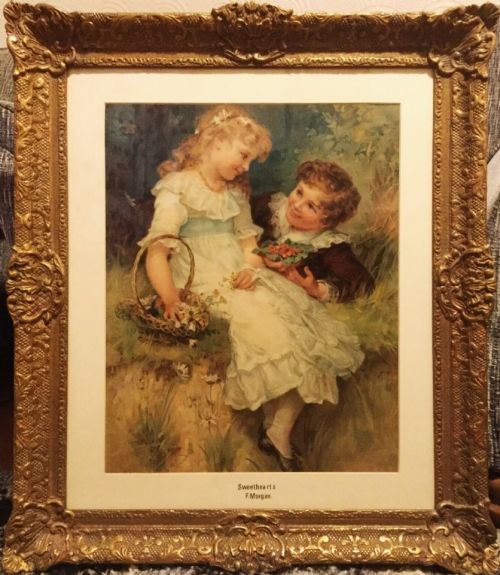
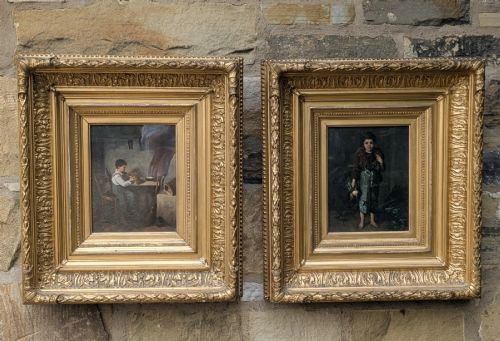
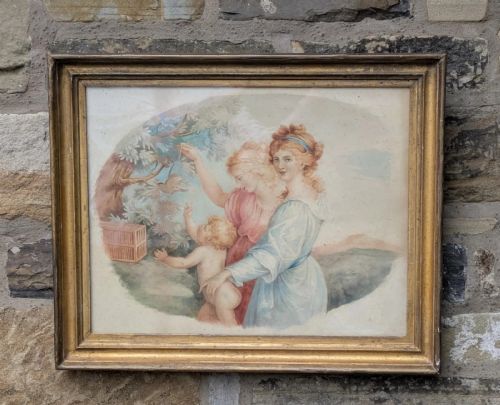
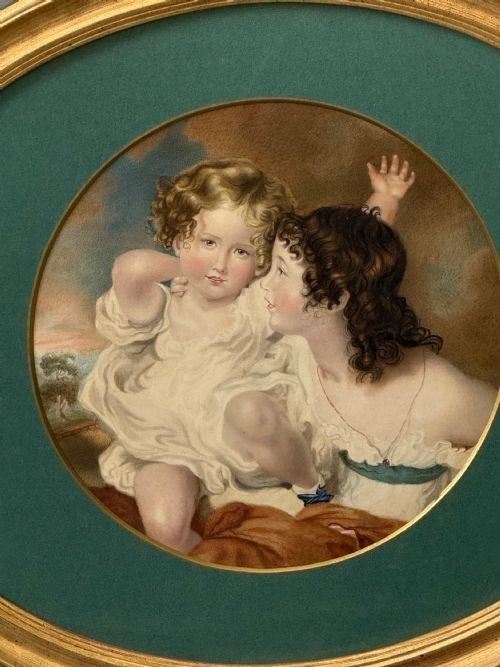
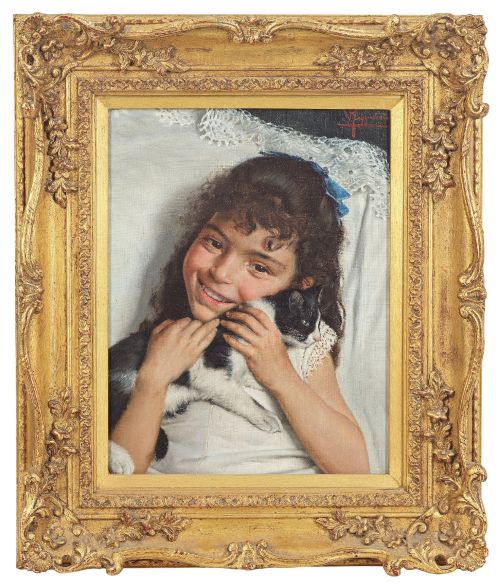
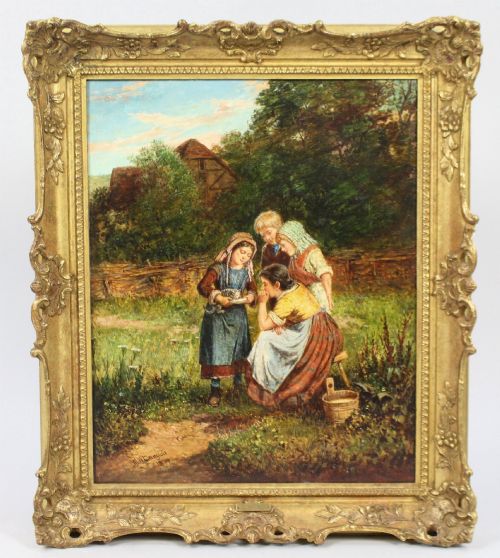
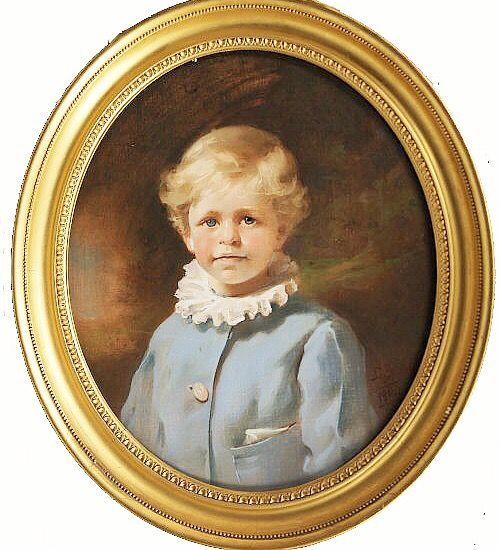
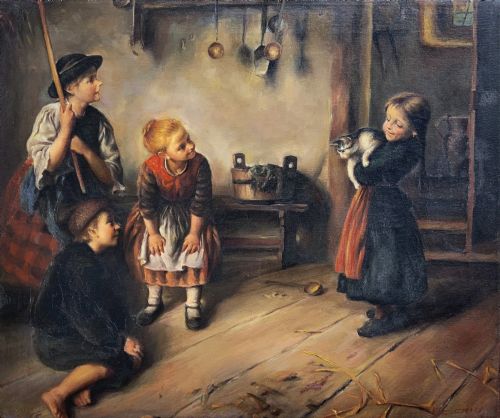
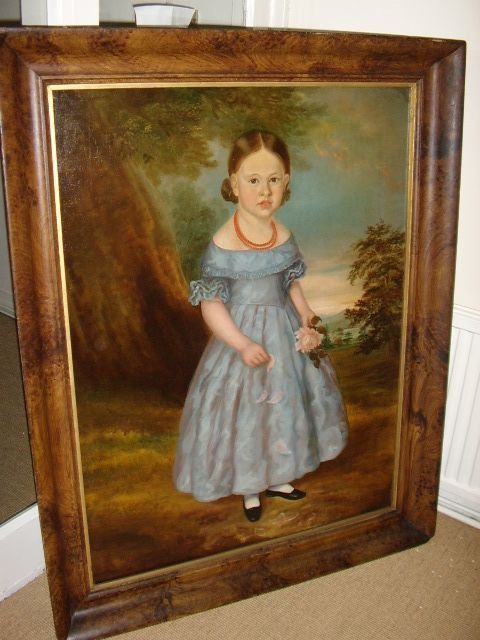
These pieces of antique framed child art capture centuries of portraiture and genre scenes, offering intimate glimpses of youth preserved in period frames.
Antique Framed Child Art
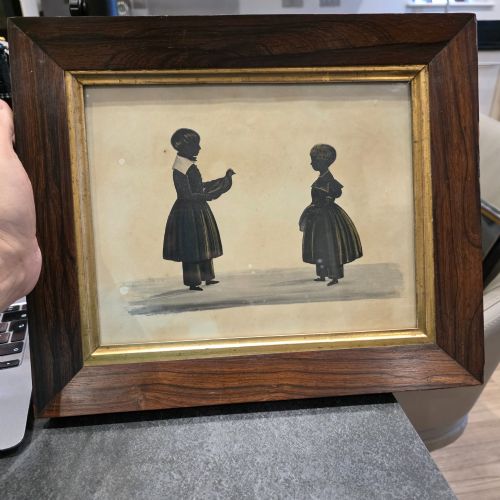
Antique framed child art encompasses oil paintings, watercolours, pastels, silhouettes, and prints dating from the sixteenth century through the mid-twentieth century. When searching for antique framed child art, collectors encounter formal aristocratic portraits alongside intimate genre scenes of young people at play or rest.
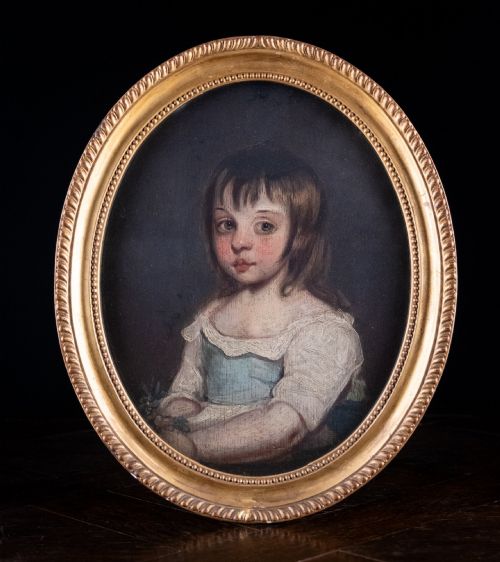
The materials span canvas, paper, wood, glass, and gold leaf, housed within period surrounds such as rosewood and giltwood frames. Pieces range from eighteenth-century oils attributed to established circles to nineteenth-century folk art and Victorian watercolours.
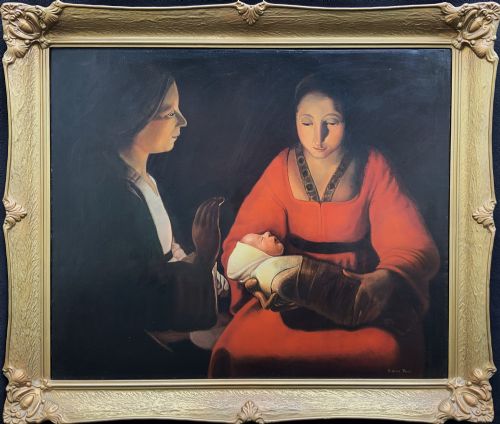
The selection reflects diverse European traditions, including British portraiture, Italian school religious depictions, and Northern European portrayals. Buyers most frequently meet nineteenth-century works and later prints on this page, alongside Georgian and Victorian examples.
How they were made
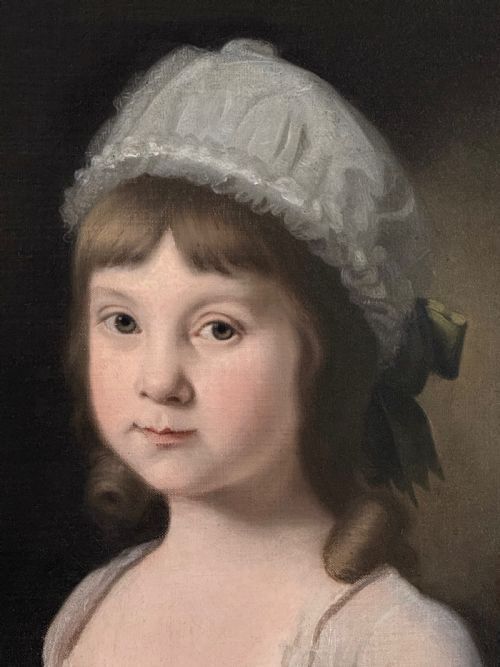
Artists painted primarily in oil on canvas or worked on paper using watercolour, pastel, and gouache, often applying meticulous detail to facial expressions and textiles. Engravings, mezzotints, and advertising prints utilised copper plates and press printing to reproduce popular imagery for domestic interiors.
Framing involved carved wood finished with gold leaf or constructed from dense hardwoods like rosewood to protect the delicate media beneath glass. Artisans mounted canvases onto wooden stretchers and secured works using traditional joinery and backing methods appropriate to their period.
Surviving subjects include royalty, aristocratic youth, rural children, and domestic pets captured in period frames of wood and gilt.
What varies in quality
The standard of execution in the draughtsmanship or brushwork distinguishes accomplished studio output from simpler folk art or mass-produced prints. Handling of light, anatomy, and psychological depth separates individualised portraits from generic depictions.
The integrity and original pairing of the frame contribute significantly to the overall merit of the piece, as period frames matching the exact age of the artwork retain historical coherence. The stability of the underlying support, whether canvas or paper, and the preservation of the surface pigment dictate the lasting condition.
Joshua Reynolds·Edward·Frederick Morgans·Vittorio Reggianini·Mark William Langlois·Leon Sprinck·Charles D’Agar·Augustin Edouart·Bernardino Luini·Adelaïde Salles-Wagner·George Augustus Holmes·Henry Travis·Adam Buck·Thomas Beach·Henry Windsor Fry·James Ward·John Hoppner·Charles Hunt·Frederick Tatham
The Antique Framed Child Art Glossary
- Mezzotint
- A printmaking process of the intaglio family where the plate is roughened uniformly to produce rich tonal gradations. It allows for subtle shifts in light and shadow, making it popular for reproducing oil paintings.
- Silhouette
- A portrait cut from dark paper or painted in monochrome profile, typically black on a light background. Popularized in the eighteenth and nineteenth centuries, these works often capture domestic likenesses with economical precision.
- Genre painting
- The pictorial representation of scenes from everyday life involving ordinary people. These works depict domestic activities, childhood pastimes, and rural labour rather than grand historical or mythological subjects.
- Giltwood
- Wood, often carved gessoed timber, coated with gold leaf or gold paint to simulate solid gold. It provides ornate reflective borders for mirrors and paintings.
- Pastel
- A dry painting medium consisting of powdered pigment and a binder rolled into sticks. It creates velvety, luminous surfaces that require protection under glass.
Antique Framed Child Art: Frequently Asked Questions
How do I date an antique child portrait?
Dating relies on costume, hair styling, framing materials, and stretcher construction. Pigments and paper types also offer clues to the era of production.
Signatures, inscriptions on the reverse, and stylistic conventions of the artist or school help narrow the decade of creation.
Are silhouettes considered original art?
Hand-cut or hand-painted silhouettes are original unique works created by profile artists working from life or shade traces.
While some were mechanically assisted by physiognotrace devices, each surviving antique piece represents individual craftsmanship.
How should I hang antique watercolours?
Watercolours and pastels require placement away from direct sunlight to prevent fading of fugitive pigments on paper. UV-protective glass and stable indoor humidity protect the media from degradation.
Ensure backing boards are acid-free to avoid chemical staining over time.
What is the difference between an oil painting and a print?
Oil paintings are unique brush-applied compositions on canvas or panel featuring textured pigment layers. Prints such as mezzotints and engravings are mechanically or manually inked impressions pulled from a prepared plate.
Prints allowed popular images to be shared across multiple household copies.