




Antique Style Framed Art
Antique style framed art brings historical depth to interiors through oil paintings, portraits and landscapes rendered in wood and giltwood frames.
Antique Style Framed Art
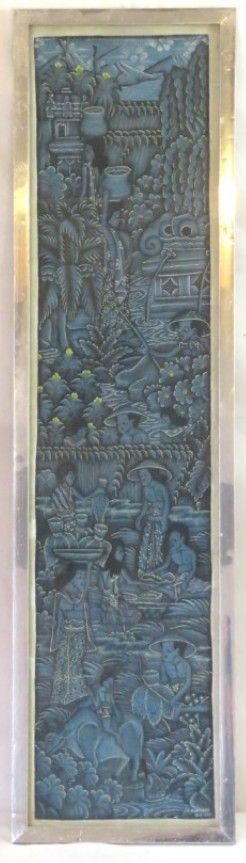
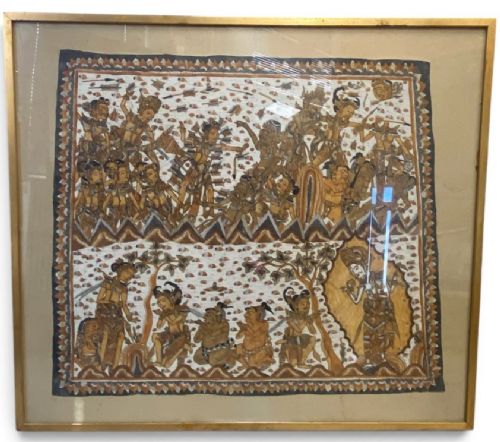
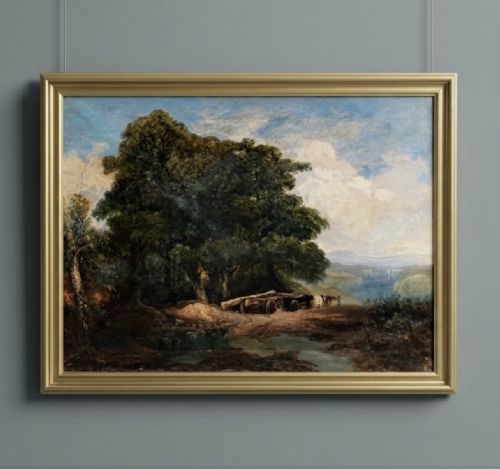
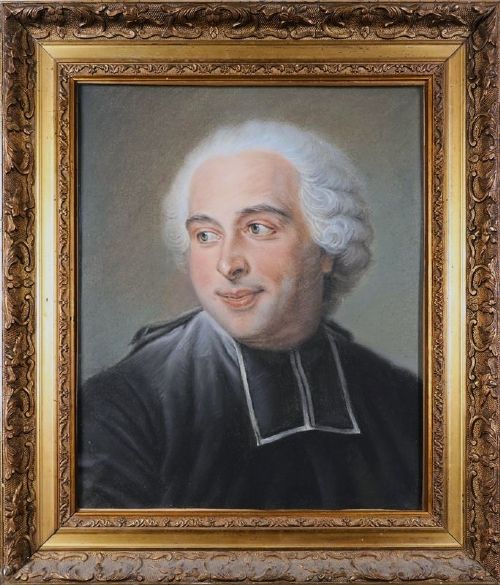
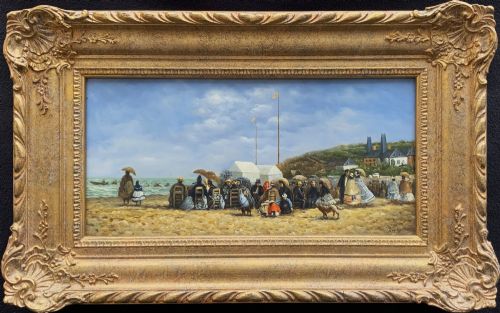
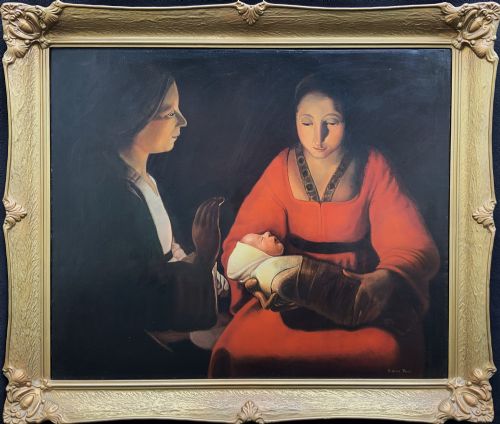
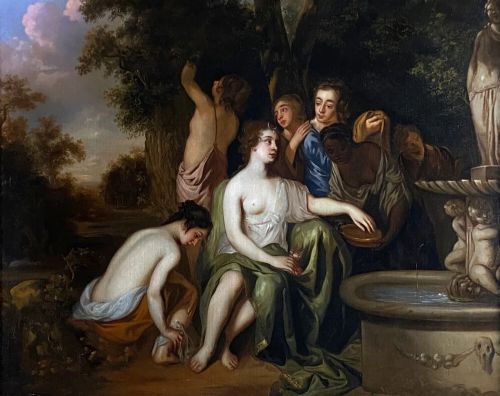
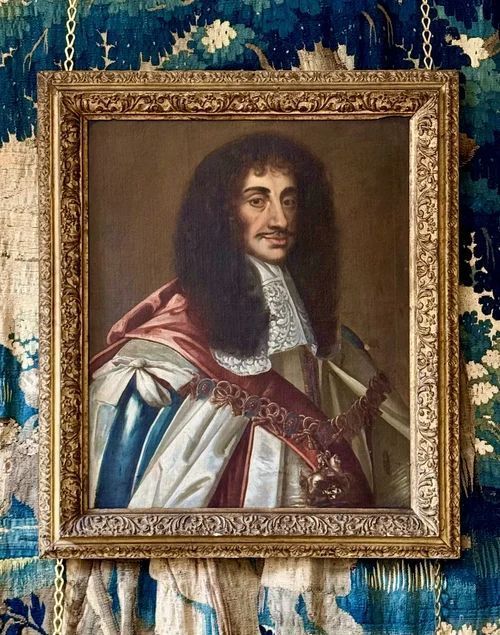
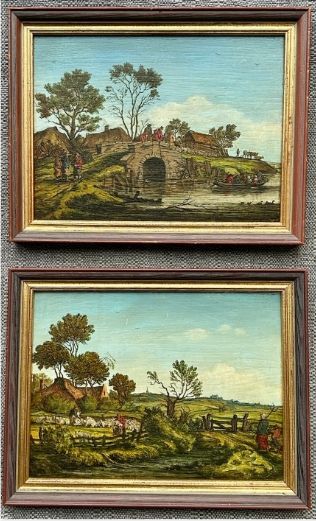
Antique style framed art encompasses oil paintings, watercolours and charcoal drawings depicting romantic landscapes, classical scenes and historical portraits. These works often reference earlier periods such as the seventeenth, eighteenth and nineteenth centuries, channelling Georgian, Victorian, Baroque and Renaissance styles.
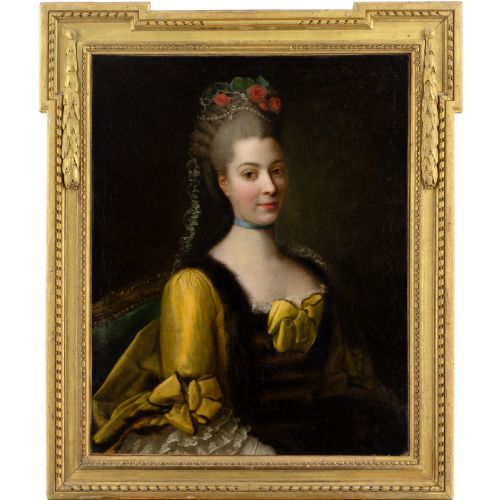
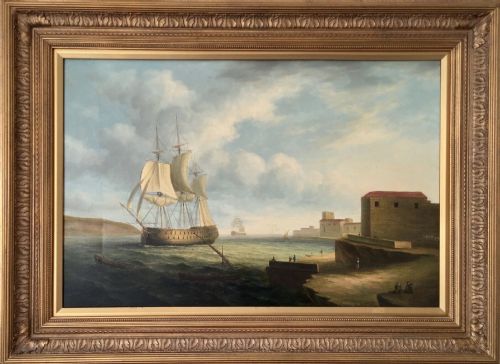
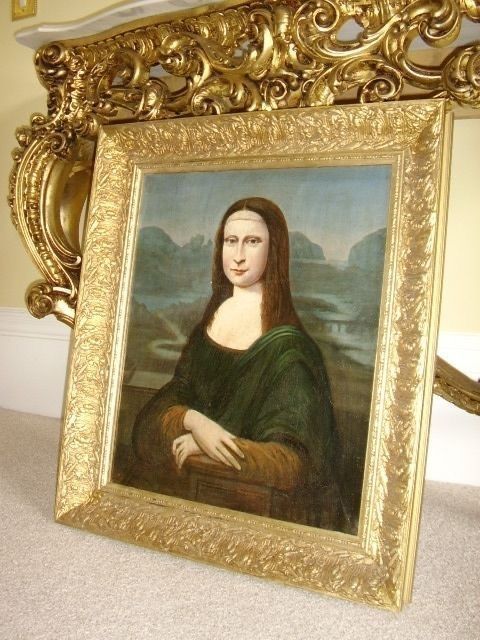
Buyers will encounter oil on canvas paintings and wood panel works executed after master painters alongside original regional watercolours. Subjects range from floral still lifes and maritime processions to noble figures and domestic portraits.
Many items demonstrate stylistic revivals, capturing the aesthetic of the French School or Dutch Mannerism within heavy wooden frames. These pieces function as traditional wall decor, establishing a grounded period atmosphere in modern spaces.
How they were made
These works rely on traditional media including oil paint applied to canvas and wood panels, alongside pastel and watercolour on paper. Canvases are stretched over wooden supports and secured within carved frames finished in gold leaf or giltwood.
Framing technique is integral to the presentation, utilising heavy mouldings of wood and gilt to complement the depth of the painted scenes. Artisans built these enclosures to protect the artwork while enhancing the visual weight of the period style.
A monumental seven-foot still life sits alongside intimate watercolours, proving that wall art occasionally demands its own postcode.
What varies in quality
Quality rests upon the fidelity of the brushwork and the structural integrity of the support, whether canvas or wood panel. Finer examples display nuanced handling of light and shadow, particularly in portraiture and landscape depth.
The craftsmanship of the surrounding frame dictates much of the visual success, distinguishing hand-carved giltwood from simpler mouldings. Superior works maintain a harmonious relationship between the painted surface and its housing.
Richard Sebastian Bond·Leonard Da Vinci·Maurice Quentin de la Tour·Georges de La Tour·Sir Anthony van Dyck·Sir Peter Lely·John Hayls·Oliver Morel·W Klombeck·Henry Stacy Marks·Jeremiah Davison·Francois Boucher·Francisco Jose de Goya·Jean-Baptiste Greuze·Sir Joshua Reynolds·Elisabeth Sonrel·John Wootton·Thomas Hudson·Leon Sprinck·Samuel De Wilde
The Antique Style Framed Art Glossary
- Giltwood
- Wood carved and coated with a thin layer of gold leaf or metallic gilt powder. This finish is typical for decorative frames from the baroque and classical periods.
- Oil on Canvas
- Pigment mixed with drying oil applied to a stretched woven fabric support. This technique allows for rich colour blending and layered textures.
- Baroque Revival
- A nineteenth-century artistic movement that emulates the theatricality, grand scale and ornate detail of seventeenth-century baroque art. Works in this style emphasise dramatic contrast and rich framing.
- Wood Panel
- A rigid flat wooden support used as an alternative to canvas for oil paintings. Panels were favoured in traditional northern European schools for their smooth surface.
- Grand Tour
- Extended travel through continental Europe undertaken by wealthy young men in the eighteenth and nineteenth centuries to collect art and antiquities. Paintings from this context often record classical sights and ruins.
Antique Style Framed Art: Frequently Asked Questions
What defines antique style framed art?
These works comprise paintings and drawings created in historical aesthetics, spanning seventeenth-century portraiture to nineteenth-century romantic landscapes. They rely on traditional mediums like oil on canvas and watercolour.
The category also includes pieces set within heavy carved giltwood or wooden frames that mimic period designs. Collectors choose them to recreate historical interiors and bring traditional portraiture into domestic spaces.
How should I hang heavy framed paintings?
Heavy oil paintings require secure wall anchors and robust picture wire rated for the combined weight of the canvas and wooden frame. Wall studs provide the most reliable support for monumental works.
Positioning the centre of the artwork at eye level ensures balanced viewing. Avoid hanging these pieces in areas with direct sunlight or fluctuating humidity to protect the canvas and giltwood.
How do I care for oil paintings on wood panels?
Wood panels respond to environmental changes by expanding and contracting, making stable room temperatures essential. Dust the surface gently with a soft, dry brush without applying moisture or cleaning solutions.
Keep panels away from direct heat sources and exterior walls where condensation might occur. Professional conservation ensures the paint layer remains stable over decades.
What is the difference between an original and an after-work?
An original painting is conceived and executed independently by an artist. Works marked as after a master are later interpretations or studies of a well-known historical composition.
Both categories can possess significant age and artistic merit, particularly when executed with skilled brushwork. The attribution helps identify the lineage of the composition.