

Antique Style Floral Painting
These oil paintings and decorative objects capture the enduring appeal of antique style floral painting through rich botanical compositions and traditional craft.
Antique Style Floral Painting
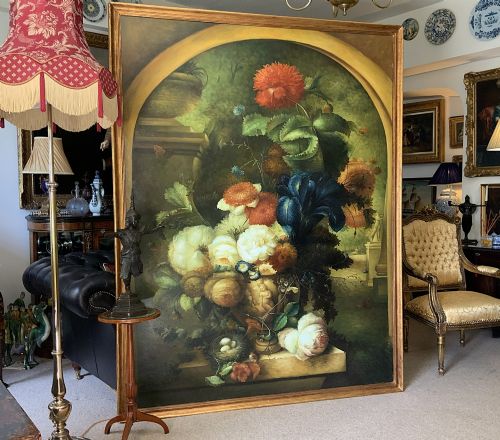
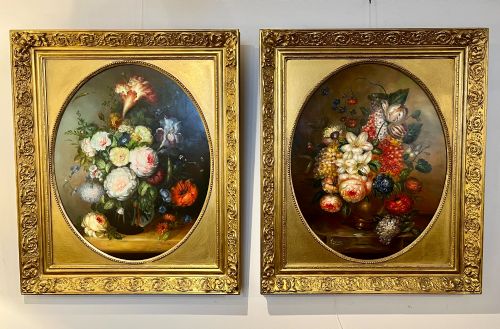
When you search for antique style floral painting, you encounter a varied selection of canvas and panel artworks alongside painted porcelain and furniture. These pieces span centuries from the eighteenth century onwards, with twentieth century Dutch style still life works appearing frequently alongside Edwardian satinwood items.
The assortment encompasses large oil paintings, porcelain urns, bowls and occasional tables displaying botanical motifs. Makers and artists drew inspiration from Dutch Golden Age traditions, French Rococo Revival styles and Sheraton Revival aesthetics to produce these decorative items.
How they were made
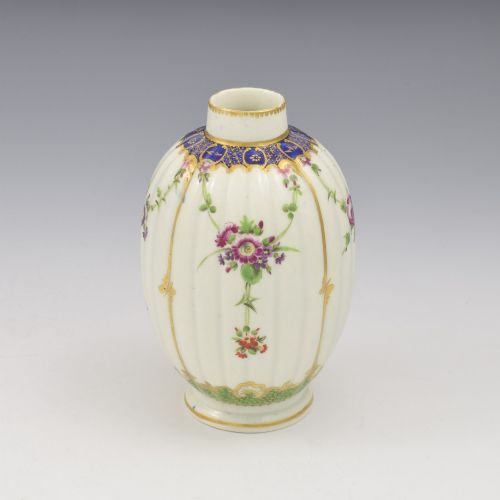
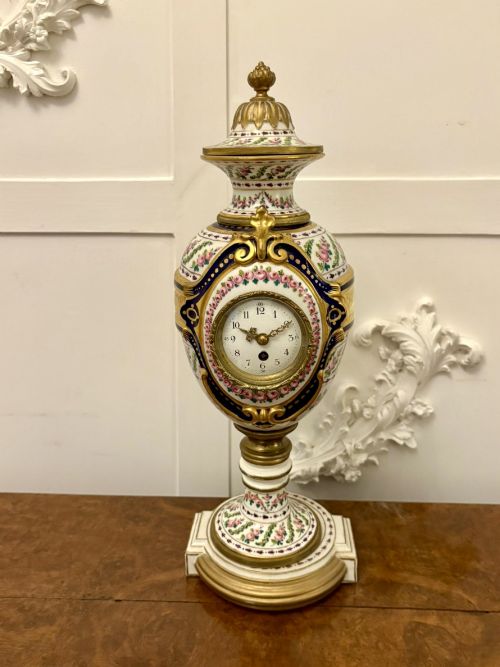
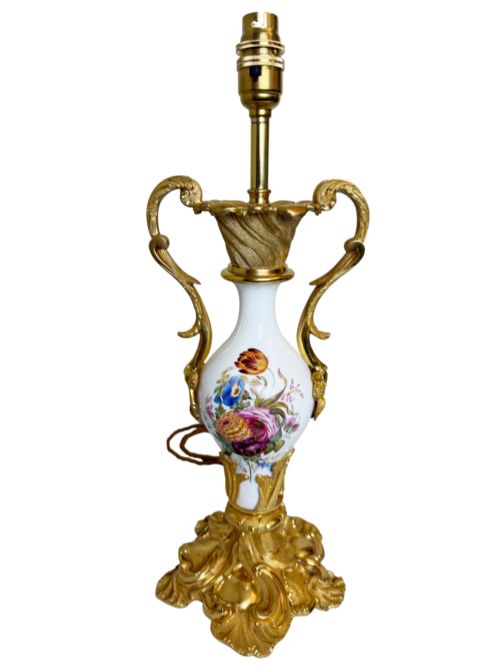
Makers applied oil paint to canvas or wood panel substrates, building up rich floral still life scenes with careful brushwork. Artisans also utilised porcelain, earthenware and enamel, applying polychrome pigments directly to glazed surfaces and firing the pieces in kilns.
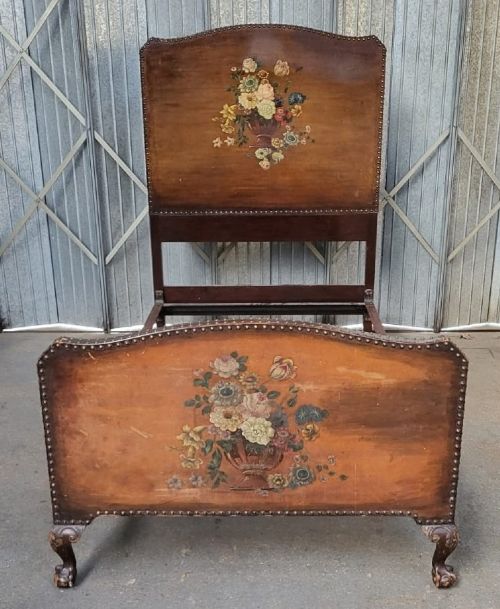
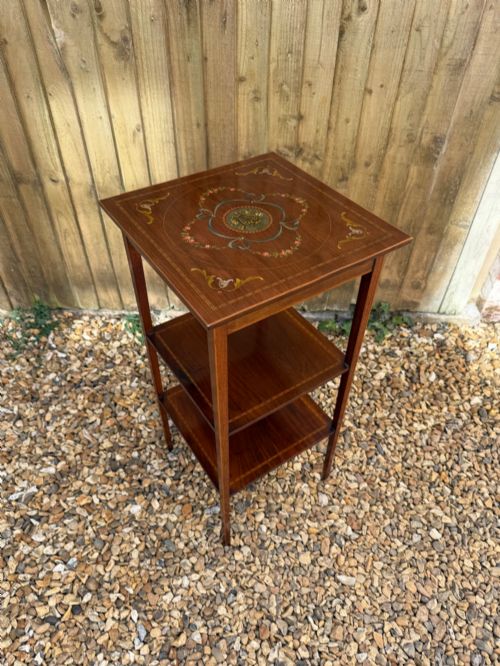
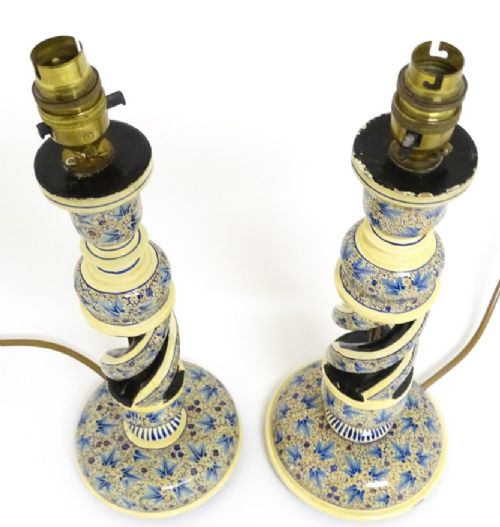
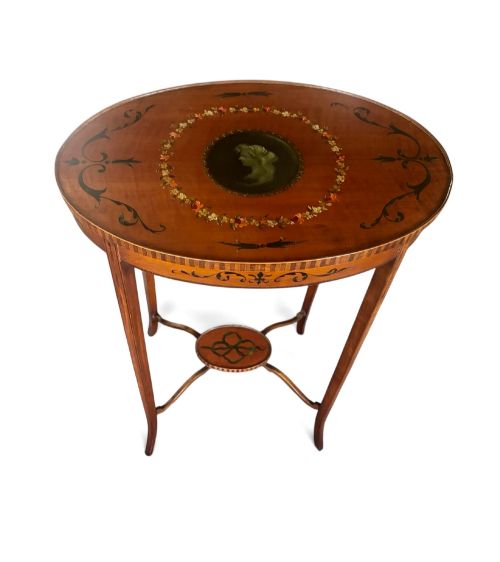
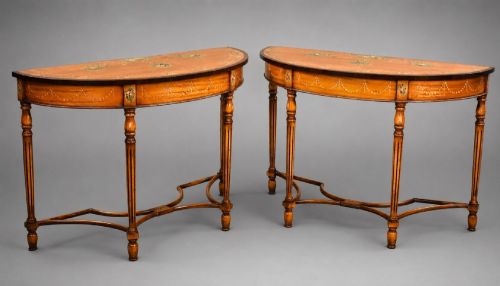
Furniture and decorative objects incorporate woods such as satinwood and mahogany, often enhanced with hand painted decoration and gold leaf accents. Gilt bronze and brass components provide structural support and ornamental detail to lamps, mirrors and clocks.
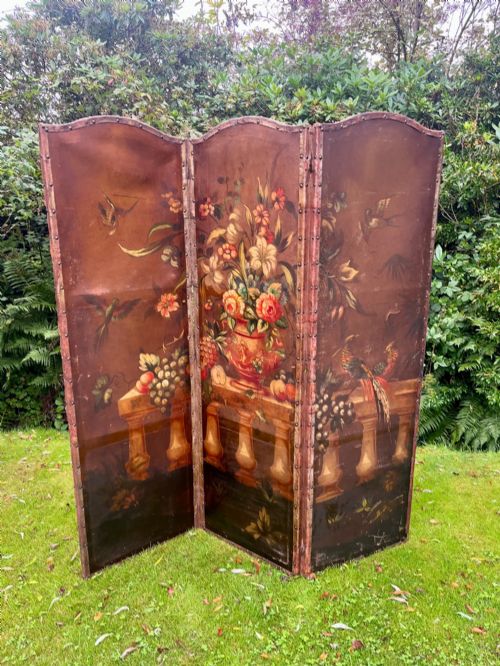
Cherubs peer from porcelain wall corbels while painted leather screens stand ready to block draughts from forgotten Victorian hearths.
What varies in quality
The skill of the brushwork and the precision of the botanical detail determine the standing of an oil painting or painted porcelain item. Stronger examples display depth in the rendering of petals and foliage, while simpler pieces rely on formulaic repetition.
Material selection separates standard production from superior items, particularly in the choice of cabinet timbers like satinwood and the refinement of porcelain bodies. Original surface treatments and untouched paint layers elevate the status of furniture and decorative wares.
John Davenport of Longport·Royal Vienna
The Antique Style Floral Painting Glossary
- Still life
- A painting or drawing depicting inanimate subject matter, typically commonplace objects which may be either natural or man-made. In this context, floral compositions dominate.
- Panel
- A flat piece of wood used as a rigid support for a painting before canvas became the standard medium. Painters prepared the wooden surface with grounds before applying oil colours.
- Satinwood
- A durable, yellowish timber native to India and Ceylon, highly prized for cabinet making. Edwardian makers utilised veneers of this wood for tables and occasional furniture.
- Imari
- A type of Japanese porcelain decorated in underglaze blue and overglaze red, gold and black. European potteries frequently produced imari style wares to satisfy continental demand.
Antique Style Floral Painting: Frequently Asked Questions
How do I identify a Dutch style still life painting?
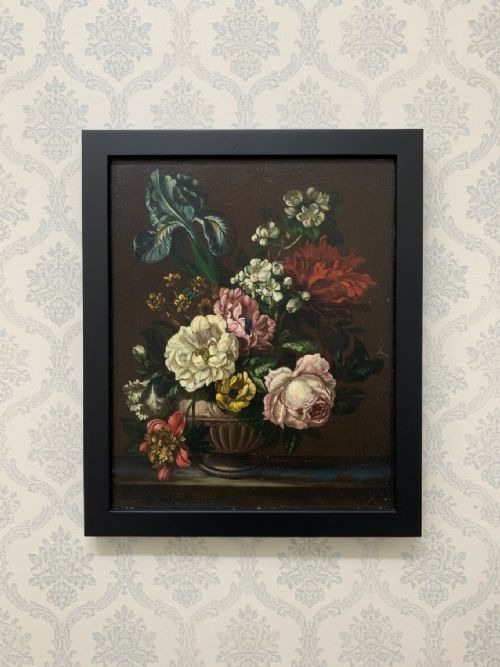
These works typically feature dark backgrounds contrasting with vibrant arrangements of blooms, often influenced by seventeenth century masters. Look for meticulous attention to detail in the rendering of petals, insects and dew drops.
Many examples date from the early twentieth century while adopting the darker palettes and composition styles of earlier periods. Examining the canvas, stretcher frames and pigment characteristics helps determine the actual age of the work.
Where should I place a painted satinwood table?
These delicate occasional items suit drawing rooms, boudoirs or quiet corners where direct sunlight will not fade the painted floral decoration. Keeping them away from heat sources protects the timber joints and the varnish.
Pued or dry environments can cause wood to warp or cracking in the painted surface over time. Gentle dusting with a soft cloth maintains the finish without moisture damage.
What is the difference between porcelain and earthenware?
Porcelain is a dense, vitreous ceramic fired at high temperatures, resulting in a white, non-porous body that often rings when struck. Earthenware is fired at lower temperatures, producing a more porous and opaque material requiring a glaze for impermeability.
Items decorated with floral painting appear across both mediums, though finer cabinet pieces typically utilise porcelain. Identifying the base body involves checking unglazed rims or foot rings where the underlying clay remains visible.
How are antique mirrors with floral motifs constructed?
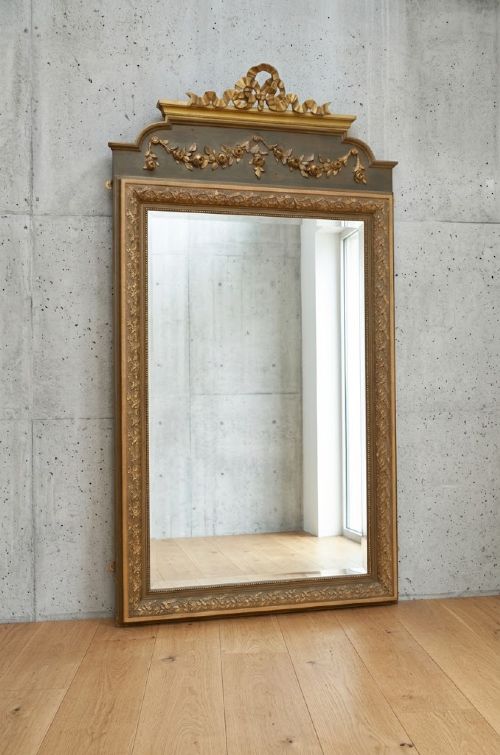
These frames often combine carved wood or composition materials with moulded crests, finished in paint, gilding or leaf. The glass plates themselves may show subtle foxing or age spots reflecting their period of manufacture.
Securing these heavy wall hangings requires proper wall fixings suited to the weight of the timber and plaster construction. Regular checks of the hanging wire and backboards ensure the mirror stays secure.