
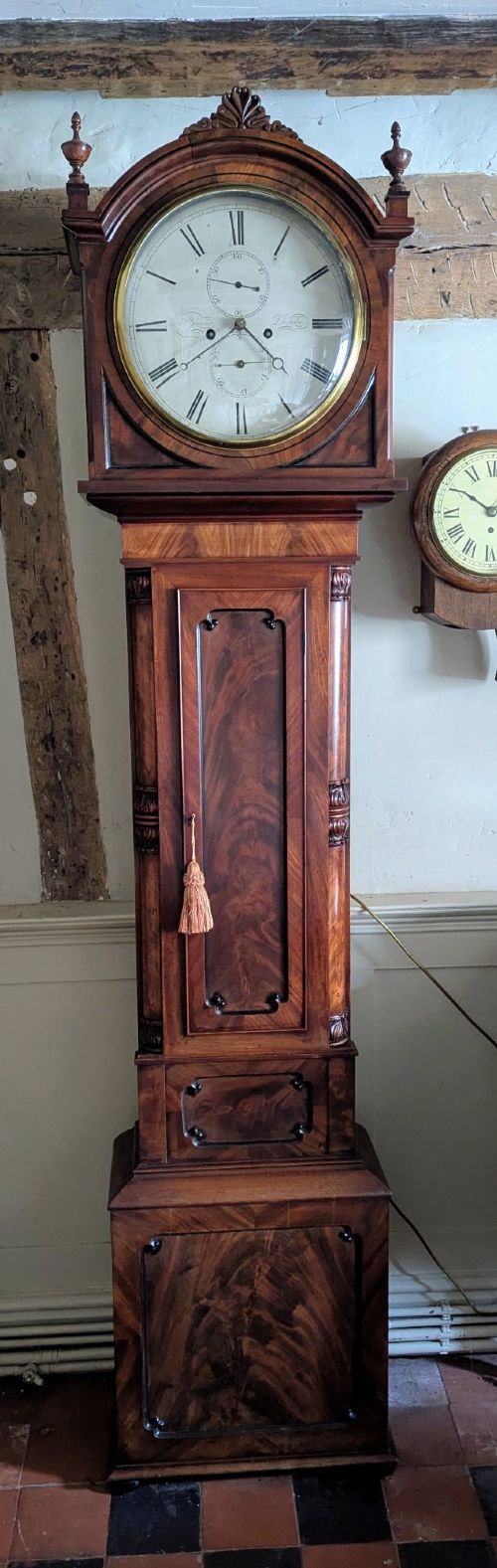
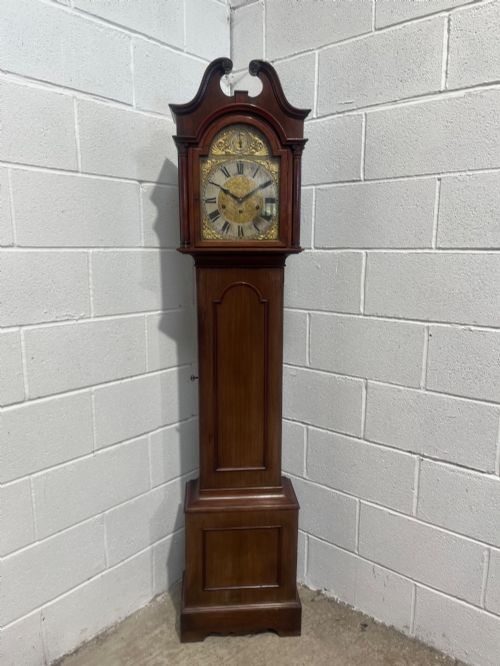
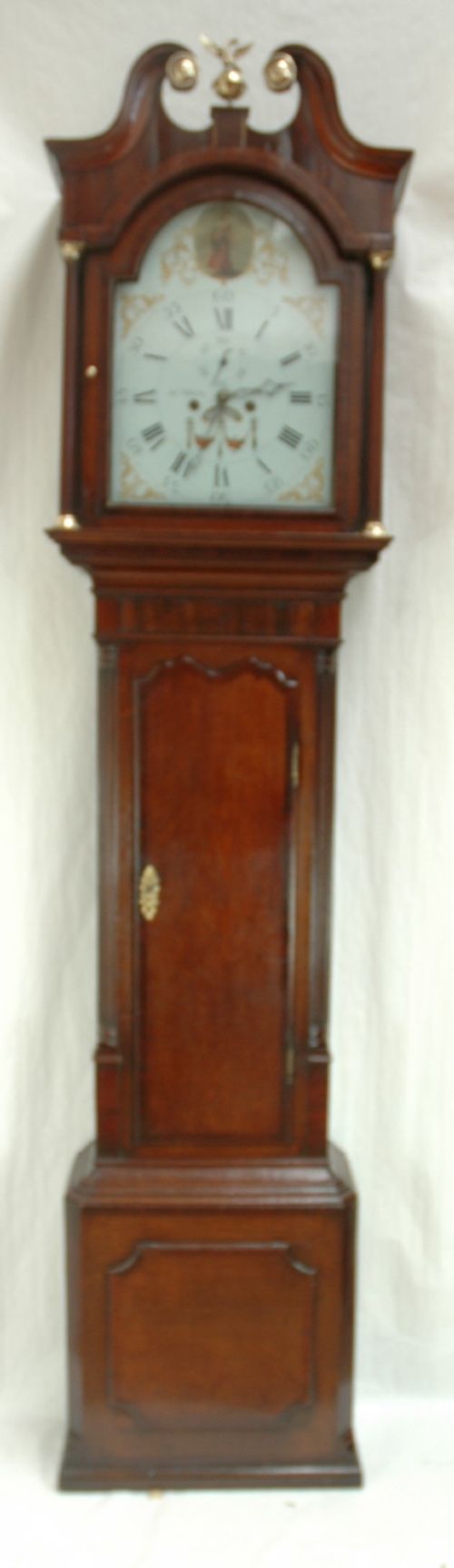
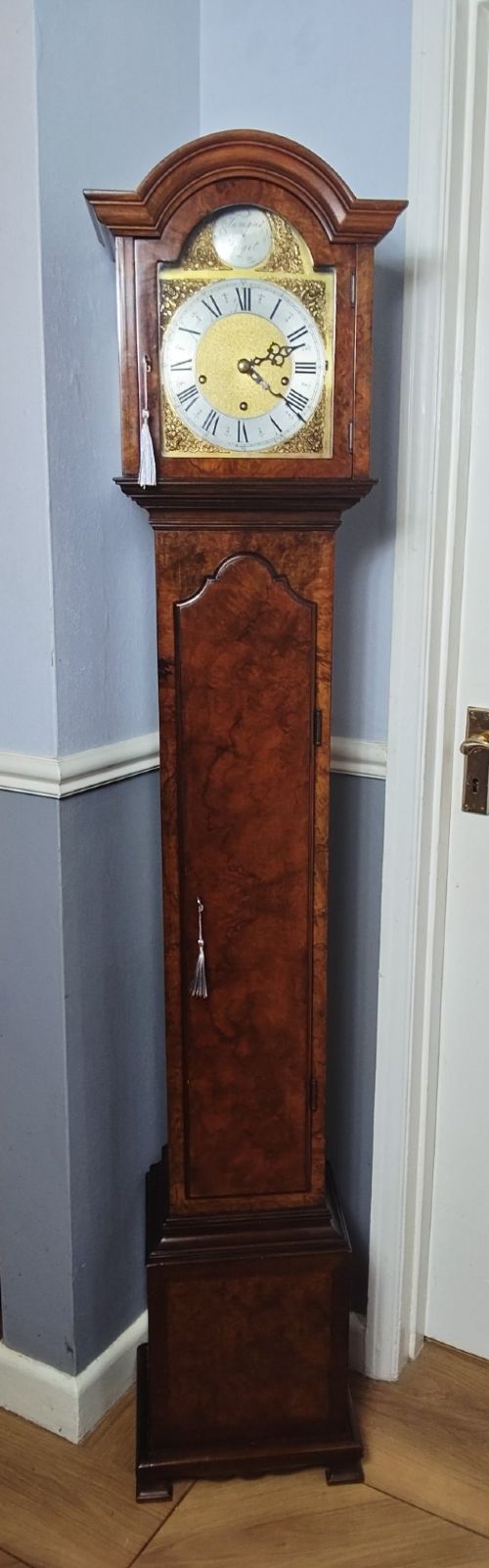


Antique Style Floor Clock
These antique style floor clock pieces bring towering presence and mechanical mastery into a room, standing as tall witnesses to time.
Antique Style Floor Clock
When searching for an antique style floor clock, buyers encounter tall case timepieces ranging from grand proportions to smaller grandmother and granddaughter formats. These tall vertical items trace origins across the Georgian, Victorian, and Edwardian eras, alongside revivals and later twentieth century interpretations.
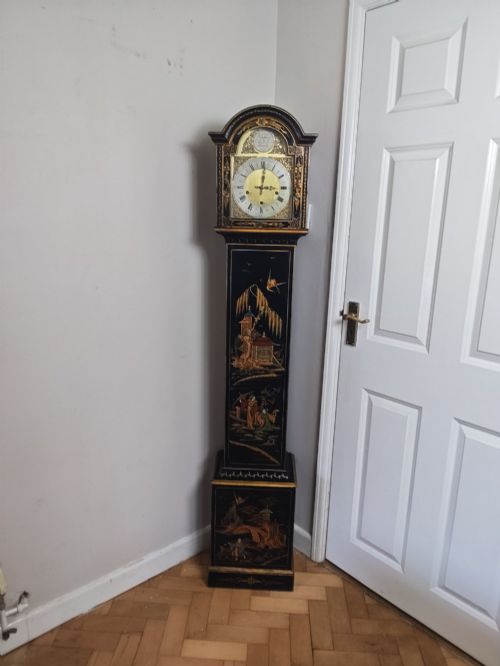
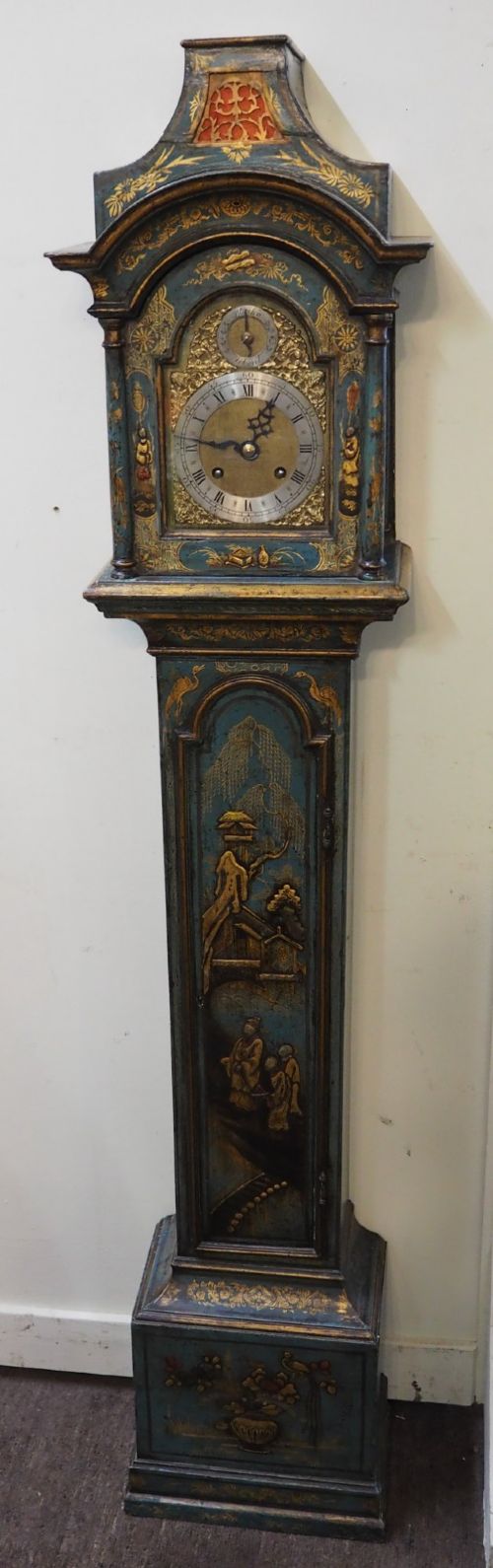
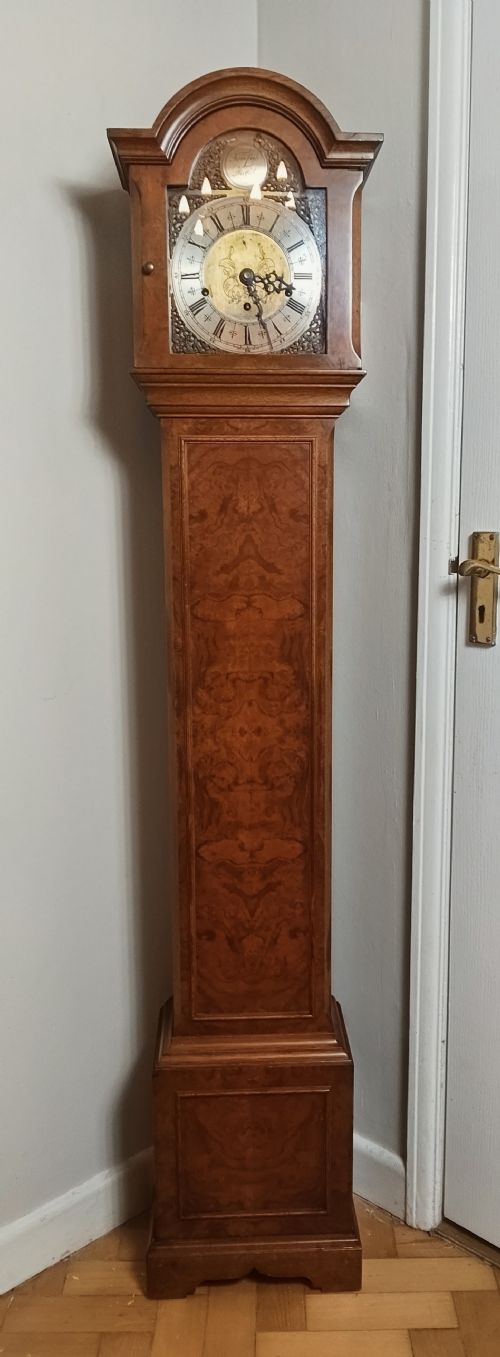
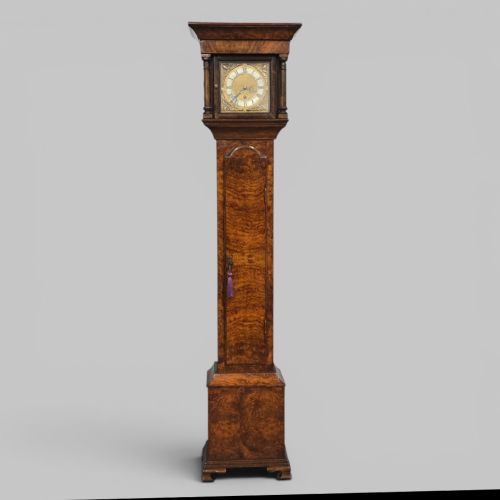
The dominant forms present on this page are longcase and grandmother clocks, constructed in wood bodies from mahogany and oak to burr walnut. These taller floor clocks house working mechanisms behind glass doors and brass dials, combining cabinetmaking with horology.
Materials and construction methods
Cabinetmakers utilised solid woods and veneered surfaces, selecting mahogany, oak, walnut, and pine for the main tall cases. Decorative finishes such as lacquer, chinoiserie painting, and marquetry inlay adorned the exterior woodwork.
Internal mechanical movements incorporated brass gears, bells, and chiming systems designed for eight day or quarter chiming operations. Glass panels were fitted into doors to protect the moving pendulums and dial faces.
Even the smallest grandmother clock still commands the hallway like a very polite, perpetually ticking guest.
Distinctions in construction and finish
Superior examples display finely figured timber grains, intricate hand-painted chinoiserie motifs, and precise marquetry inlay across the tall cases. Lower tiers of quality rely on simpler plain wood surfaces with minimal decorative work.
The complexity of the internal movement dictates distinction, separating standard hour-strike mechanisms from intricate quarter musical chiming systems operating on bells.
LISTER & SONS·Camerer Cuss & Co·Gardner of London·Dent of London·ELLIOTT
The Antique Style Floor Clock Glossary
- Longcase clock
- A tall pendulum clock enclosed in a wooden case standing directly on the floor. These items are frequently referred to as grandfather clocks.
- Grandmother clock
- A smaller, more slender version of the traditional longcase clock standing shorter in height. This scale suits rooms with lower ceilings while retaining full mechanical functions.
- Chinoiserie
- European decorative style imitating Chinese artistic traditions, featuring painted lacquer scenes on furniture cases. This finish appears frequently on tall clocks.
- Marquetry
- Decorative veneer work created by fitting small pieces of wood and shell into patterns on furniture surfaces. This technique ornaments select mahogany and walnut clock bodies.
- Regulator clock
- A precision pendulum clock designed to keep highly accurate time. These movements often serve as standards against which other clocks are set.
Antique Style Floor Clock: Frequently Asked Questions
What is a grandmother clock?
A grandmother clock is a scaled down version of a traditional longcase grandfather clock. It shares the same tall proportions and mechanical movements but stands noticeably shorter in height.
This smaller format makes them suitable for domestic spaces where a full-sized grandfather clock would overwhelm the room.
How do I identify a chinoiserie clock?
Chinoiserie clocks feature lacquered wooden cases decorated with painted oriental motifs, figures, and landscapes. These finishes often appear in colours such as blue, cream, or green.
The decorative painting transforms the utilitarian clock case into an ornate decorative art piece.
What periods do these floor clocks cover?
The pieces span several centuries, including Georgian, Victorian, and Edwardian periods alongside later revival styles from the early twentieth century.
Craftsmen across these eras built tall clocks using prevailing regional fashions and timber preferences of their respective times.
How were these floor clocks used?
These clocks served as primary timekeeping devices in homes, marking hours and quarters with chimes and strikes. They occupied prominent positions in hallways, stairwells, and living rooms.
Beyond telling time, they functioned as major statements of household wealth and interior status.