





Antique Style Dog Statue
These antique style dog statue pieces bring cast bronze, terracotta, wood and pottery hounds right into the room.
Antique Style Dog Statue
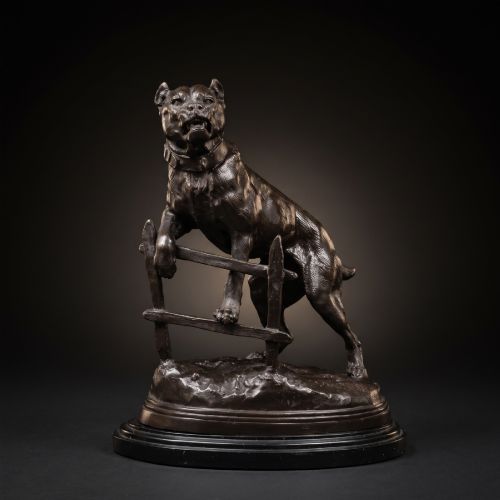
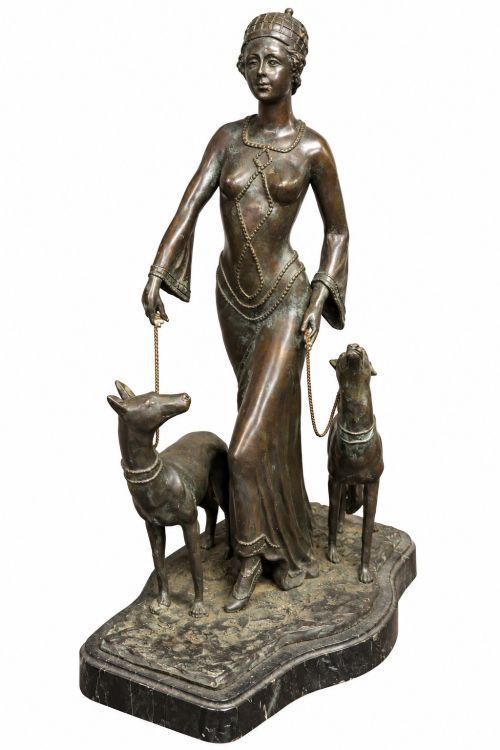
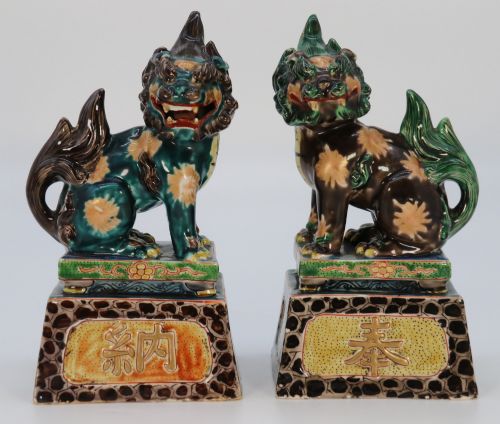
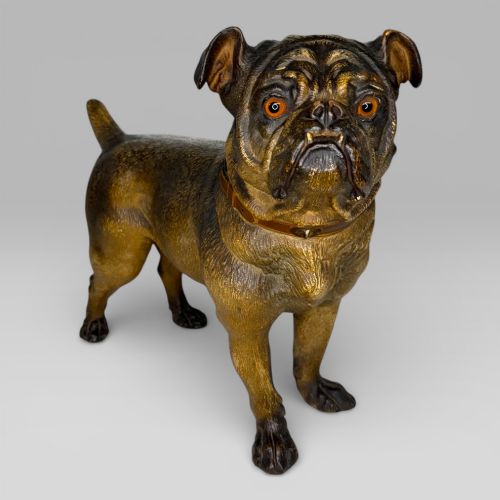
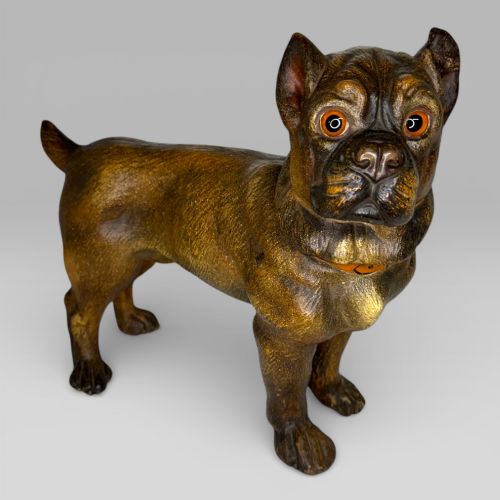
An antique style dog statue encompasses a broad mix of animalier bronzes, terracotta pugs, pottery lions, and wooden sculptures spanning the nineteenth century up to the later twentieth century. You will encounter European works alongside Traditional Chinese and Qing Dynasty temple guard dogs in various ceramic and metal forms.
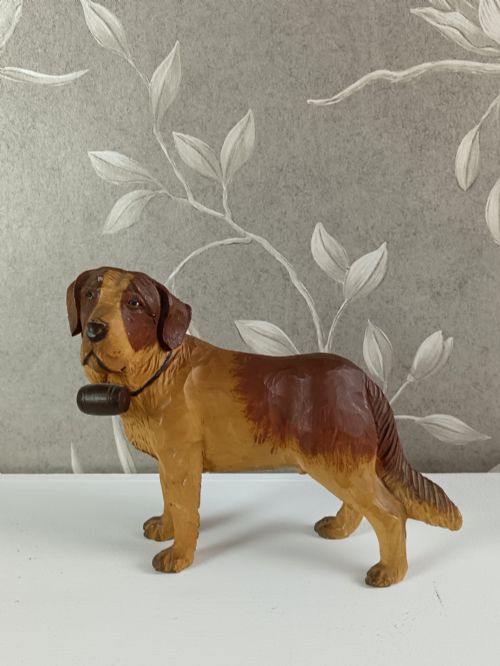
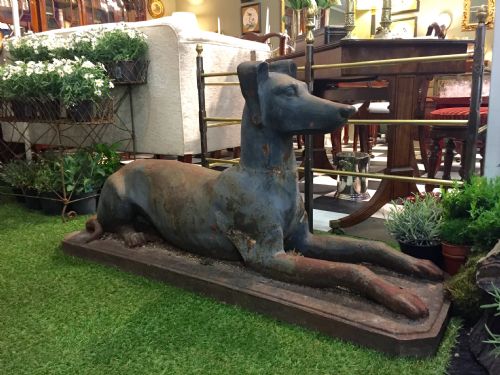
The selection ranges from life-size Austrian terracotta sculptures and cast iron fire dogs to miniature porcelain figures and nodding spelter pieces. Victorian, Art Deco, and Alpine Folk Art traditions all contribute to the variety of canine forms available here.
How they were made
Many of the metal pieces utilise bronze, cast iron, or cold painted spelter, often cast after known sculptors and finished with applied paint or natural patination. Ceramic and earthenware examples involve moulded clay treated with glazes or hand-painted details, characteristic of Staffordshire potteries and continental factories.
Wood and terracotta forms rely on direct carving or moulding, capturing the physical textures of animals like Saint Bernards and pugs. Fired earthenware and porcelain figures utilise traditional kiln techniques with decorative overglazes.
Antique Style Dog Statue Retail Price Guide 2026
Typical asking prices for style dog statue among the pieces listed under this phrase on Sellingantiques today, from the lower quarter to the upper quarter. They describe what is for sale here now, not the wider market.
Nodding dogs in cold painted spelter offer a whimsical twentieth-century charm that refuses to sit completely still.
What varies in quality
Quality rests in the fidelity of the modelling and the crispness of the casting or carving, distinguishing spirited animalier bronzes and terracotta hounds from simpler decorative productions. The depth of the hand-painted finish, glaze consistency, and preservation of the original surface patina separate finer studio pieces from standard decorative wares.
Material choice and scale also set works apart, as life-size terracotta figures and heavy cast pieces demand greater technical skill in firing and foundry work than smaller moulded ceramics.
Charles Valton·Georges Gori·Royal Capodimonte Factory·Beswick·Henri Jaquesmart
The Antique Style Dog Statue Glossary
- Animalier
- A nineteenth-century artistic style focusing on the realistic portrayal of animals, seen frequently in bronze hound sculptures. This movement captured creatures in natural motion.
- Terracotta
- Fired unglazed or glazed clay used for substantial sculptural works such as life-size pug figures. The material offers a warm, porous earth tone.
- Spelter
- A zinc alloy used as a cheaper alternative to bronze, often cold painted to simulate more expensive metals. It appears frequently in twentieth-century novelty figures.
- Foo Dog
- Traditional Chinese guardian lions placed outside temples and palaces, rendered here in pottery, porcelain, and stone carvings. These mythical beasts symbolise protection.
- Fire Dogs
- Andirons used to support logs in an open fireplace, often cast in pairs as decorative hounds or architectural figures. They sit inside the hearth.
Antique Style Dog Statue: Frequently Asked Questions
What materials are used for an antique style dog statue?
These pieces incorporate cast bronze, terracotta, glazed earthenware, wood, cast iron, and cold painted spelter. Different periods and regions favoured specific mediums, from Austrian terracotta to Staffordshire pottery.
Craftsmen also utilised porcelain and marble to shape these canine figures, resulting in varied surface textures across different centuries.
How do I identify a Foo Dog statue?
Foo Dog or lion dog sculptures originate from Chinese traditions, often depicted as temple guard animals with stylised mannes and fierce expressions. They appear in pottery, porcelain, and carved stone.
Unlike domestic hound figures, these guardian animals carry distinct cultural iconography and architectural placement histories.
Where should I place a fire dog statue?
Fire dogs are designed to function within an open hearth as andirons supporting wood, though many larger cast iron pairs now serve as floor sculptures. Their robust metal construction suited high-heat environments.
When living with them indoors, they work well beside fireplace surrounds or as heavy decorative floor ornaments.
How do I tell nineteenth century pieces apart?
Nineteenth century pieces often reveal their age through the weight of the bronze or terracotta, the hand application of cold paint, and specific regional foundry marks. Victorian and Late Victorian styles lean toward realistic animalier forms.
Examining the underside, glaze crazing, and surface wear helps distinguish these older works from mid-century or later productions.