


Antique Style Cushion Mirror
An antique style cushion mirror brings profound depth to a room through its raised, bevelled frame that catches the light from multiple angles.
Antique Style Cushion Mirror
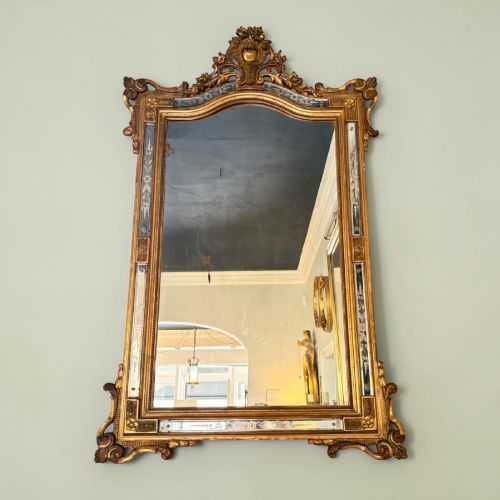
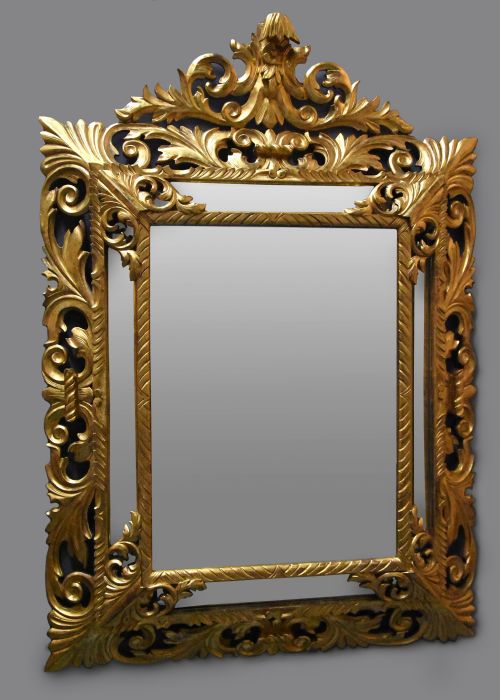
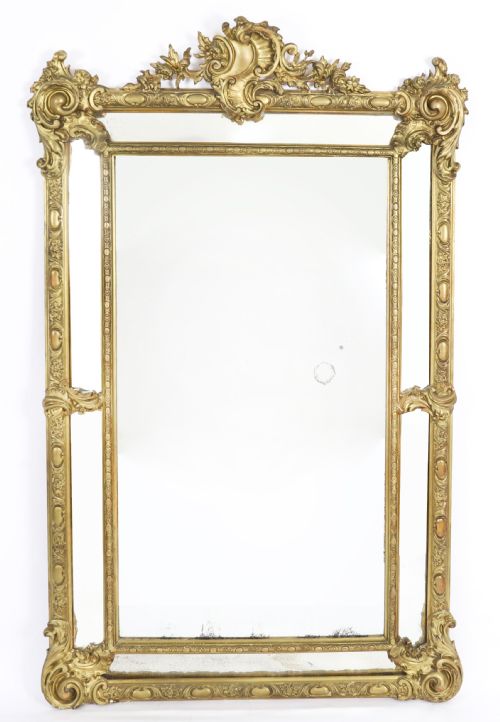
An antique style cushion mirror presents a distinctive convex or sloping frame profile that projects forward from the wall toward the central glass plate. When you examine this selection, you encounter wall mirrors and overmantel pieces spanning the seventeenth century through to the Edwardian era, with nineteenth-century examples appearing most frequently.
The stylistic influences across these pieces draw heavily from continental traditions, notably Venetian, French Chateau, Louis Revival, Italian Baroque, and Dutch designs. Makers utilised various historic vocabularies, ranging from ornate carved giltwood and gesso to scrubbed oak and patinated brass, to create these sculptural looking-glasses.
Materials and construction
Wood serves as the foundational carcass for the vast majority of these frames, often built from oak, walnut, or softer timbers designated for subsequent carving and gilding. Artisans applied layers of gesso over carved wooden elements to build up crisp relief details before applying gold leaf or paint.
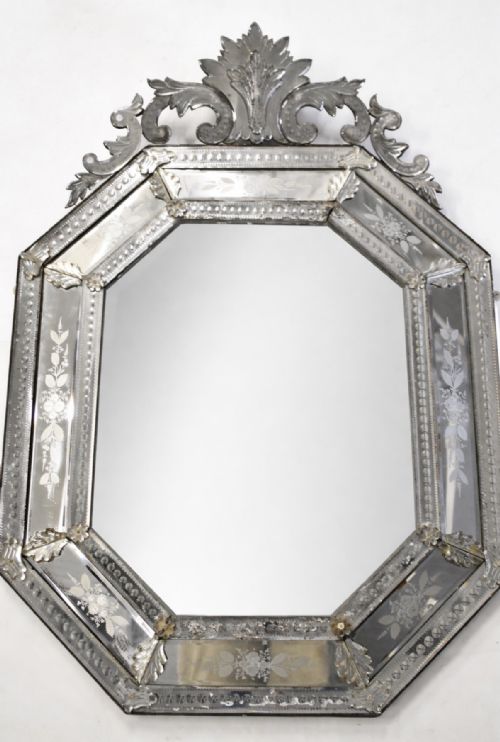
Mirrored glass is set into these deep profiles, sometimes accompanied by engraved decoration on Venetian plates or marginal glass sections. Metal examples incorporate brass plates mounted onto wooden or composite cores, reflecting the diverse material capabilities of nineteenth-century workshops.
Listings span periods from the seventeenth century through the Victorian era to the early twentieth century, utilising oak, walnut, brass, and giltwood.
Distinctions in quality
The sophistication of the frame carving dictates much of the distinction between standard examples and exceptional works, particularly in how deeply the wood is undercut and finished. Hand-carved giltwood and gesso surfaces display a crispness and organic movement that simpler moulded or later cast compositions lack.
The character of the glass plate itself contributes significantly to visual merit, with original silvering showing natural oxidation and hand-engraved Venetian details offering greater artistic ambition. Substantial scale and well-balanced proportions across large overmantel formats further elevate the standing of a piece.
The Antique Style Cushion Mirror Glossary
- Cushion mirror
- A looking-glass featuring a rounded or sloping frame profile that swells outward like a cushion toward the outer edge. This convex border often holds additional mirror plates or decorative carving.
- Giltwood
- Timber coated with fine layers of gold leaf over a prepared gesso ground. It provides a luminous surface that catches ambient light effectively.
- Gesso
- A plaster-like mixture applied to wood frames to create a smooth surface for carving or gilding. It allows artisans to model intricate relief ornamentation.
- Overmantel mirror
- A large wall mirror specifically designed to hang above a fireplace mantelpiece. These pieces frequently dominate the wall space of a formal reception room.
- Marginal mirror
- A style where smaller sections of mirrored glass surround a larger central plate, often held within separate divisions of the frame.
- Oyster veneer
- Circular slices of wood cut transversely from small branches to reveal concentric growth rings. This technique creates a distinctive patterned surface across seventeenth-century frames.
Antique Style Cushion Mirror: Frequently Asked Questions
Where should I hang a cushion mirror?
These mirrors function best on primary walls in reception rooms, hallways, or above fireplaces where their sculptural frames receive adequate light.
Because of their substantial weight and projection, secure wall fixings suited to the specific masonry or plaster construction are essential.
How do I identify a seventeenth-century frame?
Seventeenth-century examples often feature specific timber treatments like walnut, ebonised finishes, or distinct oyster veneer patterns.
Construction methods on the reverse and the weight of the timber further help separate these early works from later nineteenth-century revivals.
Are the mirror plates original?
Many nineteenth-century and earlier pieces retain their original glass, which can exhibit light foxing, minor pitting, or uneven silvering.
Original plates contribute to the historic character of the object, reflecting a softer, less clinical image than modern float glass.
What is the difference between Venetian and French styles?
Venetian cushion mirrors typically emphasise engraved glass borders and glass-on-glass construction with intricate floral or geometric motifs.
French styles, such as Louis Revival or Napoleon III pieces, tend to focus on carved wood and gesso frames with prominent gilt decoration and scrollwork.