

Antique Style Classical Statue
An antique style classical statue brings the timeless dignity of antiquity into a room, drawing on centuries of sculptural tradition.

Antique Style Classical Statue
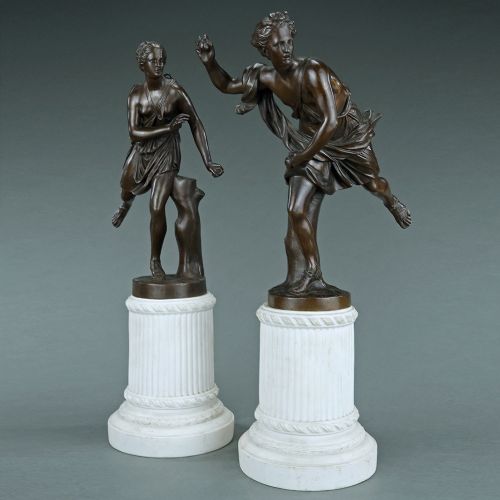
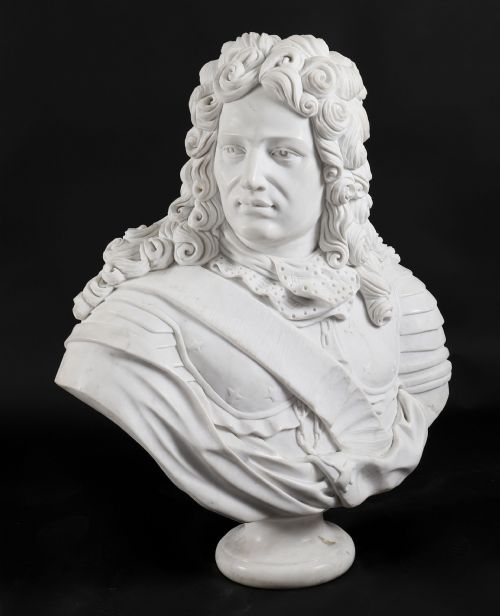
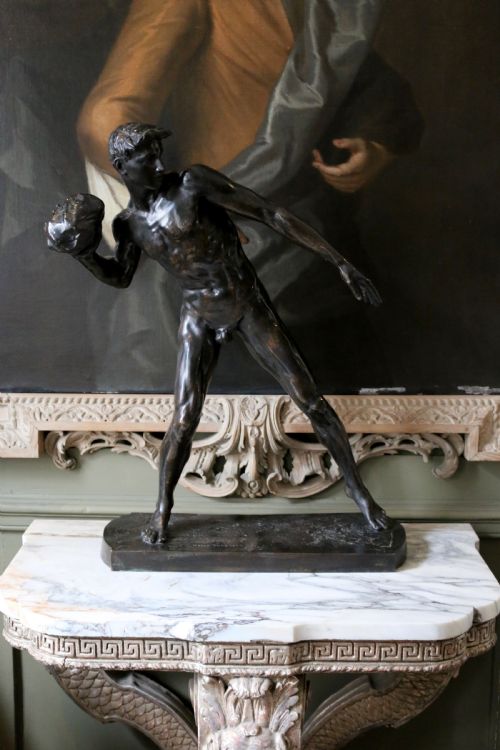
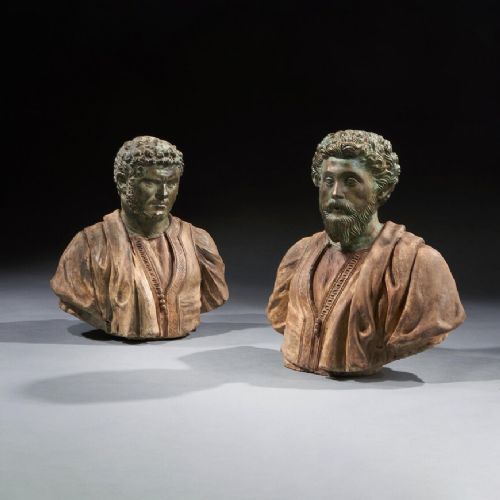
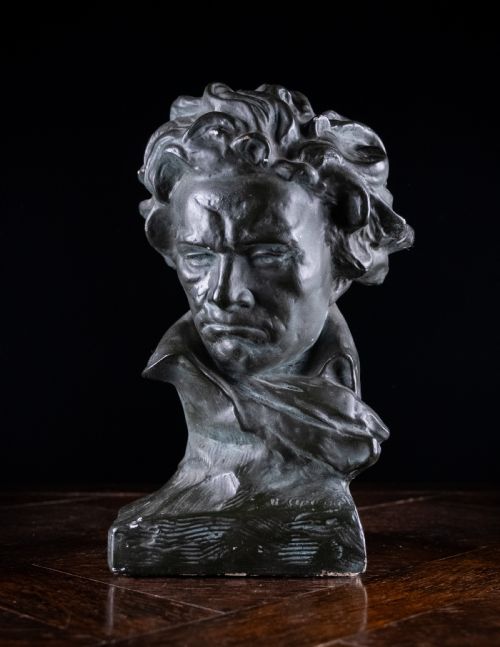
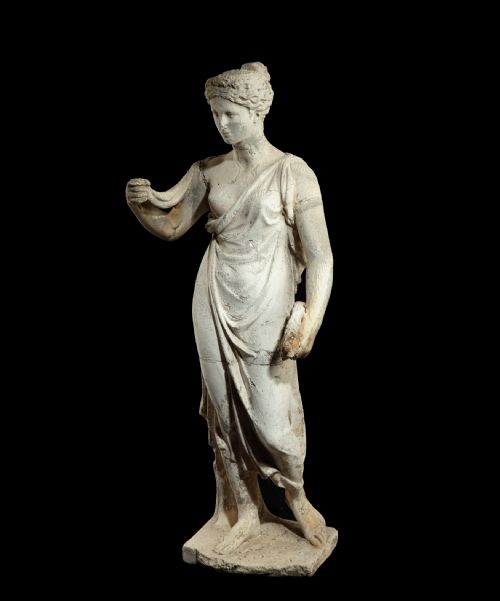
An antique style classical statue embodies the enduring fascination with ancient Greek and Roman forms, captured through revival movements spanning the nineteenth and twentieth centuries. Buyers seeking these pieces encounter a diverse array of representations, from grand tour bronzes of mythological figures to life-sized garden stones and portrait busts of Roman emperors.
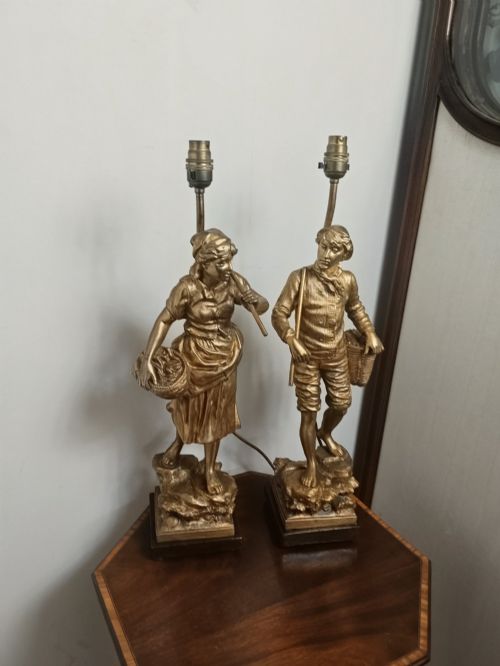
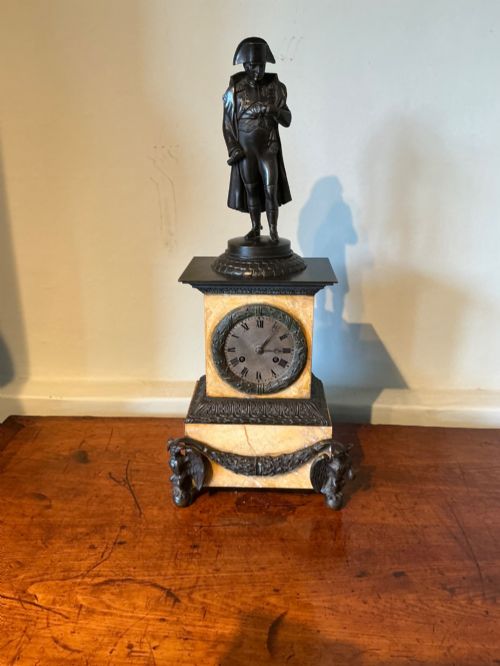
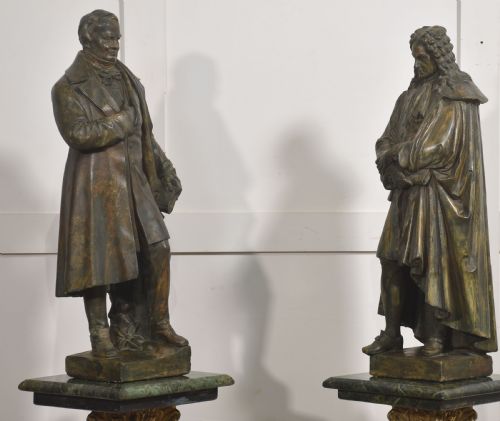
The selection ranges across several distinct forms, including small-scale cabinet bronzes, decorative mantel clocks, figural table lamps, and substantial garden statuary. Nineteenth-century interpretations dominate the offerings, reflecting a period when classical antiquity deeply influenced European interior and landscape design.
Origins vary from French foundry productions to English stonework and continental marble workshops. Whether selecting a patinated bronze putto or a cast stone garden maiden, collectors acquire works that consciously emulate classical proportions and mythological narratives.
Materials and methods of creation
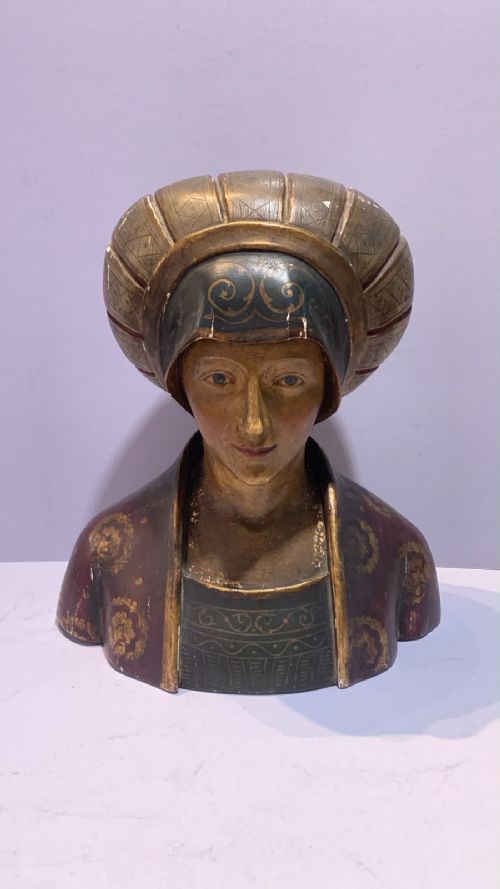
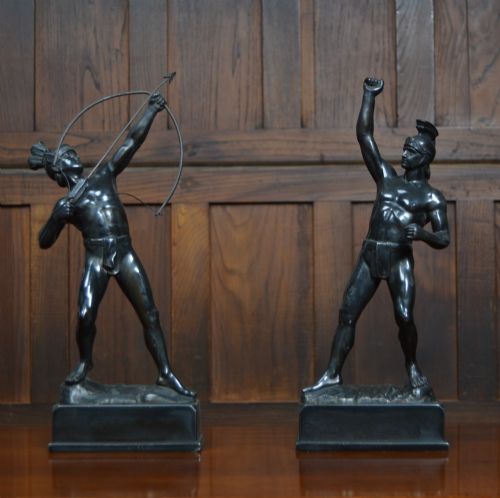
Foundries and studios utilised traditional casting and carving techniques, employing bronze, marble, terracotta, plaster, and various stone compositions. Bronze works frequently underwent chemical patination to achieve deep brown or green tones, while marble and alabaster pieces involved meticulous hand-carving by skilled artisans.
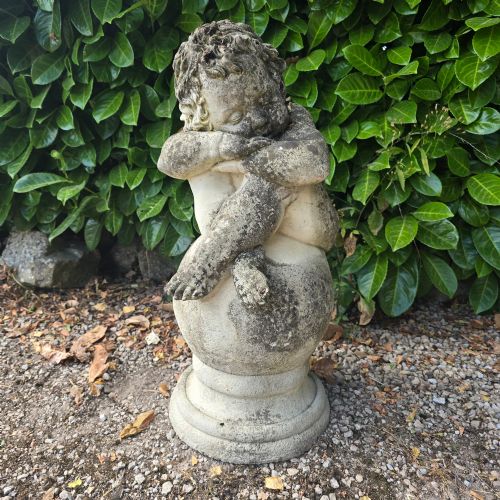
Composite materials such as cast stone, reconstituted stone, and chalk or stucco allowed workshops to replicate monumental antiquity for domestic and garden settings. Ormolu mounts, paint, and gilt finishes often complemented these primary materials, adding decorative contrast to figures and pedestals.
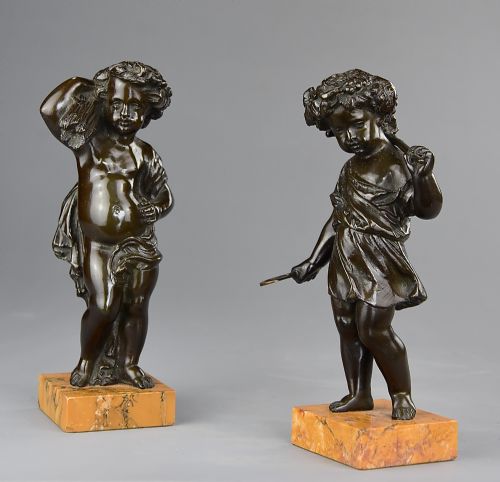
A sleeping cherub and putti harvest figures bring domestic charm to neoclassical severity.
Indicators of sculptural excellence
The integration of materials also defines the tier of a piece, such as the weight of the underlying marble plinth or the precision of the foundry mark. Finer works maintain proportional harmony and textural depth across drapery, hair, and facial expression.
Barbedienne·E Rousseau·Hamo Thornycroft·Antonio Canova·Emile Louis Picault·Mathurin Moreau
The Antique Style Classical Statue Glossary
- Grand Tour
- A cultural journey undertaken by nineteenth-century elites across Europe, acquiring small bronzes and marble busts as souvenirs. These miniature sculptures reproduced famous classical antiquities found in Italian collections.
- Neoclassical
- An artistic movement spanning the eighteenth and nineteenth centuries that revived the styles and subjects of ancient Greece and Rome. Works in this mode emphasise linear precision, restraint, and mythological themes.
- Ormolu
- Gilded bronze applied as decorative mounts to furniture, clocks, and pedestals. This technique involves coating metal with a mercury and gold amalgam.
- Spelter
- A zinc alloy used as a cost-effective substitute for bronze in nineteenth-century figure casting. It is softer than bronze and typically bears a painted or faux-bronze finish.
- Patination
- The surface coloration or sheen developed on metal, stone, or wood through age or chemical treatment. Artists often apply artificial patinas to enhance the visual depth of bronze and terracotta sculptures.
Antique Style Classical Statue: Frequently Asked Questions
What materials are common in these statues?
Sculptures appear in bronze, marble, terracotta, plaster, and various stone compositions. Foundry bronzes and hand-carved marbles represent the finer domestic productions.
Garden and architectural pieces typically utilise cast stone, reconstituted stone, and patinated chalk or stucco to withstand exterior environments.
How do I distinguish grand tour pieces?
Grand tour items were produced as portable souvenirs for nineteenth-century travellers visiting classical sites in Italy. They often replicate celebrated museum antiquities in miniature bronze or carved alabaster.
These pieces usually date from the mid to late nineteenth century and focus on famous mythological subjects or imperial portrait busts.
Where were these classical figures displayed?
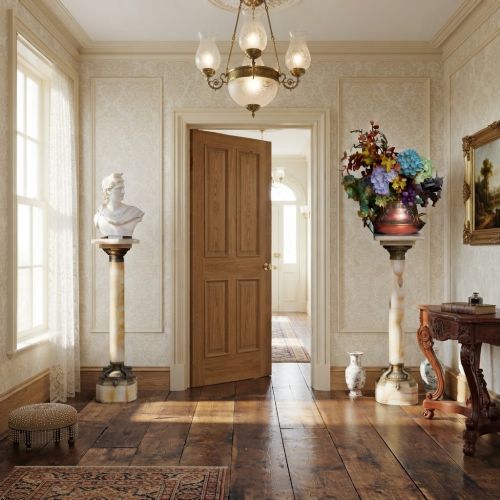
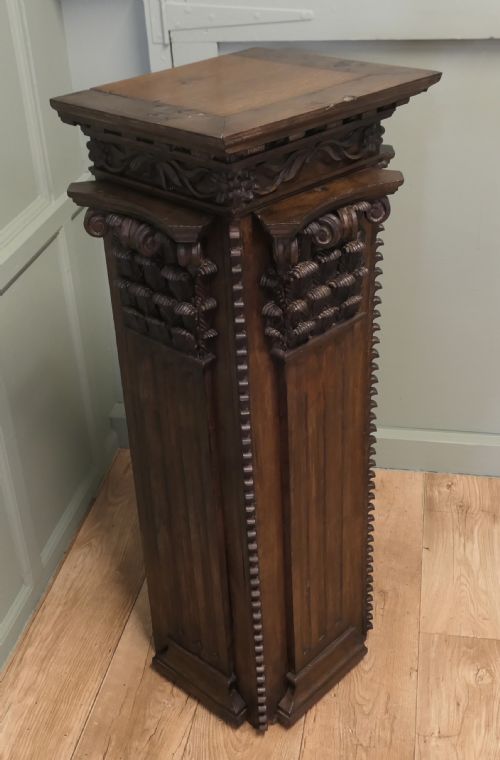
Nineteenth-century interiors incorporated bronze figures and marble busts on dedicated columns, pedestals, mantelpieces, and specialised clock sets. Smaller works occupied libraries, studies, and drawing rooms.
Larger stone and terracotta statues served as focal points in gardens, conservatories, and grand entrance halls.
How do I care for bronze and marble?
Bronze sculptures benefit from occasional dusting and microcrystalline wax applications to protect the patinated surface from moisture. Avoid abrasive cleaners that strip the original finish.
Marble and alabaster require gentle cleaning with dry or slightly damp cloths, avoiding acidic substances that etch the calcium-based stone.