
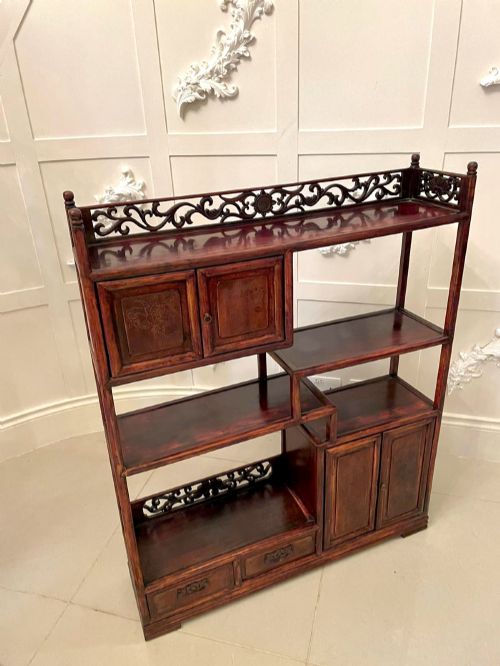
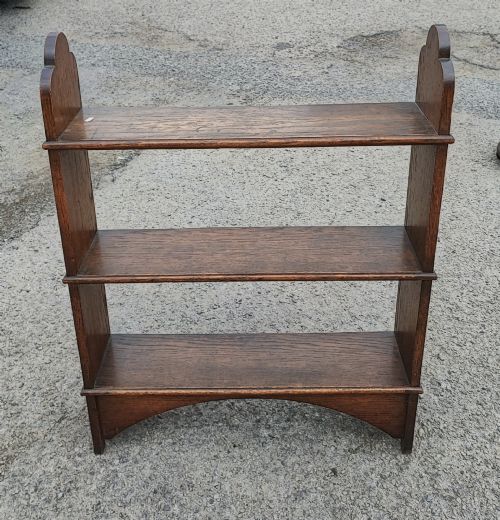
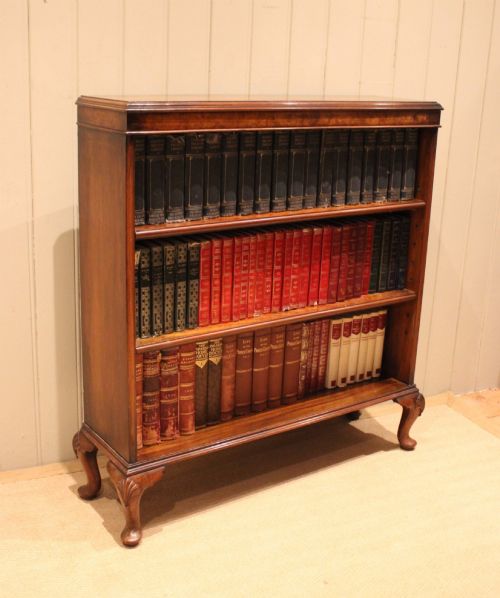
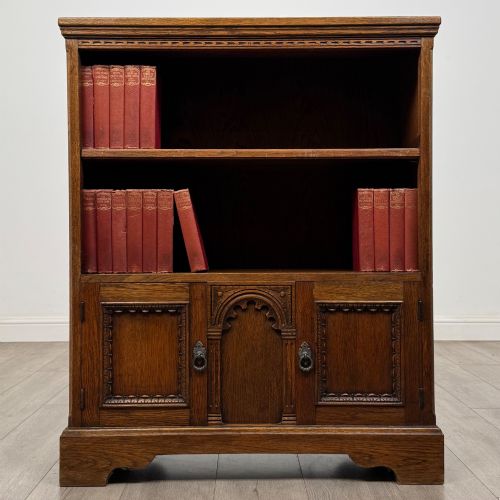
Antique Style Bookshelf
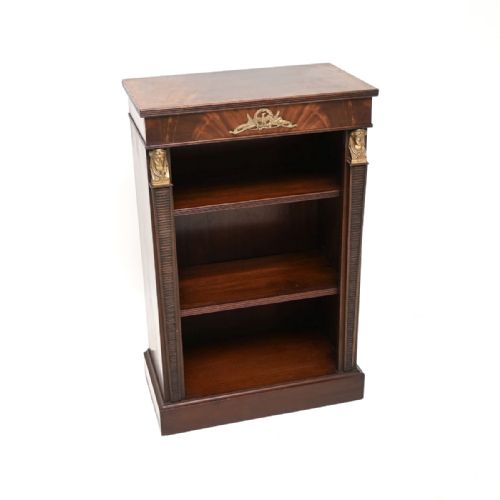
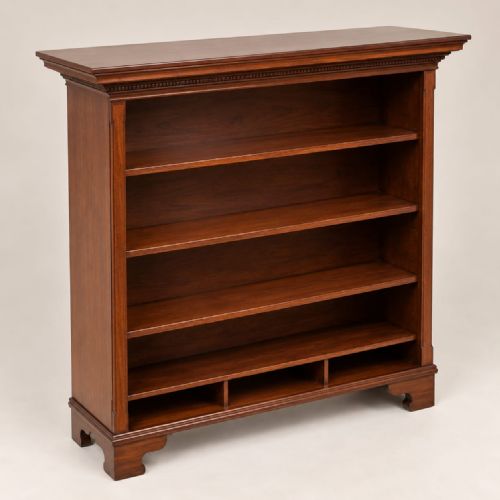
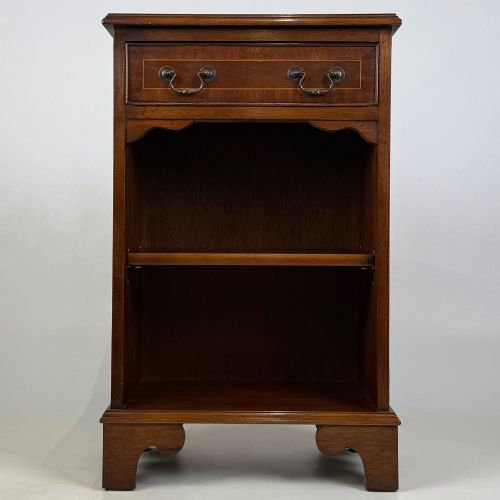
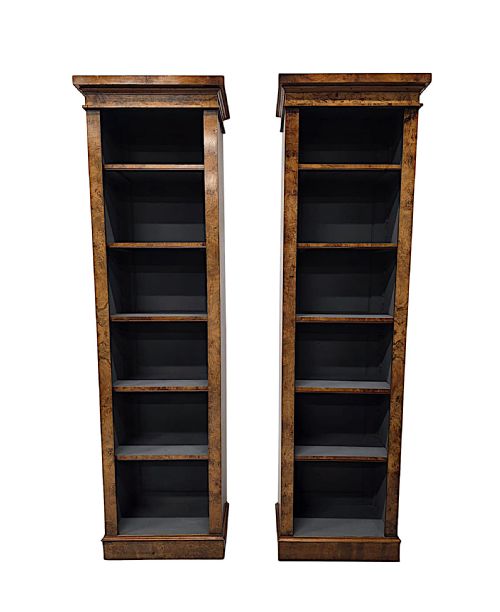
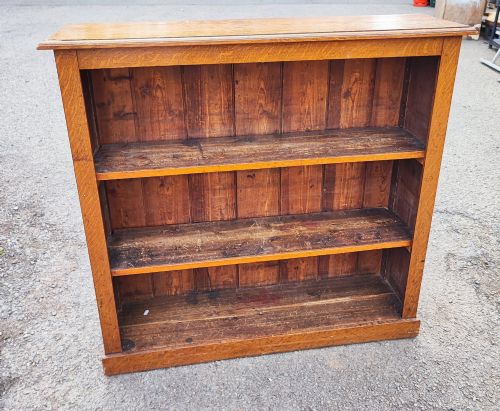
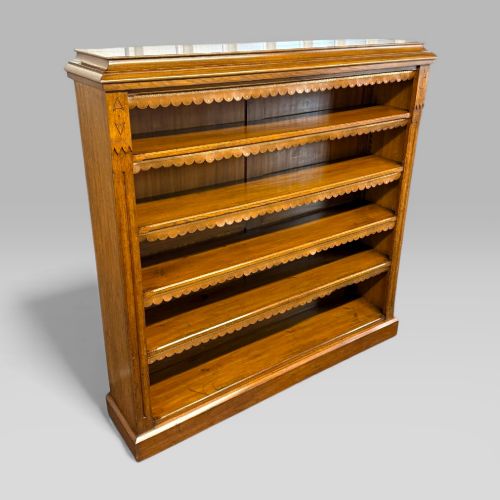
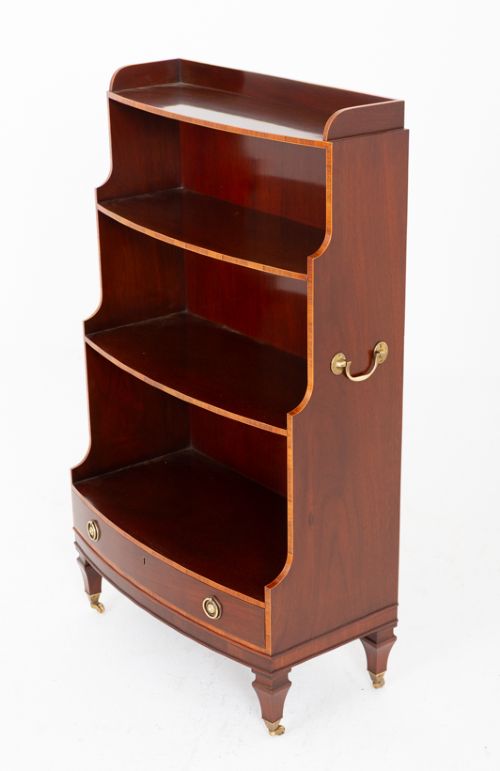
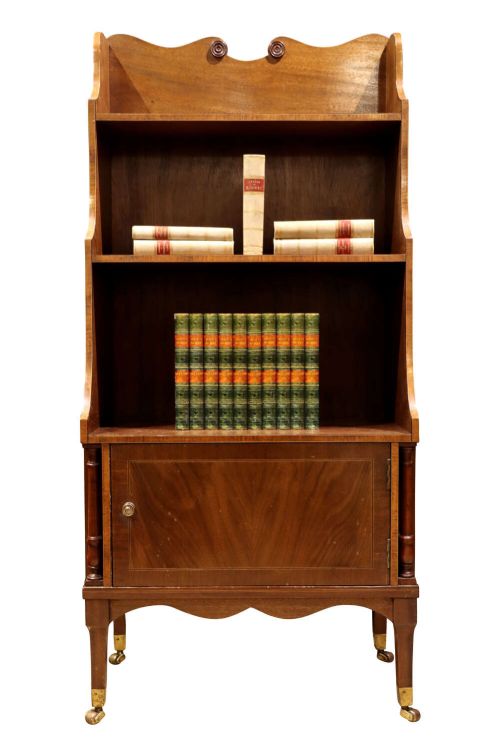
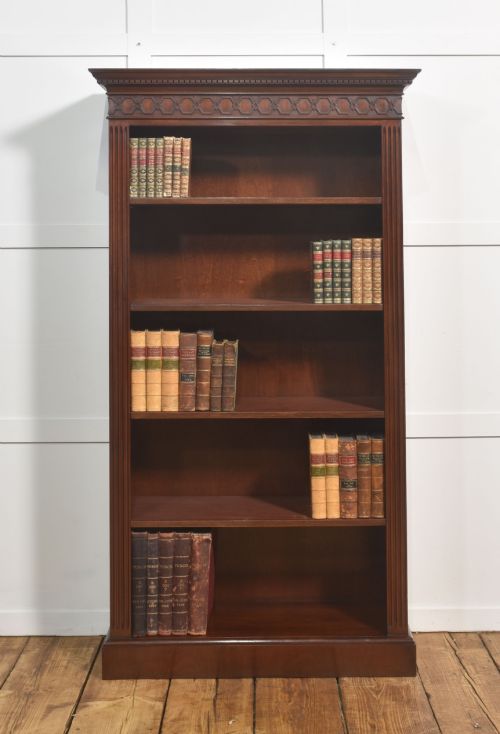
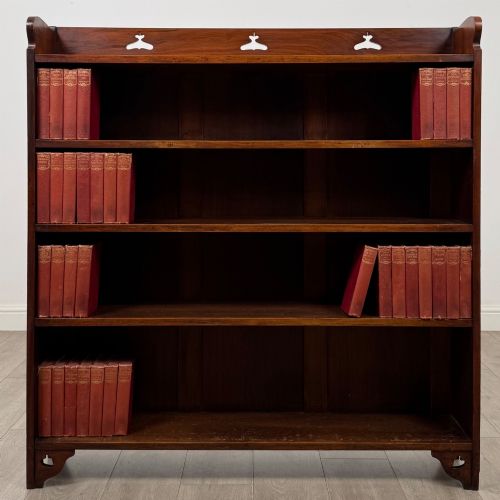
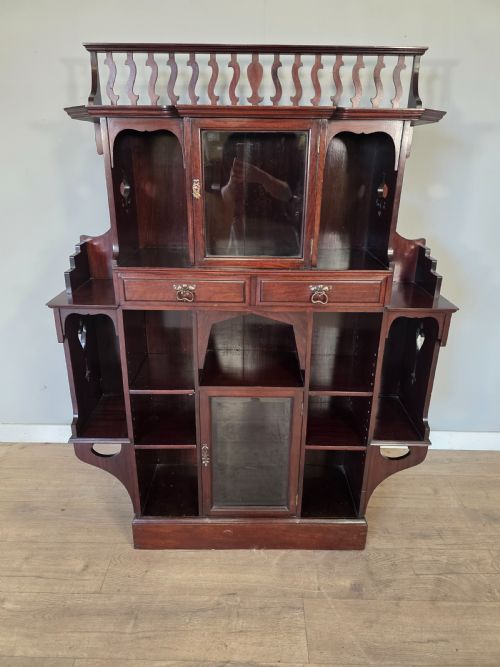
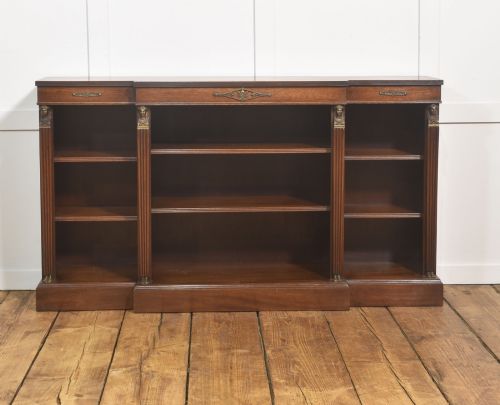
An antique style bookshelf holds volumes with period character, ranging from open oak units to inlaid mahogany display cabinets.
Antique Style Bookshelf
An antique style bookshelf provides practical shelving while introducing historic periods such as Victorian, Edwardian, and the early twentieth century into a room. These pieces appear as open bookcases, revolving bookcases, waterfall designs, and display cabinets.
The selection ranges from sturdy oak Arts and Crafts pieces to refined mahogany and burr walnut furniture reflecting Regency, Georgian, and Neoclassical revivals. Buyers encounter various formats, from compact small bookcases to large breakfront cabinets and wall-mounted versions.
Originating across the nineteenth and early twentieth centuries, these items serve modern library and display needs while retaining the proportions and aesthetic movements of their original eras.
How they were made
Cabinet makers utilised dense hardwoods including mahogany, oak, walnut, and satinwood, frequently highlighting the natural grain of burr walnut or incorporating boxwood inlay and brass castors. Iron components appear in industrial variants, whilst ebonised finishes serve Gothic Revival forms.
Construction techniques balanced load-bearing strength with decorative refinement, employing adjustable shelves, open front frames, and glazed display doors. Master workshops applied traditional joinery methods to ensure stability across tall open bookcases and revolving tabletops.
Object forms range from traditional open bookcases and display cabinets to revolving book tables and multi-tiered whatnots.
What varies in quality
The standard of a piece rests on timber selection and timber preparation, where choice cuts of burr walnut or figured mahogany display superior depth compared to plain utility boards. Subtle details like fine boxwood stringing, inlaid marquetry, and original brass hardware elevate the status of a cabinet.
Proportion and structural integrity distinguish exceptional joinery from standard production. Well-balanced waterfalls and cleanly cut Arts and Crafts open frames demonstrate disciplined craftsmanship that maintains rigidity without heavy bracing.
Heals·Gillows·George Edmund Street
The Antique Style Bookshelf Glossary
- Revolving bookcase
- A compact shelving unit mounted on a rotating pivot base, allowing easy access to books from a seated position. These often sit upon low cruciform feet with castors.
- Breakfront
- A cabinet design where the central section projects forward from the flanking wings, adding architectural depth to large bookcases and display units. It creates varied shadow lines across the facade.
- Whatnot
- A multi-tiered open piece of furniture utilised for displaying books and ornaments, combining the function of a small table and a bookshelf. They frequently appear in slender proportions.
- Inlay
- A decorative technique where contrasting materials such as satinwood or boxwood are inserted into recesses within the primary wood surface. This creates geometric patterns or floral motifs.
Antique Style Bookshelf: Frequently Asked Questions
How do I use a revolving bookcase?
A revolving bookcase sits on a concealed pivot mechanism, allowing the entire unit to spin smoothly and grant access to books from every angle. They work particularly well beside armchairs or in corners where stationary shelving is impractical.
Most examples date from the Edwardian period and utilise compact square footprints to hold substantial collections of reading material.
Are shelves adjustable on these bookcases?
Many nineteenth and early twentieth-century bookcases feature adjustable shelving supported by internal wooden racks or brass strip hardware. This allows owners to accommodate varying book heights from pocket editions to large folios.
Fixed shelves remain common in simpler open oak designs and smaller Edwardian utility units.
What distinguishes Arts and Crafts bookcases?
Arts and Crafts bookcases emphasise visible construction, honest materials, and minimal ornament, relying on the natural grain of oak or walnut. Makers often incorporated exposed tenons and simple chamfered edges.
These pieces reflect an early twentieth-century rejection of mass-produced factory decoration in favour of sturdy, hand-finished utility.