


Antique Study Light
An antique study light brings targeted illumination to a desk, offering practical brass or bronze engineering shaped by the Victorian, Edwardian, and Art Deco eras.
Antique Study Light
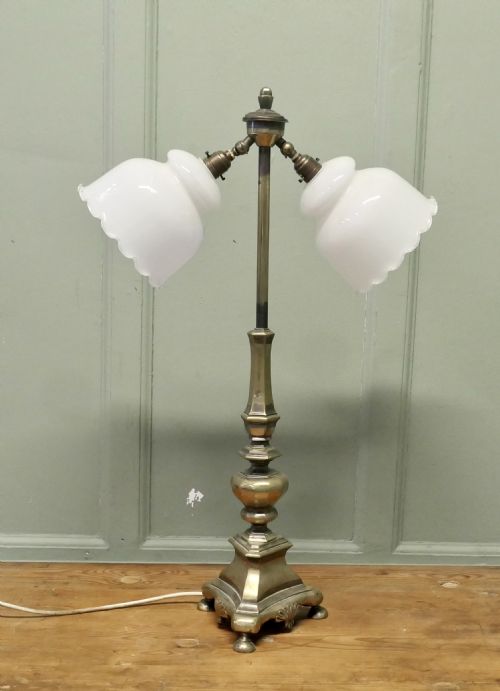
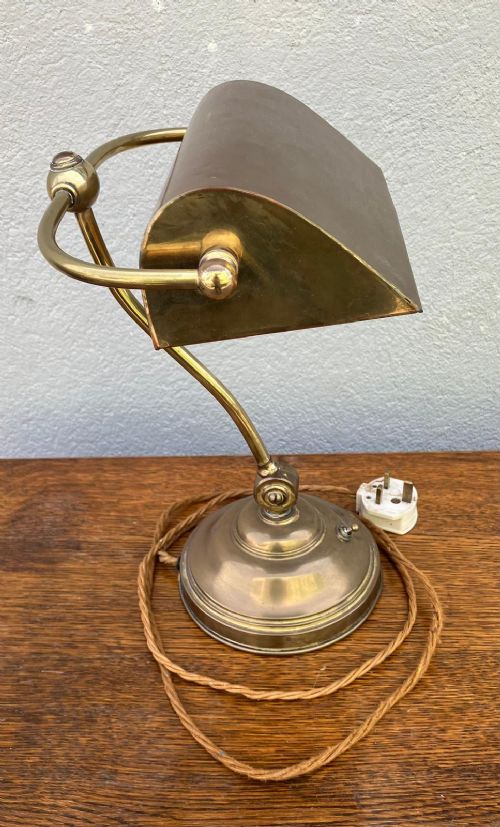
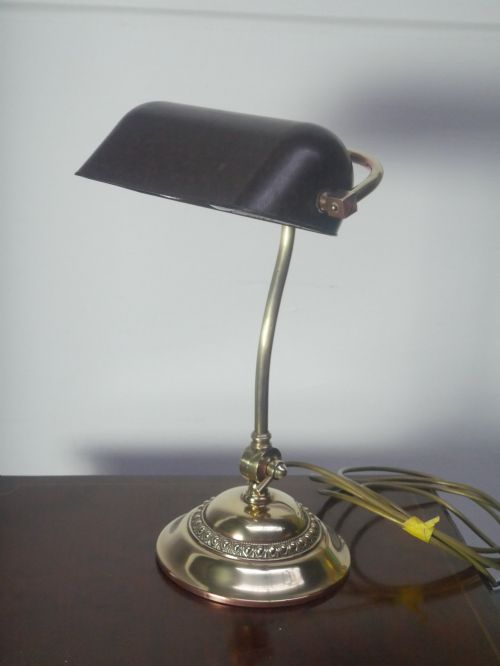
An antique study light brings targeted illumination to a workspace, encompassing adjustable brass reading lamps, bankers lamps, flexible desk lights, and student lamps. These fixtures illuminate surface work through directional metal shades, articulated arms, and weighted bases designed for focused reading and writing.
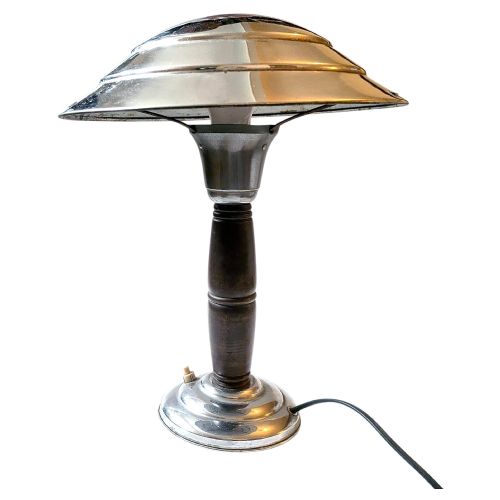
Buyers meet variations spanning the late nineteenth century through to the 1930s. The selection includes swing-arm brass designs, French toleware fittings, nickel-plated ship gimbal lights, and modernist chrome structures.
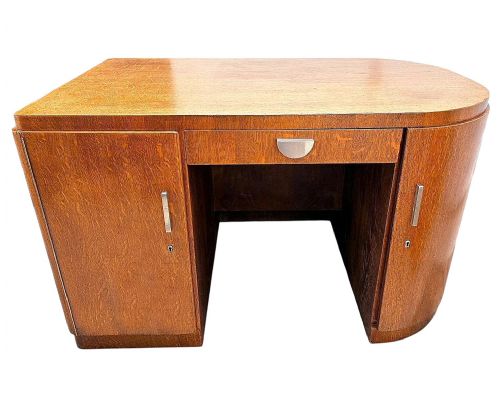
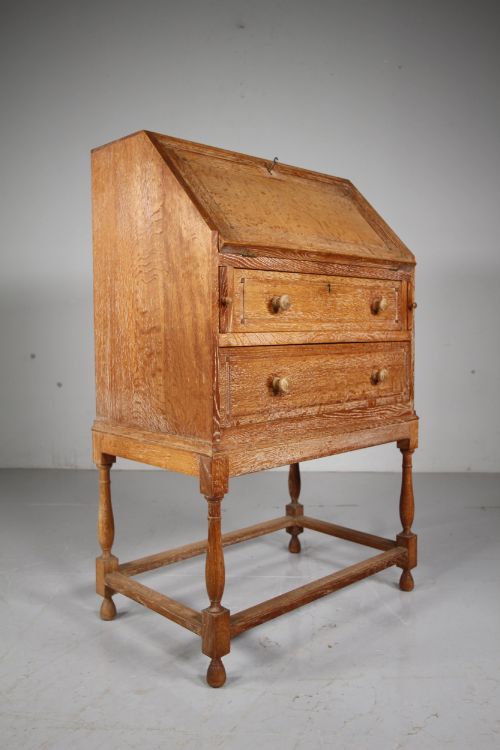
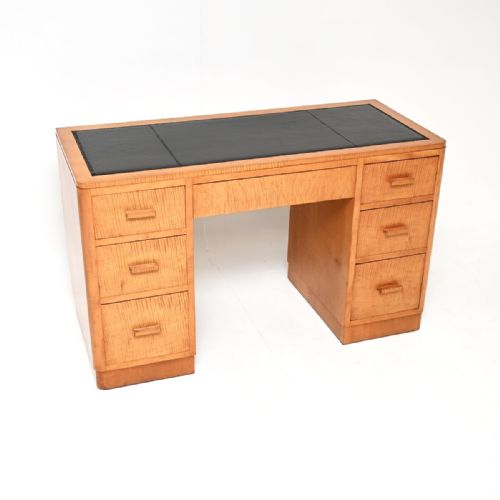
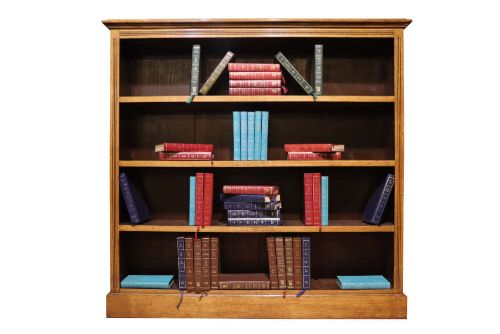
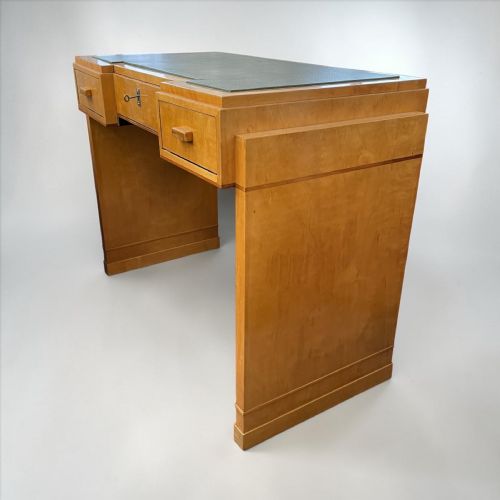
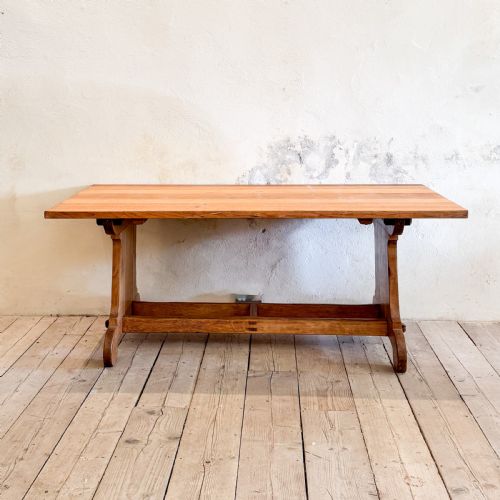
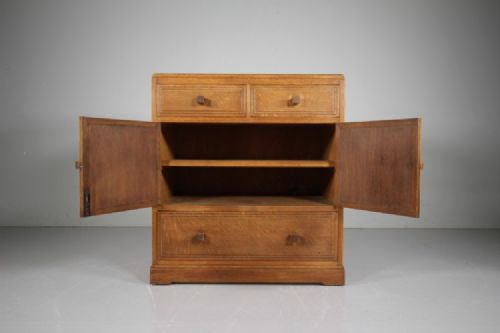
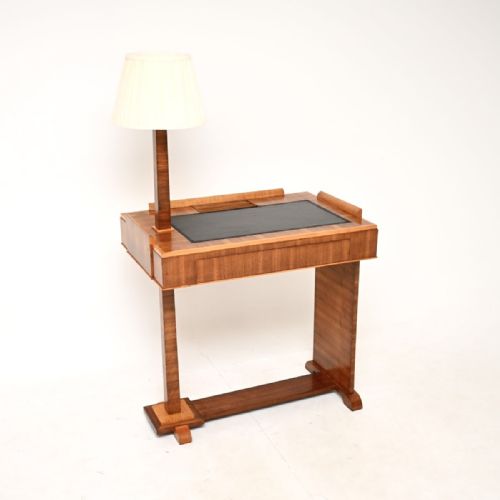
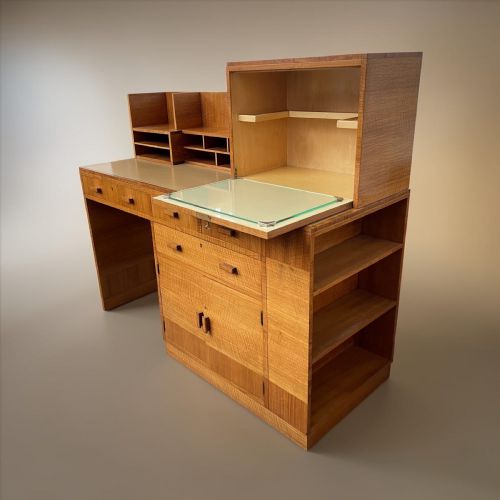
The category extends beyond standalone lamps to incorporate the writing furniture they accompany, such as oak writing bureaux, satin birch pedestal desks, and walnut tables fitted with integrated lighting.
Materials and construction
Makers utilised heavy metals including cast brass, bronze, gilt metal, chrome, and painted toleware to construct stable bases and adjustable stems. Joints often incorporated swivel mechanisms, screws, and articulated joints to allow directional movement of the light source.
Shades were shaped from spun brass, coloured glass, Bakelite, and shell forms to direct the beam efficiently downward onto paper or books. Wiring and electrical components were integrated into structural stems, swan necks, and weighted desk stands.
Listings feature adjustable brass reading lamps alongside oak writing bureaux, satin birch pedestal desks, and Art Deco walnut tables.
Distinctions in quality
Quality rests in the precision of the mechanical joints and the weight of the casting. Superior examples maintain tension smoothly across articulated arms and swan necks without sagging or requiring makeshift supports.
Material selection and surface finish define the tier of a piece, from standard spun brass to heavy bronze castings, crisp nickel plating, and intact original enamel or toleware paintwork. Maker attribution and original branded labels further separate standard production from distinguished workshop output.
Heal and Son·Wild and Wessel·Deighton and Dunthorne·Bryn Mawr·Eileen Grey
The Antique Study Light Glossary
- Swan neck
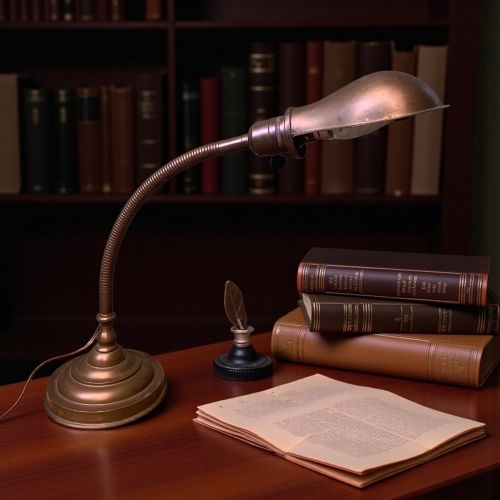
- A curved metal arm resembling the neck of a swan, allowing the light source to arch over a desk surface. This shape provides flexible clearance for paperwork and books.
- Toleware
- Lacquered or painted metalware, frequently used for decorative shades and bases in French and English lighting. It offers a durable coloured finish distinct from exposed brass or bronze.
- Gimbal
- A pivoted ring mounting that allows a lamp or light to stay level regardless of the motion around it. These were common on ships and adjustable study fixtures.
- Pedestal desk
- A heavy writing table supported by two pillars of drawers with a central opening. These large desks frequently formed the anchor for stationary reading lamps.
- Bakelite
- An early synthetic thermosetting plastic utilised for switches, bases, and lamp components in 1930s modernist pieces. It provides a dense, durable dark finish.
Antique Study Light: Frequently Asked Questions
How do I date an antique study light?
Dating relies on identifying manufacturing materials, switch types, base designs, and stylistic markers such as Victorian ornamentation, Edwardian brasswork, or Art Deco Bakelite elements.
Patination on the metal surface and the presence of maker stamps or paper labels also help place the piece within the nineteenth or early twentieth century.
Are these lamps safe for modern use?
Many vintage and antique desk lamps arrive with original wiring that requires professional rewiring to meet contemporary electrical standards. Qualified electricians can easily update internal cords while preserving the historic brass, bronze, or metal exterior.
Buyers should inspect the lampholder and cord condition upon acquisition before daily operation on a desk.
What is a bankers lamp?
A bankers desk lamp is a traditional adjustable light featuring a heavy brass base and a characteristic green or neutral glass shade. It was designed to cast a focused, glare-free beam onto ledgers and documents in offices and studies.
Variants often include articulated brass frames and adjustable mounting brackets from the early twentieth century.
How do I style a study light on a desk?
Position the lamp on the opposite side of your writing hand to minimise shadows across the paper. Pair a brass or bronze reading lamp with period writing furniture such as an oak bureau, a satin birch pedestal desk, or a walnut table.
The metal finish coordinates naturally with leather desk pads, inkwells, and traditional library accessories.