

Antique Studded Leather Seating
Antique studded leather seating brings substantial comfort and historical presence into a room through tactile hides and secure brass fixings.
Antique Studded Leather Seating
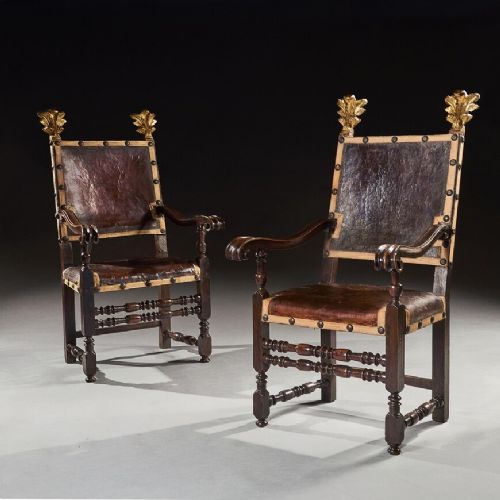
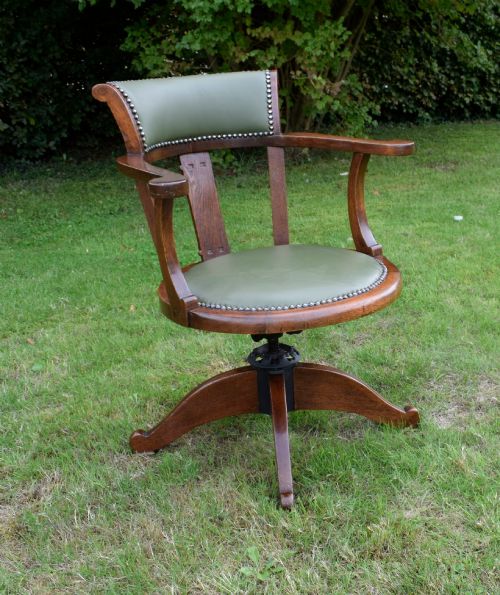
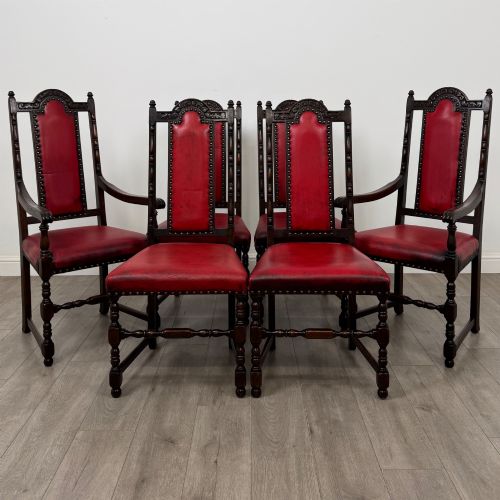
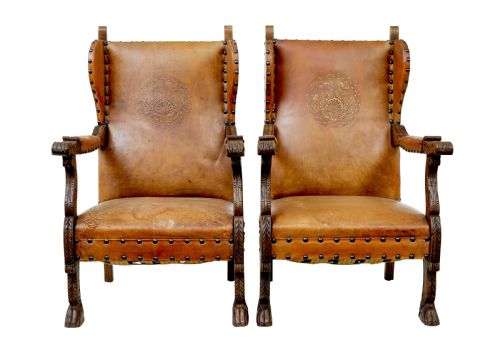
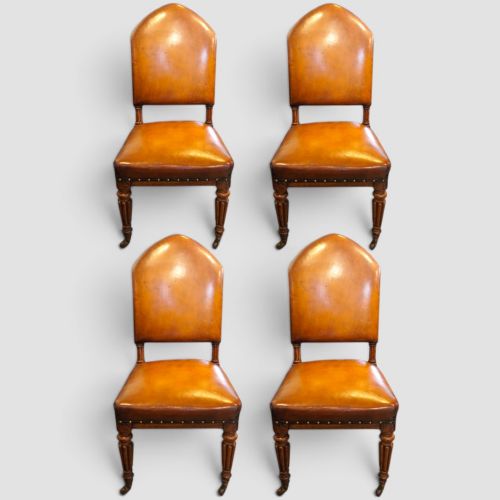
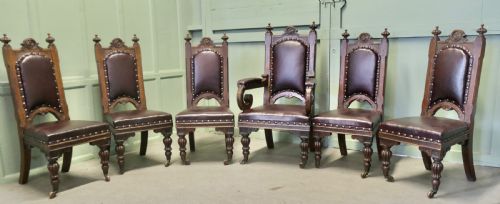
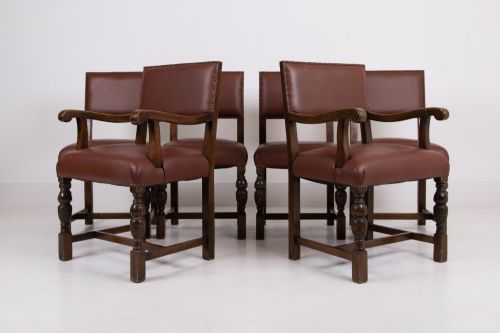
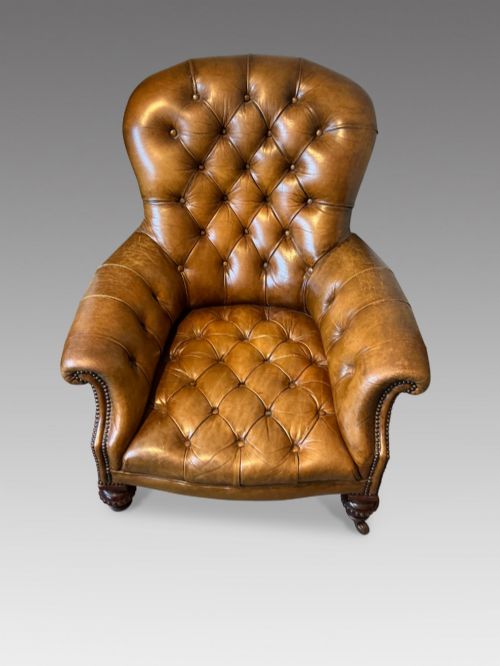
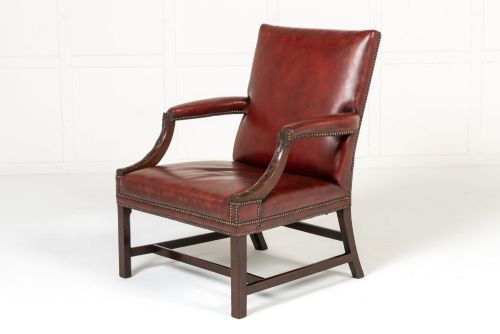
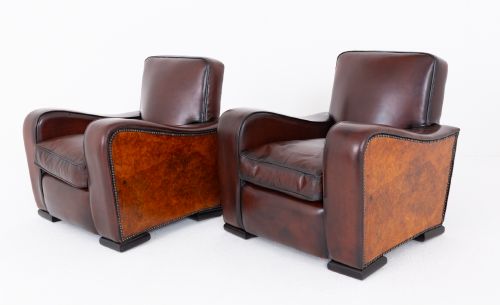
Antique studded leather seating encompasses armchairs, desk chairs, dining chairs, stools, sofas, and club fenders spanning multiple eras. Buyers seeking antique studded leather seating encounter forms ranging from Victorian Gothic dining chairs to early twentieth-century club chairs and oak swivel desk chairs.
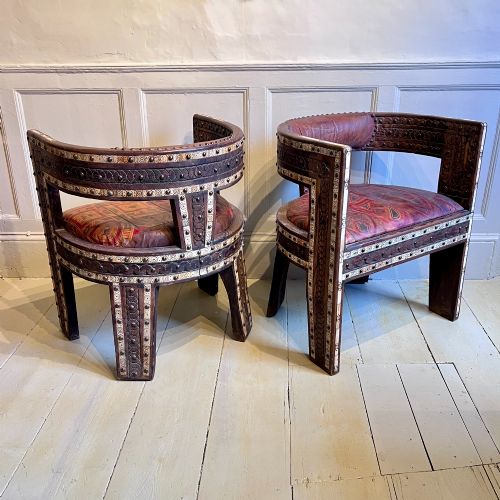
The selection includes pieces originating from English, Scottish, French, Italian, and Anglo-Indian workshops. Examples span from seventeenth-century Baroque walnut armchairs through Georgian mahogany Gainsborough chairs to Art Deco walnut club chairs.
Domestic and institutional seating forms dominate the selection, including library chairs, reading chairs, office chairs, and fireside seating. Stools and club fenders complete the range of domestic furniture utilising leather and metal studs.
Build and Material Standards
Quality separates through the selection and treatment of timber framing, from plain utilitarian beech up to figured walnut, mahogany, and rosewood with carved details. Frame stability and the execution of joinery determine the structural integrity of each piece.
Leather selection dictates the tactile and visual grade, utilising hand-dyed hides, embossed panels, and mature tan leather. The regularity and placement of brass studs reflect the precision applied during upholstery.
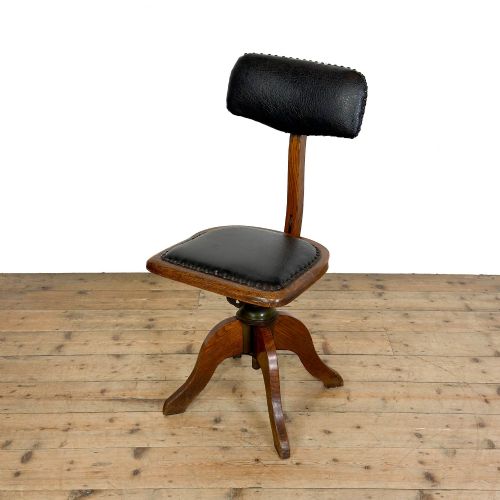
Office seating includes both grand mahogany library chairs and humble Victorian machinist's stools.
The Antique Studded Leather Seating Glossary
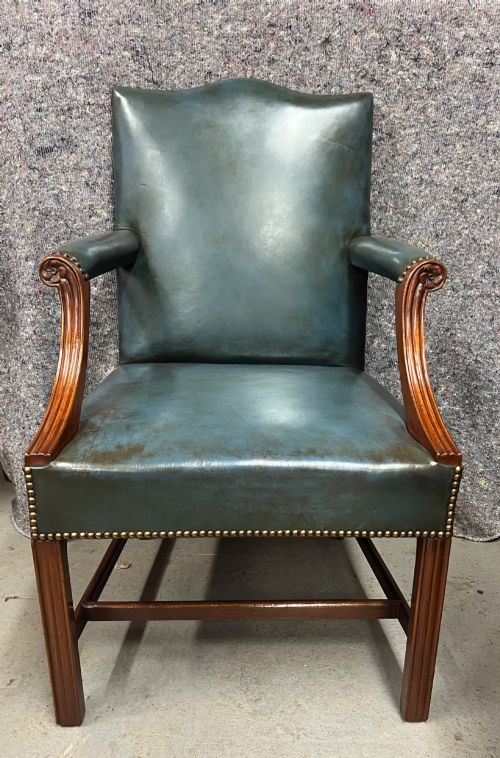
- Gainsborough chair
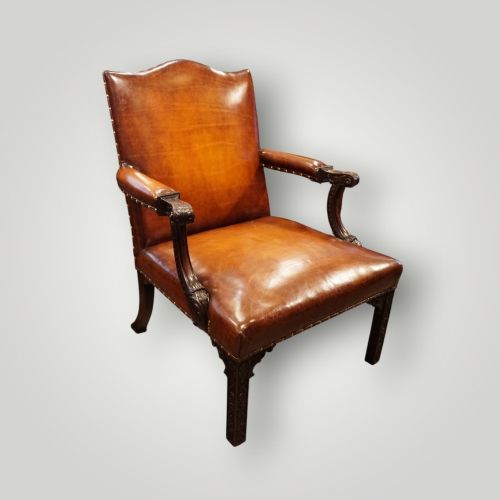
- A wide-seated, open-armed armchair originating in the eighteenth century, designed for writing desks or parlour use. These typically feature upholstered leather backs and seats secured with brass studs.
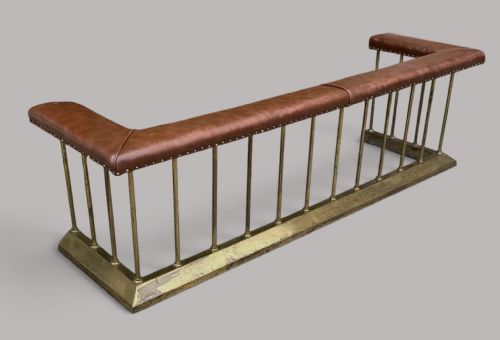
- Club fender
- A low fireside seat featuring a metal frame, frequently brass, surrounding the hearth with padded leather top rails. They provide perimeter seating around an open fireplace.
- Chesterfield
- A large upholstered sofa characterised by deep buttoning, rolled arms, and leather upholstery. The style offers formal low seating.
- Parcel-gilt
- A decorative technique applying partial gilding to specific carved details on a wooden frame. This highlights particular sections of walnut or other timber structures.
- Swivel desk chair
- An office chair mounted on a revolving mechanism, often incorporating tilt functions and wooden or metal bases. These are designed for administrative utility.
Antique Studded Leather Seating: Frequently Asked Questions
How do I date an antique leather chair?
Dating relies on examining the timber frame construction, joinery methods, and the style of carving or turning. Comparing these elements with documented regional furniture styles from periods like the Victorian era or the eighteenth century provides a reliable timeline.
Material wear and the ageing process of the underlying stuffing also offer clues to a piece's age. Hardware such as screws, castors, and the composition of the brass studs assist in confirming the period of manufacture.
Where were club fenders placed?
Club fenders were positioned directly around domestic fireplaces in larger reception rooms and libraries. They served as a boundary to keep people at a safe distance from the open fire.
The padded leather top rails provided convenient perimeter seating for gathering close to the hearth during colder months. This combined functional safety with auxiliary seating in principal rooms.
What is a Gainsborough chair used for?
Gainsborough chairs were originally designed as wide desk chairs or comfortable reading seats for gentlemen and ladies in Georgian libraries and studies. Their generous proportions accommodated the voluminous clothing of the period.
Today, they function well as occasional armchairs, desk seating, or fireside chairs. Their open arm design allows them to sit comfortably beside tables without restricting movement.
How do I care for antique leather?
Maintaining antique leather requires keeping pieces away from direct sunlight and heat sources that dry out the hide. Regular dusting with a soft cloth prevents particulate accumulation in the crevices around brass studs.
Specialist leather balms or feeds help preserve suppleness in older hides without blocking natural breathability. Applying treatments sparingly ensures the leather retains its historical character and patina.