


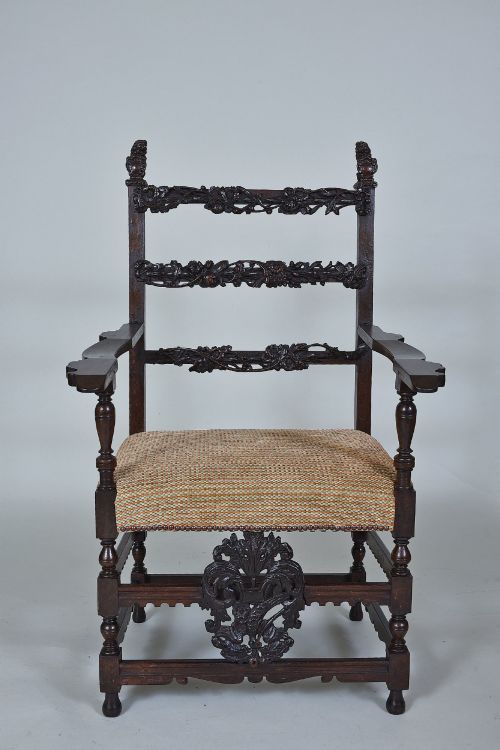


Antique Italian Accent Armchairs
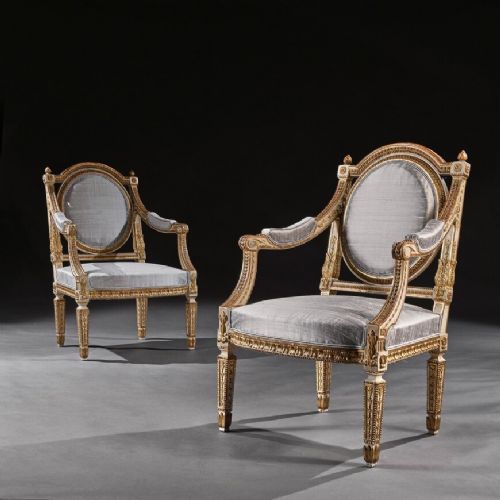
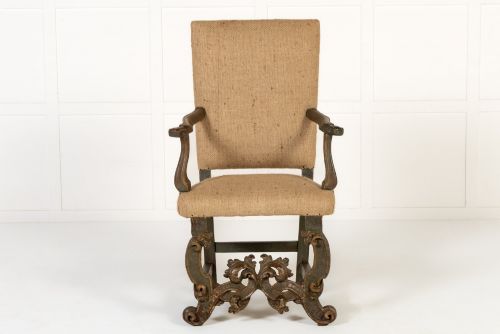
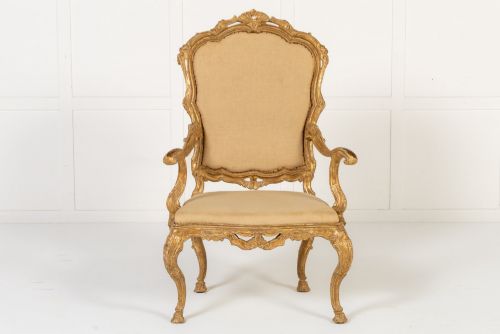
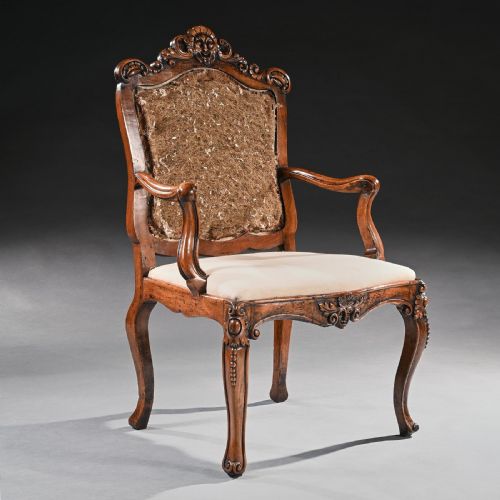
These antique italian accent armchairs combine centuries of regional craftsmanship with dramatic carving, offering a striking focal point for any interior.
Antique Italian Accent Armchairs
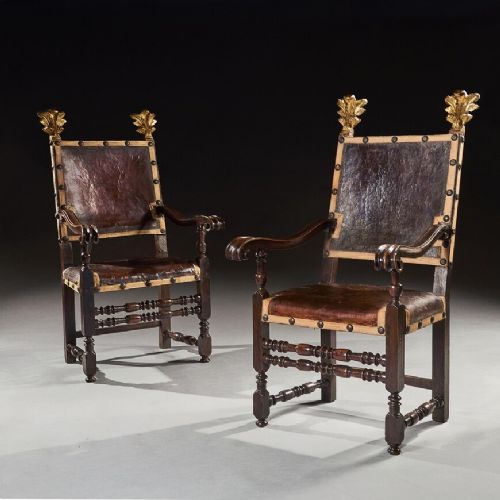
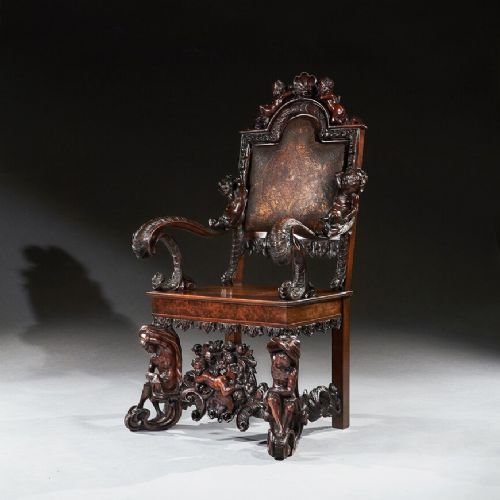
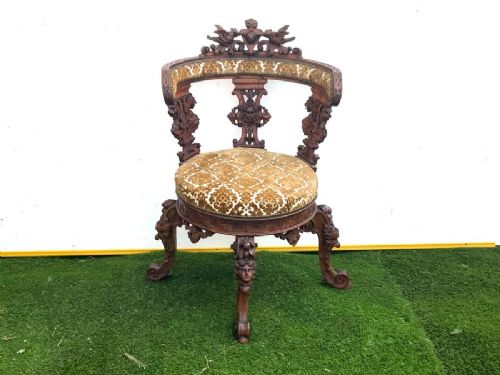
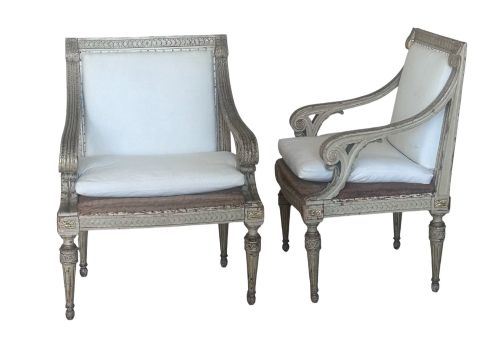
When you search for antique italian accent armchairs, you encounter seating ranging from the seventeenth century through the early twentieth century. The selection spans distinct regional expressions such as Venetian Rococo, Piedmontese salon pieces, and bolder Baroque or Renaissance Revival forms.
Walnut is the predominant structural wood, often paired with elaborate surface treatments including gold leaf, silver gilt, gesso, and painted finishes. Artisans built these seating options for audience chambers, grand salons, and noble residences, incorporating textile or leather elements.
You will frequently meet open armchairs, high back chairs, and specialised forms like the gondola chair or the folding Savonarola chair. These pieces serve primarily as decorative accent seating that carries substantial historical presence.
How they were made
Cabinetmakers shaped solid walnut and other woods using rigorous hand-carving techniques to produce elaborate frames, cabriole legs, and pierced splats. Master artisans applied gesso as a smooth preparation layer before laying down delicate gold leaf or silver gilt.
Upholstery methods involved traditional stuffing secured with hessian and finished with high-grade textiles or leather. Turning techniques such as bobbin turning also appeared on specific structural members of the frame.
Listings span centuries of Italian furniture making, recording forms from the seventeenth-century walnut high back to early twentieth-century painted and gilded accent chairs.
What varies in quality
The sophistication and depth of the hand carving dictate the aesthetic standing of each piece, distinguishing simple regional items from exhibition quality works. Crisp relief work on head rails and arms indicates superior artisan skill.
The integrity of the original surface finishes, whether patinated walnut or applied gilding, strongly influences the character of the chair. Uniformity in matching pairs and the retention of period textiles further elevate the standing of the furniture.
White, Allom & Co.·Andrea Brustolon·Henry Thomas Peters of Genoa
The Antique Italian Accent Armchairs Glossary
- Barocchetto
- The Italian version of the Rococo style, known for lighter proportions and playful, asymmetrical carved ornamentation. It flourished during the eighteenth century.
- Gesso
- A plaster-like mixture applied to wood frames as a smooth base for subsequent gilding or painting. It allows intricate relief details to remain sharp and defined.
- Savonarola chair
- A folding armchair constructed from multiple intersecting curved wooden slats, named after the sixteenth-century Dominican friar. This X-form design collapses for transport or storage.
- Gondola chair
- An upholstered seat featuring a curved, enclosing backrest that resembles the sweeping silhouette of a Venetian boat. It emerged during the eighteenth century as a refined seating option.
- Parcel-gilt
- A decoration method where only specific carved details or raised portions of a wooden object receive gold leaf, contrasting with the painted or stained wood beneath.
Antique Italian Accent Armchairs: Frequently Asked Questions
How do I identify a Baroque armchair?
Baroque armchairs typically display robust proportions, heavy walnut frames, and forceful carved motifs such as scrolls, foliage, and figural elements. Their substantial presence reflects seventeenth-century interior design priorities.
Look for structural solidity and deep, three-dimensional carving on the arms and stretchers that command attention in a room.
Where should I place an accent armchair?
These chairs function effectively in hallways, studies, or drawing rooms where their distinct silhouettes can be appreciated from multiple angles. They work well as standalone statement pieces rather than primary lounging seats.
Pair them with complementary antique furniture to maintain a balanced historical aesthetic within the space.
Are painted Italian chairs original?
Many eighteenth and nineteenth-century pieces left workshops with painted or gilded surfaces applied over gesso preparation layers. These decorative treatments were standard practice for Venetian and Piedmontese workshops.
Examine the surface under natural light to assess the age and integration of the paint layers with the underlying wood.
What is a Savonarola chair used for?
The Savonarola chair served as a portable, versatile seat that could be moved easily between rooms or stored flat when not in use. Its X-frame construction provides surprising structural stability.
In modern interiors, it functions well as a compact desk chair or an architectural accent in a corner.