

Antique Storage Armoire
An antique storage armoire brings generous proportions and traditional craftsmanship to modern interiors, offering substantial hanging space and deep linen shelving.
Antique Storage Armoire
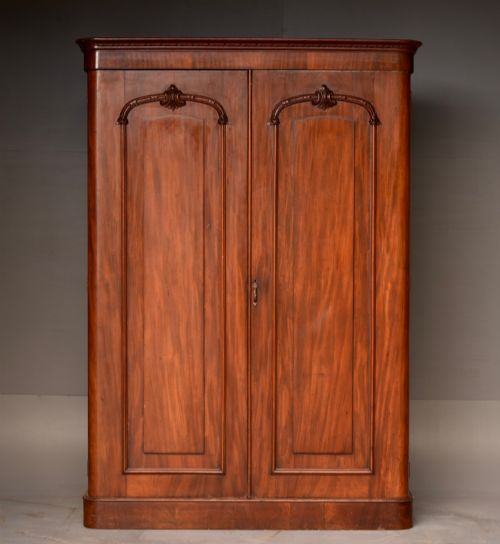
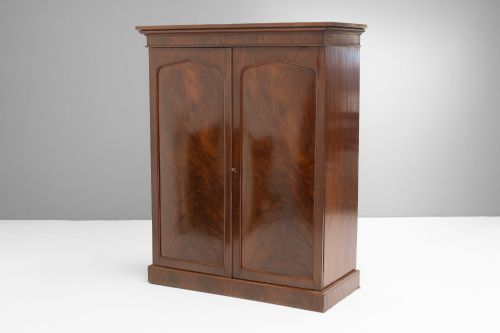
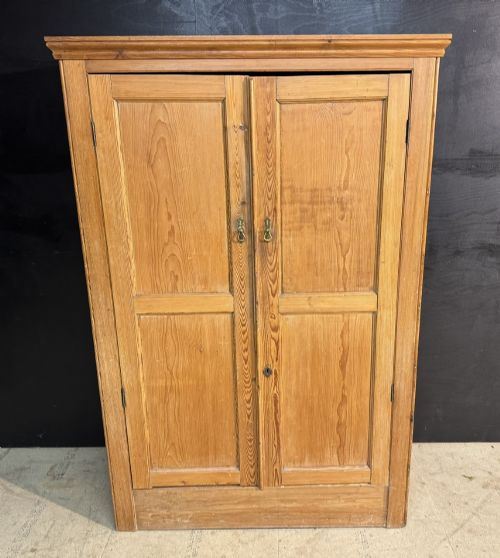
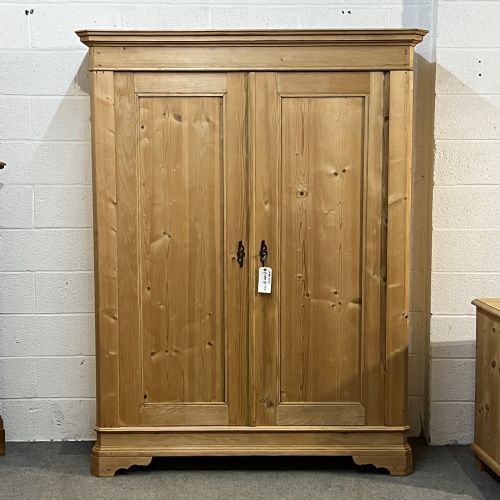
An antique storage armoire encompasses large freestanding furniture designed for garments and household textiles, including wardrobes, linen presses, and housekeepers cupboards. These pieces originate from periods spanning the seventeenth century through to the art deco era, incorporating regional British, French, and Dutch designs.
Materials and construction methods
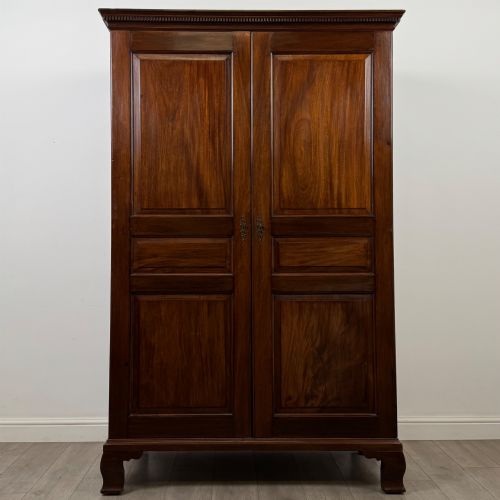
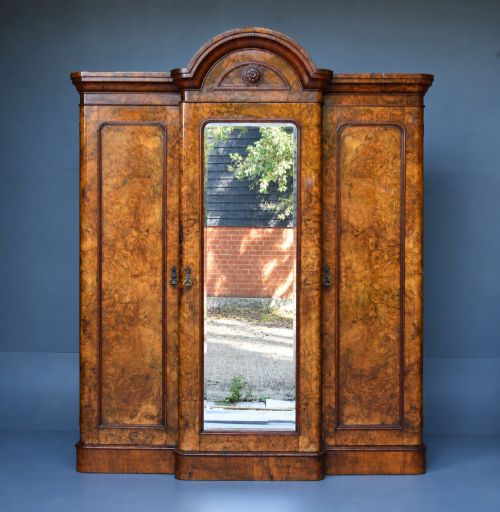
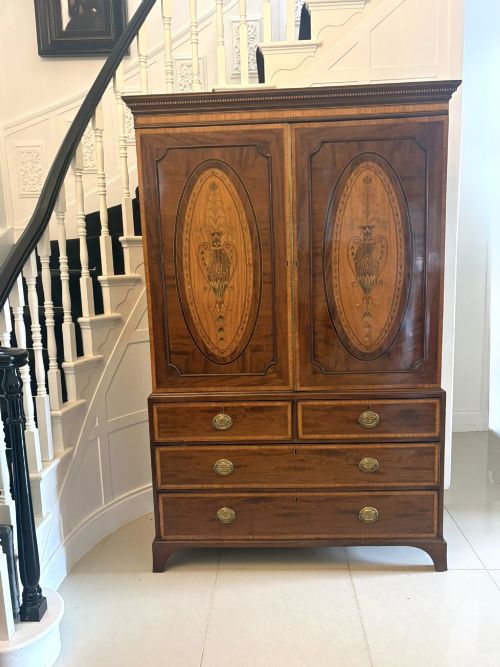
Joiners utilised solid hardwoods including oak, mahogany, walnut, and cherry alongside regional softwoods like pine and ash for structural carcases and panelled doors. Cabinetmakers frequently applied burr walnut veneers, satinwood inlay, and floral marquetry to enhance primary display surfaces on formal pieces.
Makers incorporated traditional frame-and-panel construction to accommodate seasonal wood movement in large timber doors and sides. Hardware typically involved brass hinges, escutcheons, and locks, while lower sections frequently integrated functional drawers supported by dovetail joints.
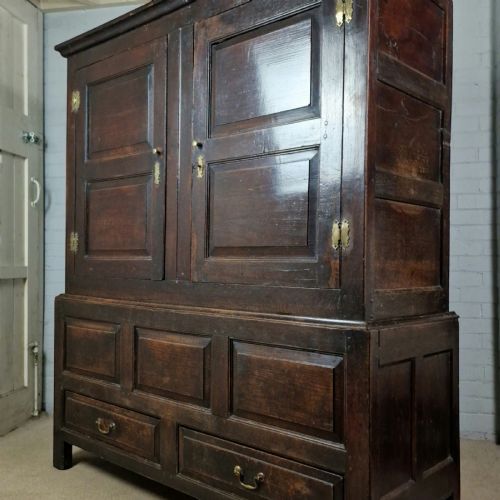
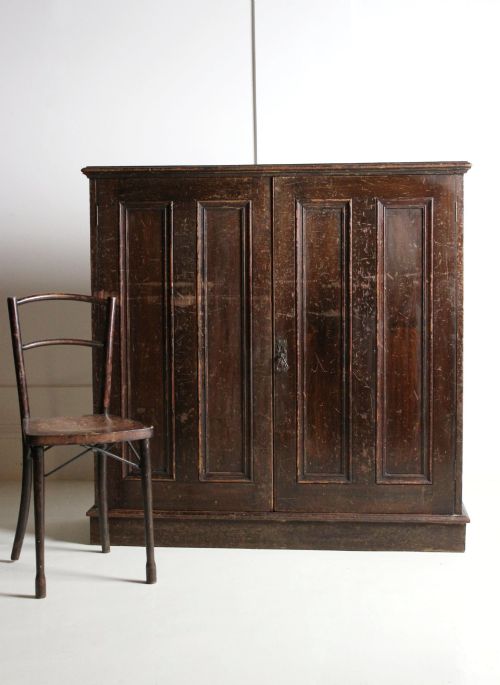
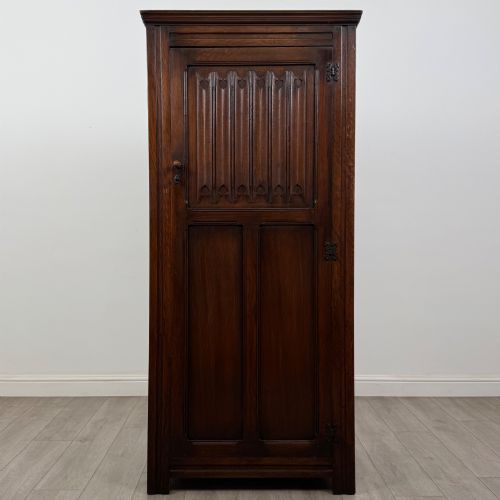
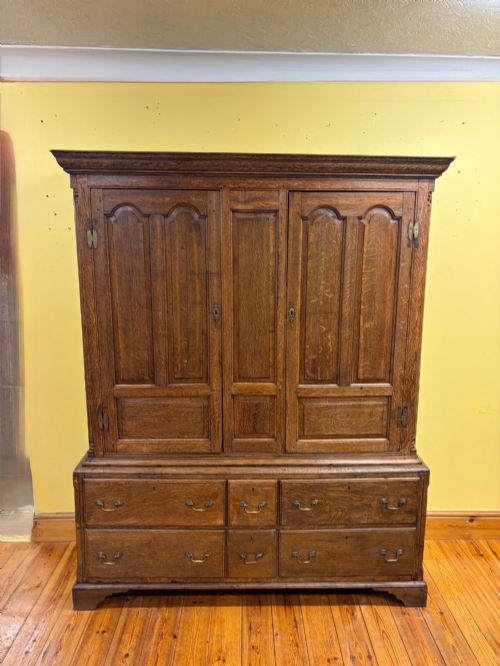
Several country house cupboards retain distinct traces of their rural origins, including robust tack rooms and farmhouse use.
Assessing construction standards and depth of finish
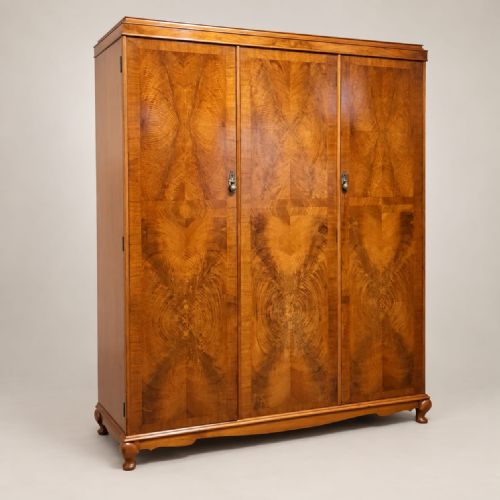
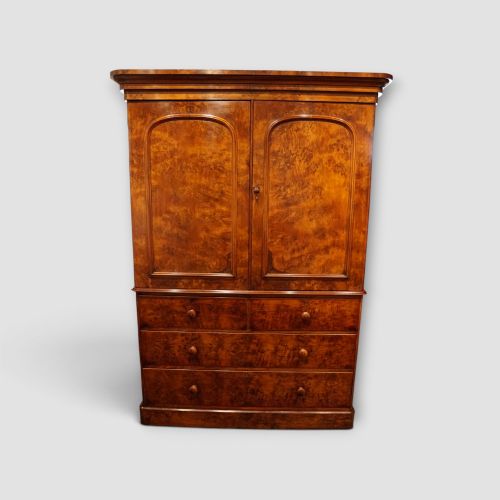
Superior examples demonstrate meticulous timber selection, evidenced by symmetrical grain patterns in burr walnut or high-figure mahogany and clean dovetailing on internal drawer boxes. Lesser pieces rely on heavier applied finishes or simpler softwood carcasses without secondary hardwood linings.
Proportional balance and the preservation of original internal configurations distinguish finer wardrobe and linen press variants. Alterations to interior hanging spaces or replaced cornices alter the original architectural integrity established by the cabinetmaker.
maples & co
The Antique Storage Armoire Glossary
- Linen press
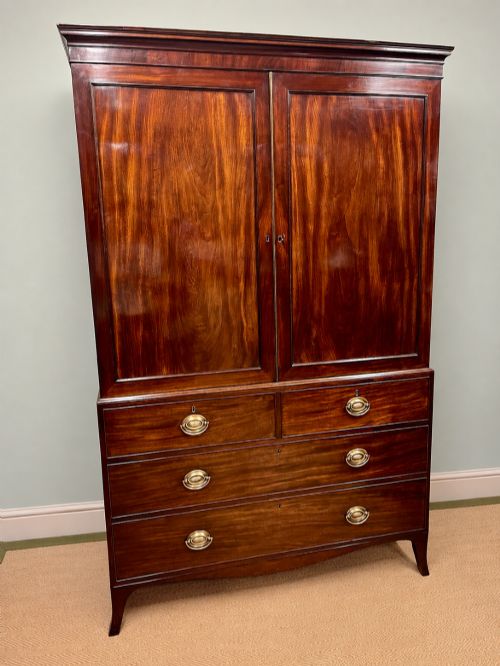
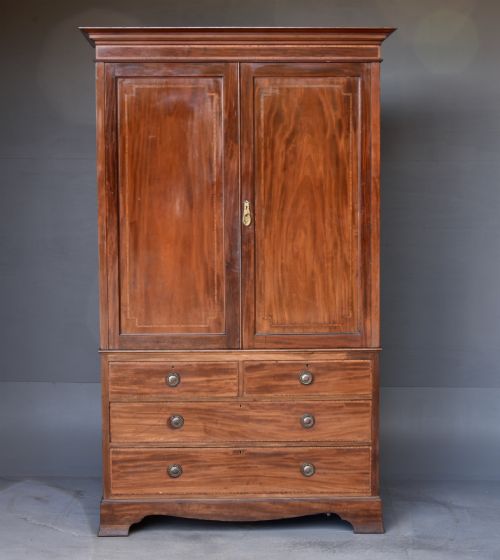
- A tall piece of case furniture featuring upper sliding trays or shelves enclosed by doors, positioned above a base section fitted with drawers. This form evolved specifically for storing household textiles flat before modern hanging closets prevailed.
- Housekeeper's cupboard
- A large utilitarian storage cabinet traditionally used in country houses for provisions, china, or linens. These pieces generally feature sturdy panelled doors and robust oak or pine construction.
- Marquetry
- Decorative veneer work forming pictorial patterns by fitting small pieces of various coloured woods, bone, or ivory into a ground veneer. This technique highlights high-status eighteenth-century Dutch and English cabinetry.
- Dovetail joint
- A traditional interlocking woodworking joint formed by interlocking wedge-shaped fingers, prized for its tensile strength in drawer construction. Hand-cut variations indicate earlier execution dates.
- Cornice
- The ornamental moulded projection crowning the top of a large wardrobe or armoire. It visually caps the architectural composition of the case piece.
Antique Storage Armoire: Frequently Asked Questions
What is an antique storage armoire used for?
These large cabinets provide versatile storage for modern bedrooms and living areas, functioning as wardrobes, linen stores, or general utility cupboards. Their deep shelves and hanging compartments accommodate bulky garments and household textiles with ease.
Interior configurations vary by period, with older models often retaining original sliding linen trays or deep drawers beneath main upper doors.
How do I distinguish a linen press from a wardrobe?
A linen press traditionally combines upper sliding shelves or trays enclosed by doors with a chest of drawers forming the lower half. Wardrobes are primarily designed for hanging garments vertically on internal rails.
Earlier press cupboards were reconfigured by past owners to include hanging space, so inspecting internal fittings helps clarify the original domestic function.
Can antique armoires be dismantled for moving?
Many nineteenth-century European and British armoires, particularly large pine and regional painted examples, were built using knockdown construction. These units disassemble into separate cornices, bases, side panels, and doors for ease of transport.
Solid oak and mahogany models from earlier periods frequently remain as single heavy carcasses requiring specialist removal.
How do I care for polished wood surfaces?
Maintain timber surfaces by applying traditional beeswax periodically to nourish old finishes and prevent the wood from drying out. Avoid placing large cabinets near direct heat sources or in fluctuating humidity.
Regular dusting with a soft, dry cloth protects delicate veneers such as burr walnut and marquetry inlay from abrasive particles.