
Antique Stoneware Vase
When you search for an antique stoneware vase, you find heavy, durable vessels shaped by Victorian, Art Nouveau, and Arts and Crafts makers.
Antique Stoneware Vase
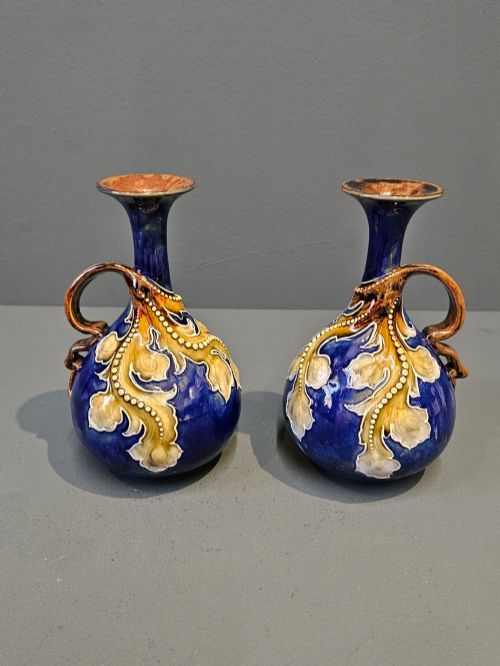
An antique stoneware vase is a dense, vitrified ceramic vessel designed for display or utility, frequently appearing in forms like baluster vases, jugs, and jars. These pieces emerge predominantly from late nineteenth-century and early twentieth-century workshops, with Victorian and Edwardian examples forming the core of the selection.
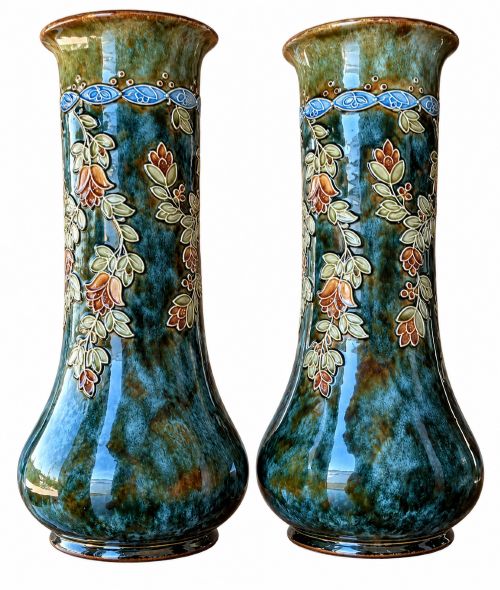
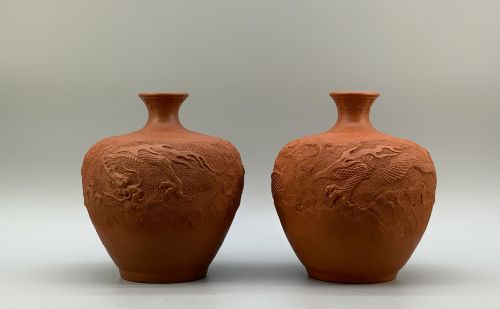
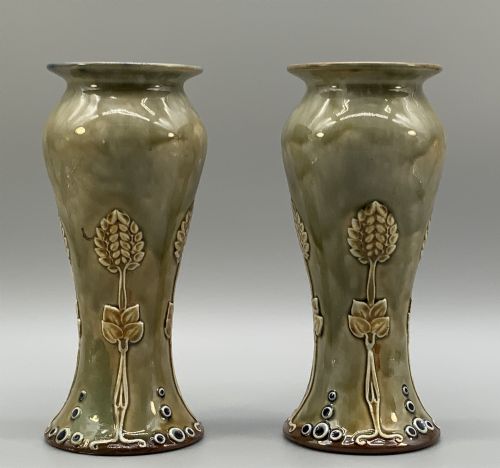
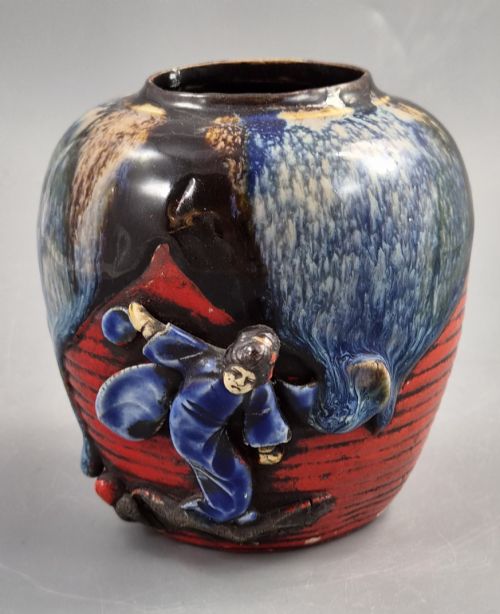
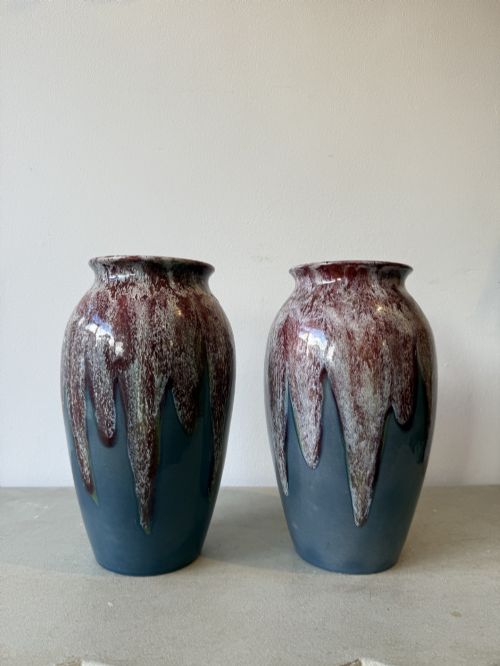
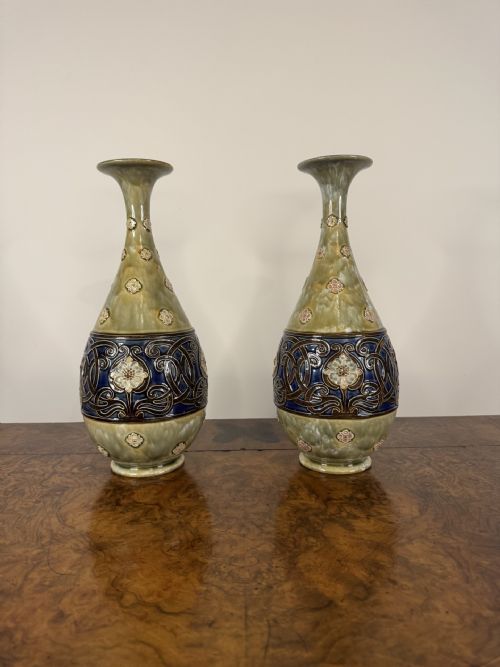
The aesthetic vocabulary spans the organic fluidity of Art Nouveau, the geometric honesty of Arts and Crafts, and the textured relief of Japanese Sumida Gawa production. Buyers encounter substantial British output from makers like Doulton Lambeth alongside continental and Asian ceramics.
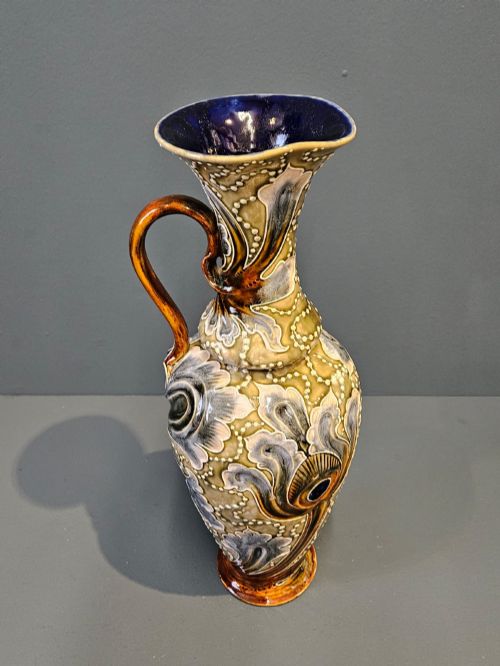
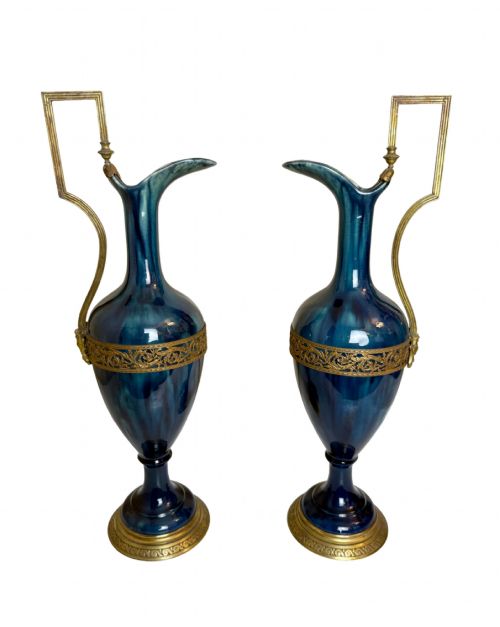
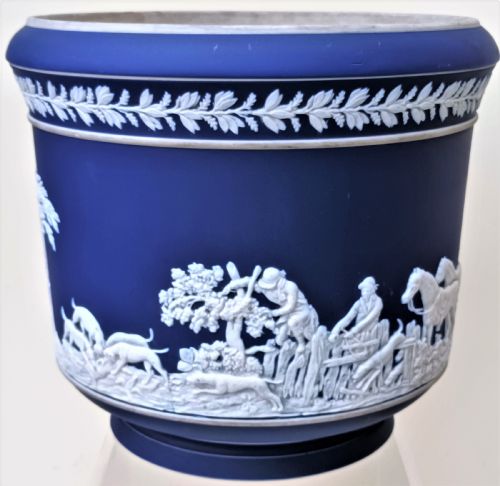
Forms range from modest cabinet vessels to large floor-standing ewers and jardinières. Each object reflects the utilitarian origins of stoneware elevated into decorative art through specialised glazes and applied ornamentation.
How they were made
Stoneware body material is fired at high temperatures until the clay vitrifies, rendering the vessel impermeable to liquids without requiring interior glazing. Artisans then apply surface decoration utilising salt glazes, slip trailing, or carved incisions directly into the raw clay.
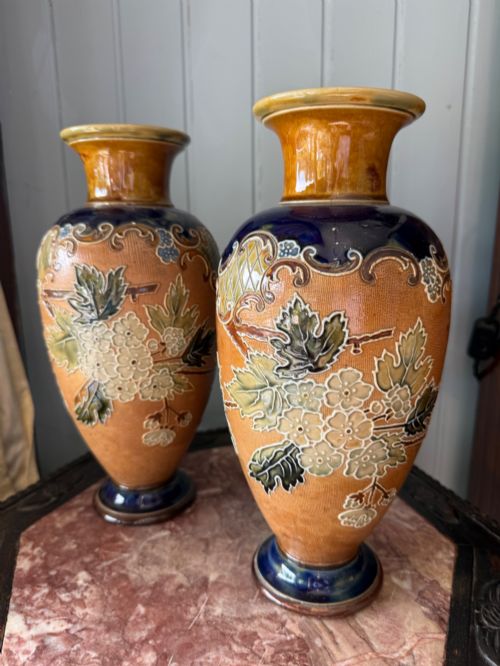
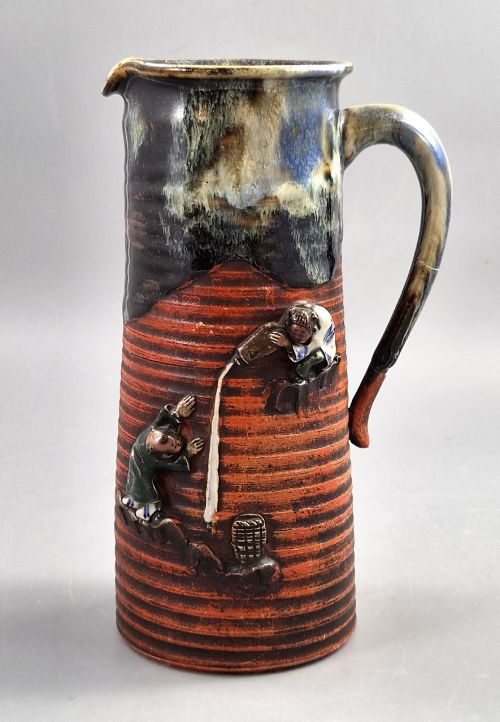
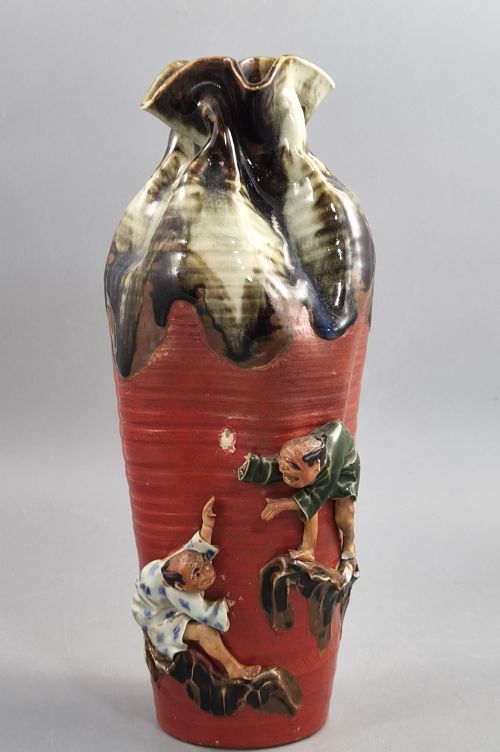
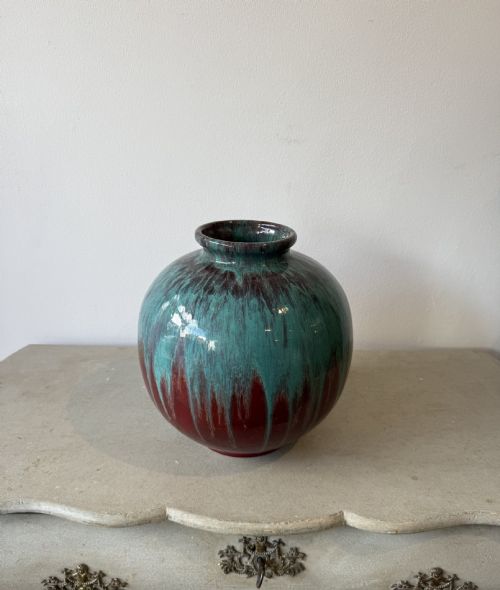
Many English and continental works incorporate specialised techniques such as Slaters Patent, where lace or fabric is pressed into the damp clay to create textured patterns beneath coloured enamels and glazes. Japanese pieces often feature applied sculptural figures, molten flambe glazes, and red clay bodies moulded by hand.
Listings feature prominent British and Japanese periods, including Victorian era works alongside Meiji and Taisho export ceramics.
What varies in quality
The calibre of an antique stoneware vase rests upon the precision of the potter's throw and the complexity of the surface ornamentation. Master decorators at potteries like Doulton Lambeth executed hand-carved foliage and slip work that displays distinct artistic control, unlike routine factory production.
Design integration separates standard vessels from exceptional ones. Superior examples balance form and glaze, where applied motifs, bronze mounts, or intricate relief work enhance rather than crowd the heavy stoneware body.
Royal Doulton·Doulton Lambeth·William Adams and Sons·Inoue Ryosai·Makuzu Kozan
The Antique Stoneware Vase Glossary
- Stoneware
- A robust ceramic pottery fired at high temperatures until semi-vitreous and waterproof. It provides a heavy, durable body suitable for rich chemical glazes and deep surface carving.
- Baluster
- A vertical architectural form characterised by a rounded lower body that tapers upward to a narrow neck. This shape provides stability and balance for heavy ceramic vessels.
- Flambe glaze
- A variegated, streaked metallic glaze achieved through reduction firing in the kiln. It produces unpredictable pools of colour ranging from deep blues to vibrant reds.
- Ewer
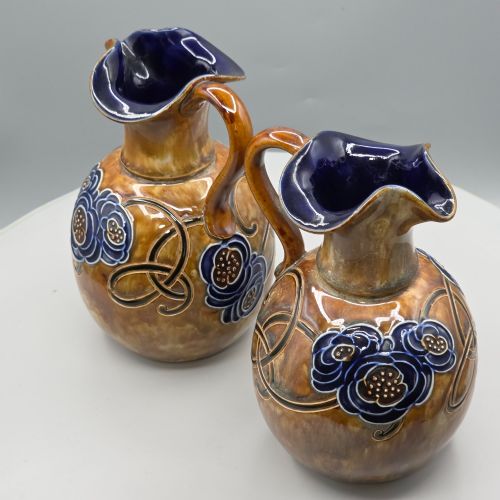
- A large jug with a wide spout and a curved handle, originally intended for pouring water. In decorative ceramics, it serves as an ornamental display piece.
- Slip
- Liquid clay suspended in water, utilised by potters as a decorative coating or to pipe raised patterns onto the surface of a vessel before firing.
Antique Stoneware Vase: Frequently Asked Questions
How do I display a heavy stoneware vase?
Place large vessels on sturdy furniture or low pedestals where their substantial weight and dense body do not compromise support. Ensure they sit away from high-traffic areas to prevent accidental impacts.
Allow adequate space around the piece so ambient light can catch the textures of the glaze and any applied relief work. Pairing them with simpler surroundings highlights their distinct forms.
Can these antique vases hold water?
Stoneware is naturally vitrified and non-porous due to high-temperature firing, meaning many vessels can safely hold water for floral displays. However, older decorative pieces with fragile applied elements or historical repairs require caution.
Check the interior for any hairline cracks or original manufacturing flaws before filling the vessel. Hand washing is essential to preserve exterior glazes and delicate surface decorations.
What defines the Art Nouveau style on these pieces?
Art Nouveau decoration draws inspiration from natural, organic forms such as winding stems, seed pods, and stylised floral motifs. Makers utilised flowing, asymmetrical lines carved directly into the stoneware body.
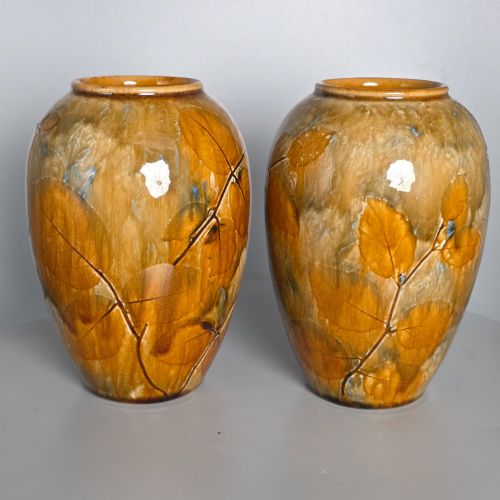
This movement shifted away from rigid Victorian symmetry towards dynamic, life-like movement across the ceramic surface. Glazes often complement these motifs with muted autumnal tones or vibrant blues.
How do I distinguish Japanese export ceramics?
Japanese export pieces from the Meiji and Taisho periods often feature distinctive regional techniques, such as the sculptural, heavily textured landscapes of Sumida Gawa ware or the fine red clay of Tokoname. Look for expressive applied figures and distinctive flambe glazes.
Signatures or impressed artist stamps on the base frequently identify individual master potters and workshops. These works combine traditional Japanese sculptural forms with styles developed for Western collectors.