

Antique Stoneware Pottery Vessel
An antique stoneware pottery vessel brings heavy, durable utility and rich earthy glazes straight into a modern interior.
Antique Stoneware Pottery Vessel
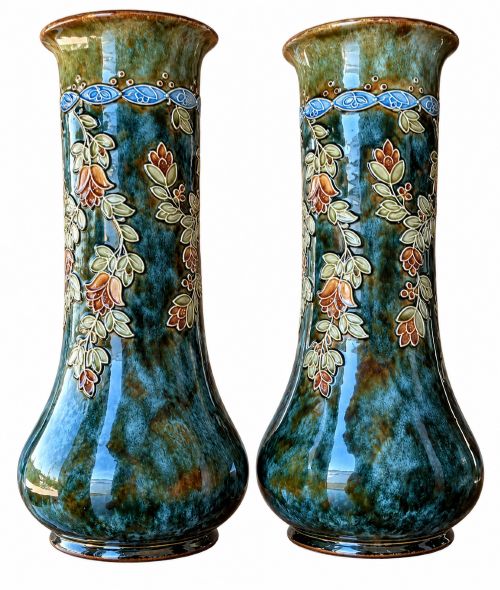
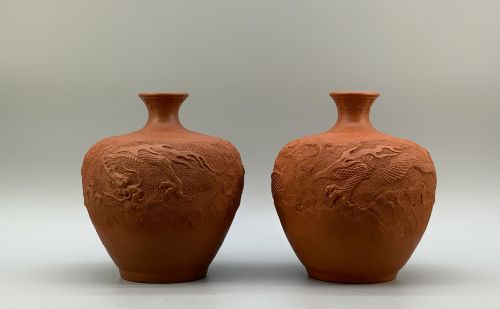
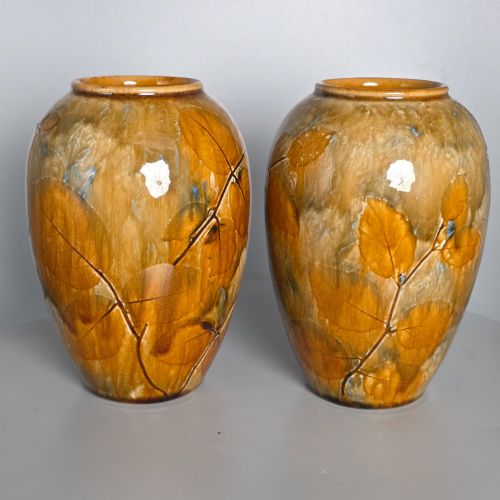
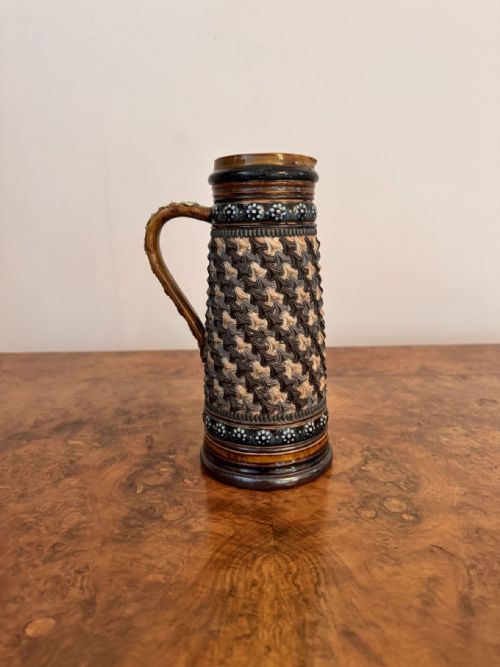
When searching for an antique stoneware pottery vessel, buyers encounter an array of heavy-walled utilitarian and decorative objects spanning multiple centuries. The selection ranges from robust German salt-glazed tavern jugs and wine bottles to intricate Victorian art pottery vases and utilitarian storage jars. These items were originally fired at high temperatures to achieve a dense, impermeable body suitable for holding liquids, preserves, or dry goods.
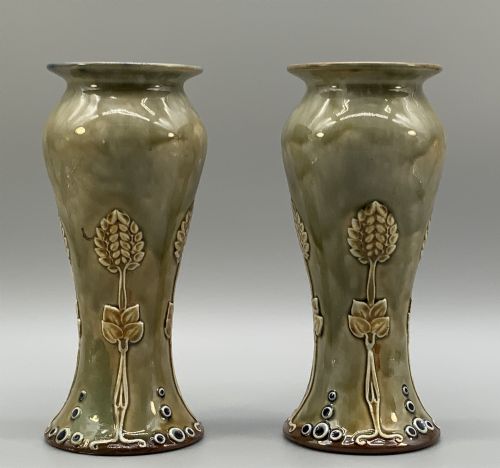
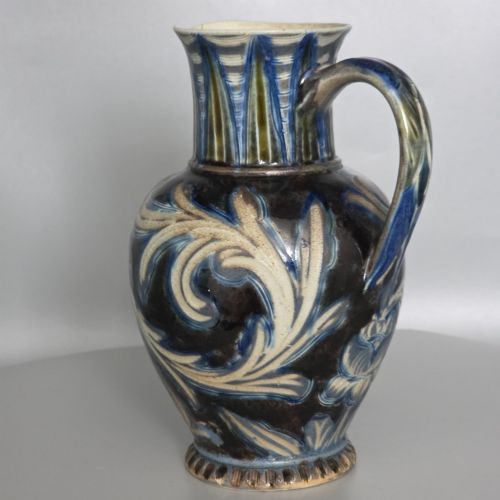
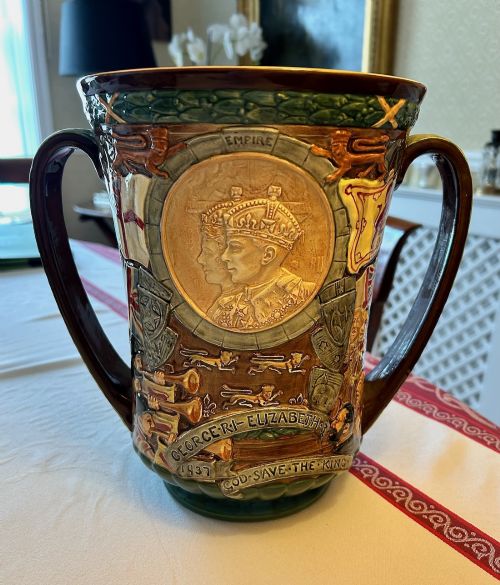
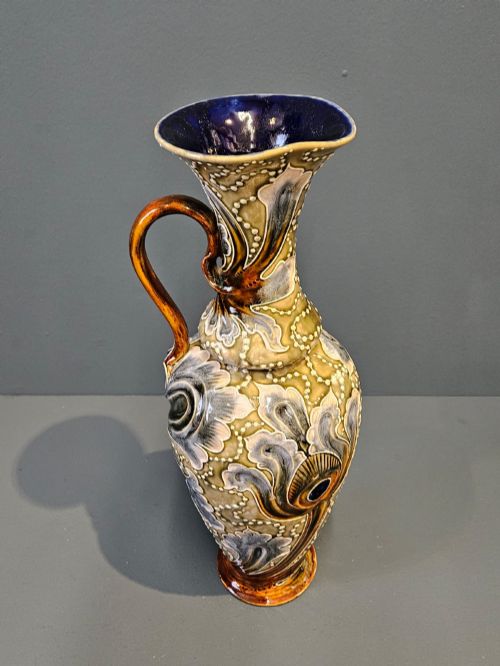
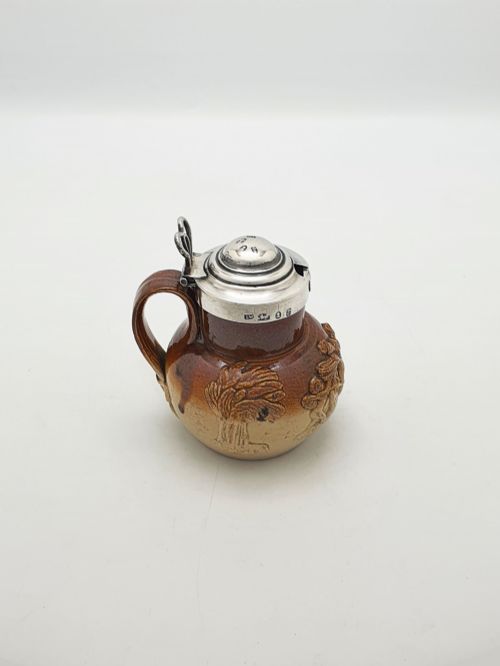
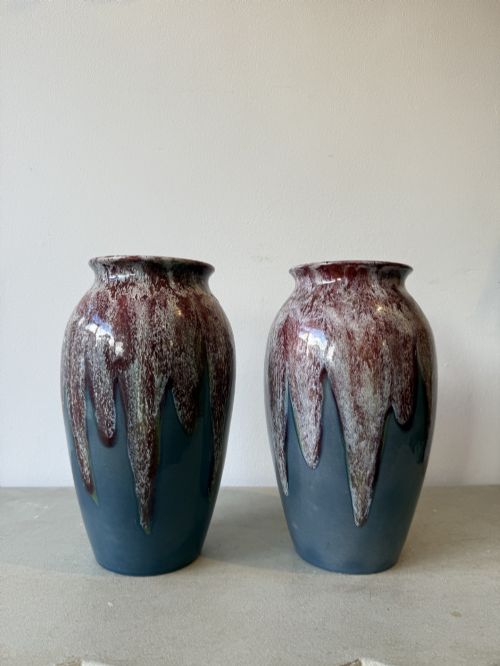
The most common forms met on this page are Victorian Doulton Lambeth jugs, ewers, and vases, alongside continental Westerwald tankards and French confit jars. Pieces frequently display rich salt glazes, slipware decoration, or moulded botanical and figural motifs. From early eighteenth-century German vessels bearing royal ciphers to early twentieth-century Arts and Crafts baluster vases, the inventory covers centuries of utilitarian ceramic evolution.
How they were made
Makers shaped dense clay bodies on the potter's wheel or by hand before applying mineral glazes and salt treatments. Salt glazing involved throwing common salt into the kiln during high-temperature firing, which vaporised and reacted with the silica in the clay body to form a durable, orange-peel texture.
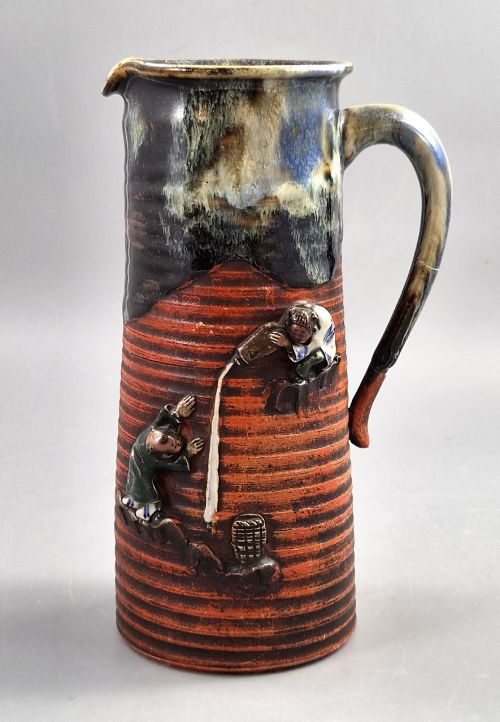
Surface ornamentation relied on incising, slip trailing, and applied moulded reliefs. Artists carved foliage, animals, and heraldic ciphers directly into the leather-hard clay, often highlighting the designs with cobalt blue or manganese brown pigments before the final kiln run.
Early tavern jugs were built with three handles so patrons could hoist heavy ale without starting a pub brawl.
What varies in quality
Quality rests primarily in the crispness of the modelled decoration and the control demonstrated during the high-temperature firing. Superior vessels exhibit deeply incised or cleanly applied relief work that remains sharp beneath the glaze, whereas inferior examples show blurred details and uneven kiln gloss.
The artistic pedigree of the decoration also separates standard production items from exceptional studio pieces. Items bearing the hand-painted signatures or monogram marks of notable ceramic artists command greater interest due to their individuality and advanced decorative technique.
Royal Doulton Lambeth·Westerwald potteries
The Antique Stoneware Pottery Vessel Glossary
- Salt Glaze
- A glossy, slightly textured finish created by throwing common salt into the kiln during the high-temperature firing process. This technique produces a durable surface reminiscent of orange peel.
- Tyg
- A heavy drinking vessel featuring three or more vertical handles designed to be passed around a communal table. They date back to medieval times and frequently appear in later stoneware production.
- Confit Jar
- A large, glazed earthenware or terracotta pot traditionally used in rural France for preserving meats and confit. These vessels usually feature rich lead glazes and sturdy loop handles.
- Slipware
- Pottery decorated with slip, which is a liquid clay mixture applied to the leather-hard body before firing. Artists trail, brush, or dip the slip to create contrasting surface patterns.
- Westerwald
- A historic German pottery region renowned for producing salt-glazed stoneware jugs and tankards. These pieces often display cobalt blue decoration and impressed medallion designs.
Antique Stoneware Pottery Vessel: Frequently Asked Questions
Can I use these vessels for fresh flowers?
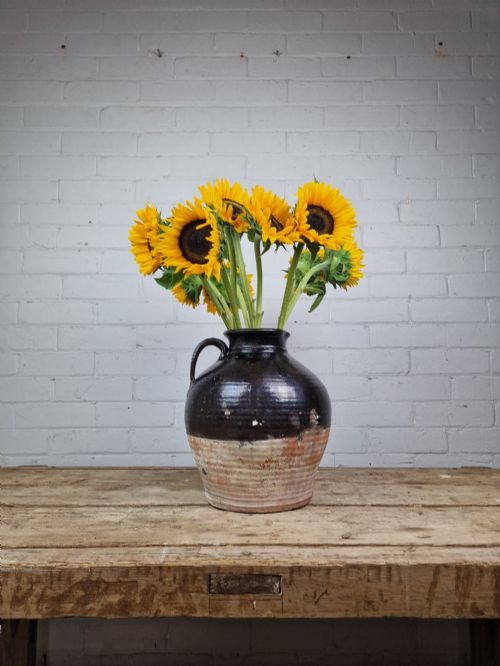
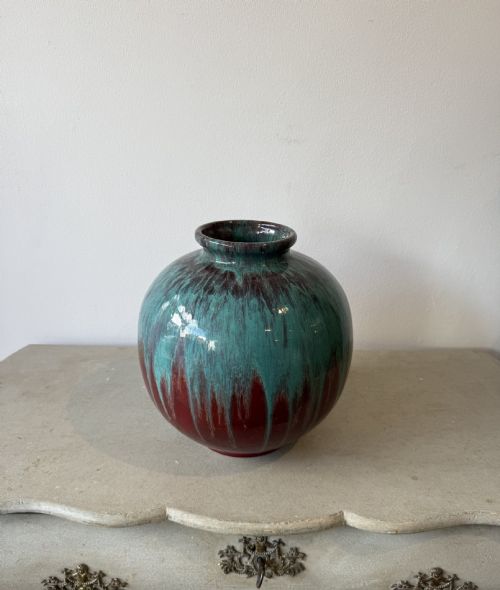
Most antique stoneware and ceramic vessels are naturally watertight due to their high firing temperatures and vitrified bodies. You can safely fill sturdy vases and jugs with water for floral displays.
Place a small protective felt pad underneath the base to prevent scratching wooden tabletops. Empty the water promptly after use to avoid accumulating mineral deposits inside the historic interior.
How do I date a salt-glazed stoneware jug?
Examine the form, handle attachment style, and any applied heraldic stamps or royal ciphers on the body. Early German pieces often display stamped cobalt motifs and specific ruling house ciphers.
Compare the manufacturing technique and clay density against known regional outputs from the seventeenth through nineteenth centuries. Hallmarked silver collars can also provide a precise year of mounting.
What is the difference between stoneware and earthenware?
Stoneware is fired at significantly higher temperatures than earthenware, causing the clay body to vitrify and become completely non-porous. This high-heat process creates a much heavier and more durable material.
Earthenware remains permeable unless heavily glazed and chips more easily. Antique stoneware vessels withstand moisture and wear far better than their softer earthenware counterparts.