

Antique Stone Carving
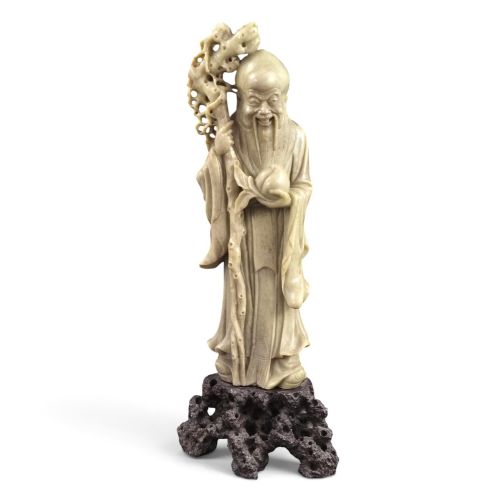
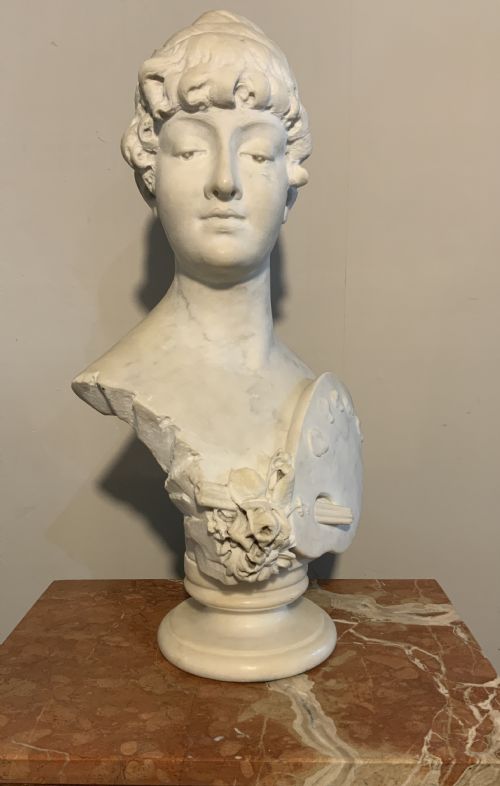
These antique stone carving pieces range from medieval corbels to grand tour marble busts, offering durable history for your home.
Antique Stone Carving
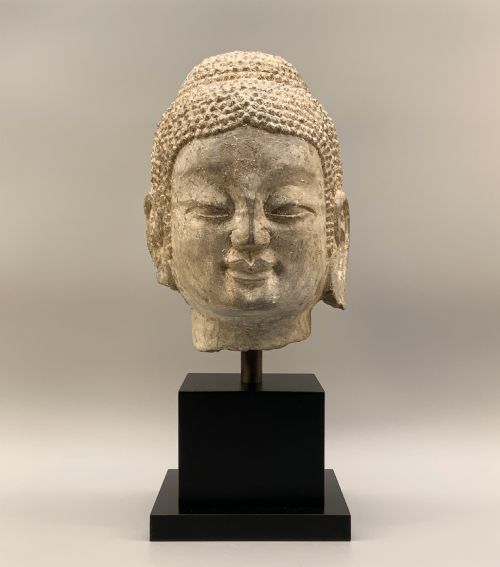
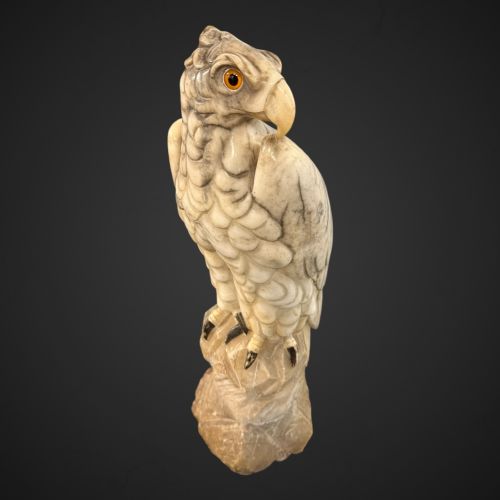
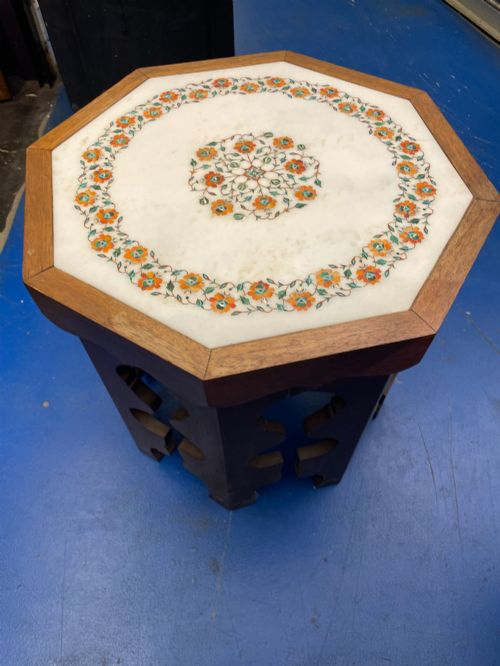
You are most likely to meet monumental marble busts, architectural elements such as limestone corbels, and Italian Grand Tour souvenirs carved from alabaster or various marbles. These pieces reflect centuries of classical influence and practical building traditions.
How they were made
The makers utilised hard stones like limestone and softer materials like alabaster and soapstone, shaping them with chisels, saws, and abrasive powders. Carrara marble and veined varieties provided a smooth medium for detailed portrait busts and decorative tazze.
Many 19th-century items rely on traditional hand-carving techniques derived from classical antiquity, often produced in Italian workshops for the Grand Tour market. Architectural salvage pieces show the tool marks of earlier masons working on medieval and vernacular structures.
Antique Stone Carving Retail Price Guide 2026
Typical asking prices for stone carving among the pieces listed under this phrase on Sellingantiques today, from the lower quarter to the upper quarter. They describe what is for sale here now, not the wider market.
A weathered sleeping cherub rests quietly among the stony giants, dreaming of forgotten gardens.
What varies in quality
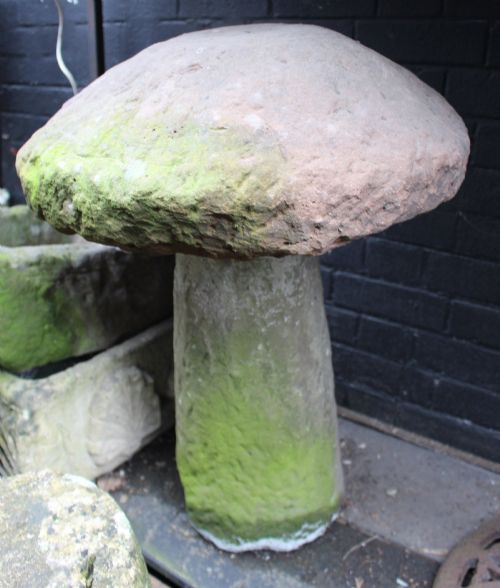
The choice of material heavily influences the standard of the object, with highly figured Carrara marble, alabastro egiziano, and fine-grained ancient stones commanding greater appreciation. Surface weathering and patination on staddlestones and garden cherubs also alter the visual depth of the piece.
Barranti Florence·Houdon
The Antique Stone Carving Glossary
- Grand Tour
- A cultural journey undertaken by wealthy young Europeans in the 18th and 19th centuries, resulting in the acquisition of souvenirs like small-scale marble busts and tazze.
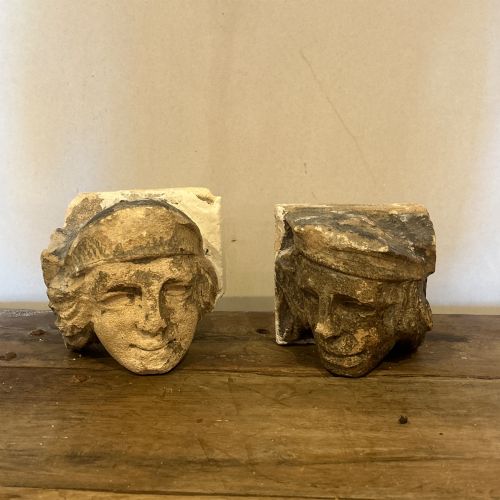
- Corbel
- A structural piece of stone jutting from a wall to support a weight, frequently carved with figural or decorative motifs in medieval architecture.
- Carrara Marble
- A type of white or blue-grey marble from the city of Carrara in Italy, widely utilised for classical sculpture and architectural elements.
- Tazza
- A shallow cup or vase on a pedestal, often carved from coloured marbles or alabaster during the 19th century.
- Staddlestone
- A mushroom-shaped stone support originally used to elevate granaries and grain ricks off the ground to prevent damp and pests.
Antique Stone Carving: Frequently Asked Questions
What is an antique stone carving?
An antique stone carving is a hand-shaped sculptural or architectural object made from materials such as marble, limestone, or alabaster.
These pieces include classical busts, garden statuary, medieval corbels, and decorative architectural salvage dating from the 19th century and earlier.
How were marble busts displayed?
Marble busts were traditionally displayed on pedestals, columns, or library tables in grand 19th-century homes and study rooms.
Today, they serve as striking focal points on sturdy wooden consoles, mantelpieces, or dedicated plinths in contemporary interiors.
Can antique stone pieces live outside?
Certain staddlestones, weathered cherubs, and architectural fragments are designed to withstand outdoor garden conditions due to their durable stone composition.
However, fine marble busts and softer alabaster carvings are best kept indoors to protect their surfaces from frost and rain erosion.