

Antique Sterling Sugar Bowl
When you seek an antique sterling sugar bowl, you are looking at small vessels of silver, glass and gilt designed to hold sugar for the tea table.
Antique Sterling Sugar Bowl
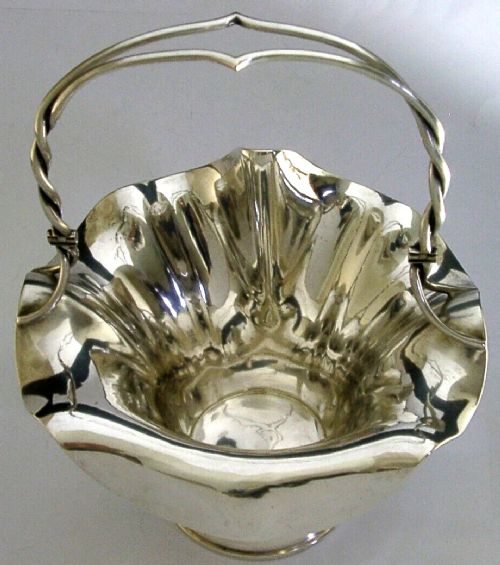
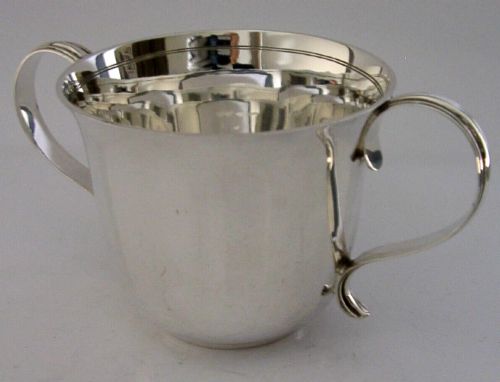
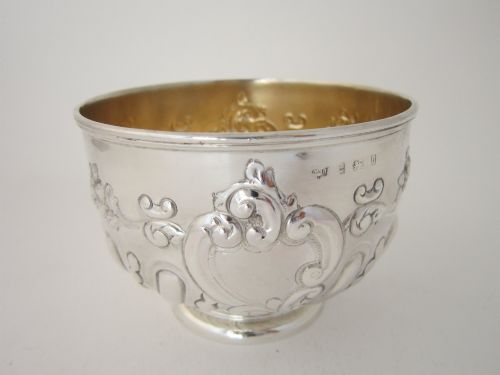
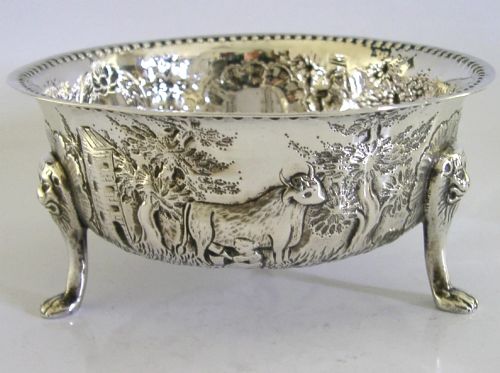
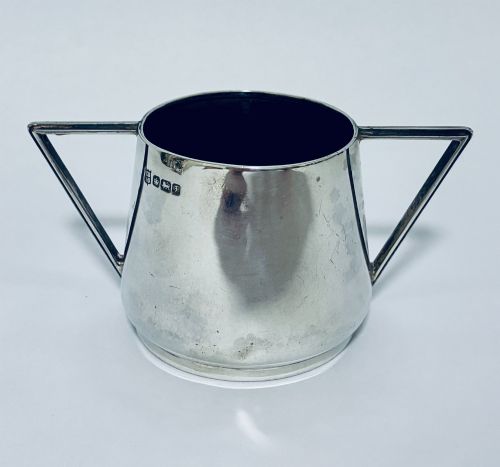
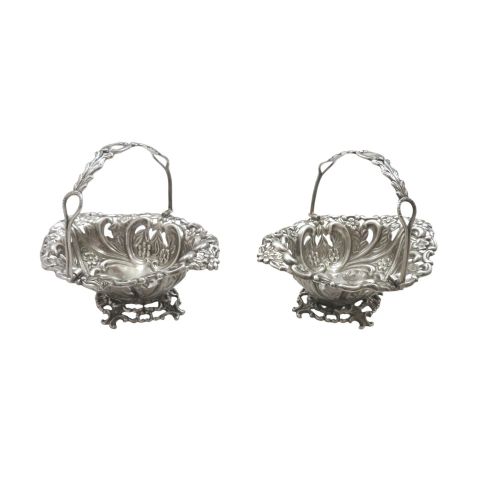
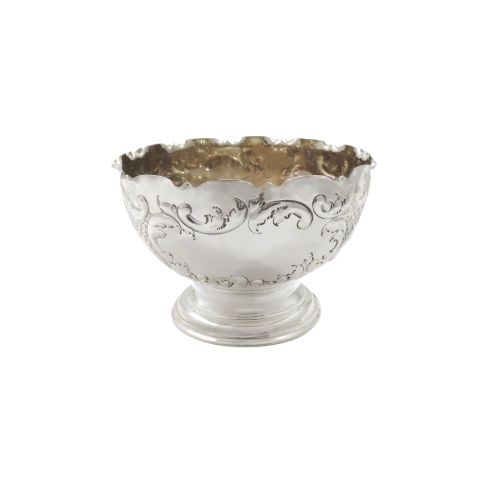
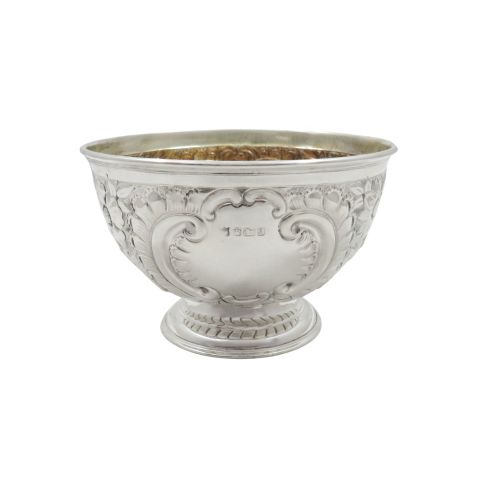
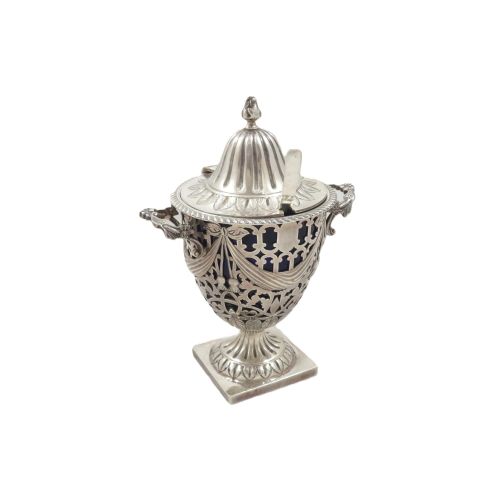
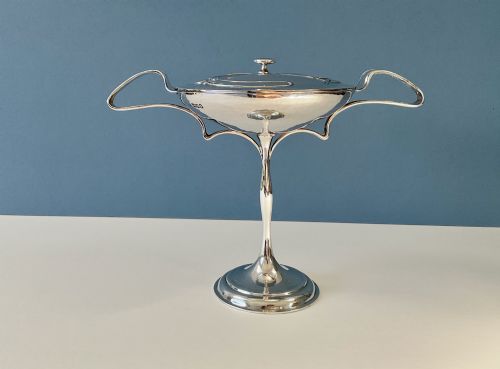
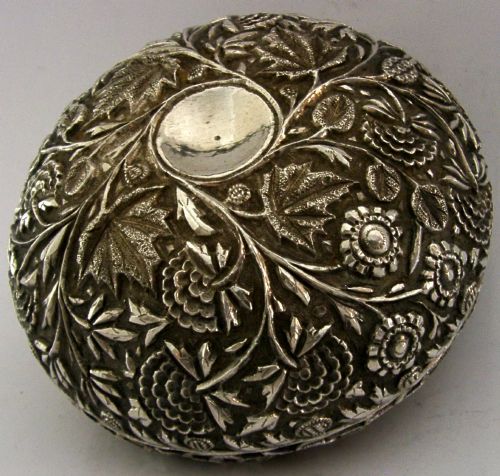
An antique sterling sugar bowl takes many forms across the domestic dining table, spanning open bowls, footed dishes, handled porringers and swing-handled baskets. The pieces on this page originate from the Georgian era through the Victorian and Edwardian periods up to the Art Deco years, reflecting shifting dining fashions.
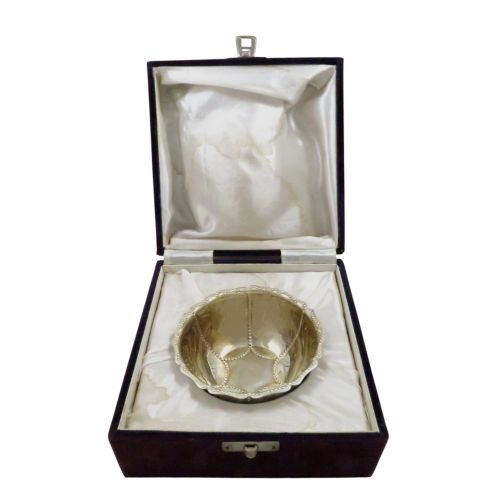
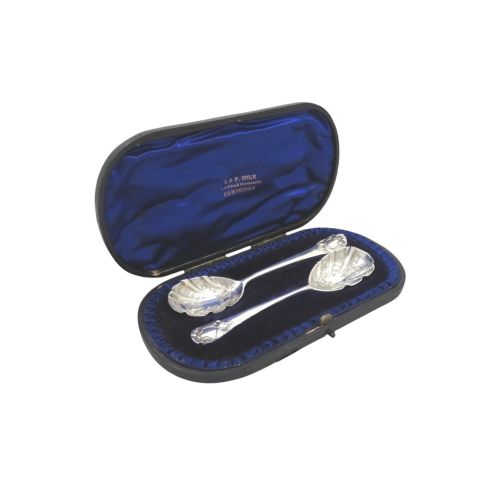
The earlier Georgian examples often present piercework or embossed decoration, while Victorian and Edwardian pieces frequently include swing handles, glass liners or fitted presentation cases. Collectors also encounter associated items like sifter spoons, tongs and cream jugs accompanying the primary vessel.
How They Were Made
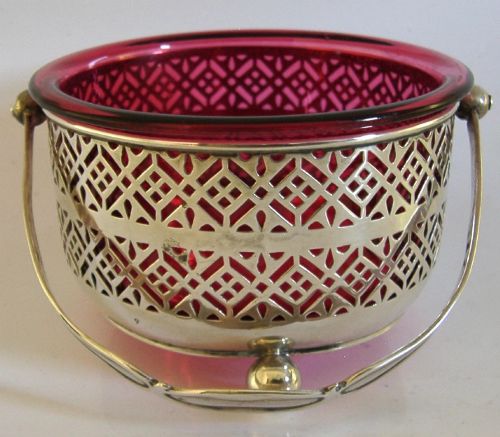
Silversmiths constructed these vessels primarily from solid sterling silver or silver gilt, sometimes combining the metal with cranberry glass inserts, velvet or silk linings within leatherette cases. Master makers shaped the bodies through raising, casting, piercing and planished hammering, applying meticulous detail to handles, feet and rims.
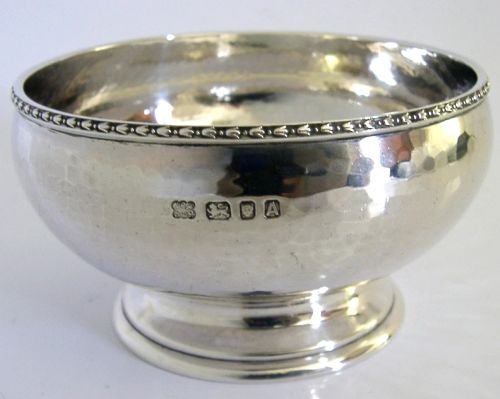
Techniques evolved from the crisp hand-piercing and embossing of eighteenth-century workshops to the organic whiplash curves of Art Nouveau and the geometric lines of later decades. Interior gilding, known as silver gilt, protected the silver from the corrosive effects of moist sugar.
Some bowls come with tiny locking leatherette cases, as if sugar was once treated with the security of crown jewels.
What Varies in Quality
The standard of an antique sterling sugar bowl rests upon the weight of the silver, the crispness of the chasing or piercing, and the integrity of the maker's mark. Heavier gauge metal resists denting and provides a substantial feel in the hand, separating utilitarian pieces from masterworks.
Design complexity and original provenance elevate certain items, particularly when paired with matching sifter spoons or housed in fitted leatherette presentation cases. Pieces bearing the marks of renowned silversmiths command greater attention through superior proportion and finishing.
Aldridge and Green·Henry Chawner·Fenton·Hammond Creake and Co·Joseph Craddock·William Bond·Robert Hennell I and David Hennell II·Walker and Hall·Paul Storr·Asprey
The Antique Sterling Sugar Bowl Glossary
- Sterling silver
- A silver alloy containing 92.5 percent pure silver and 7.5 percent other metals, typically copper, chosen for durability in tableware. This standard has served British silversmiths for centuries.
- Piercing
- A decorative technique where metal is cut through to create openwork lattices, frets or geometric patterns. Georgian basket makers used this method to lighten the visual weight of large bowls.
- Silver gilt
- Sterling silver that has been coated with a thin layer of gold on the interior surface. This process prevents the silver from tarnishing when in contact with moist contents.
- Porringer
- A small, shallow bowl furnished with one or two flat handles. These vessels date back centuries and served various domestic purposes including holding sugar or broth.
- Planishing
- A hammering technique used to smooth and finish metal surfaces while leaving subtle, rhythmic facet marks. Arts and Crafts silversmiths favoured this process to display the handcrafted nature of the object.
Antique Sterling Sugar Bowl: Frequently Asked Questions
How were sugar bowls used?
These bowls sat upon the formal tea table to hold loose lump or granulated sugar, ready to be dispensed into cups using specialised tongs or sifter spoons.
In wealthier households, they formed part of larger matched or associated tea and coffee services alongside cream jugs and teapots.
What is a sugar basket?
A sugar basket is a deep, open vessel fitted with a swing handle, often lined with blue or cranberry glass to protect the silver from moisture.
They emerged prominently during the Georgian period and remained popular through the Edwardian era as ornamental centrepieces for afternoon tea.
How do I date a silver bowl?
Dating relies primarily on the set of hallmarks stamped into the metal, which indicate the assay office, the specific year letter, and the maker's mark.
Stylistic cues such as Georgian piercing, Victorian floral chasing, or Art Deco geometry also help narrow down the period of manufacture.
Why do some bowls have glass liners?
Glass liners were introduced to protect the sterling silver framework from direct contact with damp sugar or preserves that might tarnish or corrode the metal.
These coloured glass inserts, often in cranberry or cobalt shades, also added a vibrant decorative contrast to the pierced or openwork silver baskets.