


Antique Sterling Silver Gravy
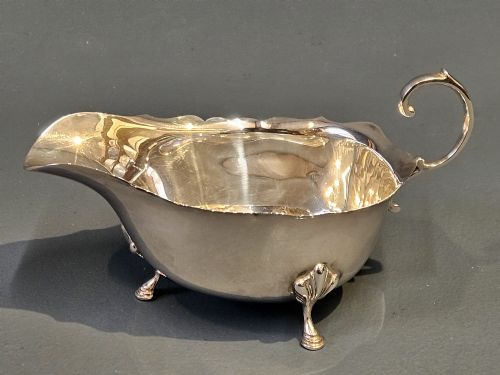
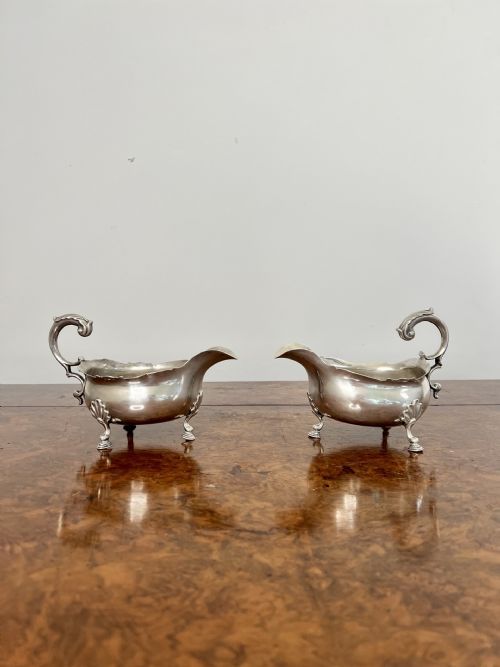
Antique sterling silver gravy pieces encompass sauce boats, ladles and tureens shaped to serve dining tables from the Georgian period onward.
Antique Sterling Silver Gravy
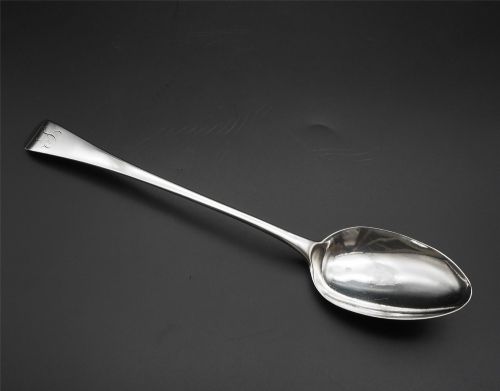
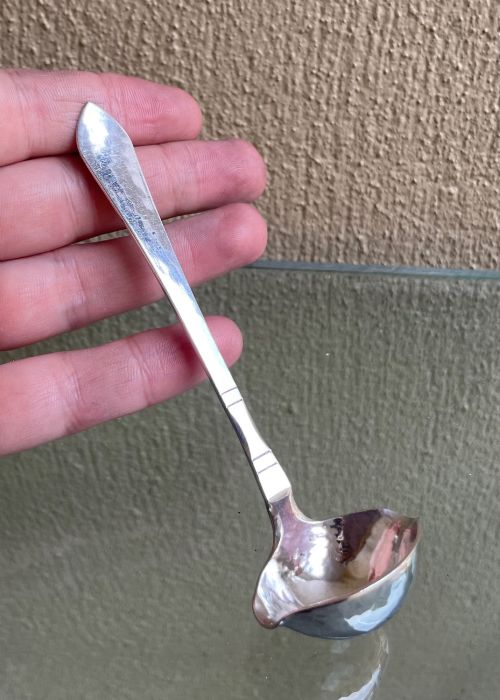
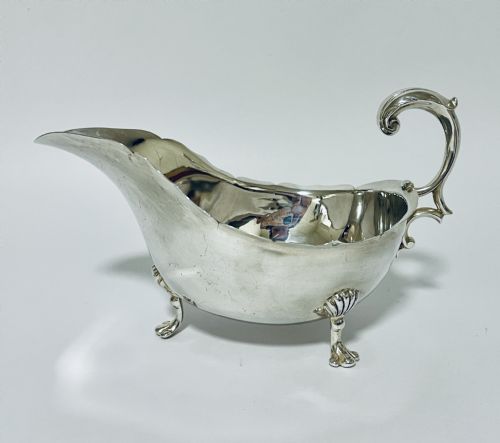
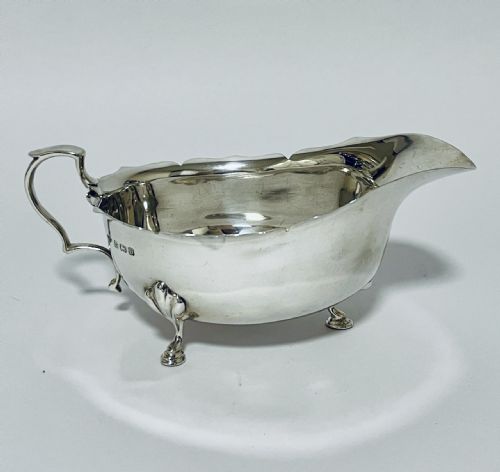
When searching for antique sterling silver gravy, a buyer encounters domestic table silver designed for pouring sauces, gravies and drawn butter. The forms range from heavy George III sauce boats and pedestal tureens to slender ladles and basting spoons.
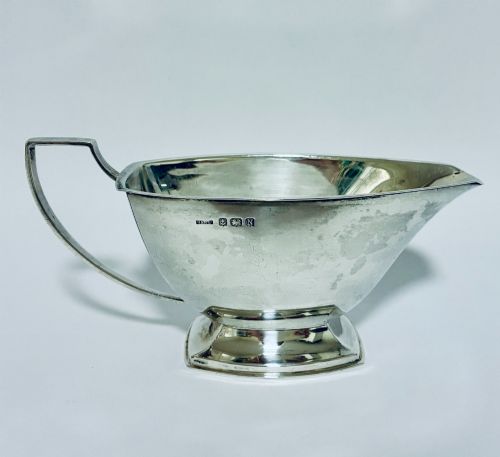
Georgian and Victorian examples dominate the selection, alongside early twentieth-century designs spanning George V and Art Deco styles. Dublin, Edinburgh and regional English assay offices appear alongside London hallmarks on many pieces.
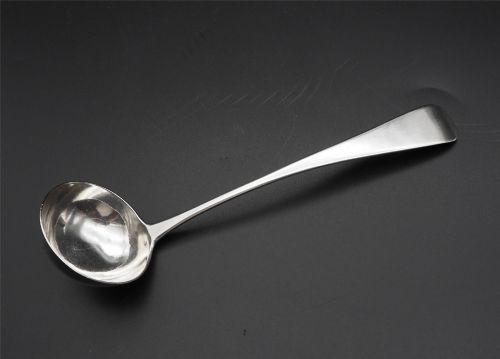
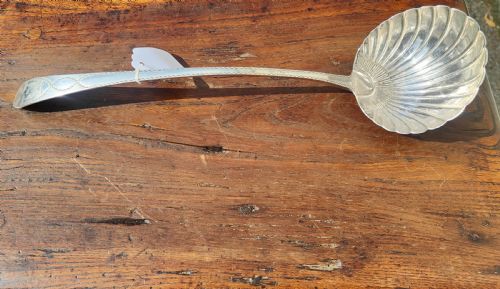
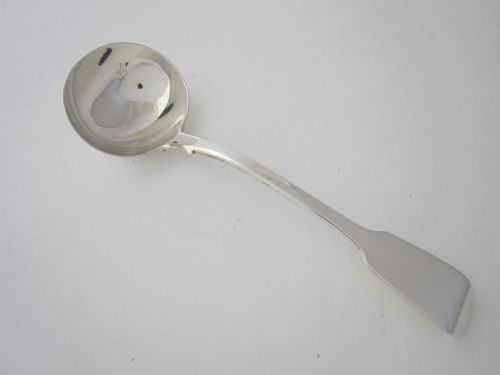
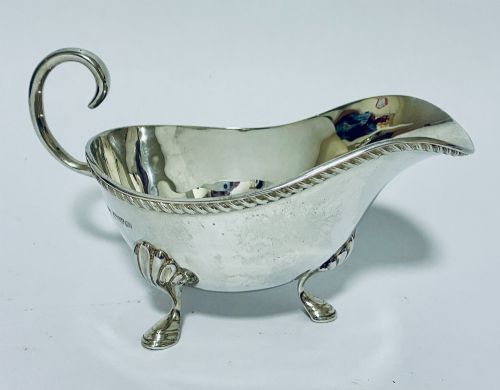
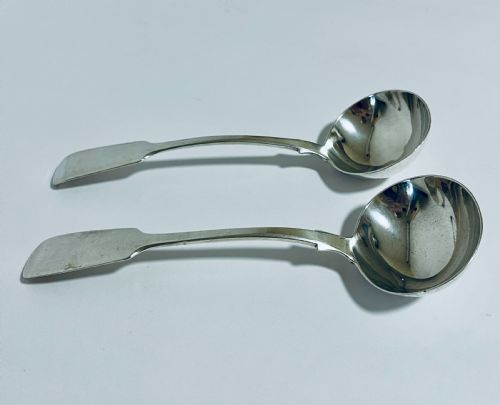
The objects serve specific functions at the dining table, with sauce boats resting on three or four feet and ladles featuring varied bowl shapes and handle patterns such as Fiddle, Queens and Old English.
Materials and construction
Silversmiths formed these vessels primarily from solid sterling silver, occasionally utilising silver-gilt interiors for acid resistance against fruit sauces. Handles incorporate contrasting materials like wood or horn on specific serving pieces.
Hammers, stakes and casting techniques shaped the bodies of sauce boats and tureens, while handles and feet were soldered in place. Detail work relied on embossing, chasing and engraving to create scrolling foliage, Celtic decoration and naturalistic acorn motifs.
Listings feature eighteenth-century Georgian designs alongside Victorian naturalistic pieces and twentieth-century Art Deco forms.
Evaluating craftsmanship
Quality rests upon the gauge of the silver and the crispness of the chased or embossed decoration. Thicker metal provides structural rigidity to the body and prevents distortion around the rim and spout during use.
Proportion and balance distinguish finer sauce boats and ladles, seen in the curve of a handle, the stance of supporting feet, and the integration of maker marks and date letters.
Georg Jensen·Hester Bateman·John Locker·James Welch·William Grundy·Tiffany and Co·Theodore B Starr·William Comyns·Samuel Meriton II
The Antique Sterling Silver Gravy Glossary
- Sauce boat
- An open vessel with a lip and handle used for serving gravies and sauces at the table. They frequently stand on three short legs or a moulded oval foot.
- Basting spoon
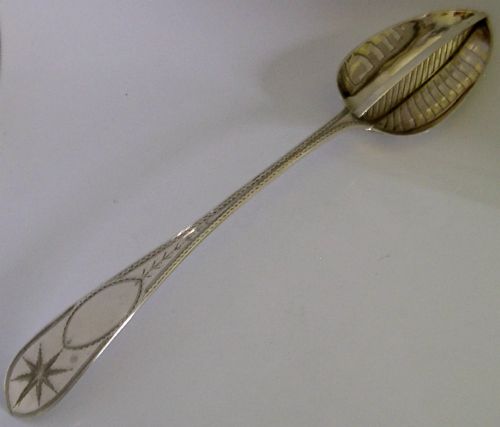
- A large spoon utilised in food preparation and serving, measuring considerably longer than standard dining spoons. They appear in Georgian table services.
- Sauce ladle
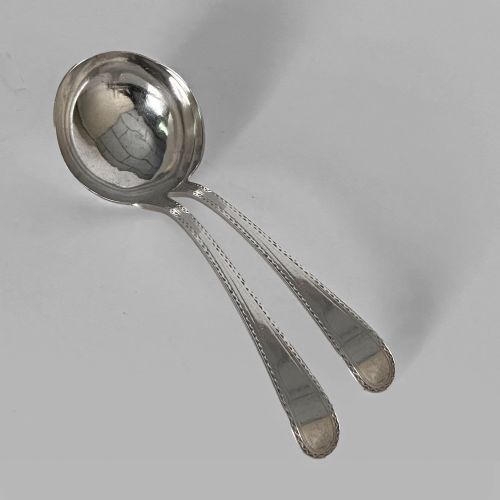
- A small spoon with a deep bowl designed for transferring liquids from a boat or tureen to a plate. The handles often match established flatware patterns.
- Hallmark
- A series of stamped marks indicating the metal standard, assay office, maker and date of manufacture. These symbols authenticate British silver.
- Tureen
- A deep covered vessel designed for holding sauces or soups. They typically feature twin handles and a matching stand or pedestal base.
Antique Sterling Silver Gravy: Frequently Asked Questions
How do I clean antique silver?
Clean antique silver using a soft cloth and a dedicated silver polish designed to remove tarnish without abrading the surface. Avoid harsh chemical dips that strip away the subtle patination built up over centuries.
Wash the pieces in warm soapy water and dry them thoroughly immediately after polishing. Proper storage in anti-tarnish rolls helps preserve the finish between uses.
Can I use these for dining?
These silver pieces remain entirely functional for serving gravy, sauces and dressings at modern dinner parties. Sterling silver conducts heat well and withstands regular domestic use when handled with care.
Hand washing is essential to protect historical surfaces and any wooden or horn elements. Dishwashers subject silver to harsh detergents and high temperatures that cause permanent damage.
What is a sterling silver standard?
The sterling silver standard denotes an alloy containing ninety-two point five percent silver by weight, combined with seven point five percent other metals, usually copper. This composition provides the necessary durability for functional tableware.
British pieces carry a lion passant hallmark to verify this specific metallic purity. Provincial and international items utilise alternative marks such as standard numbers or regional symbols.
How do I date an antique gravy boat?
Dating relies upon the stamped hallmarks, which include a specific letter code representing the year of assay alongside the maker's mark. Comparing stylistic markers such as bead borders, gadrooned rims or Art Deco geometries provides an initial estimate.
Researching regional assay office symbols helps narrow down the geographical origin and production window. Maker records link specific punch marks to active workshop dates.