


Silver Condiment Boat
A silver condiment boat brings genuine period elegance to the dining table, holding sauces and salts with classic grace.
Silver Condiment Boat
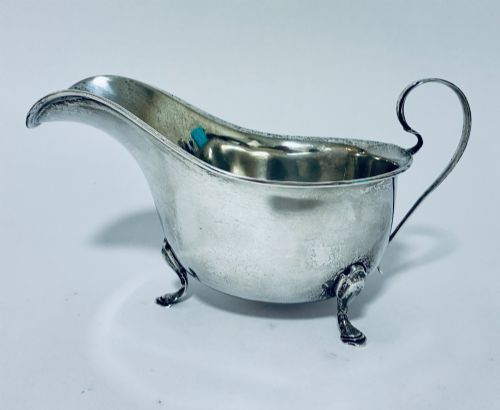
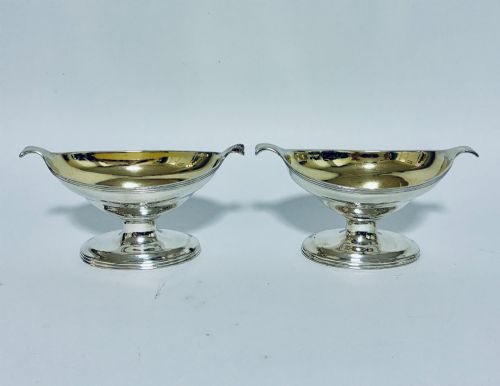
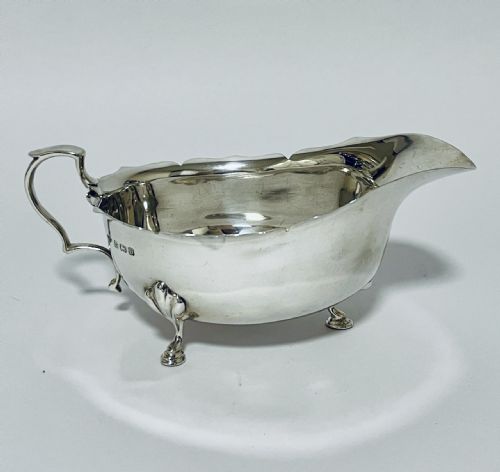
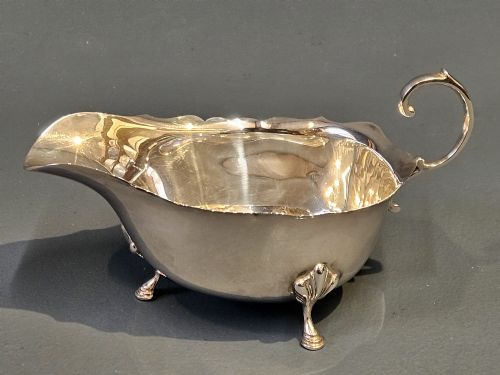
A silver condiment boat is a refined tabletop vessel designed for serving sauces, gravies, or holding salts alongside meals. When exploring this selection, buyers encounter forms ranging from traditional sauce boats and gravy boats to individual salt cellars and condiment pots.
Origins stretch from the 18th century down to the mid-century, reflecting changing dining fashions across British silversmithing. Whether you need a single sauce vessel or a pair of table salts with glass liners, the variety covers formal dining requirements.
Materials and Craftsmanship
The construction of a silver condiment boat relies primarily on sterling silver or silver plate over a base metal. Many vessels incorporate complementary materials, notably cobalt glass liners fitted inside open wirework stands or solid boat-shaped bodies.
Gilding appears on select pieces, creating a rich silver-gilt finish that contrasts with traditional polished surfaces. Silversmiths utilised classic techniques to shape the metal into graceful spouts and handles, often incorporating cast details or intricate wirework.
The selection spans the Georgian, Victorian, Edwardian, and mid-century periods of British design.
Assessing Quality and Distinction
Quality in a silver condiment boat is defined by the weight of the metal and the crispness of the form. Heavier gauge silver provides a reassuring heft in the hand, while superior examples exhibit balanced proportions and well-defined handles and spouts.
The presence of original components, such as matching cobalt glass liners in salt cellars, elevates a piece significantly. Maker attribution and legible hallmarks also distinguish finer historical examples from standard production items.
William Comyns·Walker And Hall
The Silver Condiment Boat Glossary
- Hallmarks
- Official stamps struck into precious metals to guarantee purity and origin. These marks identify the maker, assay office, and year of manufacture.
- Silver-Gilt
- Sterling silver that has been coated with a thin layer of gold on the surface. This technique imparts a warm, luxurious golden glow to the interior or exterior of the vessel.
- Wirework
- An openwork technique created by soldering fine metal wires together into decorative patterns. It frequently forms lightweight stands or frames for glass condiment liners.
- Salt Cellar
- A small open bowl designed to hold loose salt at the dining table before salt shakers became common. They often require a tiny spoon and sit alongside sauce boats in a table setting.
Silver Condiment Boat: Frequently Asked Questions
What is a silver condiment boat used for?
These vessels serve sauces, gravies, and melted butter at the dining table with traditional elegance. They provide a controlled pour from an integrated spout.
Smaller versions function as open salt cellars or condiment pots for individual place settings. Their decorative form complements formal and casual table settings alike.
How do I clean an antique silver condiment boat?
Wash the piece gently in warm soapy water using a soft cloth, avoiding harsh abrasive dips that strip natural patination. Dry thoroughly with a lint-free cloth to prevent water spots.
For tarnished areas, apply a reputable silver polish sparingly and rub gently in the direction of the metal grain. Rinse any glass liners separately before returning them to the metal stand.
Are glass liners original to the salt boats?
Original cobalt glass liners fit snugly inside the wirework or solid silver bodies without excessive movement. Their deep blue colour provides a striking visual contrast against the polished metal exterior.
Replacements may fit differently or lack the subtle bubbles and imperfections of historical glass. Checking for a snug fit helps confirm originality.
How can I tell a Georgian piece from a Victorian one?
Georgian condiment boats typically feature simpler, classical lines with restrained decoration and smooth curved bodies. Hallmarks from this era require careful reading to identify specific monarch years.
Victorian and Edwardian examples often display more exuberant styling, including elaborate repoussé work or whimsical sleigh shapes. Maker marks and date letters stamped into the metal provide definitive chronological proof.