

Antique Sterling Silver Frame
These antique sterling silver frame pieces offer period charm for displaying cherished portraits.
What an antique sterling silver frame is
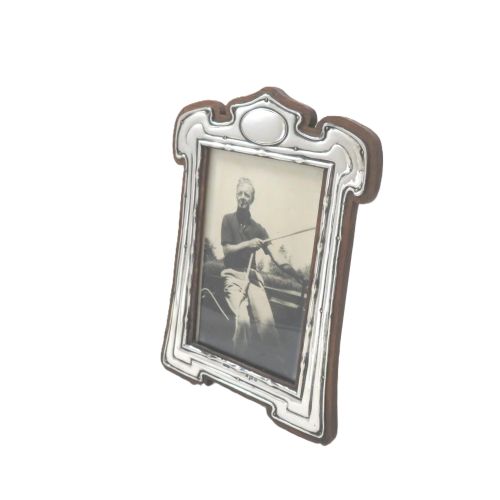
An antique sterling silver frame provides a domestic housing for photographs and paper portraits. The surviving items span the Victorian, Edwardian, and George V periods, featuring distinct regional assay marks from towns like Birmingham and Sheffield.
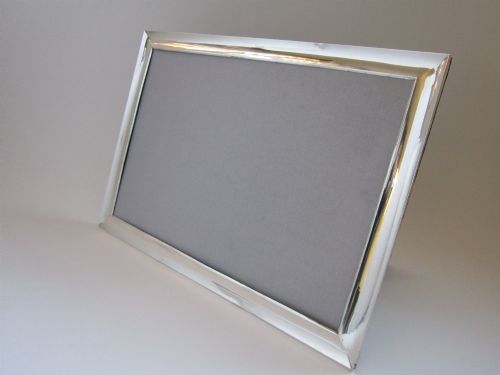
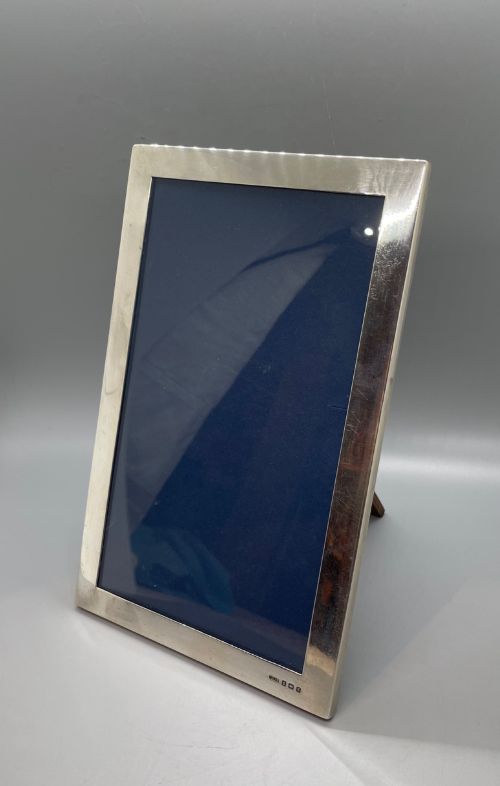
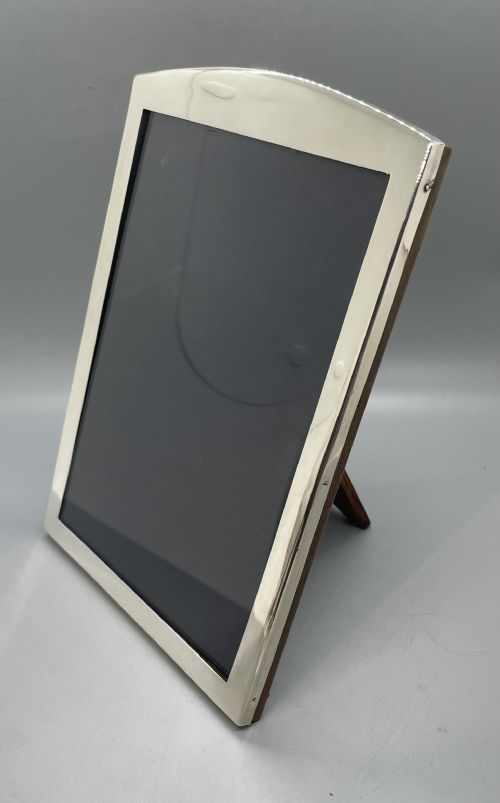
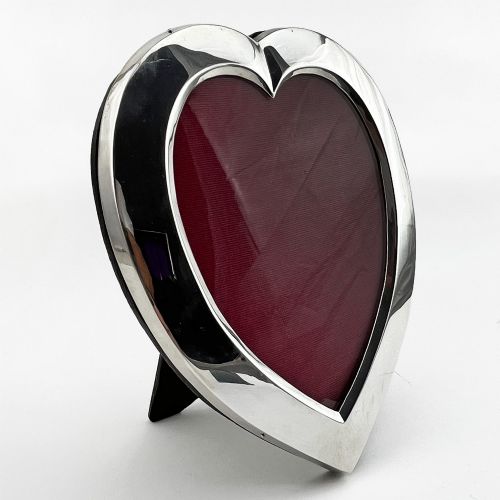
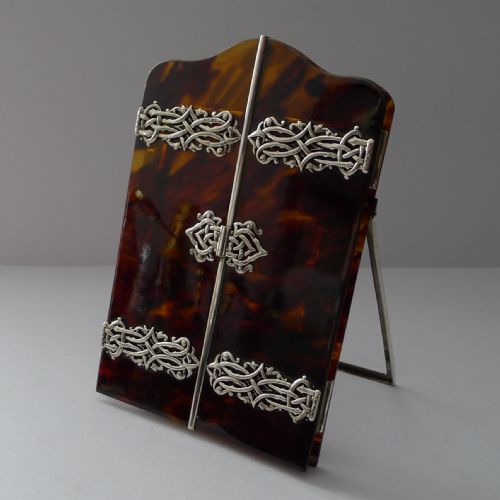
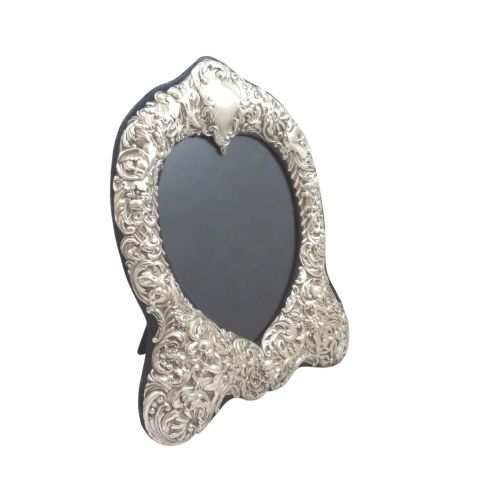
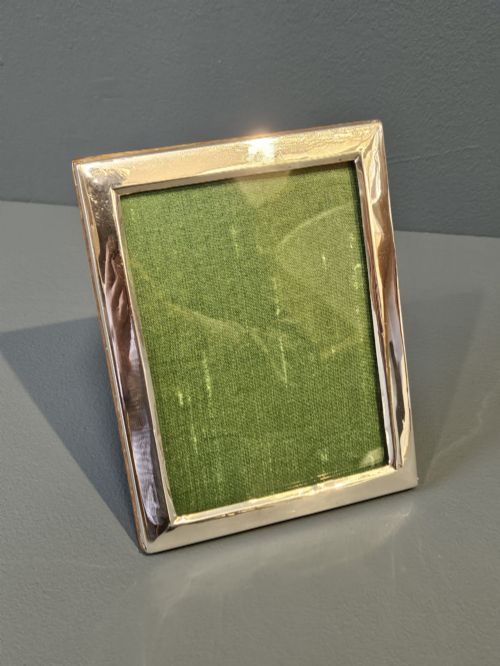
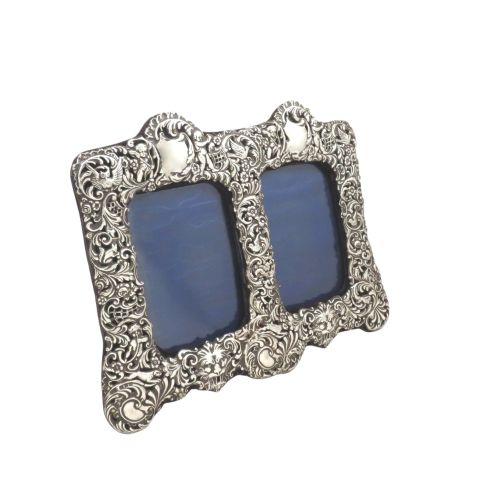
The most common forms on this page are single picture frames and photo frames, alongside occasional double or triple configurations. Buyers encounter rectangular formats, landscape orientations, and heart-shaped designs.
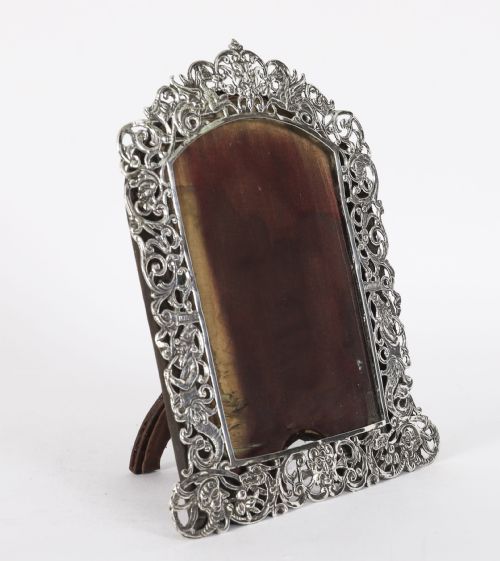
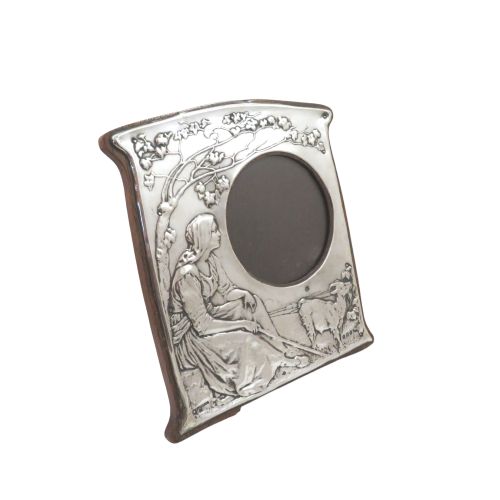
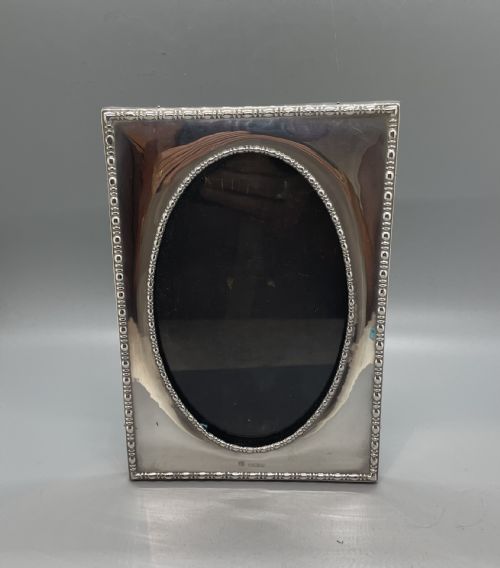
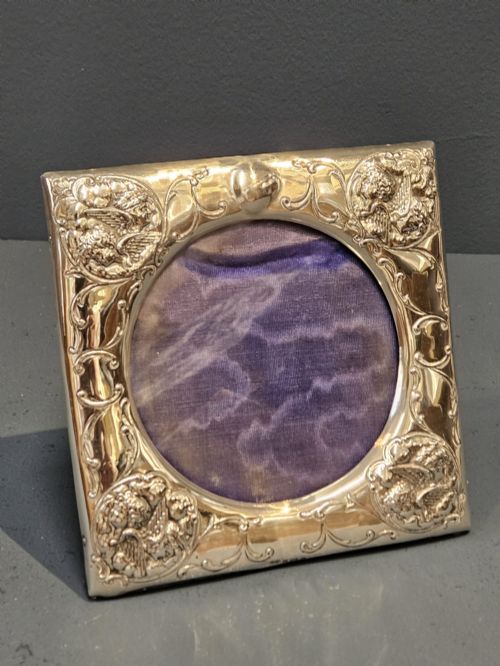
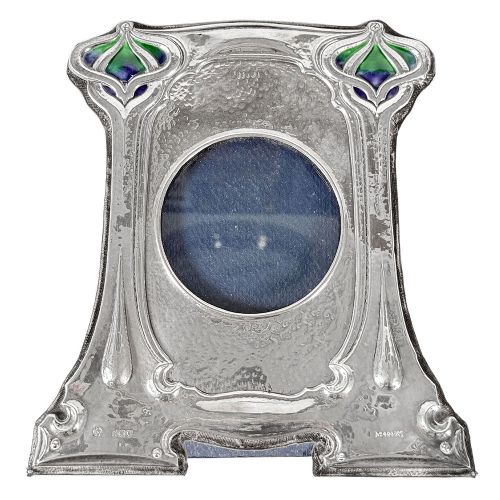
Stylistic variation ranges from plain rectangular profiles to elaborate motifs. Examples include cherubs, angels, buckles, and the curving lines associated with Art Nouveau and Arts and Crafts aesthetics.
How they were made
Silversmiths formed the primary structure from sterling silver sheet, often incorporating glass to protect the photograph. Decoration relied on repoussé work, chasing, and applied enamel details.
Backings utilised supportive materials including wood, velvet, fabric, and black leather to lend rigidity to the structure. Easel stands attached to the rear allowed the objects to rest upright on surfaces.
Retail Price Guide 2026
Typical UK retail prices for sterling silver frame, calculated from the Sellingantiques database of over a million retail prices indexed since 2003. This retail price guide relies exclusively on Sellingantiques data; no external sources or auction records are used, so the figures do not describe the wider market.
Angels, cherubs, buckles, and hearts peer out from the silver borders, watching over generations of family portraits.
What varies in quality
Superior examples distinguish themselves through crispness of relief work and the complexity of the motif. Hand-hammered surfaces and integrated enamel elements by notable makers command attention.
The choice and preservation of backing materials influence overall integrity. Original leather, wood, and velvet components complete the construction.
William Hutton and Sons·Joseph Gloster Ltd·Henry Matthews·Liberty and Co
The Antique Sterling Silver Frame Glossary
- Sterling silver
- A standard alloy consisting of silver and other metals, chosen for durability in decorative objects. This material provides the primary metallic front for the photograph holders.
- Assay office
- An official body that tested precious metals and stamped items with hallmarks denoting origin and standard. Birmingham and Sheffield offices appear frequently on these pieces.
- Repoussé
- A metalworking technique where the silversmith hammered the silver sheet from the reverse side to form a raised design. This method created the cherubs and floral scrolls seen on many borders.
- Easel back
- A hinged prop attached to the reverse of the frame, allowing it to stand on a desk or table. These supports utilised wood, cardboard, or leather covered in fabric.
- Enamel
- A glassy substance fused to the metal surface through firing to add colour and pattern. Arts and Crafts and Art Nouveau items frequently incorporated this decorative addition.
Frequently Asked Questions
How do I date an antique silver frame?
Hallmarks stamped into the silver provide the year letter, assay office mark, and lion passant indicating sterling standard. Comparing these symbols against standard registry tables reveals the exact year of manufacture.
Stylistic cues such as heart shapes or linear Art Nouveau motifs also point toward specific decades like the Edwardian era or late nineteenth century.
Are these frames suitable for modern photographs?
Most antique frames accommodate standard photographic prints behind their original glass panels. Inserting a modern print requires opening the rear retaining clips or sliding panels.
Care should be taken not to force thicker modern card stock into older slots designed for thinner historical paper.
How should I clean antique silver frames?
Gentle dusting with a soft microfibre cloth removes surface particles without abrading the metal or surrounding enamel. Dedicated silver dips should be avoided to prevent damage to backing materials and recessed details.
Non-abrasive silver pastes applied sparingly with a soft cloth help maintain the polished finish without wearing down raised chasing.
What caused the different frame shapes?
Victorian and Edwardian manufacturers responded to changing domestic fashions by producing various configurations. Heart shapes and landscape orientations suited personal mementoes and cabinet cards.
Double and triple frames allowed families to display multiple portraits together on mantelpieces or writing desks.