




Antique Sterling Shell Spoon
An antique sterling shell spoon brings the tactile form of natural marine shells to the dining table or tea service in solid silver.
Antique Sterling Shell Spoon
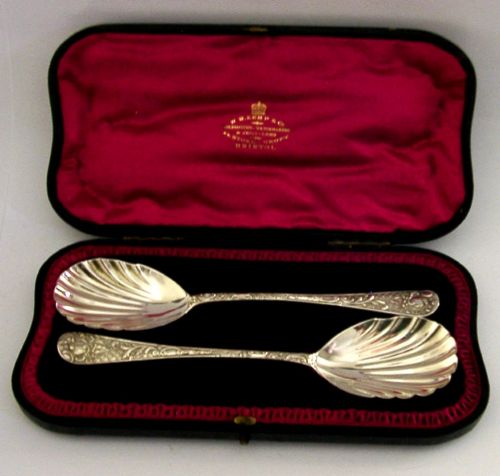
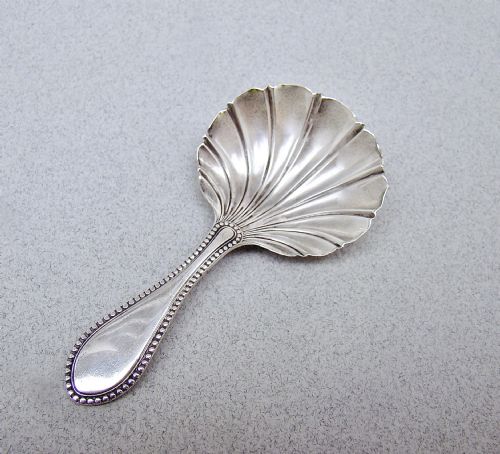
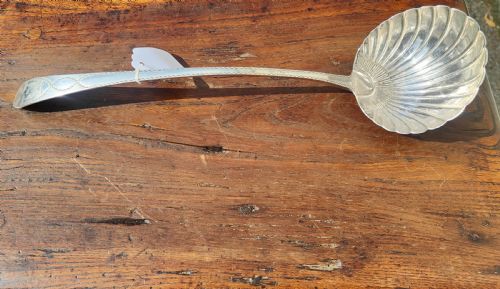
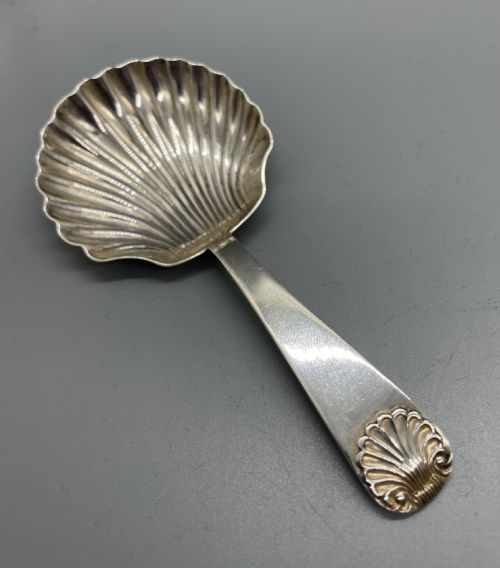
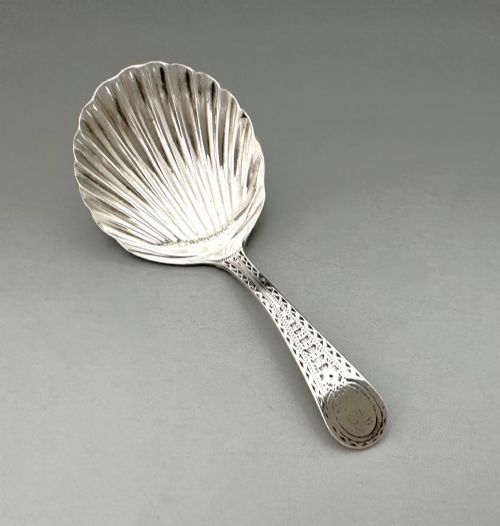
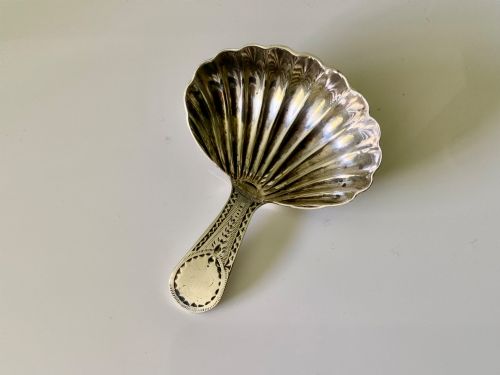
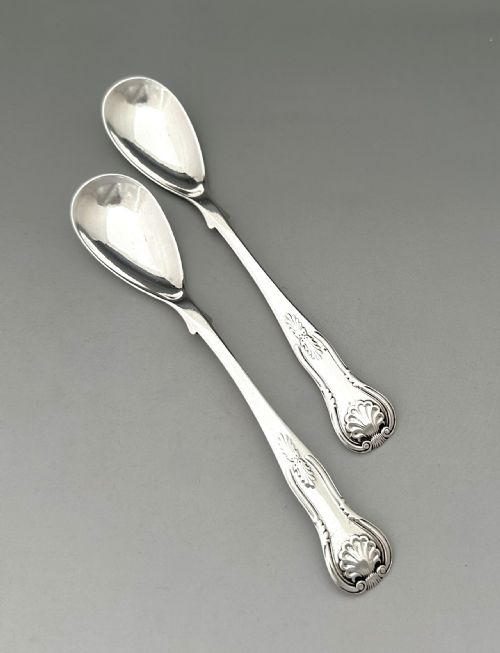
An antique sterling shell spoon is a functional piece of silverware featuring a bowl shaped and fluted like a scallop, oyster, or nautilus shell. When searching for this item, buyers encounter forms ranging from dedicated caddy spoons and jam servers to larger serving utensils and soup ladles.
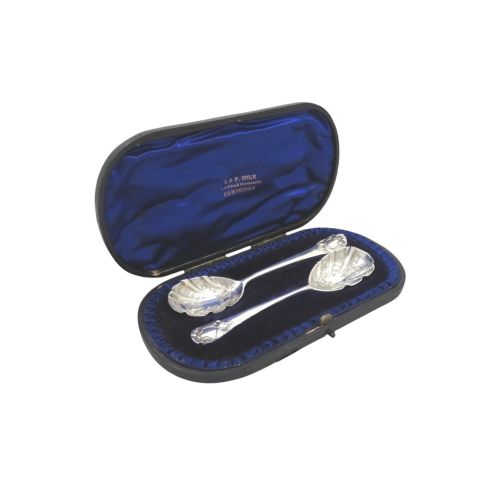
The pieces available trace origins through the Georgian, Victorian, and Edwardian periods, alongside regional styles such as Colonial Revival, William IV, Regency, and Art Nouveau. Cased presentation sets, often lined with velvet, silk, satin, leather, or leatherette, appear frequently alongside individual table implements.
Materials and Techniques
Makers shaped these utensils predominantly from sterling silver and standard silver, occasionally applying parcel-gilt finishes to the interior of the shell bowls for a dual-tone appearance. Certain items incorporate contrasting materials such as cut crystal, glass, or Bakelite elements in associated servers and boxes.
Craftsmen utilised traditional silversmithing techniques including hammering, piercing, and precise chasing to render the radial ribs of the shell and the detailed engraving upon the handles. Hallmarks stamped directly into the silver record the assay office, city of origin, and date of manufacture.
Early tea drinkers required dedicated shell caddy spoons because loose tea was an expensive luxury kept strictly under lock and key.
Distinctions in Quality
The standard of an antique sterling shell spoon rests upon the crispness of the repoussé or chased fluting within the bowl and the crisp definition of any engraved scrollwork on the handle. Softer, worn surface details indicate heavier past use or over-polishing.
Makership influences standing, as items bearing clear hallmarks from notable firms or identifiable workshops command greater attention. The presence of original fitted presentation cases lined in satin or velvet also elevates the integrity of the piece.
Martin Hall & Co·The Goldsmiths & Silversmiths·Hamilton & Inches·Michael Smith·Tiffany & Co·Mappin & Webb·George Fox·Whiting Co
The Antique Sterling Shell Spoon Glossary
- Caddy spoon
- A short-handled spoon specifically designed for measuring loose tea leaves from a caddy. These small utensils frequently feature shell-shaped bowls.
- Parcel-gilt
- A technique where a silver object is partially gilded with a thin layer of gold, often highlighting the interior of a shell bowl.
- Sifter spoon
- A perforated spoon used for dusting sugar over food or beverages. The bowl is often formed as a scallop shell.
- Hallmark
- A series of official marks stamped on precious metals showing the standard of purity, assay office, and year of manufacture.
Antique Sterling Shell Spoon: Frequently Asked Questions
How were shell spoons used?
These spoons served specialised dining and tea functions, from transferring loose tea leaves to ladling soups, serving jams, or sifting sugar.
Smaller examples belonged to tea services, while larger variants formed part of grand dining table flatware.
How do I care for antique silver?
Clean these pieces gently using a dedicated silver cloth to maintain the natural patina built up over centuries. Avoid harsh chemical dips that strip the character from engraved details.
Store them in dry conditions, preferably within lined cases or anti-tarnish cloth wraps when not displayed.
How can I date my silver spoon?
Dating relies upon the stamped hallmarks, which include maker marks, date letters, and assay office symbols corresponding to specific years. Stylistic indicators like Art Nouveau curves or Georgian feather edges also provide a clear chronological window.