


Antique Sterling Pitcher
An antique sterling pitcher brings weight and gleam to the table, and this selection spans centuries of holloware craft.
Antique Sterling Pitcher
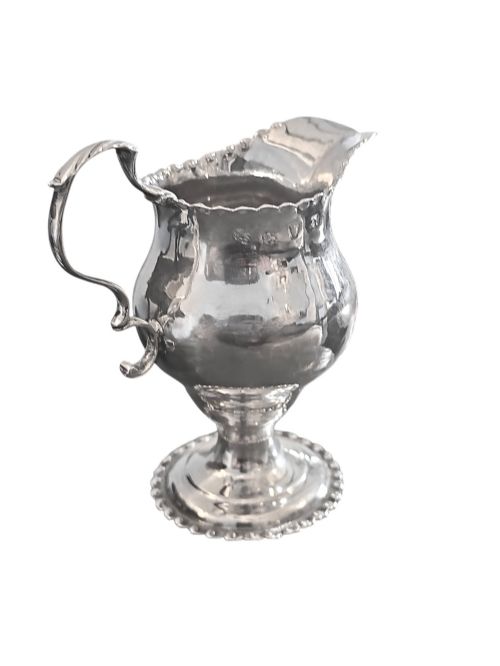
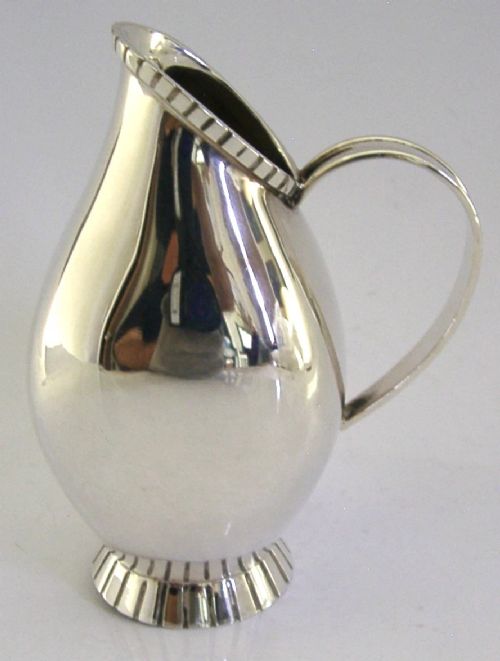
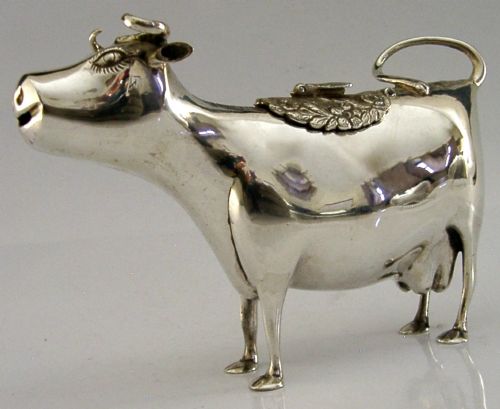
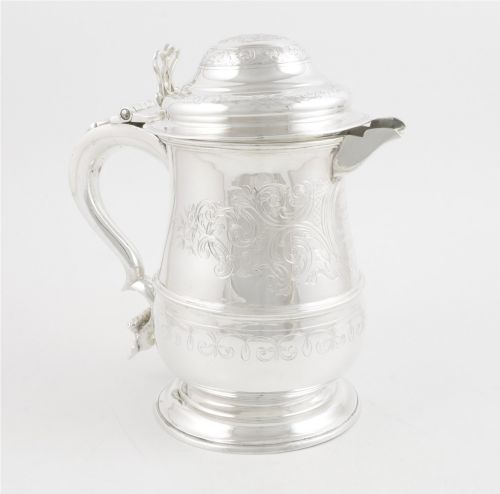
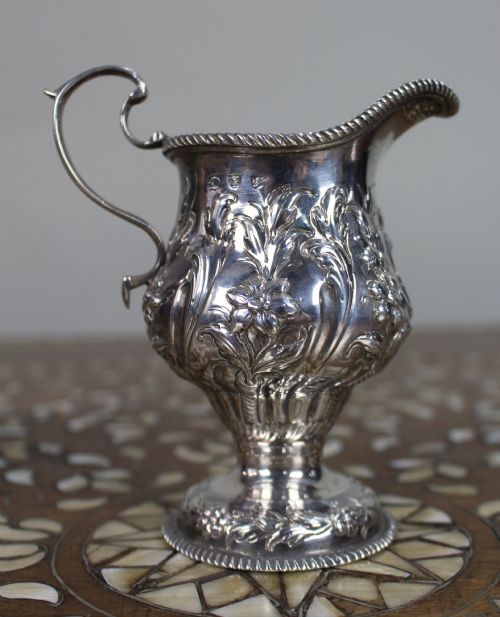
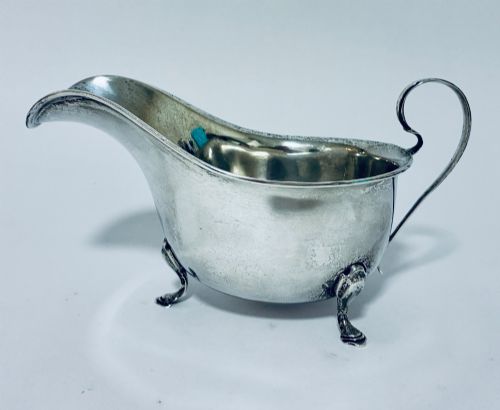
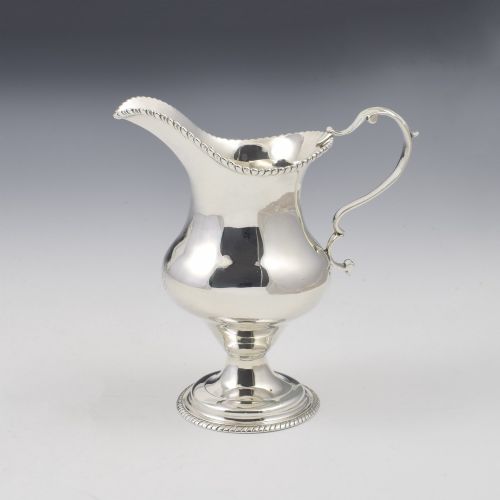
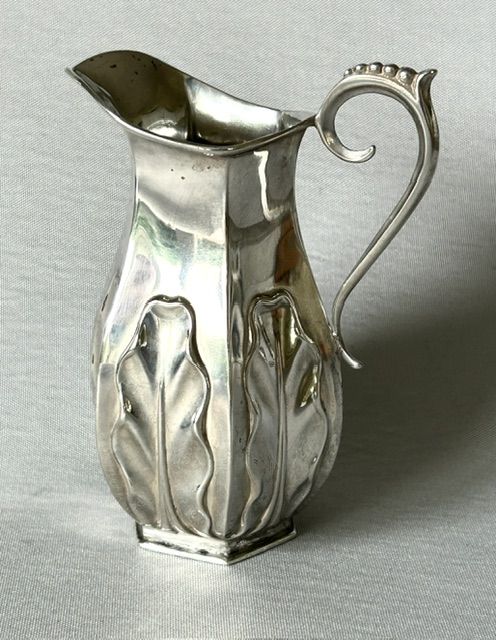
When you search for an antique sterling pitcher, you encounter a diverse array of domestic holloware designed for pouring liquids at table. These pieces range from diminutive cream jugs and milk jugs to larger water pitchers, claret jugs, and sauce boats.
The versions you are most likely to meet on this page hail from the Georgian, Victorian, and Edwardian eras, alongside later pieces from the George V and Art Deco periods. Many examples combine solid sterling silver with cut glass, engraved glass, or stoneware bodies.
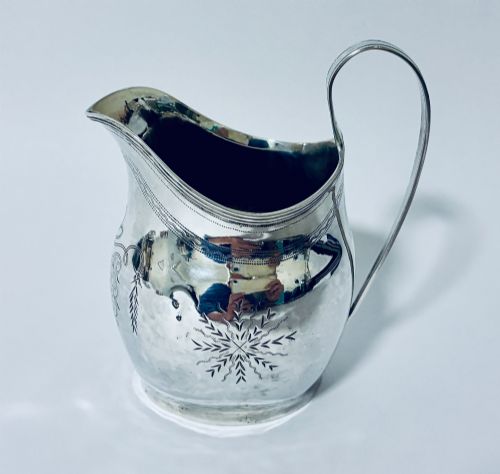
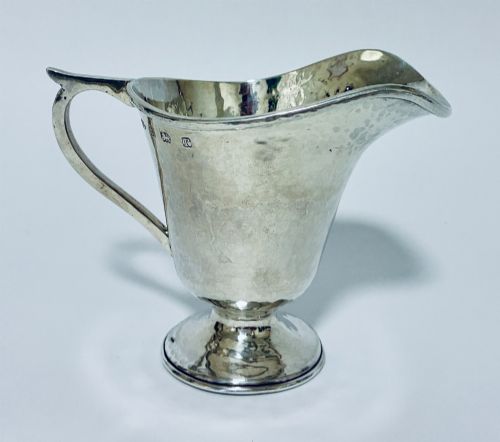
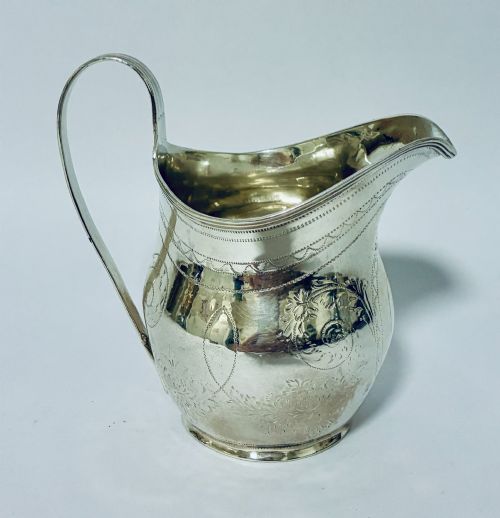
Origins stretch across regional British assay offices, including London, Edinburgh, Newcastle, and Exeter, as well as provincial makers. Forms vary from simple sparrow beak cream jugs and helmet cream jugs to monumental wine ewers and whiskey noggins.
Materials and construction
Makers shaped solid sterling silver through hand hammering, raising from flat sheet metal, or casting heavier components like handles and feet. Provincial and metropolitan silversmiths utilised standard sterling alloys, hallmarking their output to guarantee purity.
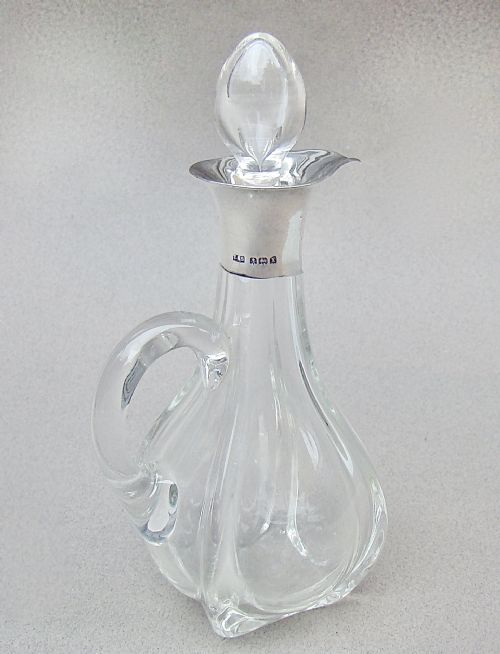
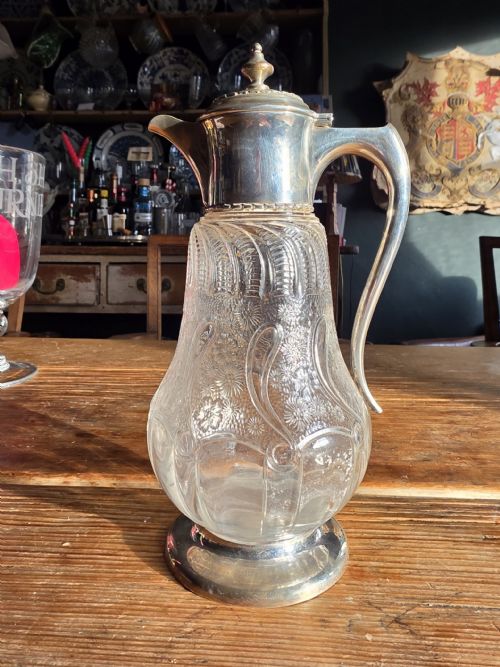
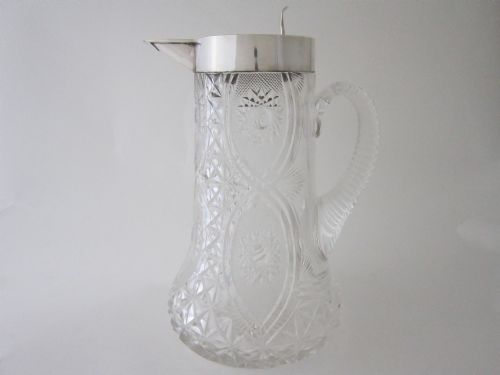
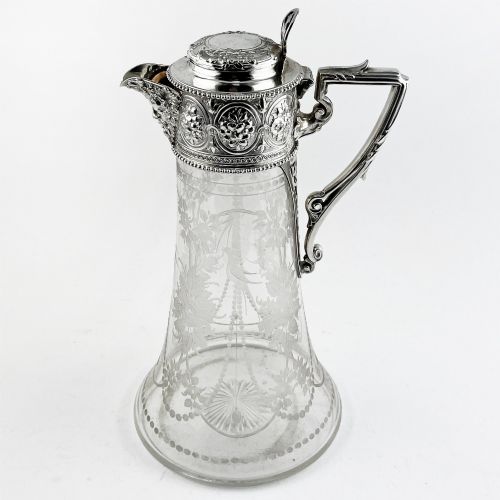
Many larger jugs incorporate glass or stoneware bodies fitted with silver collars, hinged lids, and mounts. Cut glass and engraved glass vessels provide a transparent contrast to the polished metal, while gilt interiors often protect cream jugs from acidic contents.
Antique Sterling Pitcher Retail Price Guide 2026
Typical asking prices for sterling pitcher among the pieces listed under this phrase on Sellingantiques today, from the lower quarter to the upper quarter. They describe what is for sale here now, not the wider market.
Materials paired with sterling silver across these items include cut glass, engraved glass, stoneware, gilt highlights, and wood.
Markers of superior quality
Quality rests in the crispness of chased and floral engraved decoration, the structural integrity of hinged lids, and the balance of applied handles. Superior pieces demonstrate deliberate weight and precise wall thickness rather than flimsy gauge metal.
The integration of mixed materials also defines the tier of a piece, seen in the clarity of cut glass bodies and the snug fit of silver collars. Clear, legible hallmarks struck by reputable makers confirm the provenance and standard of the silver.
William Comyns·Stalker and Mitchison·James Gordon·John Emes·Peter and Ann Bateman·George Unite
The Antique Sterling Pitcher Glossary
- Sterling silver
- A silver alloy containing 92.5 percent pure silver and 7.5 percent other metals, usually copper. This standard has been enforced by British assay offices for centuries.
- Hallmark
- A series of official marks stamped on precious metals indicating the standard of purity, the assay office, the maker, and the year of production.
- Claret jug
- A large pouring vessel designed specifically for serving red wine, typically featuring a glass body with a silver mount, handle, and hinged lid.
- Sauce boat
- An open boat-shaped vessel used for serving gravies and sauces, usually supported on three or four feet and accompanied by an integral or separate stand.
- Ewer
- A large pitcher with a wide spout and a flared base, historically used for washing hands at table or serving water and wine.
- Sparrow beak jug
- An early 18th century form of small cream jug characterised by a distinctive, pinched spout resembling a bird's beak.
Antique Sterling Pitcher: Frequently Asked Questions
How do I clean an antique sterling pitcher?
Wash the silver gently in warm water with a mild, phosphate-free washing-up liquid, then dry it thoroughly with a soft cotton cloth. Avoid abrasive pastes or harsh chemical dips that strip away the fine patina accumulated over generations.
For pieces that combine silver with glass or stoneware, keep moisture away from the mounted collars and cements during cleaning. Store the pitcher in a dry environment away from direct sunlight to minimise tarnishing.
Can I use these pitchers for daily service?
Many solid silver and glass pitchers remain fully functional for serving water, cream, wine, or sauces at the modern dining table. Solid silver handles and sturdy construction allow for everyday handling provided you take care during washing.
Delicate antique glass bodies and fragile hinged lids require extra caution when pouring or filling. Hand washing is mandatory, as dishwashers will damage antique silver and loosen fitted collars.
What is the difference between a jug and a pitcher?
In British silver terminology, the two terms often overlap, though pitcher traditionally describes a larger vessel with a handle and lip used for water or beer. Jug covers everything from tiny individual creamers to substantial claret decanters and milk jugs.
Regional preferences and periods also influence the naming convention found in historical records and hallmarks. On the market, the function is usually dictated by capacity and the shape of the spout rather than the label.
How do I date an antique silver pitcher?
Locate the hallmarks stamped into the metal, which typically include a date letter corresponding to a specific year and assay office. Maker's marks and standard marks like the lion passant further narrow down the exact period of manufacture.
Stylistic indicators such as the heavy floral engraving of the Victorian era or the geometric lines of Art Deco also point toward a specific decade. Comparing the form to documented regional styles helps confirm the era when hallmarks are rubbed.