



Antique Sterling Mustard Pot
An antique sterling mustard pot brings a touch of refined dining ceremony to the table through solid silver craftsmanship.
Antique Sterling Mustard Pot
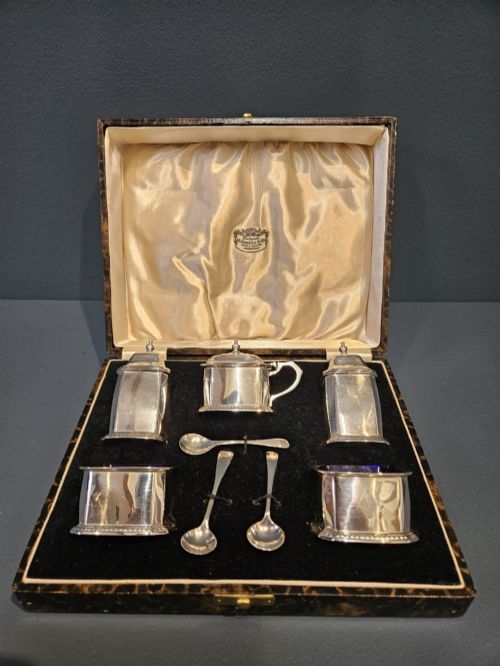
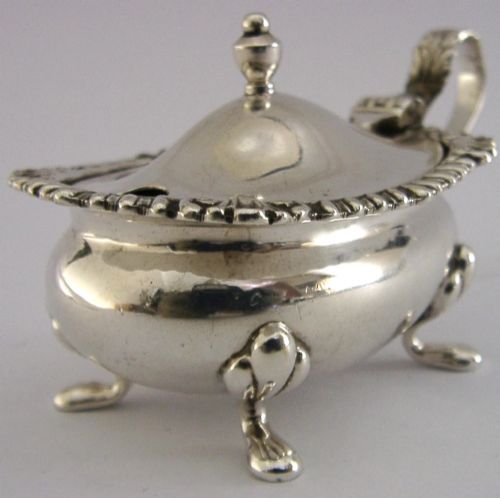
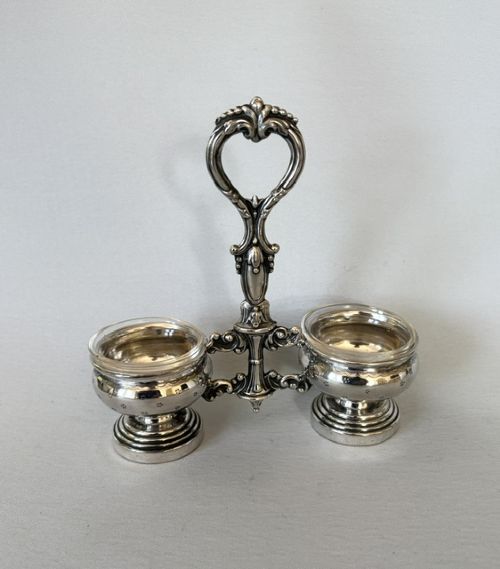
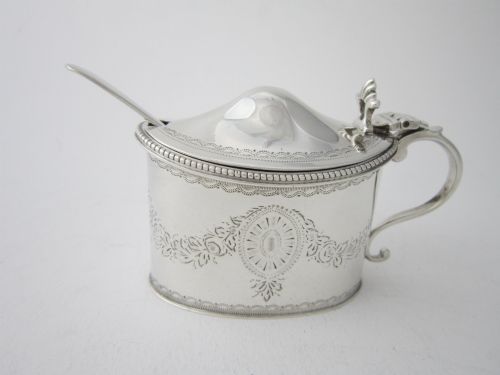
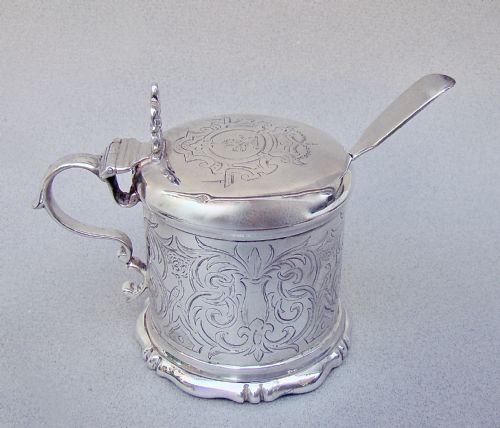
An antique sterling mustard pot is a small tabletop vessel designed to hold prepared mustard, frequently appearing alongside condiment sets and cruet frames. These pieces span from the Georgian era through the Victorian period and into the mid-twentieth century.
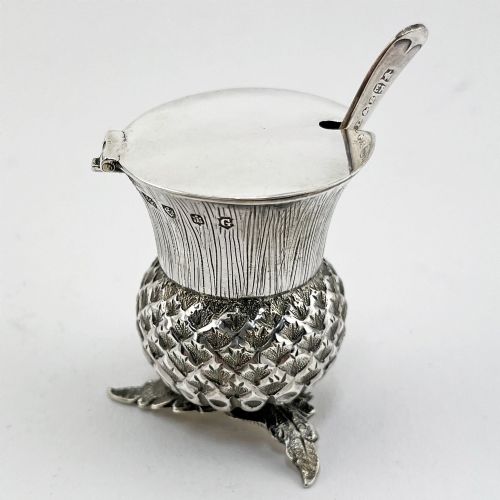
The selection includes specialised novelty designs modelled as thistles or birds alongside traditional pierced silversmithing. These vessels reflect the shifting domestic tastes across multiple reigns and design movements.
Materials and Technique
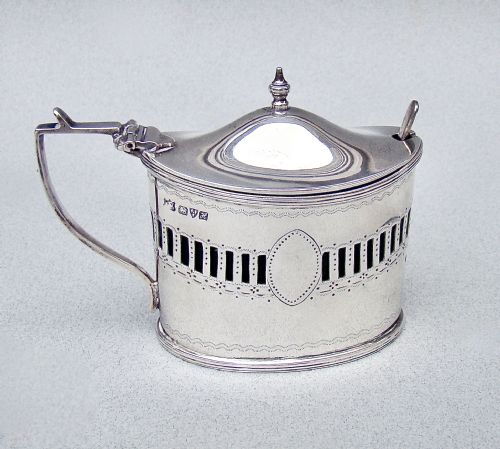
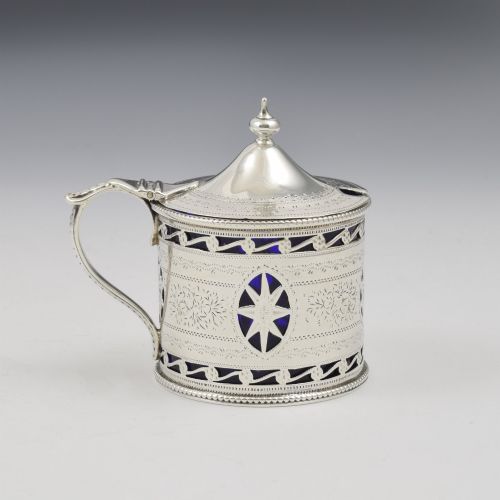
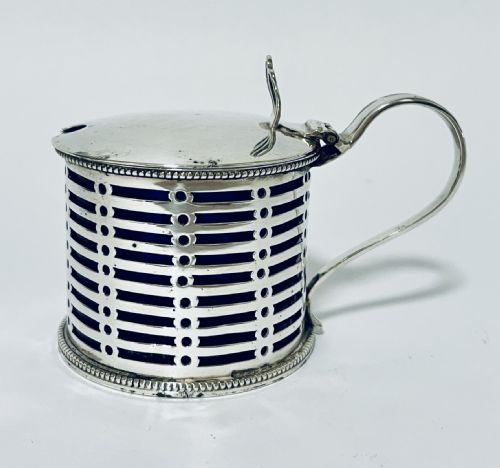
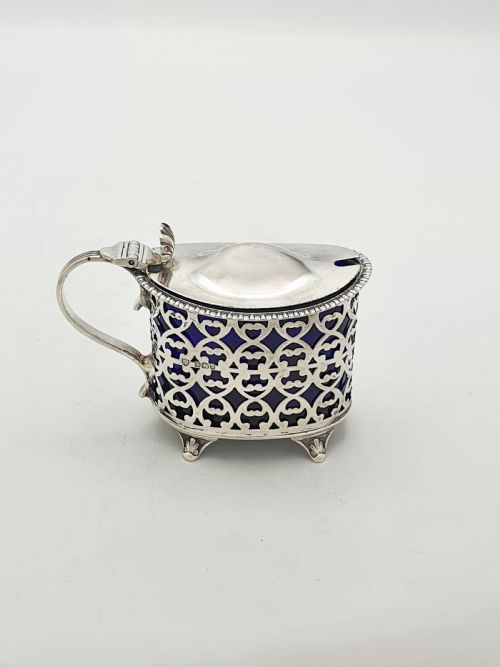
Silversmiths constructed these pots using sterling silver sheets shaped through hammering, casting, and piercing techniques. Pierced examples demonstrate careful hand-cut fretwork that reveals contrasting interior linings.
Vessels typically rely on removable glass liners in cobalt blue, ruby red, or clear cut glass to protect the silver from vinegar corrosion. These glass inserts are fitted securely within the metal body to allow easy cleaning.
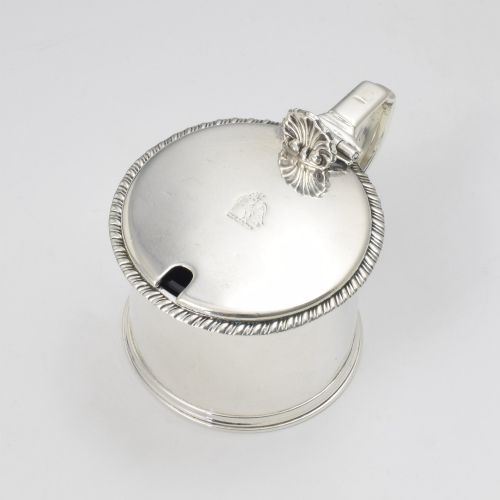
Hinges and thumbpieces require precise metalworking to ensure lids close flush against the rim. Makers applied hallmarks using punch stamps to indicate the assay office, standard, and date of manufacture.
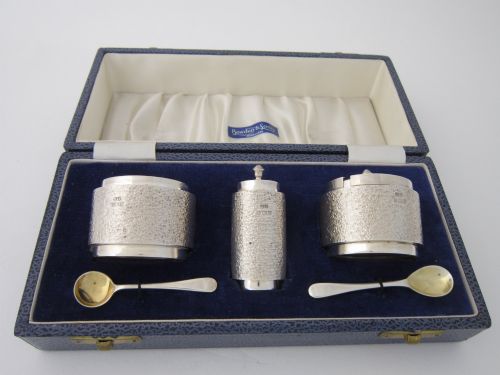
Listings feature sterling silver mustard pots spanning the Georgian, Victorian, and Art Deco periods alongside mid-century condiment sets.
Standards of Execution
The weight and gauge of the sterling silver plate establish the primary distinction between standard production and substantial workshop output. Thicker metal resists denting and maintains structural integrity around hinged components.
The intricacy of chased ornamentation and the crispness of pierced openwork separate routine items from master silversmith commissions. Pierced designs show clean internal edges rather than coarse casting marks.
Original matching glass liners and functional fitted spoons contribute significantly to the completeness of a vessel. Well-preserved maker marks provide clear provenance regarding the silversmith and workshop origin.
Matthew Boulton·Nathan and Hayes·Charles Fox·Robert Hennell·William Neale
The Antique Sterling Mustard Pot Glossary
- Sterling silver
- A silver alloy consisting of significant purity by weight, traditionally marked to guarantee the metallic standard.
- Cruet set
- A matched group of condiment bottles or pots held together in a metal frame for table service.
- Pierced work
- Decorative metalwork pierced or cut through with a saw or punch to create openwork patterns.
- Hallmark
- A series of stamped official marks applied to precious metals indicating purity, maker, and assay year.
- Liner
- A removable glass vessel inserted inside a silver mustard pot to contain acidic condiments.
Antique Sterling Mustard Pot: Frequently Asked Questions
How do I clean an antique silver mustard pot?
Wash the silver gently using warm water and mild soap with a soft cloth to protect the surface finish. Avoid abrasive dips that can remove antique patination.
Remove the glass liner separately for washing to prevent moisture from becoming trapped beneath the metal fitting. Dry all surfaces completely before storage.
Why do these pots need glass liners?
Mustard contains vinegar and other acidic compounds that corrode silver over extended periods of contact. Glass liners protect the metal interior from chemical damage.
Original coloured liners also enhance the visual appeal of pierced silver designs by adding tone behind the fretwork.
How can I date my mustard pot?
Check the body and lid for a series of stamped hallmarks indicating the assay office and date letter. Each active office used specific alphabetical cycles corresponding to particular years of production.
Stylistic indicators such as Regency drum shapes or Victorian scrollwork also help assign pieces to broad design periods.
Did these pots always include spoons?
Many pots originally formed part of larger cruet services or were sold with dedicated mustard spoons intended for service. Spoons matched the pattern of the primary vessel where commissioned together.
Many surviving pieces lost their original spoons through decades of domestic use, though replacements remain widely collectible.