



Antique Sterling Compact
An antique sterling compact is a silver case designed for powder, pills, or cosmetics, offering a tactile piece of personal dressing table history.
Antique Sterling Compact
When you search for an antique sterling compact, you encounter small silver vessels designed for personal adornment and grooming, spanning powder compacts, pill boxes, and decorative containers. The most frequent examples appearing here belong to the twentieth century, particularly the Art Deco and Edwardian periods.
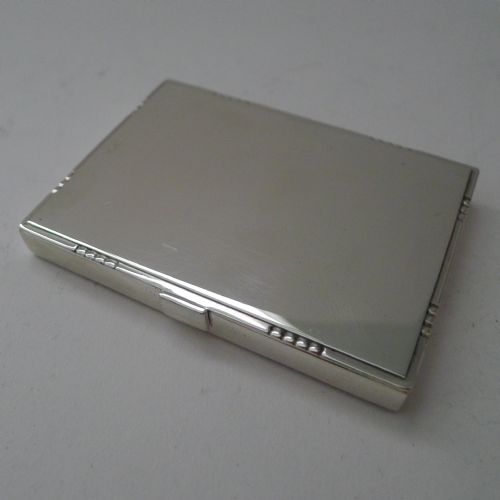
These items originate predominantly from British makers working in Birmingham and London, alongside continental European pieces. Alongside actual compacts, the category embraces related silver forms including trinket boxes, cigarette cases, and vinaigrettes.
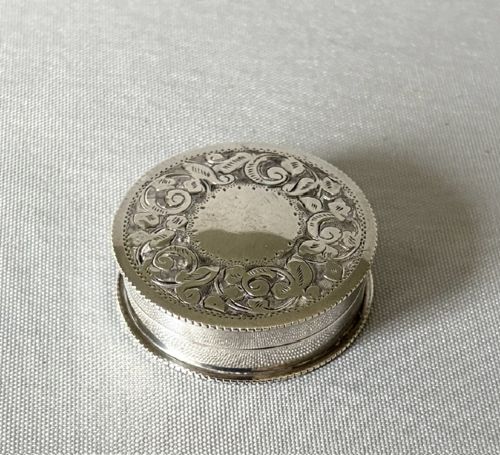
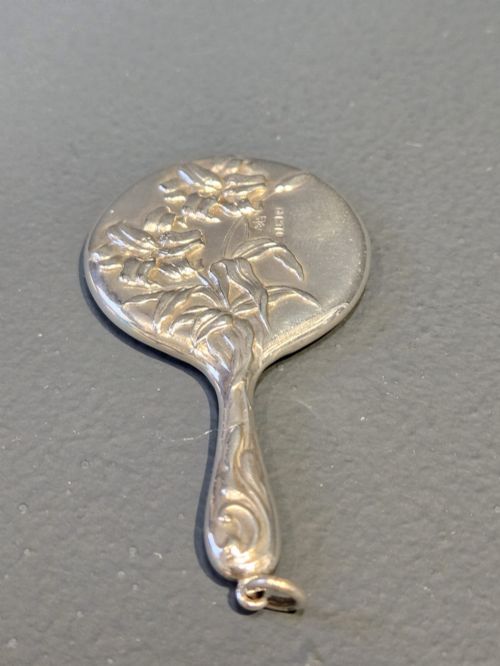
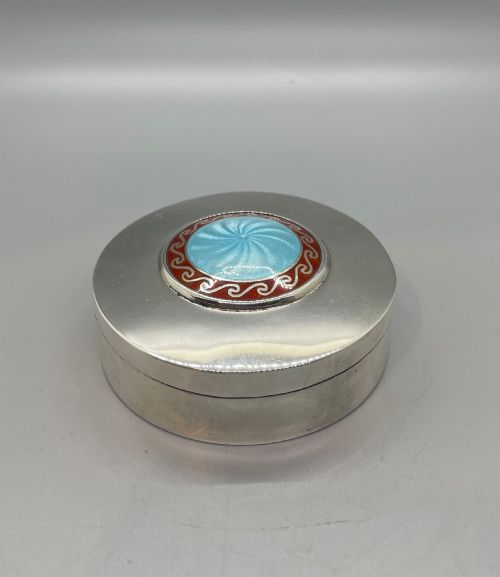
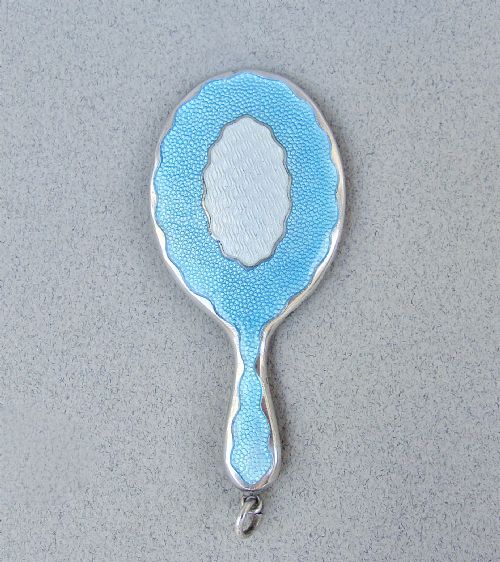
Makers utilised sterling silver across various decades, frequently pairing the metal with intricate enamel work or glass. The forms range from simple round pill boxes to elaborate miniature purse mirrors and fitted rouge pots.
Materials and methods
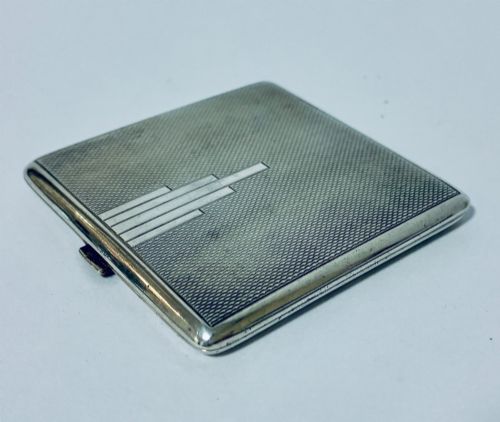
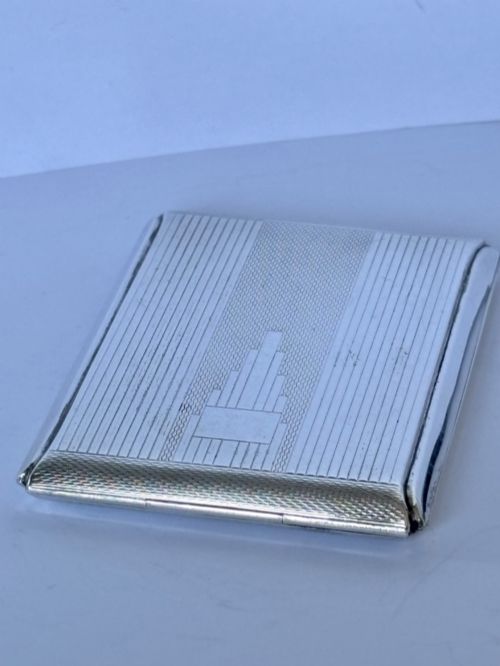
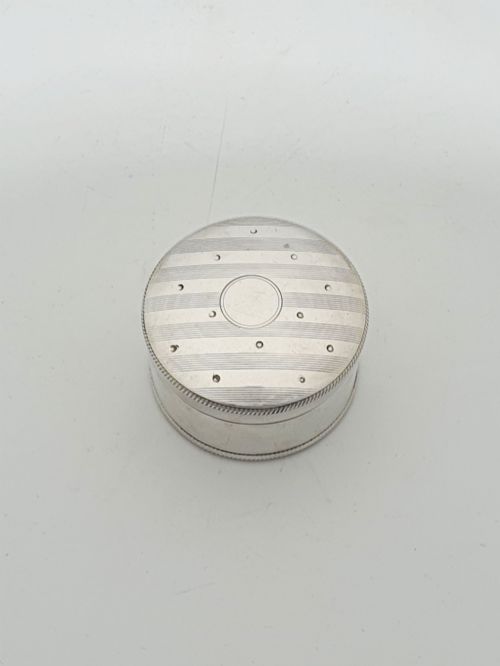
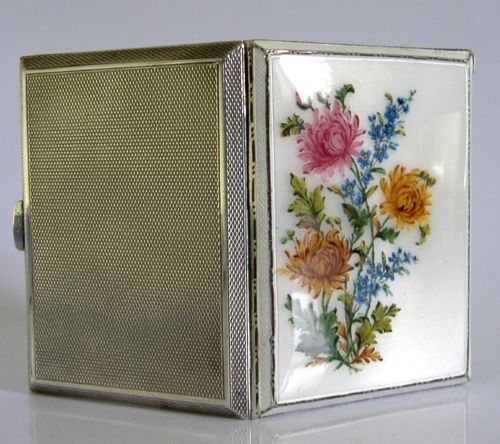
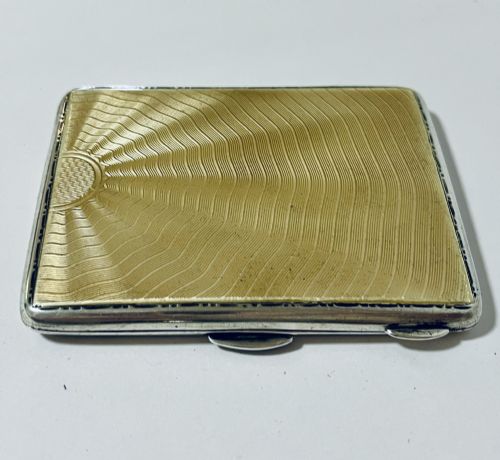
Silversmiths constructed these pieces primarily from sterling silver, sometimes applying silver-gilt finishes or incorporating leather, silk, and glass components. Engine turning created geometric patterns directly onto the metal surface using specialised lathe equipment.
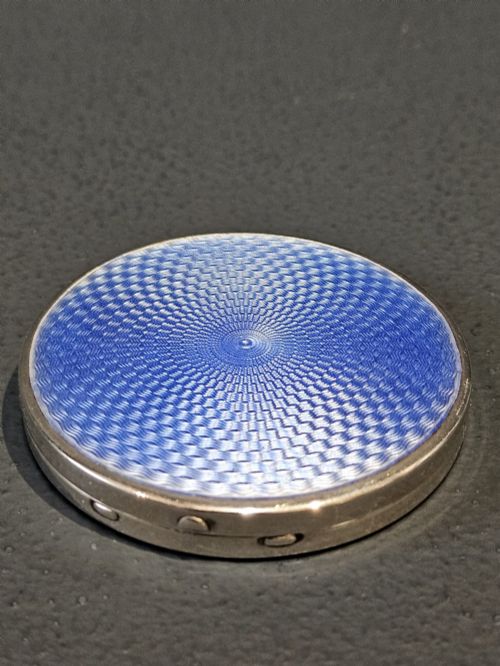
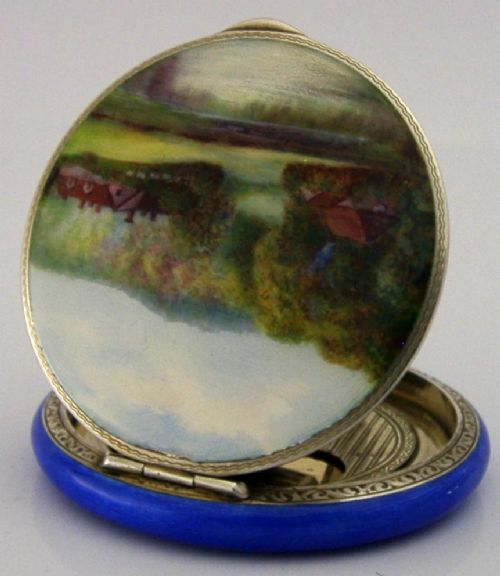
Guilloche enamel techniques involved machine-engraving the silver beneath translucent coloured vitreous enamel layers to produce shimmering radial or wave motifs. Artisans also hand-painted decorative subjects such as chrysanthemum flowers onto the enamel surfaces.
Hinged elements, bezels, and clasps required precise metalworking to ensure secure closures for powders and pills. Interior fittings occasionally included original sponges, mirrors, and fitted leather travel cases.
Antique Sterling Compact Retail Price Guide 2026
Typical asking prices for sterling compact among the pieces listed under this phrase on Sellingantiques today, from the lower quarter to the upper quarter. They describe what is for sale here now, not the wider market.
Listings feature sterling silver combined with vitreous enamel from the Edwardian and Art Deco periods.
Quality variations in silver and enamel
The standard of an antique sterling compact rests upon the crispness of its engine turning and the complexity of its enamel work. Intricate hand-painted details and well-preserved guilloche patterns distinguish superior pieces from plain silver surfaces.
Maker attribution significantly influences the character of a piece, with recognised silversmiths demonstrating greater precision in hinge construction and closure alignment. The survival of original elements like interior gilding, mirrors, and fitted leather cases preserves the integrity of the object.
Georg Jensen·Nathaniel Mills·Elkington and Co·Henry Matthews
The Antique Sterling Compact Glossary
- Guilloche enamel
- A decorative technique where metal is engine-turned with a precise repeating pattern before being coated with translucent enamel. This method allows light to reflect through the coloured glass layer, creating depth.
- Vinaigrette
- A small ornamental box featuring an internal pierced grille, designed to hold a sponge soaked in aromatic vinegar. These containers date primarily from earlier Georgian and nineteenth century periods.
- Engine turned
- A mechanical method of engraving precise geometric patterns onto metal surfaces. The process creates repeating lines that catch the light.
- Silver-gilt
- Sterling silver that has been coated with a thin layer of gold on its surface. This finish provides a warm golden tone to the interior compartments.
- Cartouche
- An ornamental framed panel on a silver surface intended for an engraved monogram or crest. Many early examples remain entirely blank.
Antique Sterling Compact: Frequently Asked Questions
What is an antique sterling compact?
An antique sterling compact is a portable silver container created for holding cosmetic powder, rouge, or pills during the twentieth century and earlier.
These pieces combine functional vanity use with decorative metalwork, often incorporating coloured enamel or engine-turned patterns.
How do I identify an Edwardian compact?
Edwardian compacts and boxes display hallmarks specific to London or Birmingham offices between nineteen hundred and nineteen ten, alongside characteristic softer floral motifs.
They frequently utilise guilloche enamel work in pastel shades paired with delicate silver frames.
What is guilloche enamel?
Guilloche enamel is a decorative process where metal is mechanically engraved with geometric patterns and covered with translucent coloured glass.
This technique creates a shimmering effect that changes appearance as the viewing angle shifts under light.
How were pill boxes used?
Pill boxes served as pocket or purse containers for personal medications, breath mints, or scented substances.
Their secure hinged lids allowed individuals to carry small quantities safely throughout the day.