
Antique Sterling Centerpiece
An antique sterling centerpiece commands the middle of a dining table with weight, presence and silver craftsmanship.
Antique Sterling Centerpiece
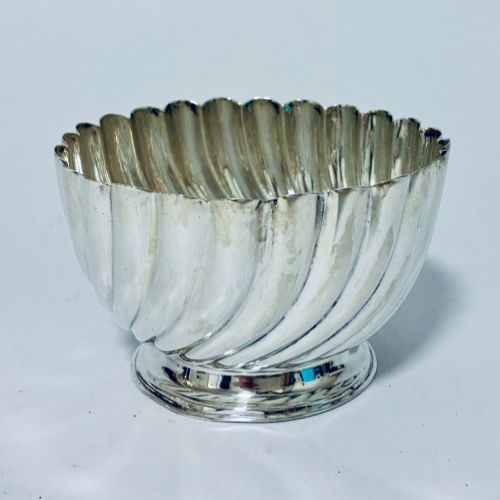
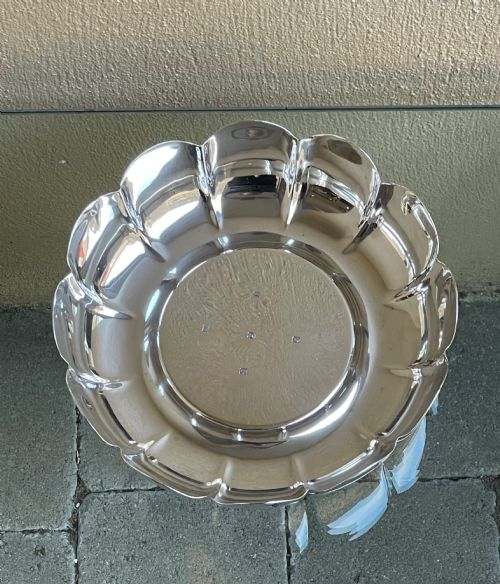
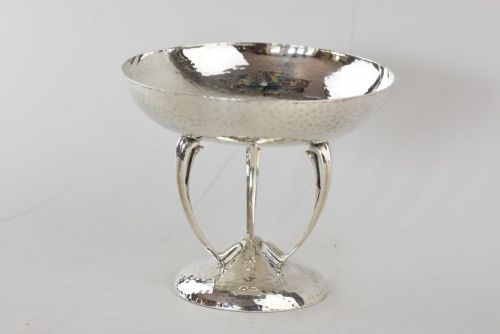
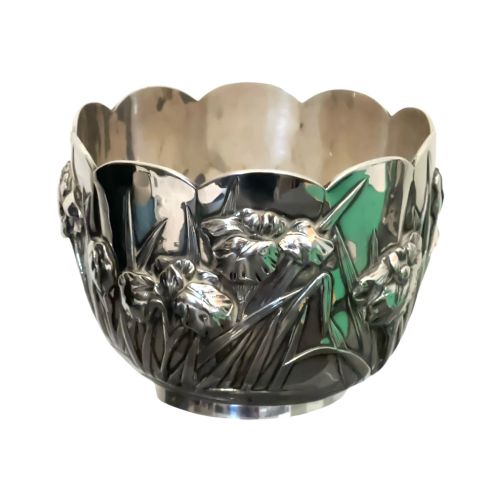
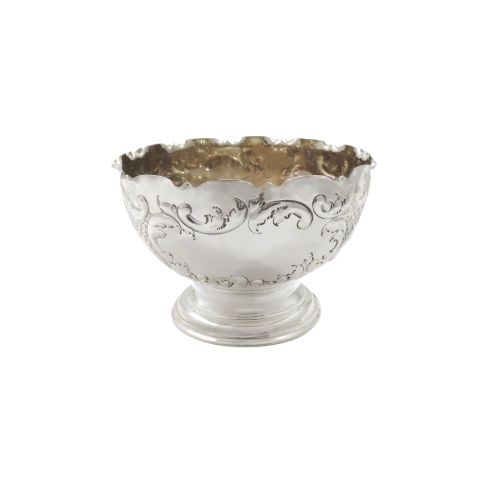
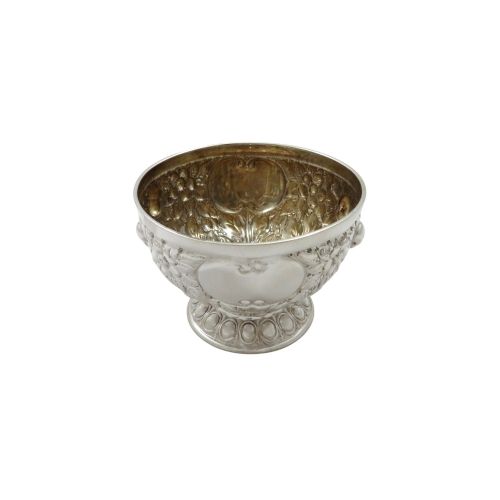
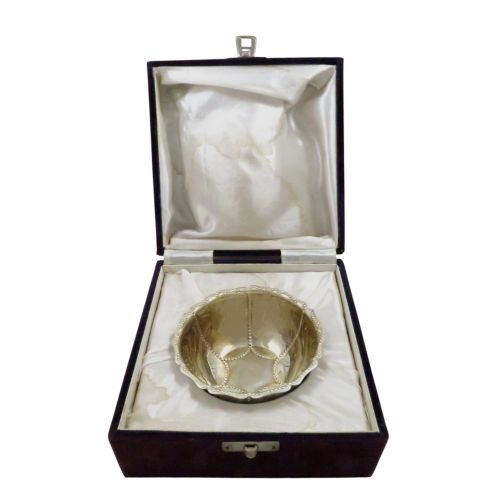
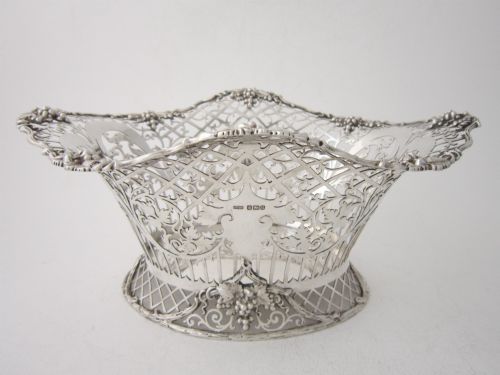
When you search for an antique sterling centerpiece, you are looking at large table ornaments designed to anchor a formal dining table. The pieces on this page span several decades, emerging most frequently from the Victorian, Edwardian and George V periods.
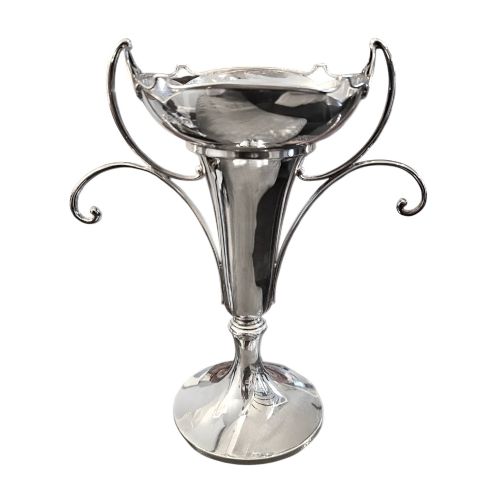
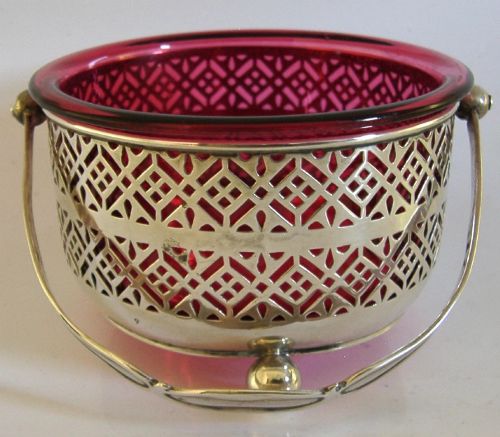
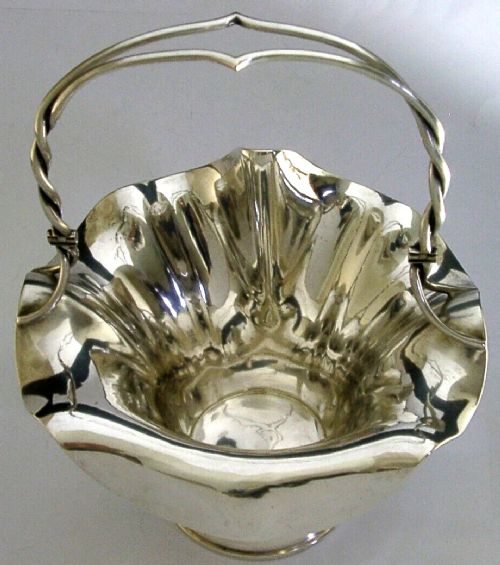
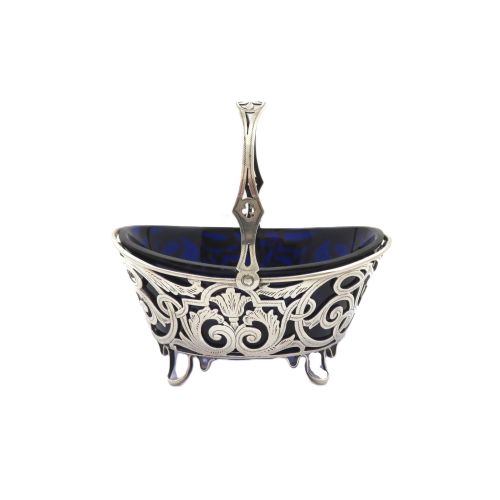
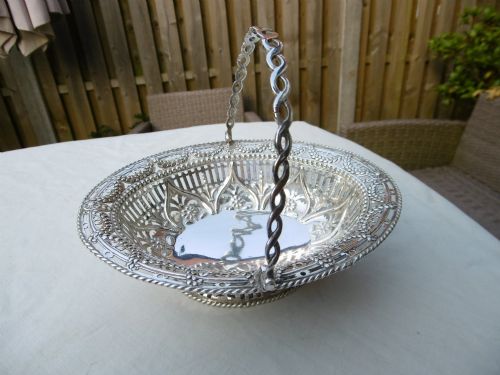
The forms vary considerably across the selection, ranging from deep bowls and footed pedestals to handled baskets and elaborate epergnes. Many incorporate functional elements like glass liners or swing handles, intended originally for fruit, flowers or presentation.
Origins stretch from English provincial assay offices to continental workshops and Anglo-Indian makers. You will find specific functional types such as bread dishes, sugar baskets and tazzas alongside large decorative bowls.
Materials and Technique
The foundation of these objects is solid sterling silver, frequently complemented by glass inserts such as cranberry glass or clear crystal. Makers also utilised silver gilt and vermeil to create rich interior contrasts within bowls and baskets.
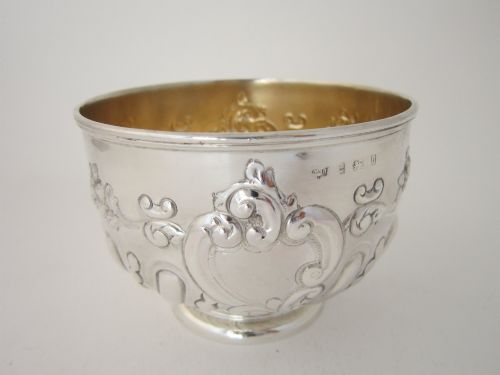
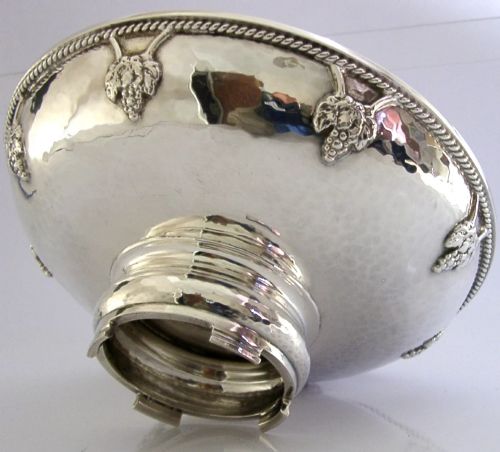
Techniques range from smooth pedestal casting to heavy hand-hammered Arts and Crafts surfaces. Repoussé work appears often, pushing the metal from the reverse to form floral and Rococo relief patterns across the body.
Several fighting cockerel models stand ready on pedestals, poised to defend the dinner table from rival poultry.
Distinctions in Quality
Quality rests upon the heft of the metal relative to the scale of the object, distinguishing substantial presentation vessels from lighter domestic dishes. Heavier gauge silver provides structural integrity to expansive bowls and tall pedestal feet.
The crispness of the chasing and the depth of the repoussé ornamentation separate standard production from superior silversmithing. Art Nouveau contours and hammered textures demand precise hand control to maintain clean lines across large surfaces.
The integrity of integrated elements, such as fitted glass liners or articulated swing handles, marks the distinction between ordinary survival and complete preservation. Maker marks and clear hallmarking add historical certainty to the physical weight of the piece.
Edward Souter Barnsley·Goldsmiths and Silversmiths Company·Charles Boyton·Tiffany and Co·Joseph Rodgers
The Antique Sterling Centerpiece Glossary
- Sterling silver
- A silver alloy containing 92.5 percent pure silver by mass, with the remainder consisting of other metals like copper. This standard alloy provides the durability required for large table vessels.
- Repoussé
- A metalworking technique where the silversmith hammers the metal from the reverse side to create a raised design in relief on the front. It is common on Edwardian floral bowls and baskets.
- Tazza
- A shallow bowl or saucer mounted on a stem and foot, used for serving fruit or small dishes. They appear in silver and hammered Arts and Crafts styles.
- Epergne
- An ornamental centerpiece for a table, typically featuring a central dish with branching holders for smaller baskets or vases. They dominate formal Edwardian dining arrangements.
- Silver gilt
- Sterling silver that has been coated with a thin layer of gold on the surface. This treatment protects the interior of bowls from acidic foods.
Antique Sterling Centerpiece: Frequently Asked Questions
What was an antique sterling centerpiece used for?
These large vessels sat in the middle of formal dining tables to hold fruit, flowers or sweetmeats during large meals. They functioned as focal points for the room, displaying the wealth and taste of the host.
In many cases, they served as presentation pieces or trophies for civic and sporting achievements. Elaborate examples with multiple baskets or epergne attachments allowed for varied table arrangements.
How do I care for a silver centerpiece?
Regular dusting with a soft cloth prevents surface grime from accumulating in the recessed details of repoussé work. When polishing is necessary, use a gentle silver cream and avoid abrasive pads that wear down the hallmarks.
Keep the piece away from direct sunlight and damp environments to slow down tarnishing. If the object includes a removable glass liner, wash and dry the glass separately from the silver frame.
How do I identify the period of a silver bowl?
Hallmarks stamped directly onto the silver provide the most reliable guide to age and origin. These tiny marks typically include a date letter, a city assay office mark, and a lion passant indicating sterling standard.
Stylistic cues also point to the era of manufacture, such as flowing organic lines for Art Nouveau pieces or heavy floral repoussé for late Victorian items. Comparing the weight and construction methods helps confirm whether a piece belongs to the Georgian, Victorian or Edwardian eras.
Why do some bowls include glass liners?
Glass liners protected the underlying silver from being scratched by heavy fruit or stained by acidic foods. Cranberry glass and clear crystal inserts added colour and textural contrast to the reflective silver framework.
These liners were removable to make cleaning easier after a meal. Finding a centerpiece with its original matching glass liner preserves the complete design intended by the silversmith.