
Antique Sterling Box
When you handle an antique sterling box, you hold a tangible piece of past utility, fashioned from precious metal to secure small, valued possessions.
Antique Sterling Box
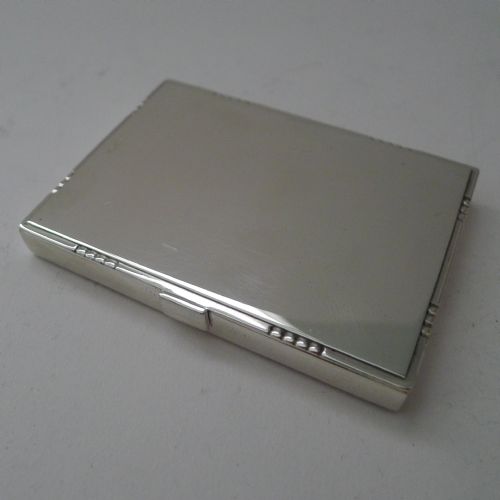
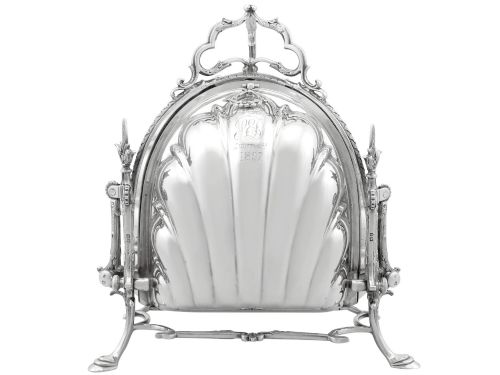
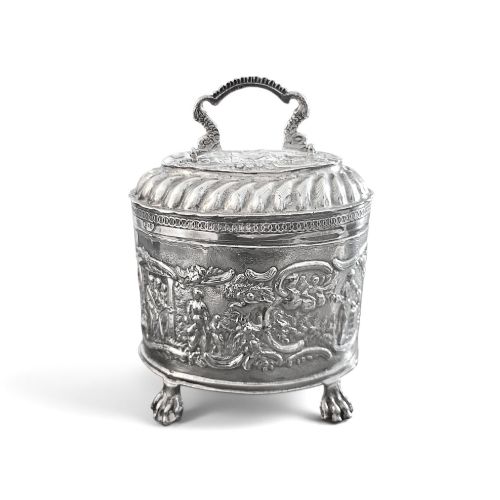
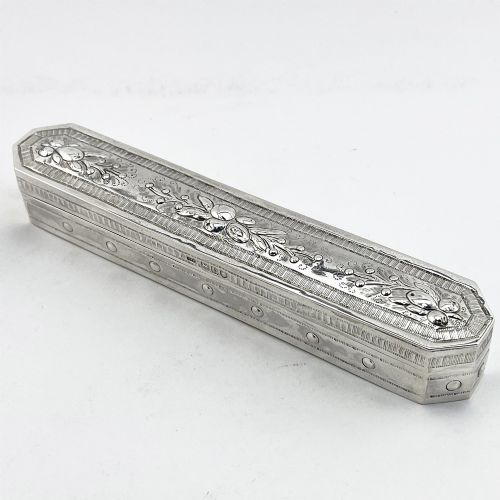
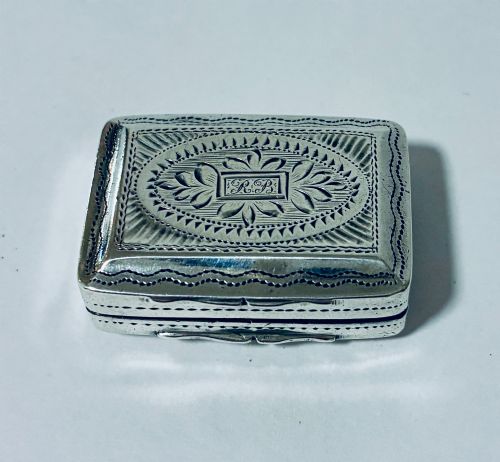
An antique sterling box encompasses a diverse array of small vessels designed for specific historical uses, ranging from table snuff boxes and tea caddies to trinket and pill containers. Buyers encountering this selection will frequently find items originating from the Georgian, Victorian, and Edwardian periods, as well as the later Art Deco era.
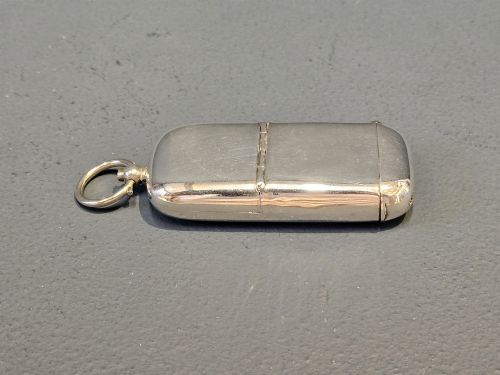
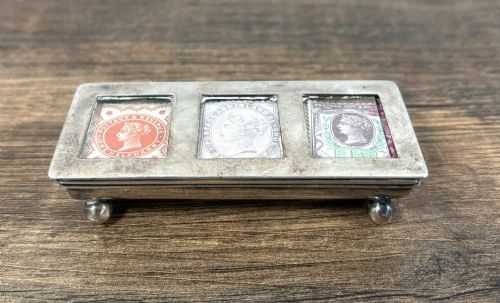
The practical function of these objects dictated their specific shapes, such as the flat profiles required for pocket snuff or the deeper wells of tea caddies and vanity jars. Pieces span domestic and personal items, including specialised enclosures like vesta cases, stamp holders, and vinaigrettes.
Geographic origins extend beyond British workshops to include continental European and export pieces, demonstrating varied regional ornamentation techniques applied to solid silver. Domestic items frequently bear hallmarks corresponding to assay offices in London, Birmingham, Sheffield, and Chester.
Materials and Technique
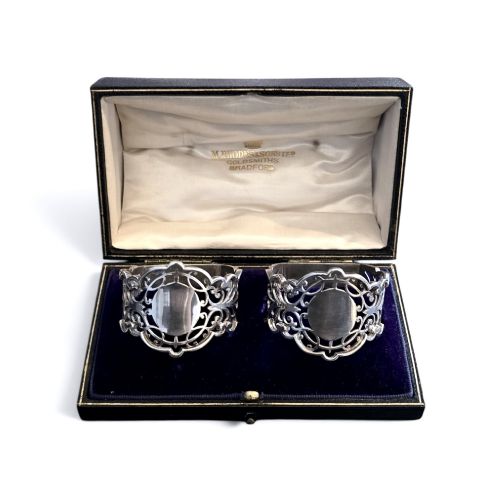
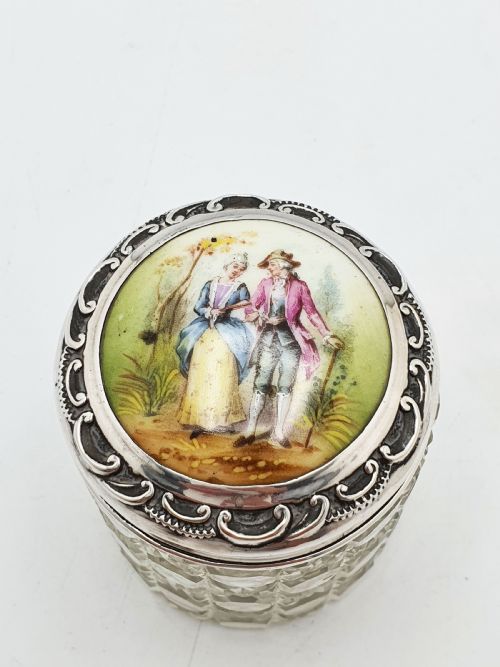
The primary structural material across these items is sterling silver, frequently complemented by secondary elements such as velvet, leatherette, satin, and cut glass bodies mounted in metal. Certain forms incorporate organic or decorative inserts like tortoiseshell, hand-painted porcelain plaques, or enamel layers.
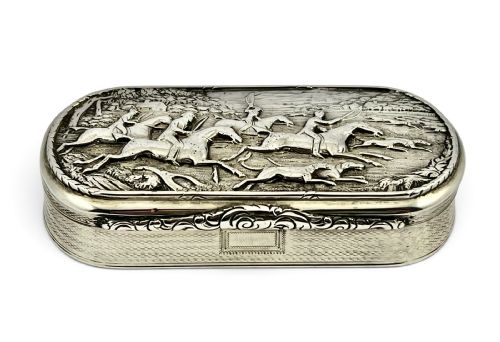
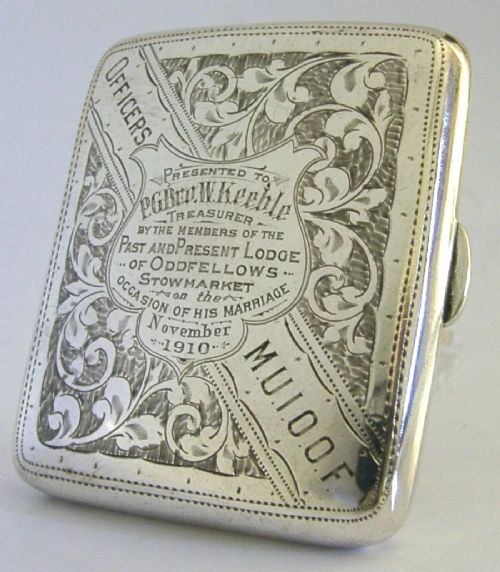
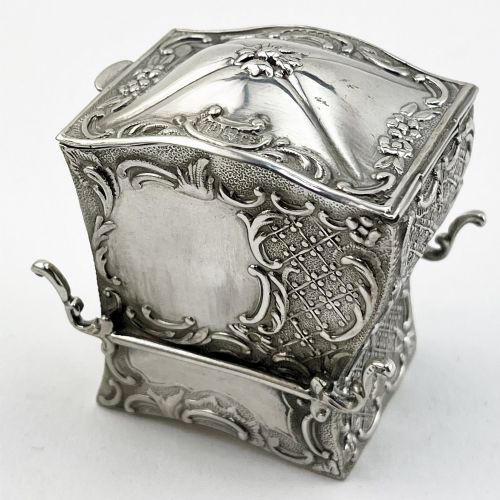
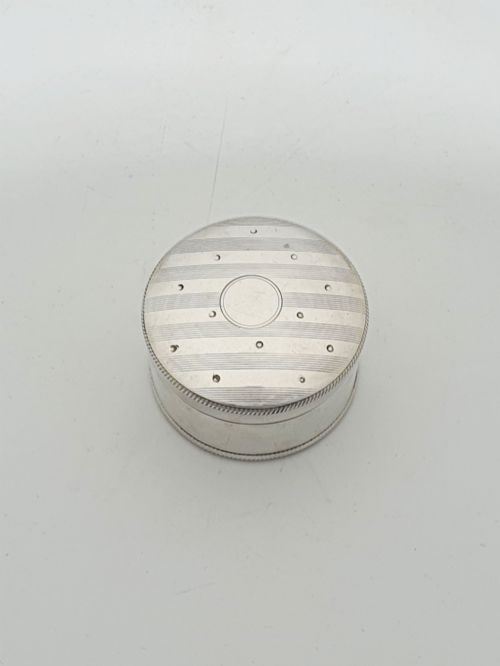
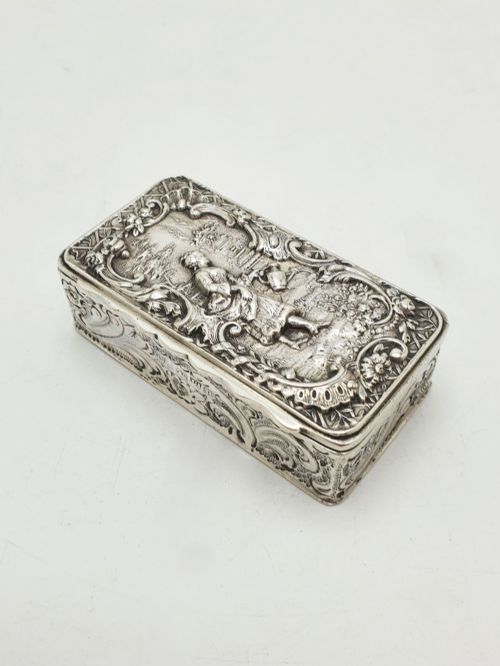
Surface decoration relies heavily on traditional silversmithing techniques, including repoussé work, engine turning, planishing, and silver gilding to create contrasting internal finishes. These methods required skilled manipulation of the metal to achieve textured patterns or smooth, geometric precision.
Distinctions in Execution
The distinction between standard items and superior examples rests upon the weight of the metal gauge and the crispness of the hand-applied decoration. Heavy-gauge silver provides structural integrity and a substantial feel in the hand, whereas thinner plates yield under pressure.
Refinement in execution is visible in the precision of hinges, the secure closure of lids, and the clarity of hallmarks struck into the metal. Superior pieces display intricate hand-chased details and uncompromised internal gilt washes rather than purely mechanical stamping.
Martin Hall And Co·Taylor And Perry·Joseph Wilmore·Aaron Lufkin Dennison·A J Pepper And Co
The Antique Sterling Box Glossary
- Sterling Silver
- An alloy of silver containing 92.5 percent pure silver and 7.5 percent other metals, usually copper, chosen for durability. This standard is authenticated by official hallmarks.
- Repoussé
- A metalworking technique where the silver is hammered from the reverse side to form a raised design in relief. Detail is then refined from the front.
- Vinaigrette
- A small ornamental box featuring a pierced internal grille, historically used to hold a sponge soaked in aromatic vinegar. These date primarily from the Georgian and Victorian eras.
- Vesta Case
- A pocket-sized container manufactured to hold matches, typically fitted with a striking surface on the base. Many examples from the Edwardian period feature engraved motifs or figural designs.
- Engine Turning
- A mechanical method of engraving precise, intricate geometric patterns into the surface of metal. This technique creates a textured finish that catches the light.
Antique Sterling Box: Frequently Asked Questions
What were antique sterling boxes used for?
These receptacles served specific domestic and personal functions in daily life, holding items like dry tea leaves, tobacco, snuff, matches, or stamps. Their varied shapes directly reflected the physical dimensions of the goods they were created to protect.
Personal keepers also included small containers for trinkets, calling cards, or medicinal vinaigrettes carried in pockets or handbags. Each form provided a secure, portable method for managing valuable or aromatic personal effects.
How can I tell the period of a silver box?
Dating relies primarily upon official hallmarks stamped directly into the sterling silver, which indicate the assay office, the specific year of testing, and the maker's mark. Reference guides match these stamped letters and symbols to historical registers.
Stylistic indicators also assist with identification, such as the ornate repoussé work common in Victorian pieces or the geometric precision associated with later Art Deco design. Combining hallmark data with manufacturing techniques establishes the era of production.
How do I care for antique silver?
Maintenance requires gentle cleaning using non-abrasive cloths and specialised silver polishes designed to preserve the metal surface without stripping fine details. Avoiding harsh chemical dips prevents damage to integrated organic elements like tortoiseshell or enamel.
Storage conditions matter significantly for pieces lined with velvet, satin, or leatherette, which should be kept in stable environments away from excessive moisture. Regular, light dusting helps prevent natural tarnish accumulation without wearing down raised chased work.