
Antique Sterling Bowl
When you handle an antique sterling bowl, you hold centuries of refined metalwork designed for everyday elegance.
Antique Sterling Bowl
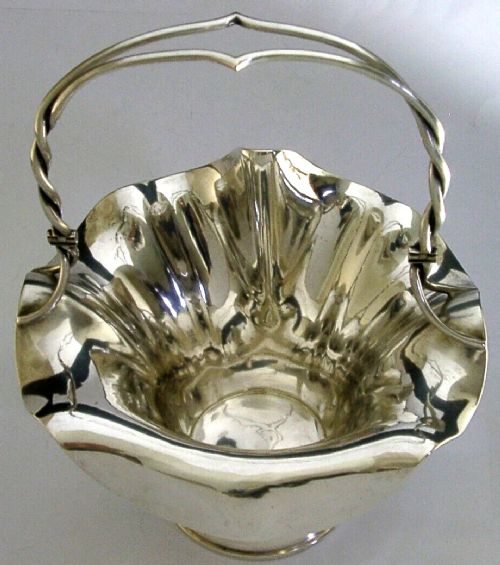
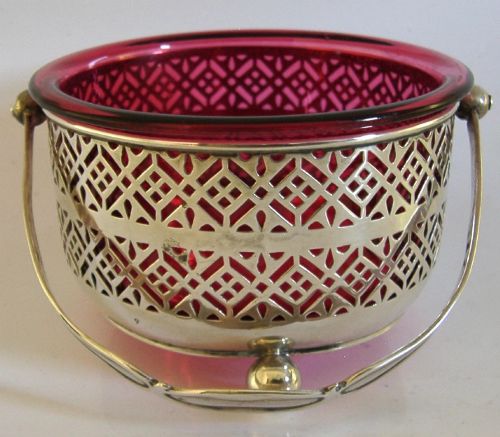
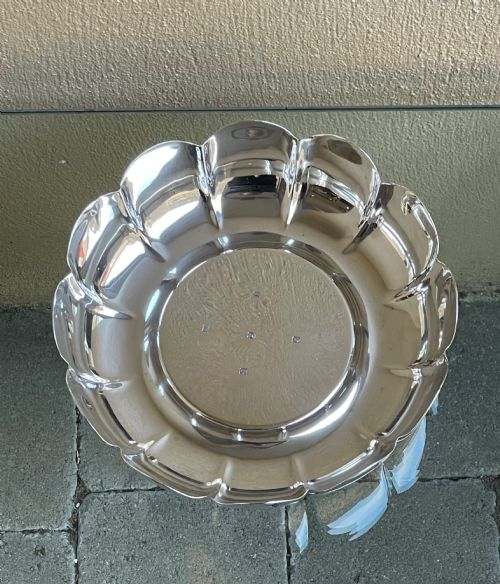
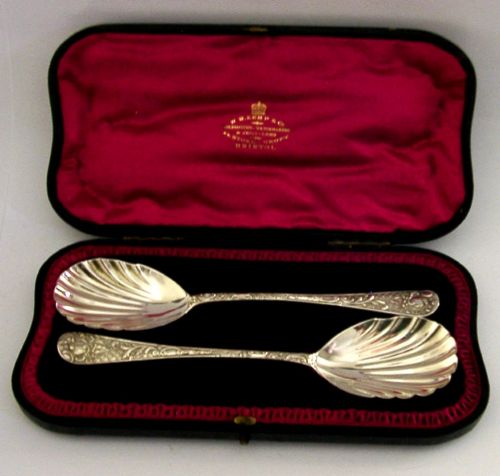
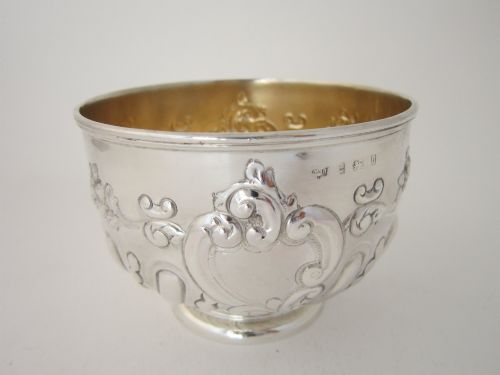
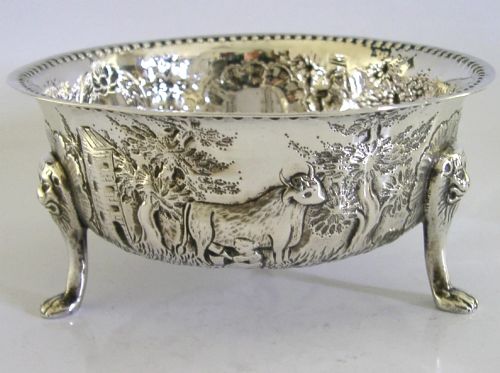
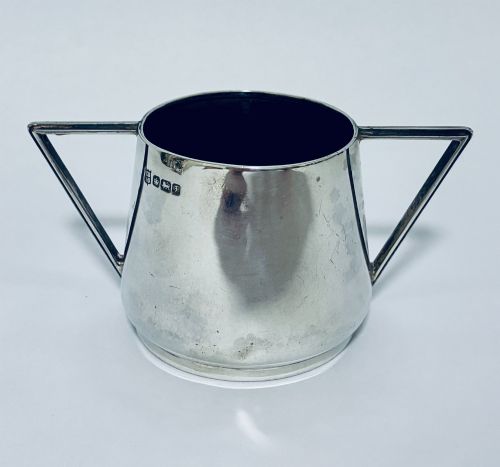
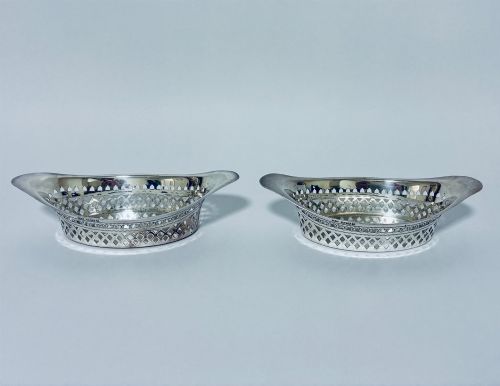
The assortment includes specialised forms such as pierced cream pails, strawberry dishes, and lidded porringers originating from English, Scottish, Irish, and continental silversmiths. Edwardian and Victorian iterations dominate the selection, often featuring embossed floral motifs or clean geometric lines from later modernist movements.
How They Were Made
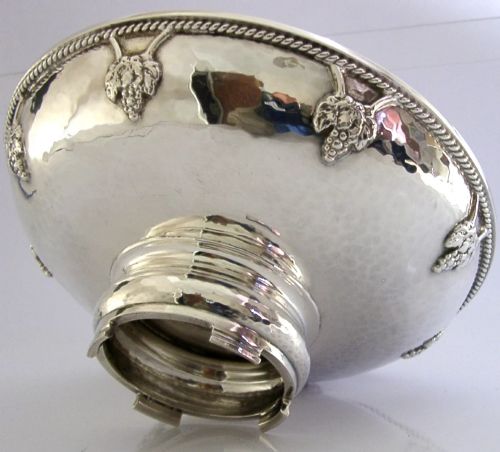
Silversmiths utilised traditional hammering, piercing, and casting techniques to shape solid sterling silver into durable domestic vessels. Planished surfaces show intentional hammer marks left by the maker, a hallmark of the Arts and Crafts movement.
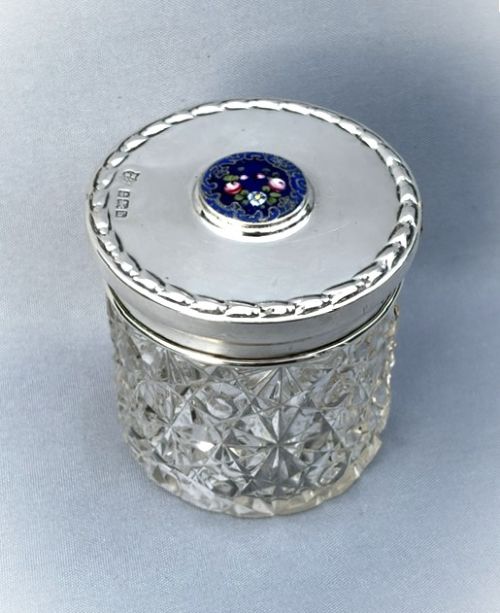
Many hollowware pieces incorporate contrasting materials like cut glass liners, vibrant enamel, and rich velvet to enhance the visual depth of the silver framework.
Makers occasionally hid novelty motifs like sailing boats and devil figures inside bowls for an unexpected touch.
What Varies in Quality
Substantial metal weight and balanced proportions distinguish exceptional vessels from lighter production pieces. A heavier gauge of silver prevents distortion and gives the object a satisfying heft in the hand.
The clarity and crispness of hand-engraved crests, repoussé floral embossing, and pierced fretwork reveal the skill of the original workshop.
R E Stone·Nathan and Hayes·Martin Hall and Co·Georg Jensen·Goldsmiths and Silversmiths Company·Liberty and Co·Aldridge and Green·Hamilton and Inches·Mappin and Webb
The Antique Sterling Bowl Glossary
- Sterling silver
- A silver alloy containing 92.5 percent pure silver and 7.5 percent other metals, usually copper, chosen for durability.
- Quaich
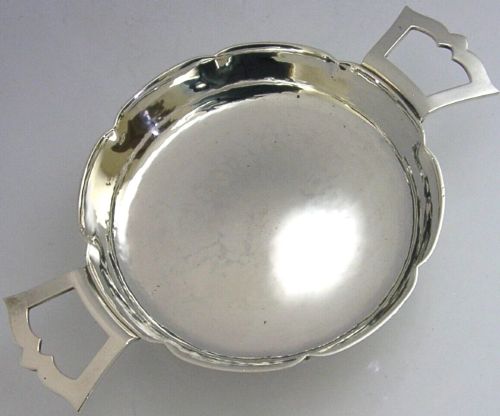
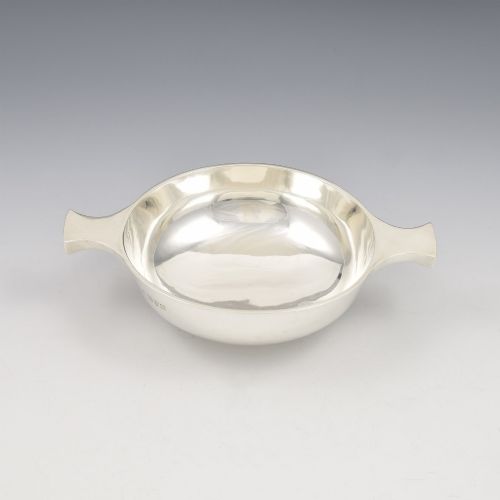
- A traditional two-handled drinking vessel or small shallow bowl originating in Scotland.
- Porringer
- A low, wide-rimmed bowl equipped with one or two flat ears or handles.
- Repoussé
- A metalworking technique where the silversmith hammers the design from the reverse side to form a raised relief on the front.
- Planished
- A surface texture created by repeatedly striking metal with a small, flat-faced hammer to leave subtle, overlapping facets.
Antique Sterling Bowl: Frequently Asked Questions
What is a sterling silver bowl used for?
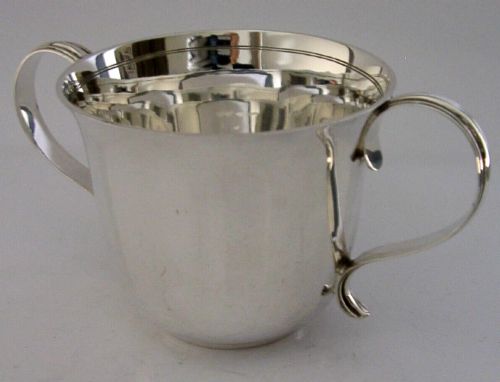
These vessels served various domestic purposes throughout the Georgian, Victorian, and Edwardian eras, functioning as sugar basins, fruit dishes, or centrepieces for the dining table.
Smaller examples often held condiments, sweets, or trinkets, while specialised forms like porringers and quaichs held specific roles in hospitality.
How do I clean an antique silver bowl?
Use a soft microfiber cloth and a dedicated silver polish formulated specifically for antique items to remove natural tarnish safely.
Avoid harsh abrasive dips that can strip away the desirable dark patination accumulated in the recesses of engraved or embossed details.
How can I tell the age of my silver bowl?
British pieces carry comprehensive hallmarks stamped directly into the metal, featuring a city mark, a standard mark indicating sterling purity, and a date letter.
Matching these stamped symbols against official assay office records reveals the exact year and location of manufacture.
Can I use an antique bowl for food?
Solid silver is naturally non-toxic and suitable for serving dry foods, fruits, or wrapped sweets during gatherings.
Acidic foods should not remain in contact with unprotected silver for extended periods to prevent surface pitting.